Adenium Bonsai
✅ Rosy Adenium – The Desert Rose in Full Bloom
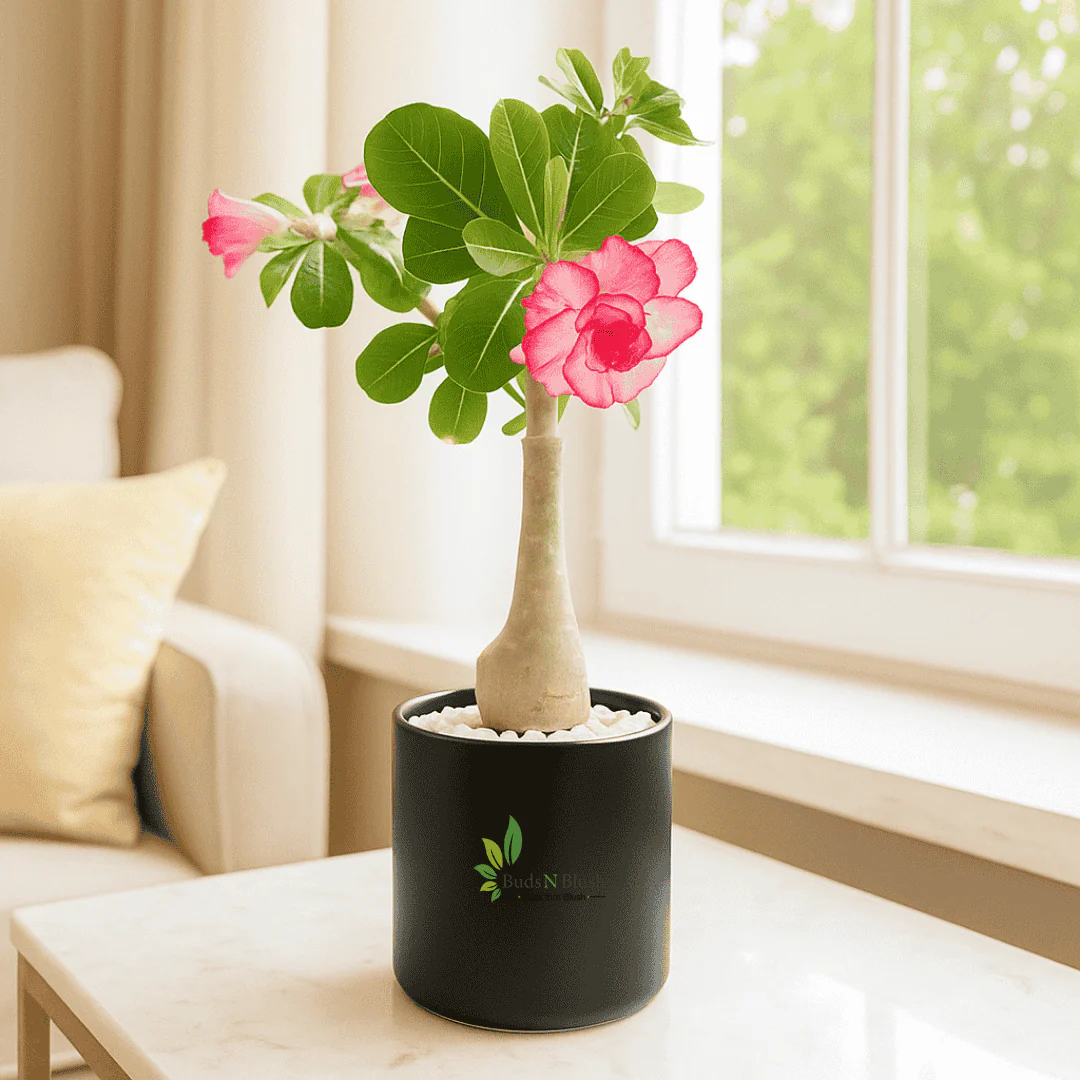
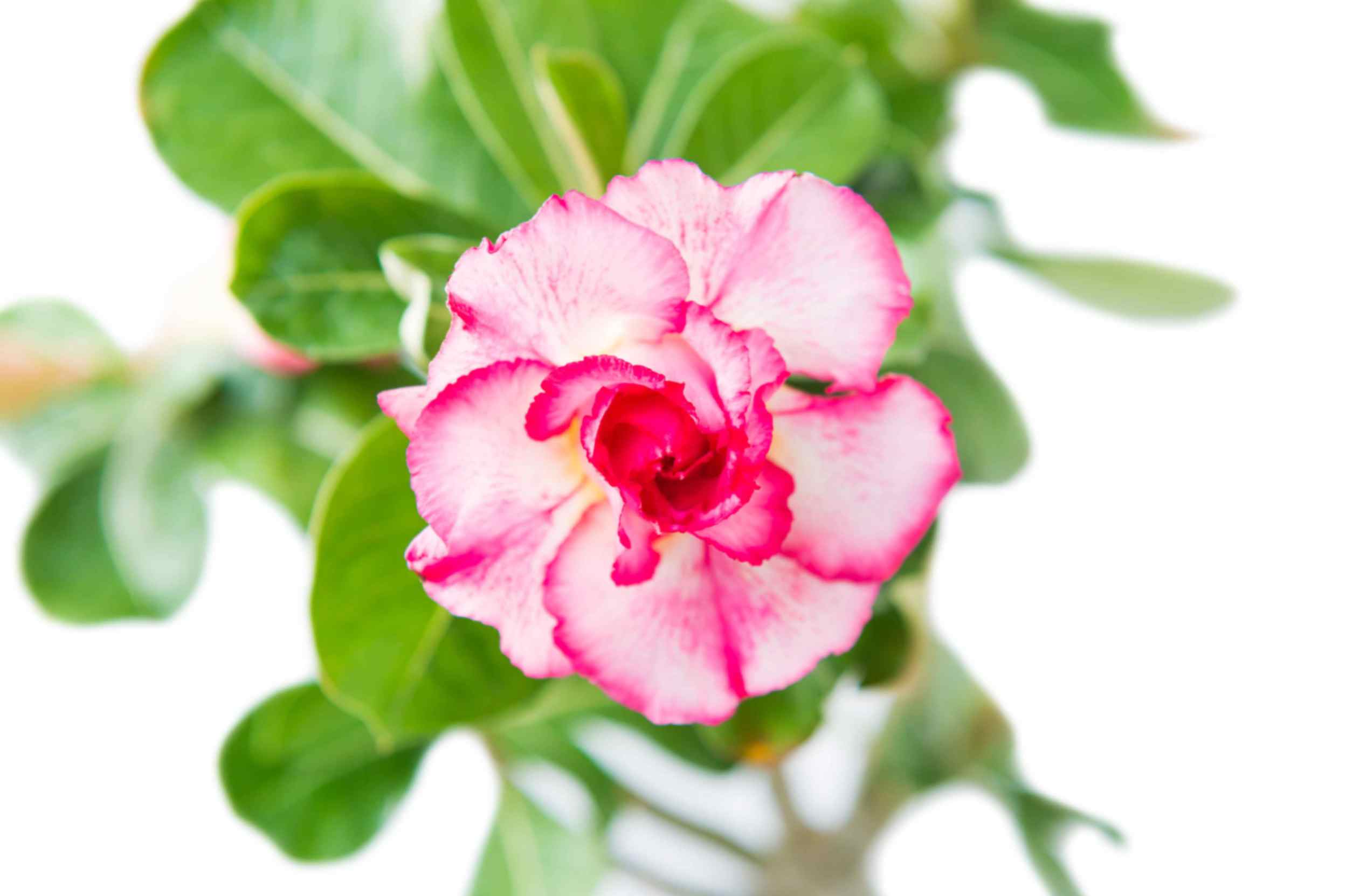
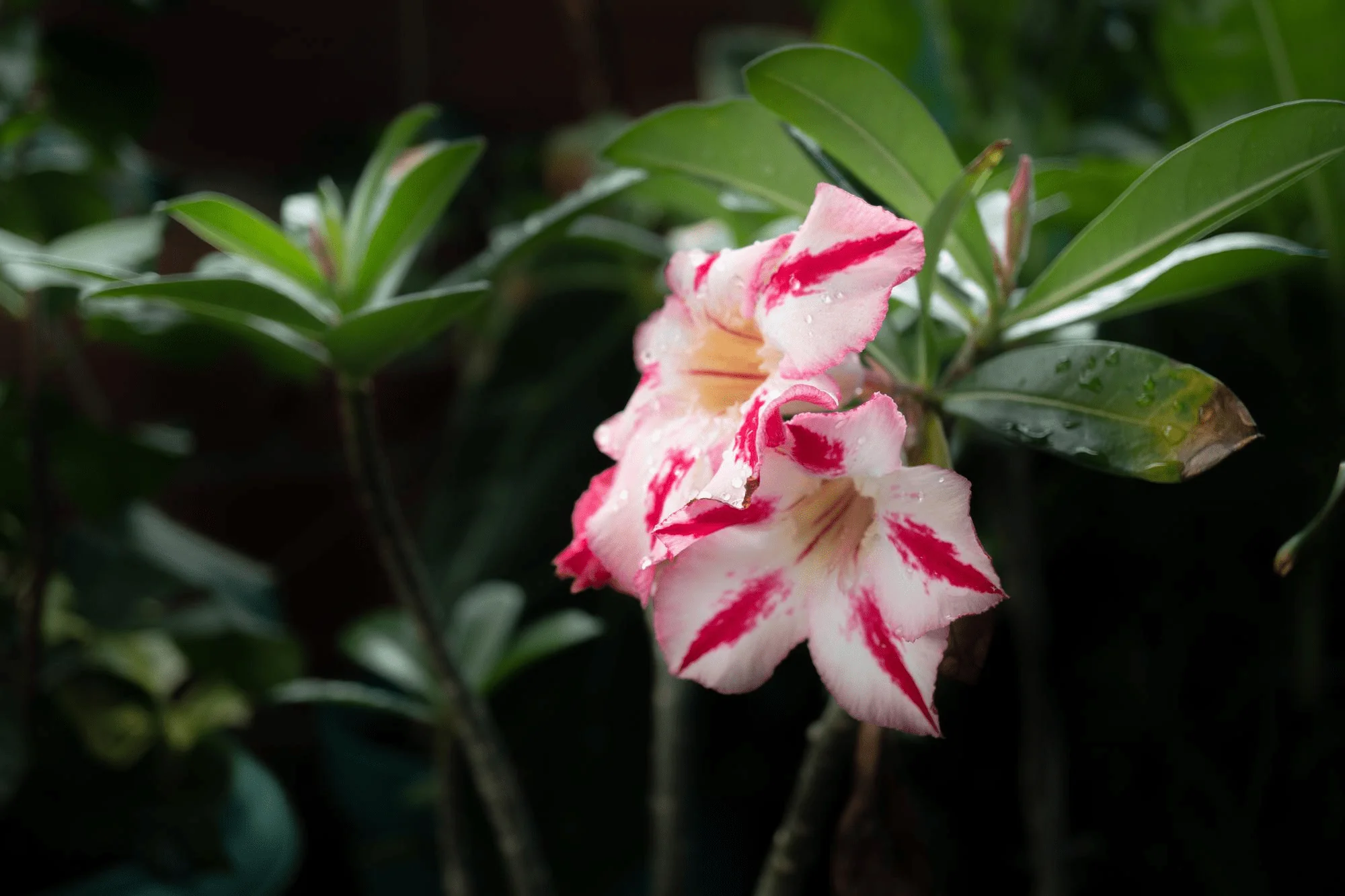
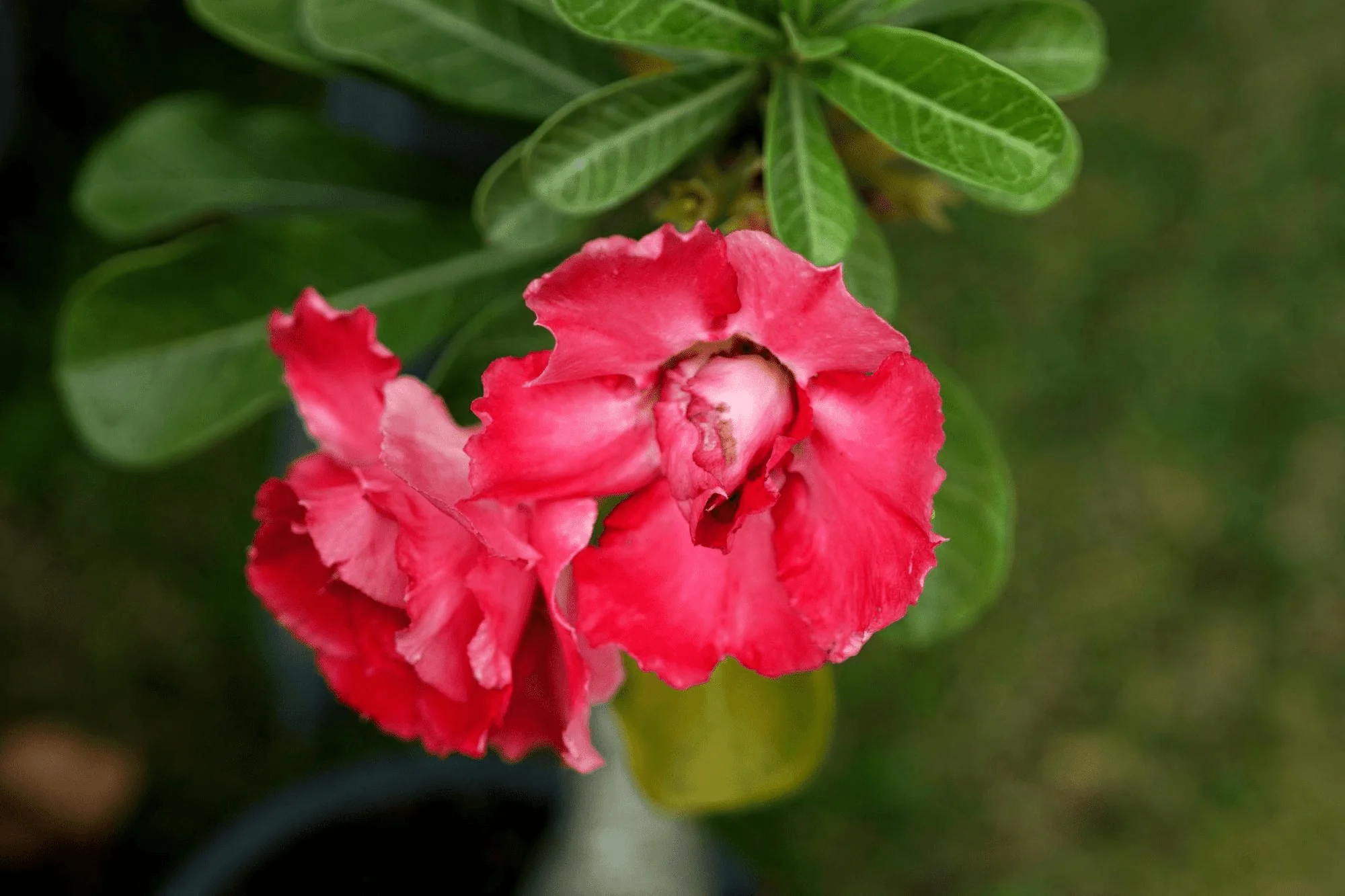
The Rosy Adenium (Adenium obesum) is a breathtaking succulent shrub, often called the Desert Rose, prized for its sculptural caudex base and stunning, trumpet-shaped flowers in rich rosy hues. Its unique combination of bonsai-like form and vivid blooms makes it a statement piece for both gardens and interiors, exuding exotic elegance and timeless charm.
✅ Origin and Natural Habitat
-
Native to arid and semi-arid regions of East Africa and the Arabian Peninsula.
-
Naturally thrives in hot, sunny climates with sandy, well-drained soils.
-
Endures droughts gracefully, storing water in its swollen base.
-
Commonly found in rocky outcrops and dry savannah landscapes.
✅ Perfect Placement for a Stunning Home Aesthetic
-
As a centerpiece on patios, balconies, or sunny decks.
-
On coffee tables, bookshelves, or office desks as a living sculpture.
-
In bonsai collections for its artistic trunk and floral beauty.
-
Near windows with ample sunlight for year-round appeal.
-
In decorative ceramic pots for a modern, minimalist look.
✅ Care Guide – From Nurturing to Blooming
-
Requires 5–6 hours of direct sunlight daily for prolific flowering.
-
Plant in sandy or cactus potting mix with excellent drainage.
-
Water thoroughly but allow the soil to dry completely between waterings.
-
Fertilize every 4–6 weeks during the growing season with an NPK 10-30-20 bloom booster or a low-nitrogen succulent fertilizer.
-
Prune lightly after flowering to shape and encourage new buds.
-
Reduce watering during dormancy in cooler months.
-
Avoid water on the caudex to prevent rot.
✅ Benefits of Growing Rosy Adenium
-
Striking floral display with minimal maintenance.
-
Unique caudex trunk adds architectural interest.
-
Perfect for bonsai enthusiasts and collectors of rare plants.
-
Drought-tolerant and ideal for warm climates.
-
Long-lasting blooms bring exotic beauty indoors or out.
✅ Common Problems and How to Avoid Them
-
Root rot from overwatering—always use fast-draining soil.
-
Yellowing leaves from poor light—place in bright, sunny spots.
-
Aphid or mealybug attacks—treat promptly with neem oil.
-
Weak flowering due to excess nitrogen—use bloom-specific fertilizers.
Product Information
Product Information
Shipping & Returns
Shipping & Returns
Adenium Bonsai
Adenium Bonsai
✅ Rosy Adenium – The Desert Rose in Full Bloom
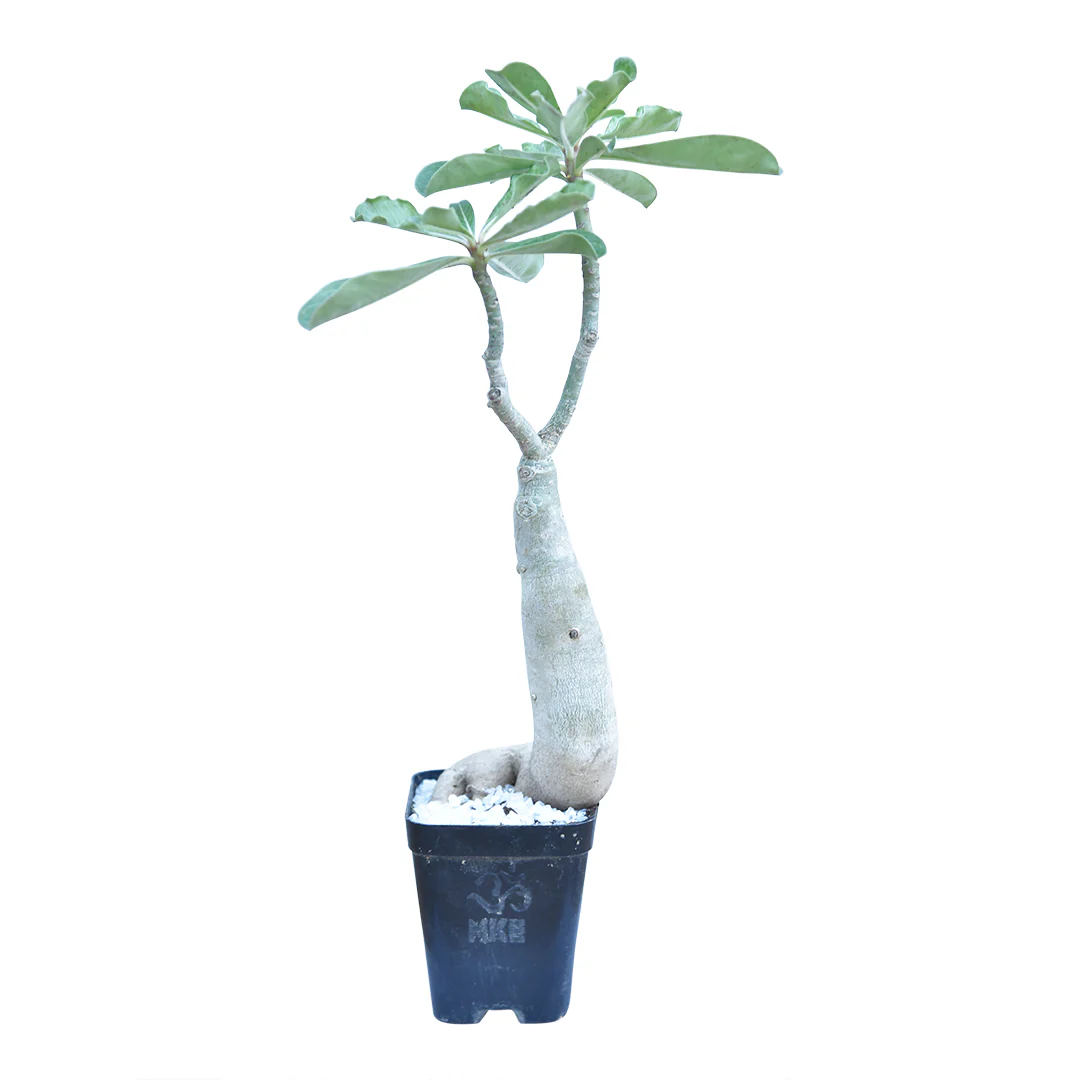
The Rosy Adenium (Adenium obesum) is a breathtaking succulent shrub, often called the Desert Rose, prized for its sculptural caudex base and stunning, trumpet-shaped flowers in rich rosy hues. Its unique combination of bonsai-like form and vivid blooms makes it a statement piece for both gardens and interiors, exuding exotic elegance and timeless charm.
✅ Origin and Natural Habitat
-
Native to arid and semi-arid regions of East Africa and the Arabian Peninsula.
-
Naturally thrives in hot, sunny climates with sandy, well-drained soils.
-
Endures droughts gracefully, storing water in its swollen base.
-
Commonly found in rocky outcrops and dry savannah landscapes.
✅ Perfect Placement for a Stunning Home Aesthetic
-
As a centerpiece on patios, balconies, or sunny decks.
-
On coffee tables, bookshelves, or office desks as a living sculpture.
-
In bonsai collections for its artistic trunk and floral beauty.
-
Near windows with ample sunlight for year-round appeal.
-
In decorative ceramic pots for a modern, minimalist look.
✅ Care Guide – From Nurturing to Blooming
-
Requires 5–6 hours of direct sunlight daily for prolific flowering.
-
Plant in sandy or cactus potting mix with excellent drainage.
-
Water thoroughly but allow the soil to dry completely between waterings.
-
Fertilize every 4–6 weeks during the growing season with an NPK 10-30-20 bloom booster or a low-nitrogen succulent fertilizer.
-
Prune lightly after flowering to shape and encourage new buds.
-
Reduce watering during dormancy in cooler months.
-
Avoid water on the caudex to prevent rot.
✅ Benefits of Growing Rosy Adenium
-
Striking floral display with minimal maintenance.
-
Unique caudex trunk adds architectural interest.
-
Perfect for bonsai enthusiasts and collectors of rare plants.
-
Drought-tolerant and ideal for warm climates.
-
Long-lasting blooms bring exotic beauty indoors or out.
✅ Common Problems and How to Avoid Them
-
Root rot from overwatering—always use fast-draining soil.
-
Yellowing leaves from poor light—place in bright, sunny spots.
-
Aphid or mealybug attacks—treat promptly with neem oil.
-
Weak flowering due to excess nitrogen—use bloom-specific fertilizers.
Original: $2.31
-70%$2.31
$0.69Product Information
Product Information
Shipping & Returns
Shipping & Returns
Description
✅ Rosy Adenium – The Desert Rose in Full Bloom
The Rosy Adenium (Adenium obesum) is a breathtaking succulent shrub, often called the Desert Rose, prized for its sculptural caudex base and stunning, trumpet-shaped flowers in rich rosy hues. Its unique combination of bonsai-like form and vivid blooms makes it a statement piece for both gardens and interiors, exuding exotic elegance and timeless charm.
✅ Origin and Natural Habitat
-
Native to arid and semi-arid regions of East Africa and the Arabian Peninsula.
-
Naturally thrives in hot, sunny climates with sandy, well-drained soils.
-
Endures droughts gracefully, storing water in its swollen base.
-
Commonly found in rocky outcrops and dry savannah landscapes.
✅ Perfect Placement for a Stunning Home Aesthetic
-
As a centerpiece on patios, balconies, or sunny decks.
-
On coffee tables, bookshelves, or office desks as a living sculpture.
-
In bonsai collections for its artistic trunk and floral beauty.
-
Near windows with ample sunlight for year-round appeal.
-
In decorative ceramic pots for a modern, minimalist look.
✅ Care Guide – From Nurturing to Blooming
-
Requires 5–6 hours of direct sunlight daily for prolific flowering.
-
Plant in sandy or cactus potting mix with excellent drainage.
-
Water thoroughly but allow the soil to dry completely between waterings.
-
Fertilize every 4–6 weeks during the growing season with an NPK 10-30-20 bloom booster or a low-nitrogen succulent fertilizer.
-
Prune lightly after flowering to shape and encourage new buds.
-
Reduce watering during dormancy in cooler months.
-
Avoid water on the caudex to prevent rot.
✅ Benefits of Growing Rosy Adenium
-
Striking floral display with minimal maintenance.
-
Unique caudex trunk adds architectural interest.
-
Perfect for bonsai enthusiasts and collectors of rare plants.
-
Drought-tolerant and ideal for warm climates.
-
Long-lasting blooms bring exotic beauty indoors or out.
✅ Common Problems and How to Avoid Them
-
Root rot from overwatering—always use fast-draining soil.
-
Yellowing leaves from poor light—place in bright, sunny spots.
-
Aphid or mealybug attacks—treat promptly with neem oil.
-
Weak flowering due to excess nitrogen—use bloom-specific fertilizers.