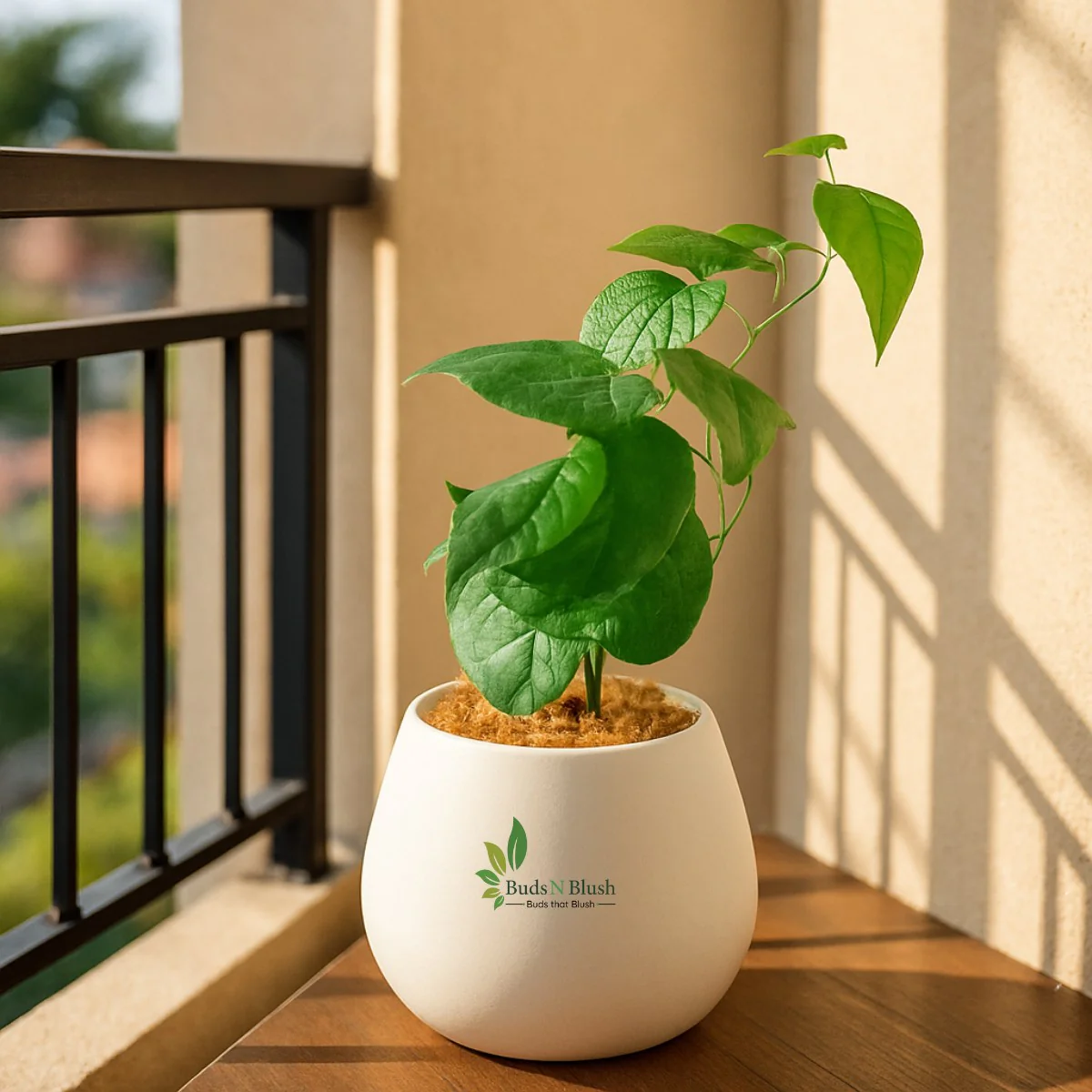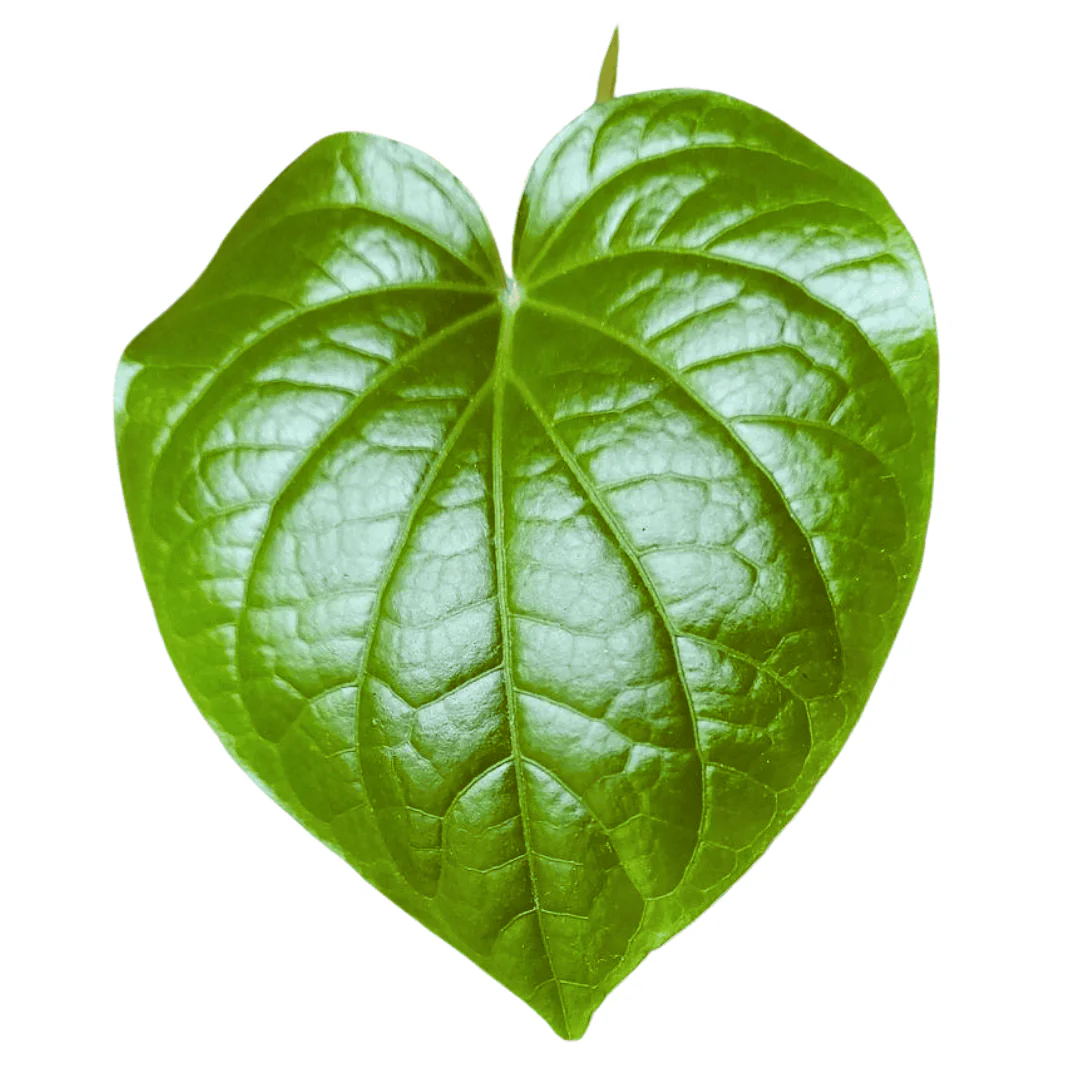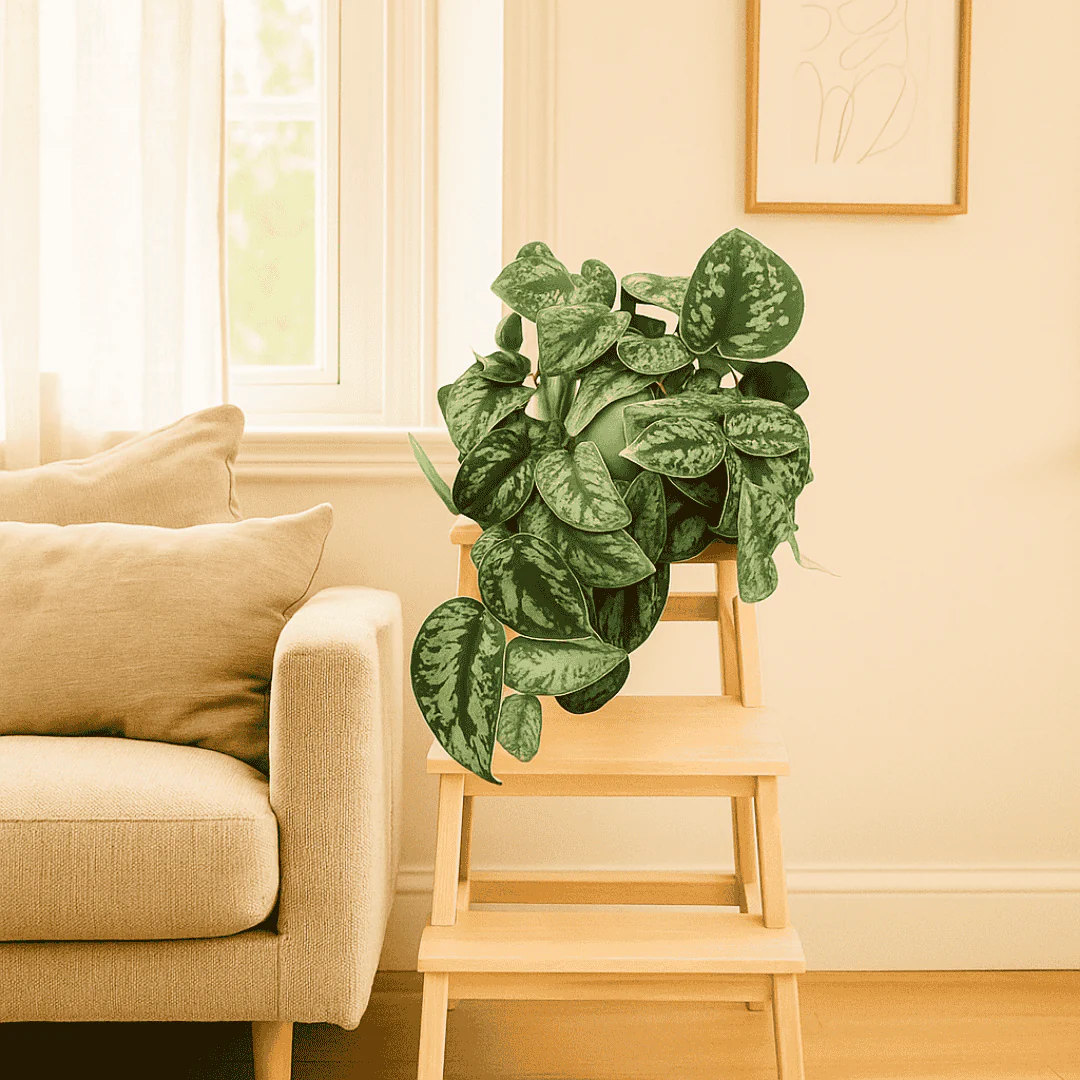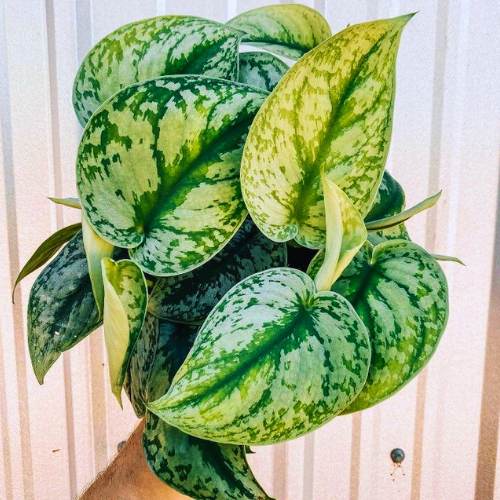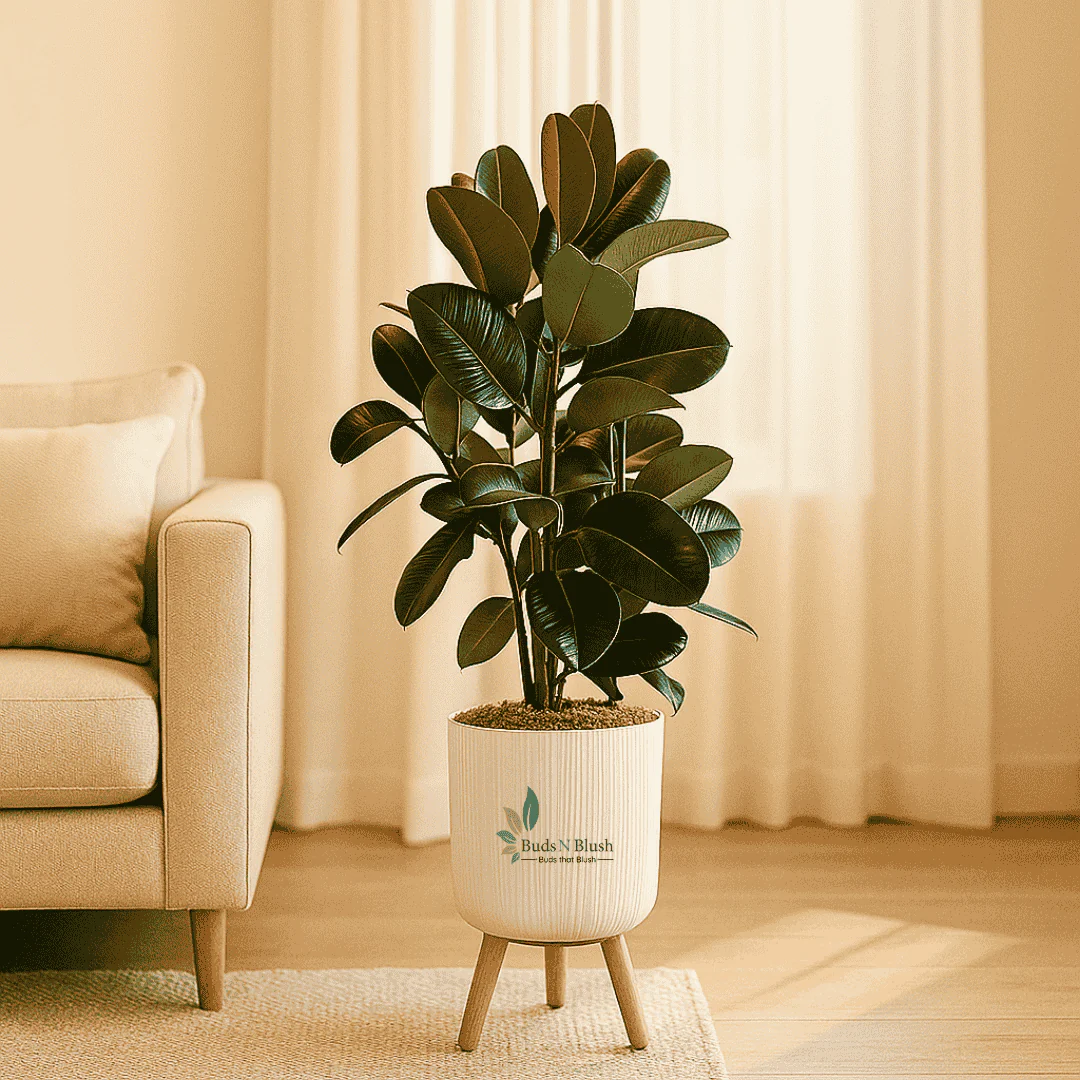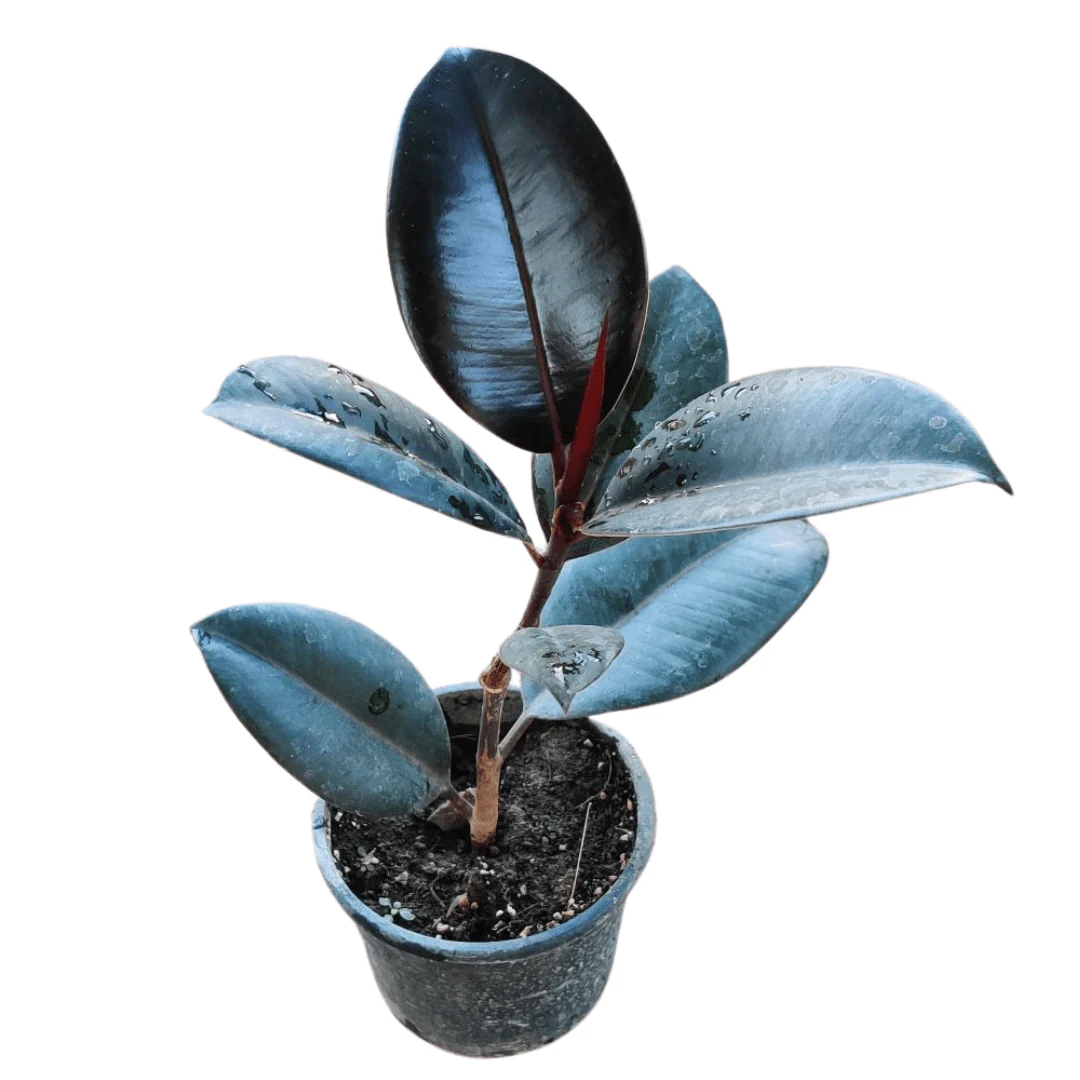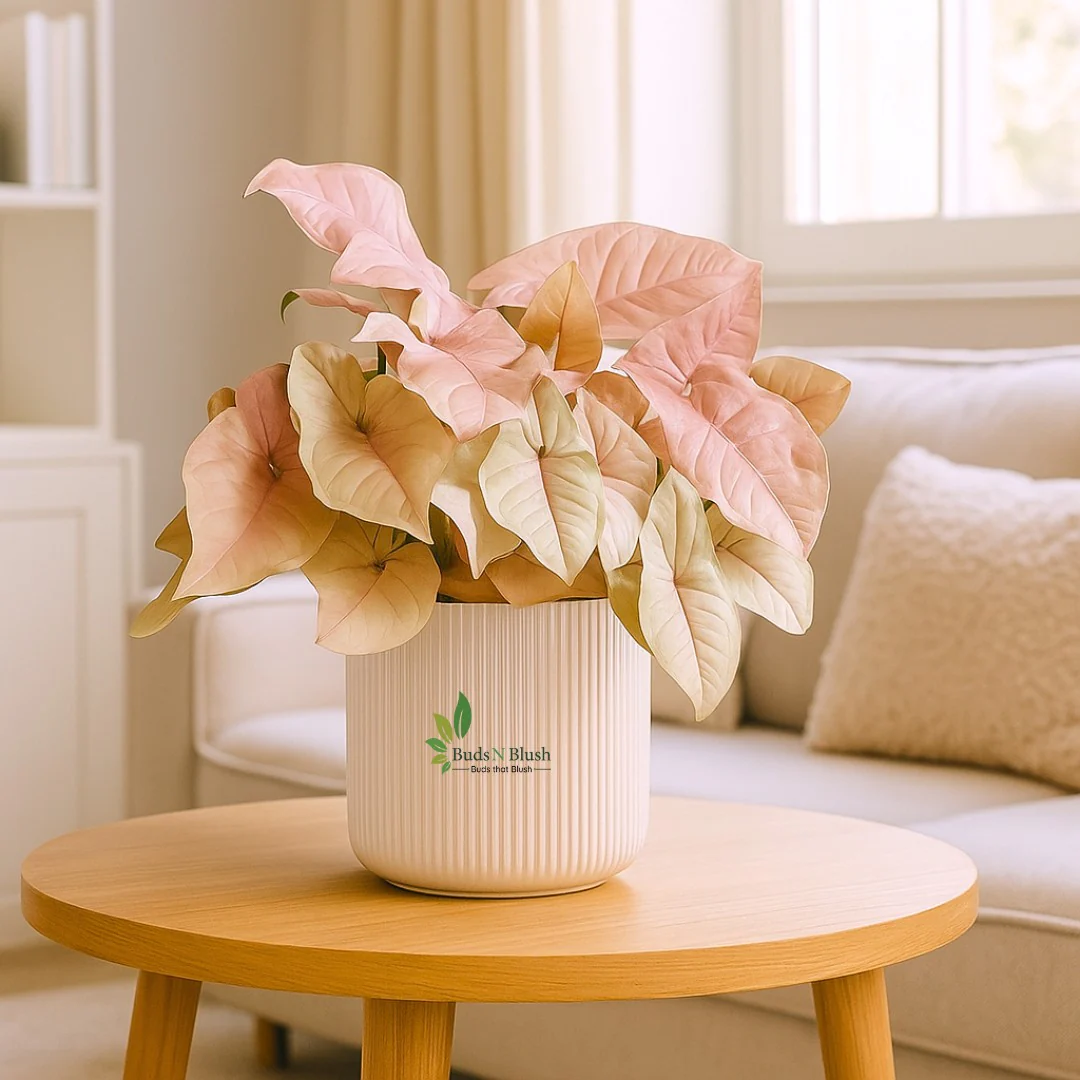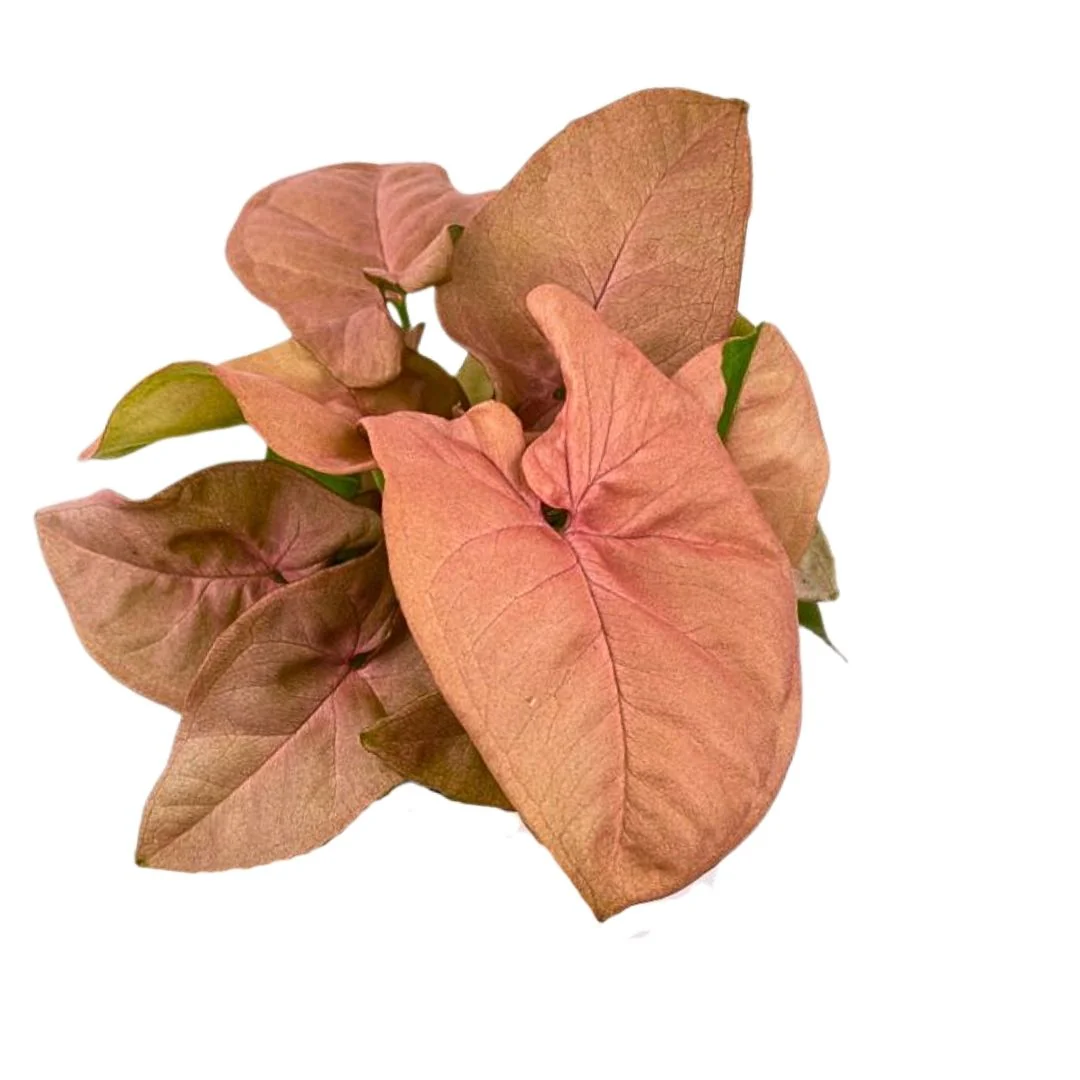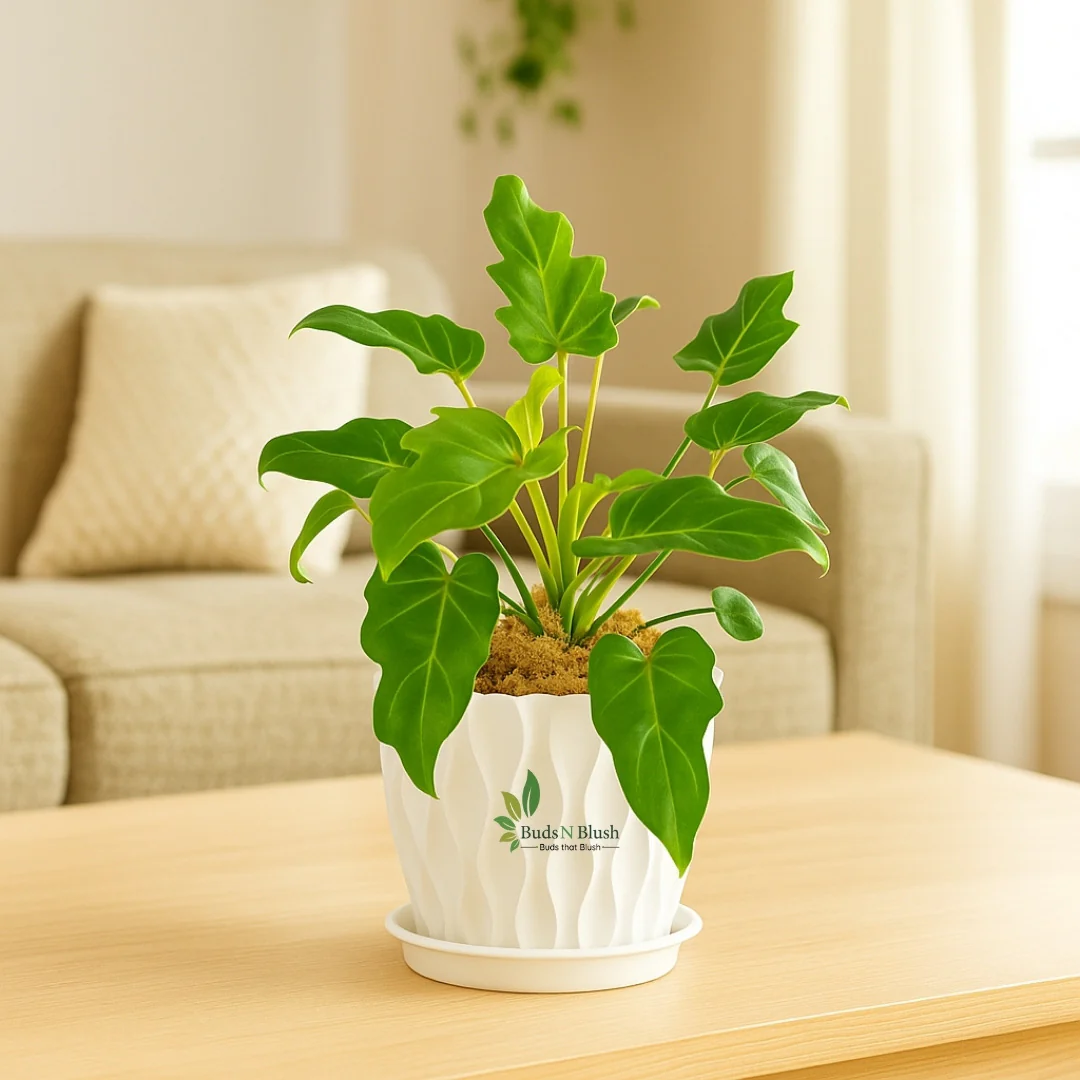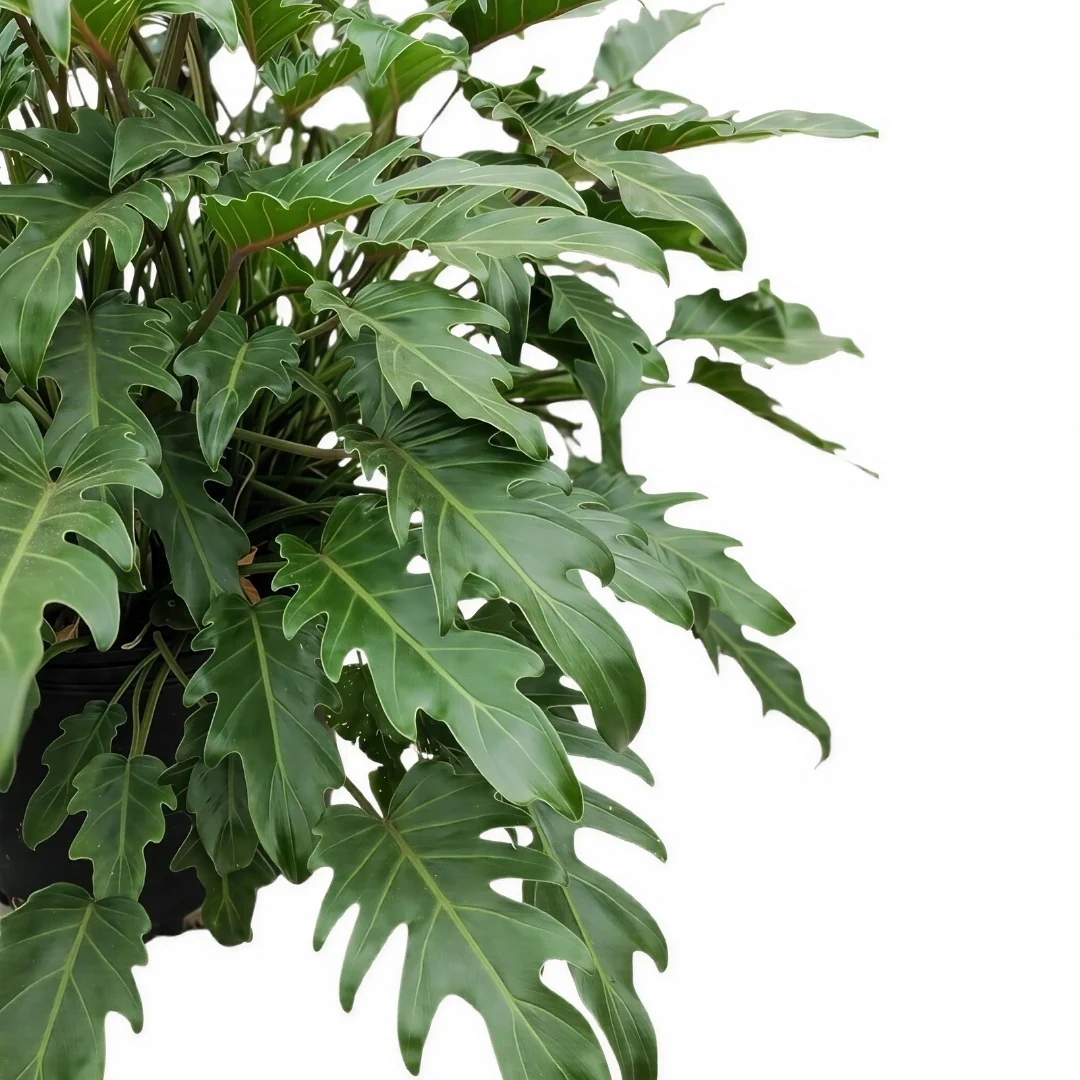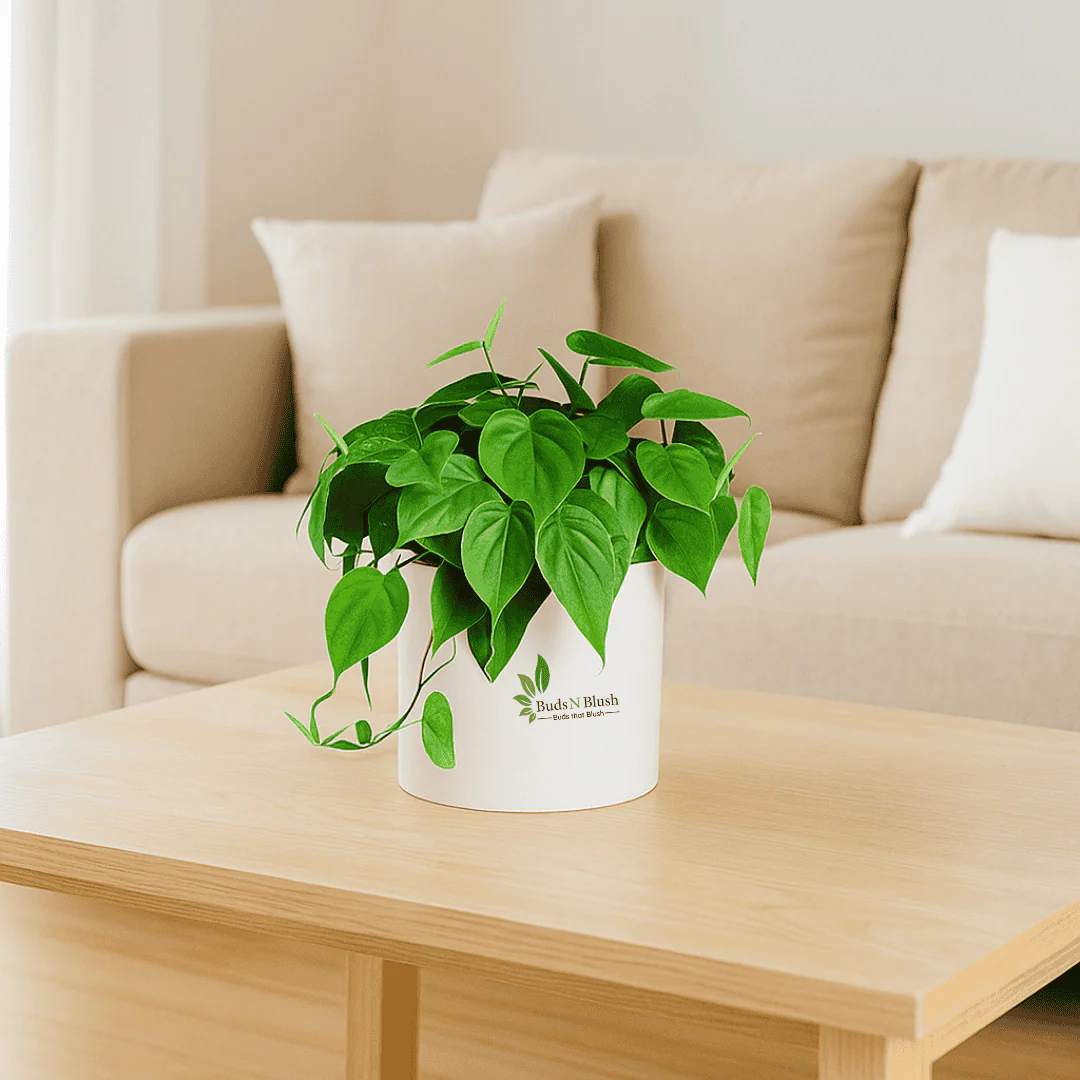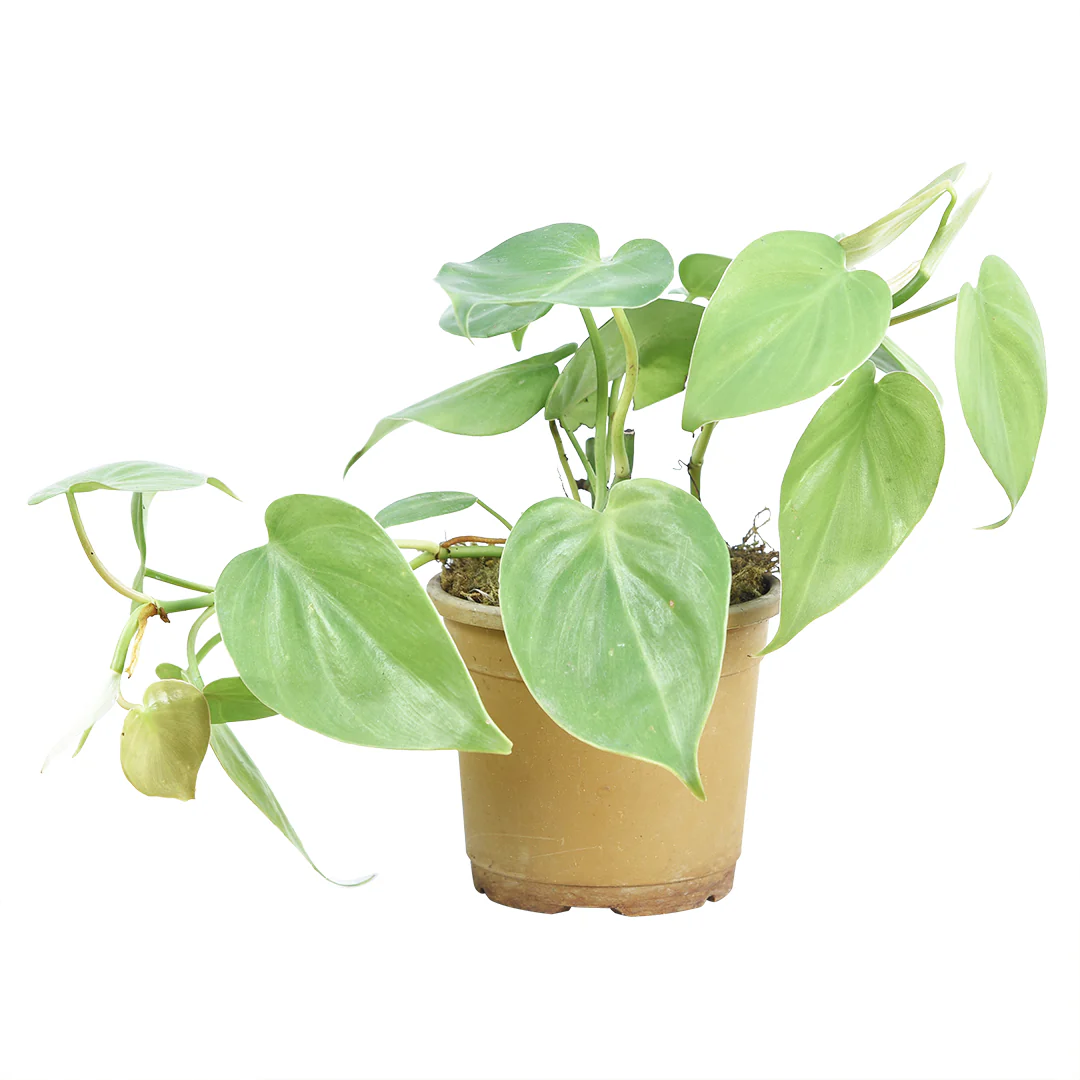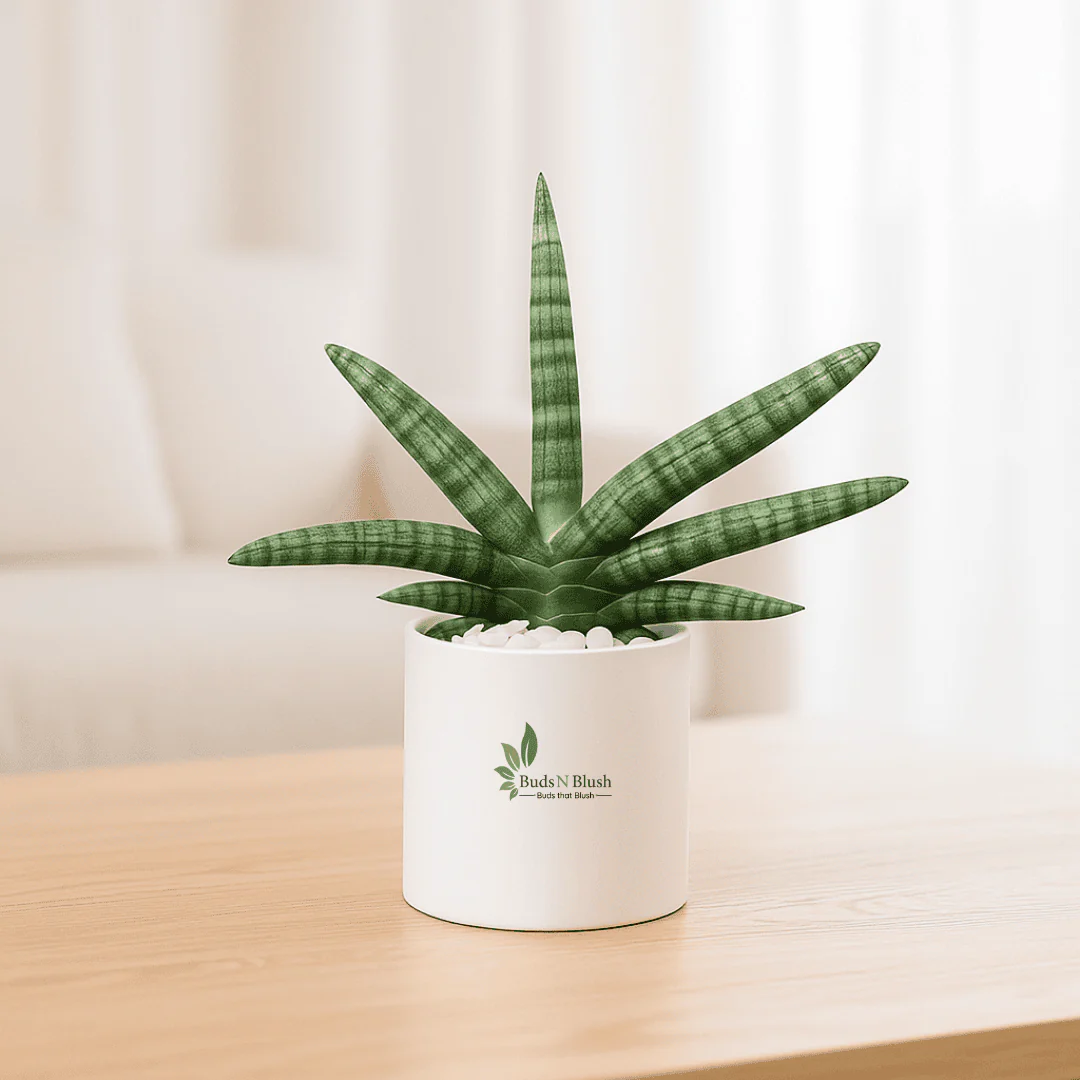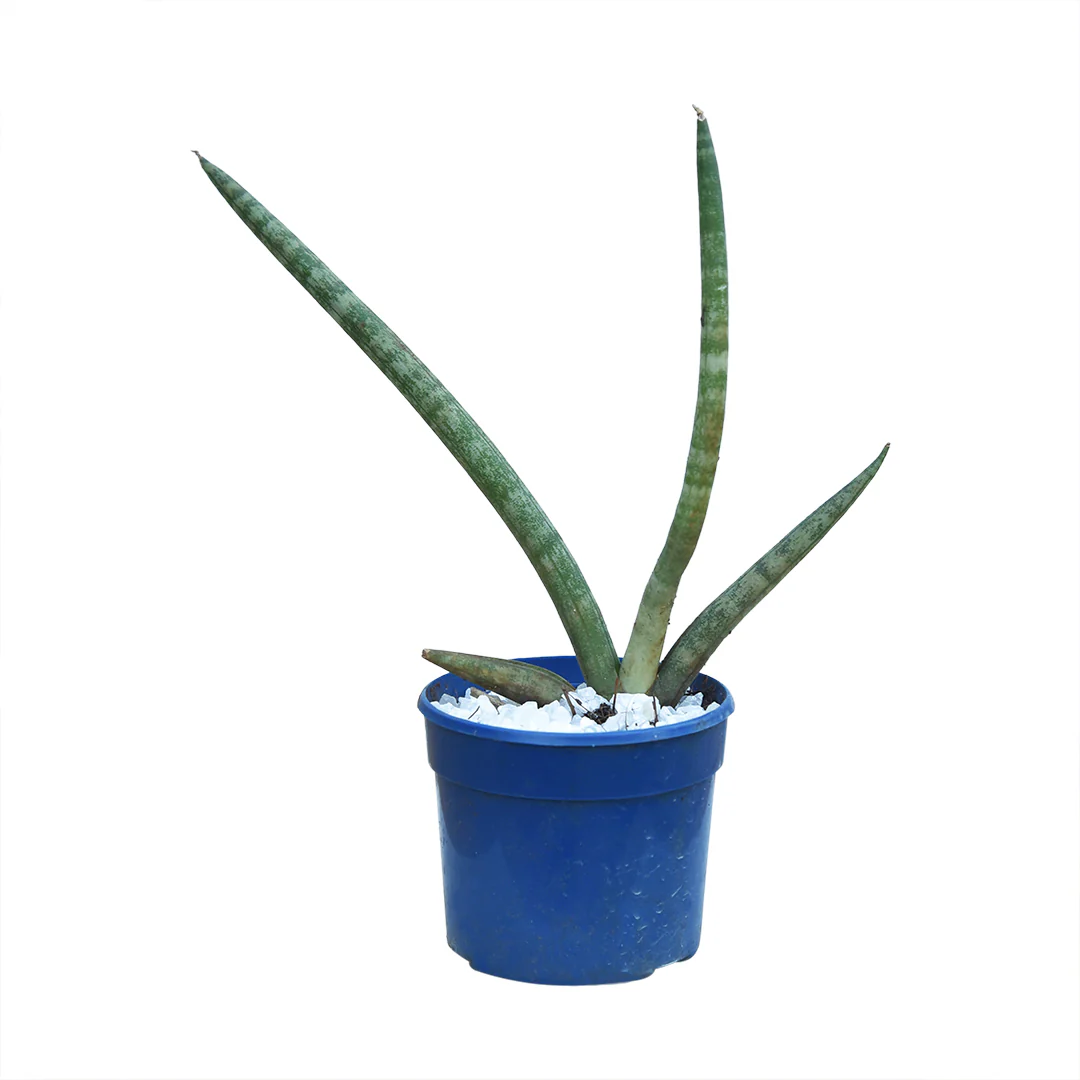
Ficus Triangularis Variegated
✅ Ficus Triangularis ‘Variegata’ – A Rare Geometric Wonder with Elegant Variegation
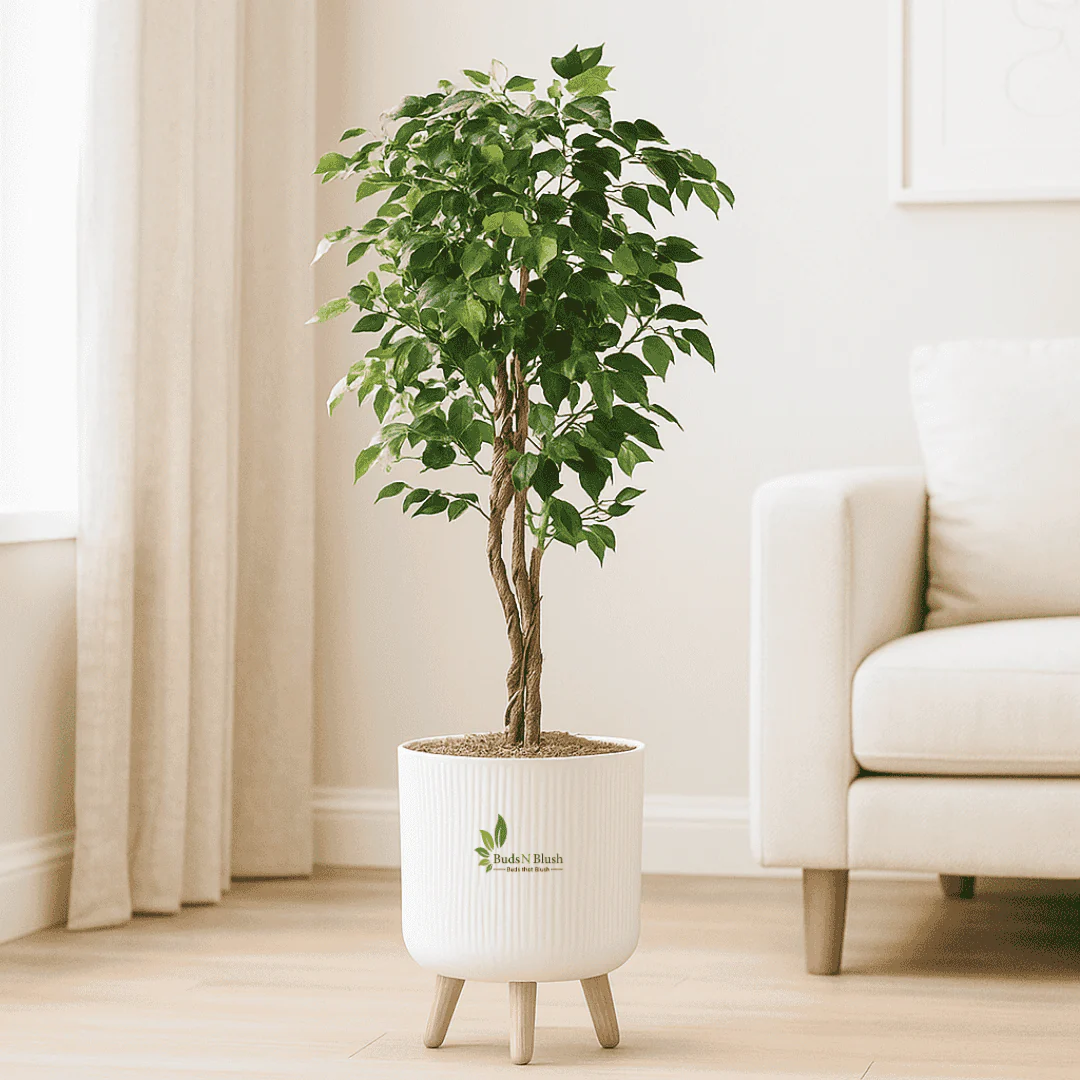
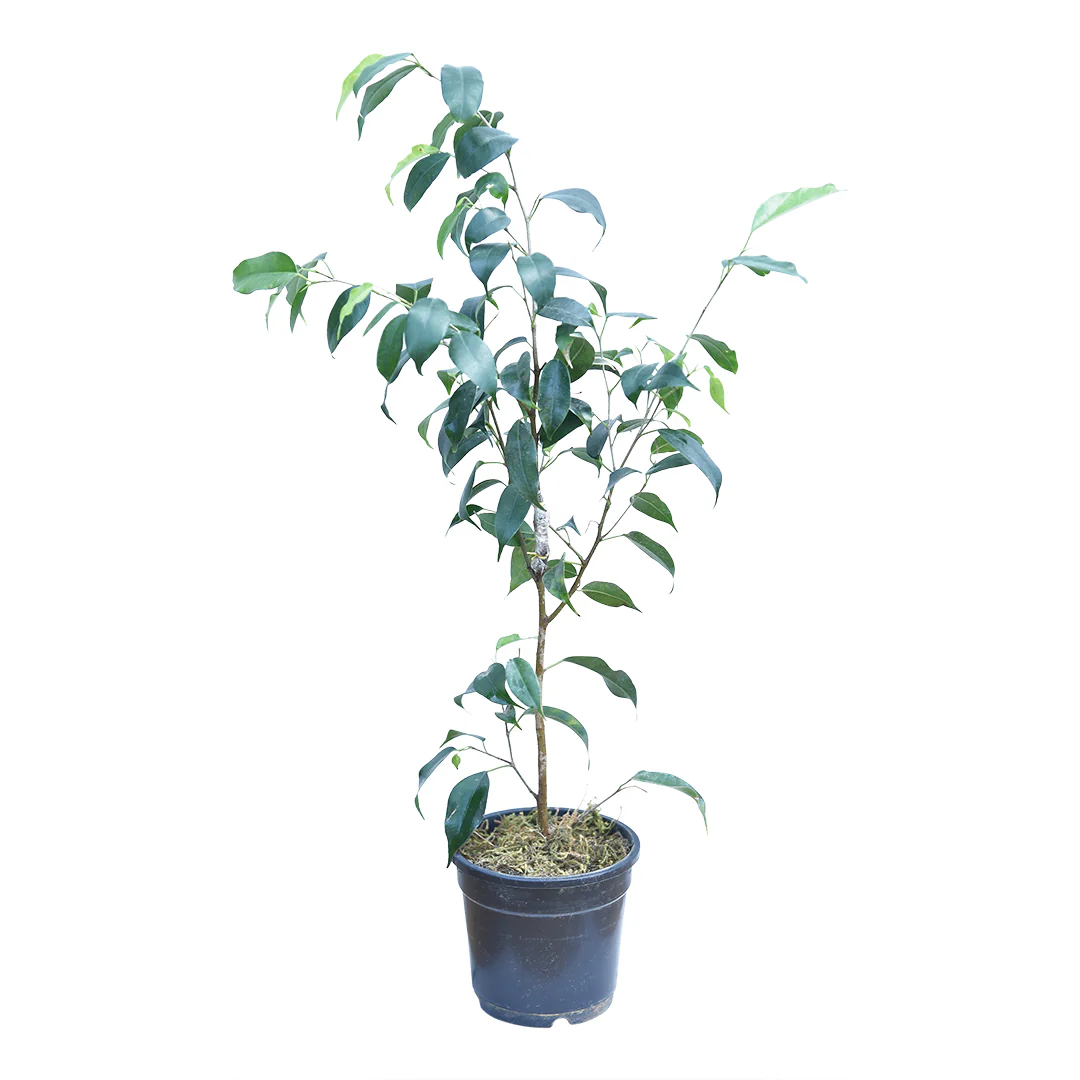
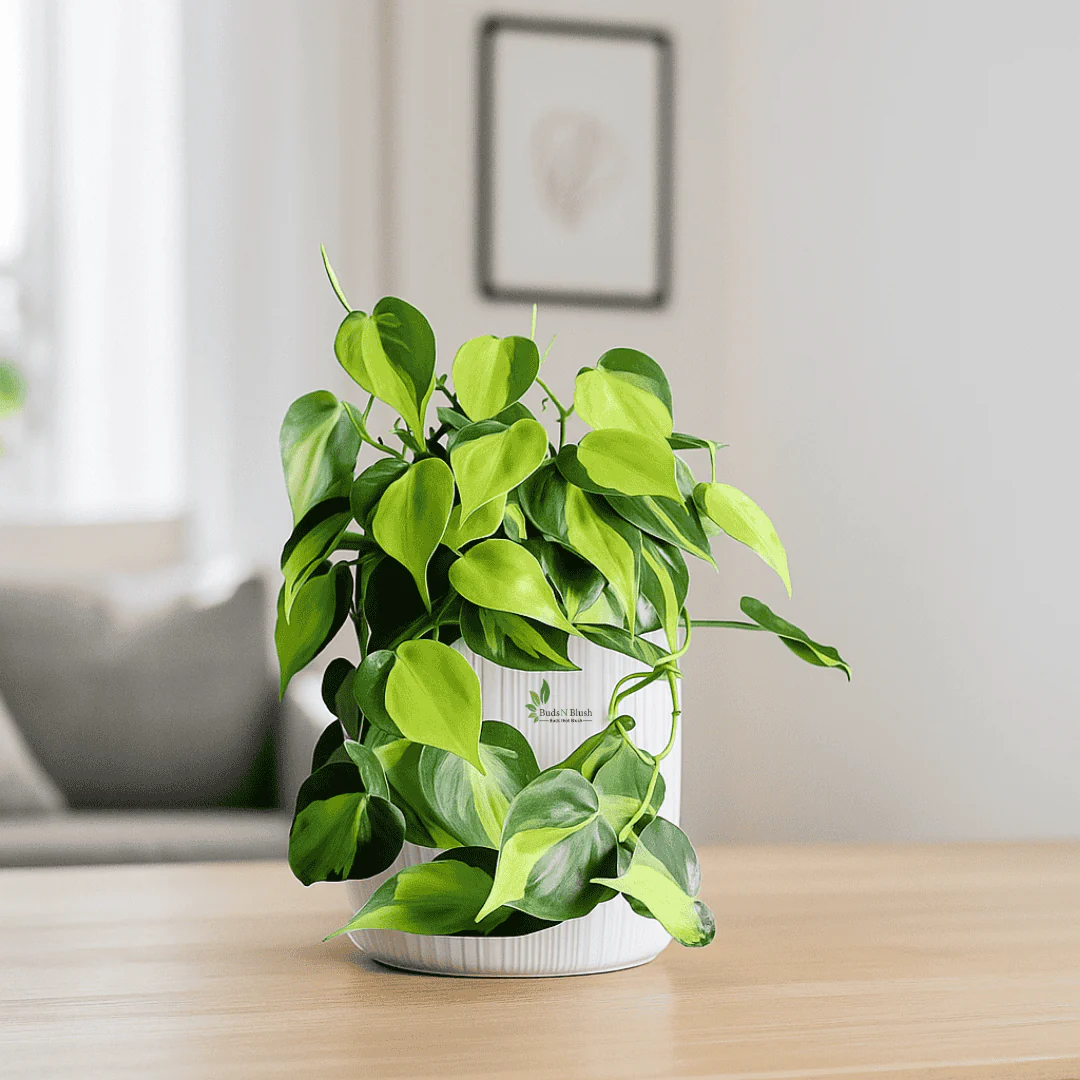
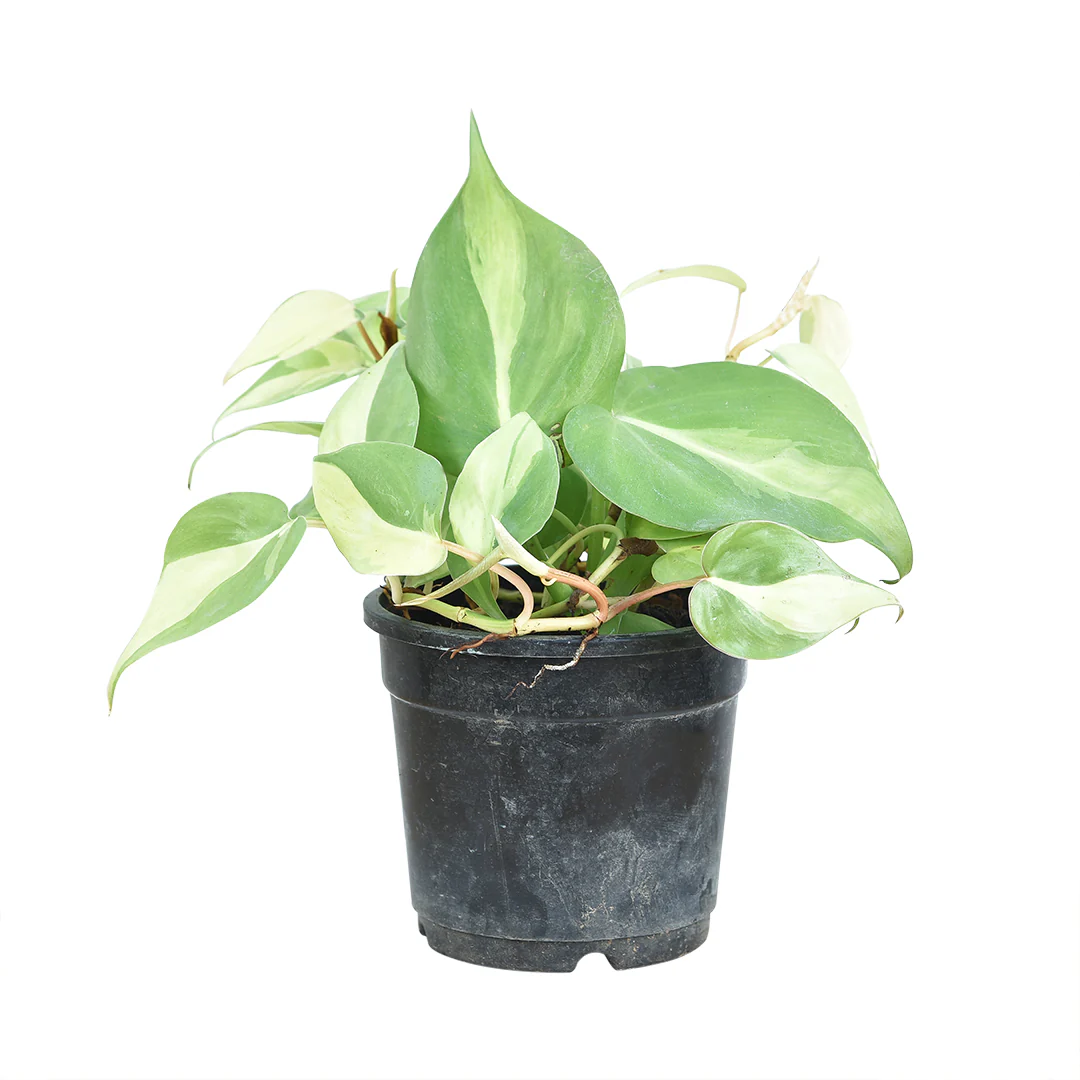
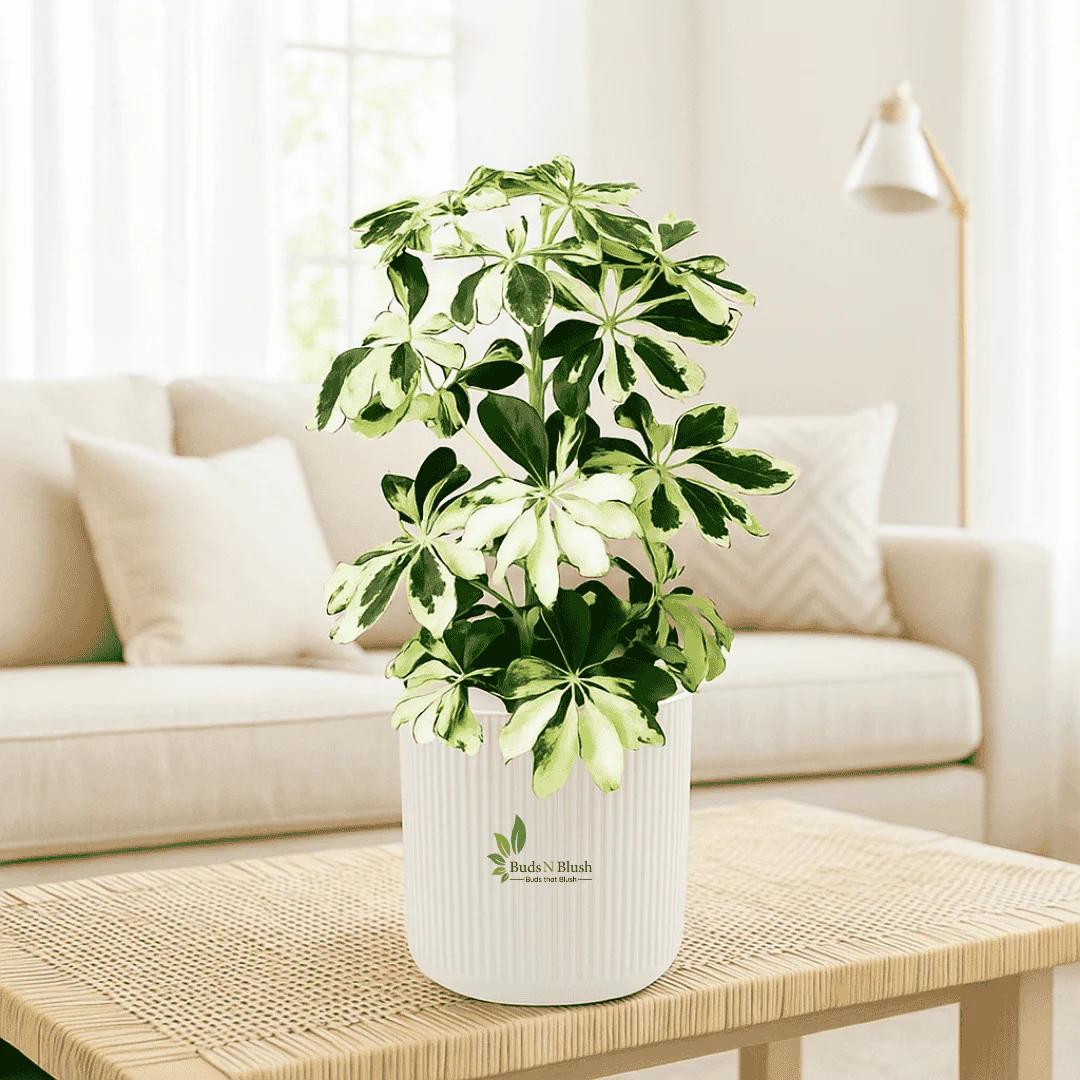
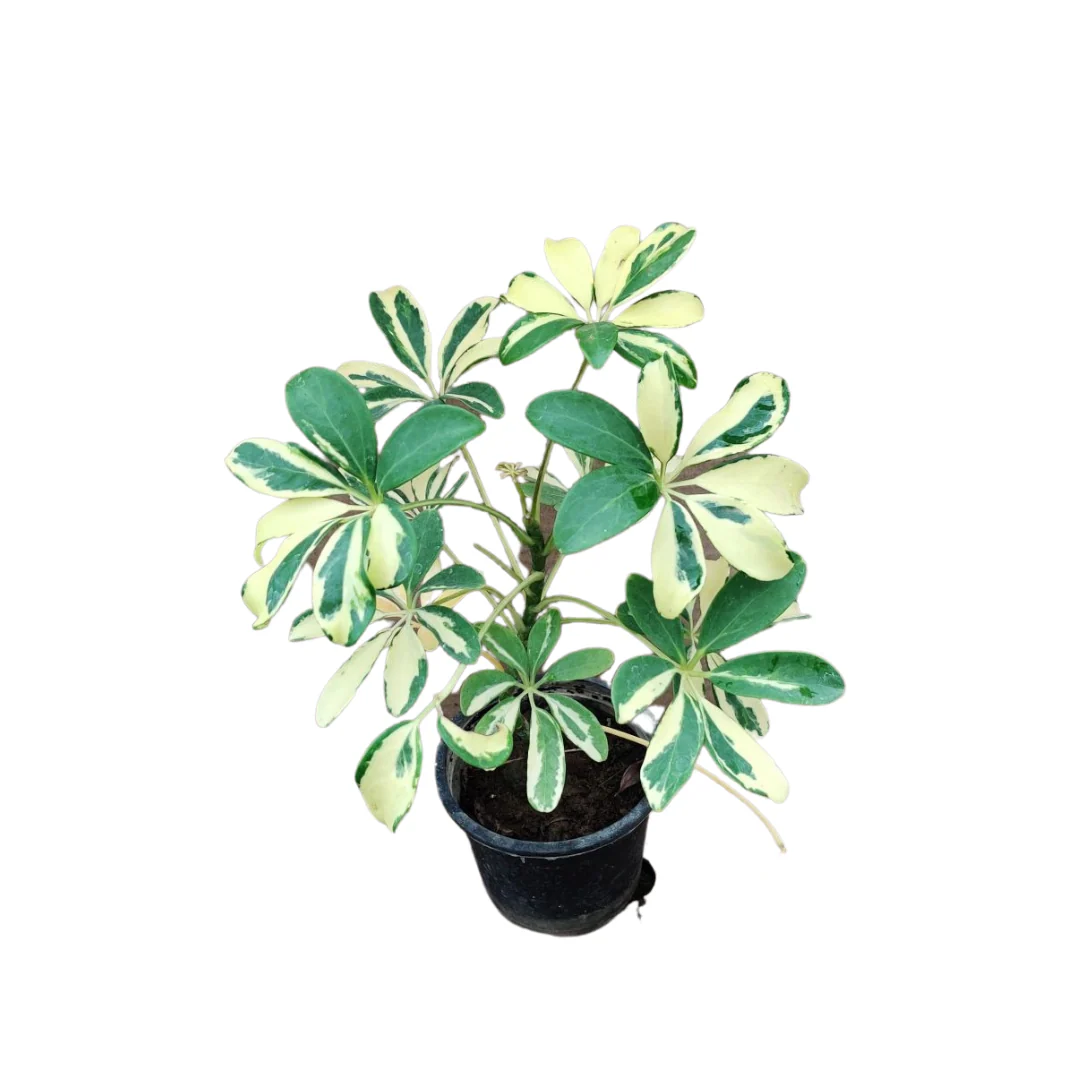
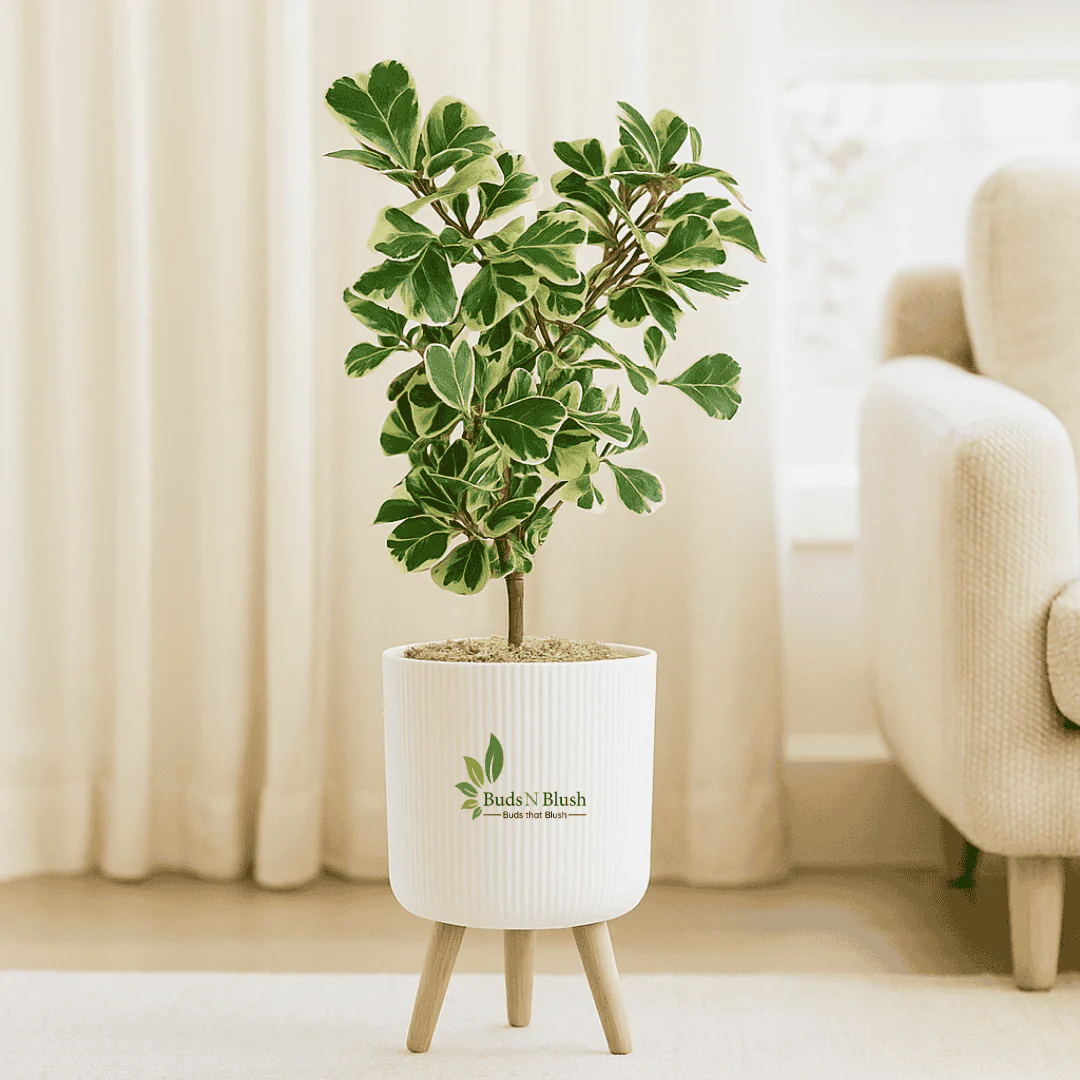
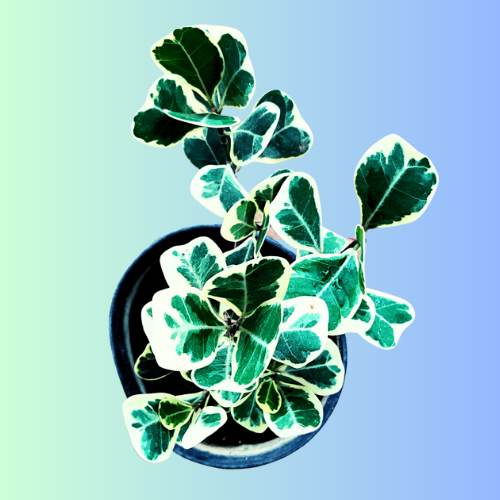
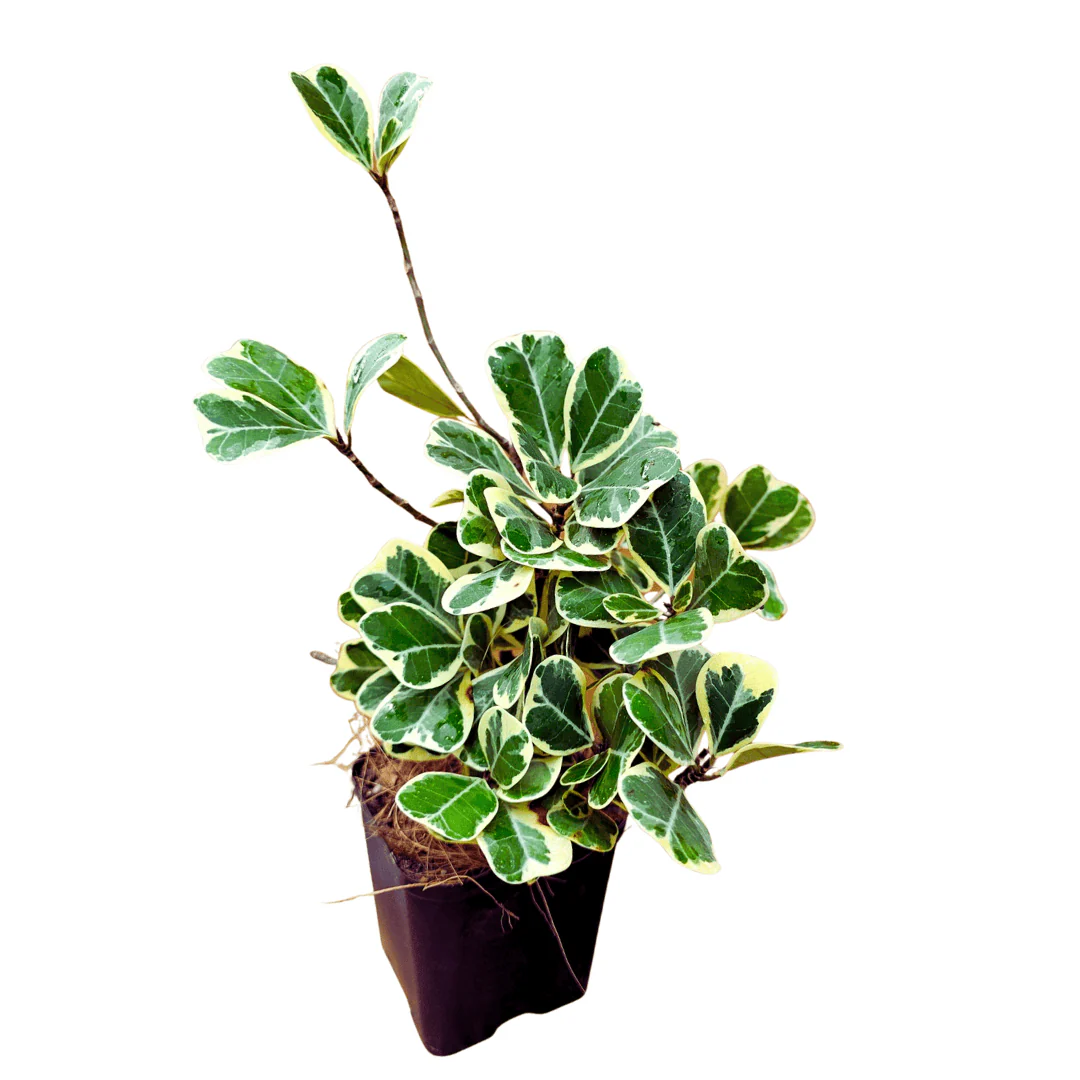
Ficus triangularis ‘Variegata’ is a rare and eye-catching houseplant known for its uniquely shaped, triangle-like leaves edged in creamy-white variegation. Native to tropical regions of Africa, this slow-growing ficus brings a refined, structured beauty to interiors—often admired for its symmetrical foliage and easygoing nature.
Its compact, tree-like habit and ornamental leaves make it a premium choice for plant collectors and stylists seeking something sculptural yet low maintenance. Indoors, it typically reaches 2–4 feet in height with steady, healthy growth.
✅ Where to Place (Styling and Positioning Tips)
-
Thrives in bright, indirect light to preserve its beautiful variegation
-
Ideal for bright corners, windowsills, or as a tabletop tree
-
Pairs perfectly with modern, minimalist, or Scandinavian interiors
-
Great for living rooms, bedrooms, offices, or entryways
-
Avoid placing in low light or overly shady spots, which dulls variegation
-
Keep away from cold drafts or sudden environmental changes
✅ Benefits and Design Impact (Why It Belongs in Your Space)
-
Distinct triangular leaves offer unique form and texture
-
Variegated foliage brings lightness and pattern to plant displays
-
Compact growth makes it suitable for small spaces and apartments
-
Air-purifying qualities enhance indoor air quality
-
Rare and visually striking—a perfect collector’s item
-
Low maintenance and long-lived under stable conditions
✅ Care Guide (Simple and Effective)
-
Light: Needs bright, indirect light; too little light reduces variegation
-
Water: Allow the top 1–2 inches of soil to dry between waterings
-
Soil: Use a well-draining potting mix; avoid heavy or compacted soils
-
Humidity: Moderate humidity preferred; mist occasionally in dry air
-
Temperature: Keep between (18–43°C); protect from cold drafts
-
Fertilizer: Feed once a month in spring and summer with balanced liquid fertilizer
-
Maintenance: Prune lightly to shape and remove faded or damaged leaves
-
Repotting: Every 2–3 years, or when visibly rootbound
✅ Common Problems and Troubleshooting (Keep It Looking Its Best)
-
Leaf drop may occur after sudden changes in light or watering schedule
-
Yellow leaves can indicate overwatering or poor drainage
-
Faded or all-green leaves suggest insufficient light
-
Leaf browning may occur in dry environments—boost humidity if needed
-
Watch for pests like scale, spider mites, or mealybugs—treat early with neem oil
-
Sensitive to relocation—choose a spot and let it settle for best results
Product Information
Product Information
Shipping & Returns
Shipping & Returns
Ficus Triangularis Variegated
Ficus Triangularis Variegated
✅ Ficus Triangularis ‘Variegata’ – A Rare Geometric Wonder with Elegant Variegation
Ficus triangularis ‘Variegata’ is a rare and eye-catching houseplant known for its uniquely shaped, triangle-like leaves edged in creamy-white variegation. Native to tropical regions of Africa, this slow-growing ficus brings a refined, structured beauty to interiors—often admired for its symmetrical foliage and easygoing nature.
Its compact, tree-like habit and ornamental leaves make it a premium choice for plant collectors and stylists seeking something sculptural yet low maintenance. Indoors, it typically reaches 2–4 feet in height with steady, healthy growth.
✅ Where to Place (Styling and Positioning Tips)
-
Thrives in bright, indirect light to preserve its beautiful variegation
-
Ideal for bright corners, windowsills, or as a tabletop tree
-
Pairs perfectly with modern, minimalist, or Scandinavian interiors
-
Great for living rooms, bedrooms, offices, or entryways
-
Avoid placing in low light or overly shady spots, which dulls variegation
-
Keep away from cold drafts or sudden environmental changes
✅ Benefits and Design Impact (Why It Belongs in Your Space)
-
Distinct triangular leaves offer unique form and texture
-
Variegated foliage brings lightness and pattern to plant displays
-
Compact growth makes it suitable for small spaces and apartments
-
Air-purifying qualities enhance indoor air quality
-
Rare and visually striking—a perfect collector’s item
-
Low maintenance and long-lived under stable conditions
✅ Care Guide (Simple and Effective)
-
Light: Needs bright, indirect light; too little light reduces variegation
-
Water: Allow the top 1–2 inches of soil to dry between waterings
-
Soil: Use a well-draining potting mix; avoid heavy or compacted soils
-
Humidity: Moderate humidity preferred; mist occasionally in dry air
-
Temperature: Keep between (18–43°C); protect from cold drafts
-
Fertilizer: Feed once a month in spring and summer with balanced liquid fertilizer
-
Maintenance: Prune lightly to shape and remove faded or damaged leaves
-
Repotting: Every 2–3 years, or when visibly rootbound
✅ Common Problems and Troubleshooting (Keep It Looking Its Best)
-
Leaf drop may occur after sudden changes in light or watering schedule
-
Yellow leaves can indicate overwatering or poor drainage
-
Faded or all-green leaves suggest insufficient light
-
Leaf browning may occur in dry environments—boost humidity if needed
-
Watch for pests like scale, spider mites, or mealybugs—treat early with neem oil
-
Sensitive to relocation—choose a spot and let it settle for best results
Original: $3.00
-70%$3.00
$0.90Product Information
Product Information
Shipping & Returns
Shipping & Returns
Description
✅ Ficus Triangularis ‘Variegata’ – A Rare Geometric Wonder with Elegant Variegation
Ficus triangularis ‘Variegata’ is a rare and eye-catching houseplant known for its uniquely shaped, triangle-like leaves edged in creamy-white variegation. Native to tropical regions of Africa, this slow-growing ficus brings a refined, structured beauty to interiors—often admired for its symmetrical foliage and easygoing nature.
Its compact, tree-like habit and ornamental leaves make it a premium choice for plant collectors and stylists seeking something sculptural yet low maintenance. Indoors, it typically reaches 2–4 feet in height with steady, healthy growth.
✅ Where to Place (Styling and Positioning Tips)
-
Thrives in bright, indirect light to preserve its beautiful variegation
-
Ideal for bright corners, windowsills, or as a tabletop tree
-
Pairs perfectly with modern, minimalist, or Scandinavian interiors
-
Great for living rooms, bedrooms, offices, or entryways
-
Avoid placing in low light or overly shady spots, which dulls variegation
-
Keep away from cold drafts or sudden environmental changes
✅ Benefits and Design Impact (Why It Belongs in Your Space)
-
Distinct triangular leaves offer unique form and texture
-
Variegated foliage brings lightness and pattern to plant displays
-
Compact growth makes it suitable for small spaces and apartments
-
Air-purifying qualities enhance indoor air quality
-
Rare and visually striking—a perfect collector’s item
-
Low maintenance and long-lived under stable conditions
✅ Care Guide (Simple and Effective)
-
Light: Needs bright, indirect light; too little light reduces variegation
-
Water: Allow the top 1–2 inches of soil to dry between waterings
-
Soil: Use a well-draining potting mix; avoid heavy or compacted soils
-
Humidity: Moderate humidity preferred; mist occasionally in dry air
-
Temperature: Keep between (18–43°C); protect from cold drafts
-
Fertilizer: Feed once a month in spring and summer with balanced liquid fertilizer
-
Maintenance: Prune lightly to shape and remove faded or damaged leaves
-
Repotting: Every 2–3 years, or when visibly rootbound
✅ Common Problems and Troubleshooting (Keep It Looking Its Best)
-
Leaf drop may occur after sudden changes in light or watering schedule
-
Yellow leaves can indicate overwatering or poor drainage
-
Faded or all-green leaves suggest insufficient light
-
Leaf browning may occur in dry environments—boost humidity if needed
-
Watch for pests like scale, spider mites, or mealybugs—treat early with neem oil
-
Sensitive to relocation—choose a spot and let it settle for best results