Pitcher Plant, Insectivorous Plants
✅ Pitcher Plant – The Exotic Carnivorous Wonder
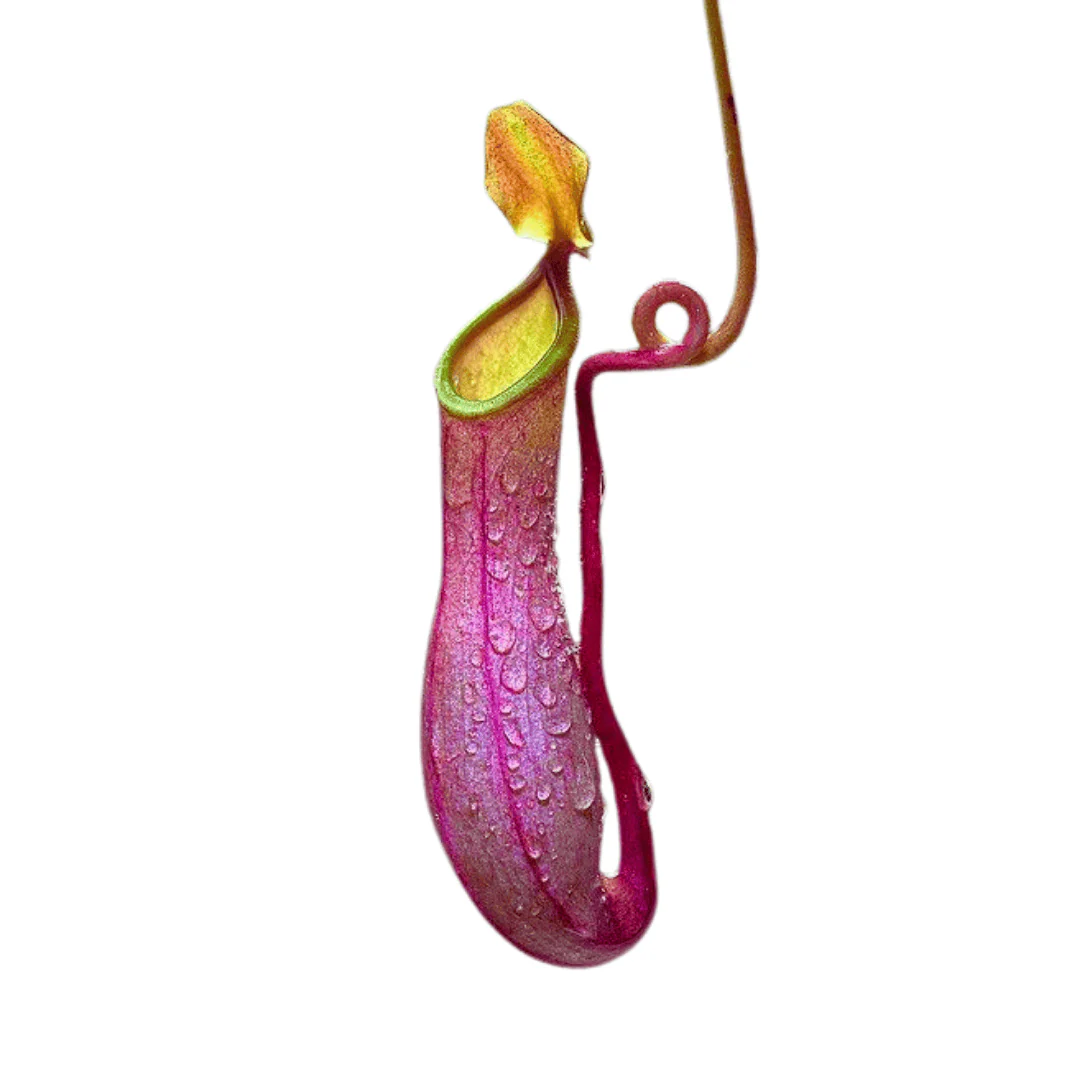
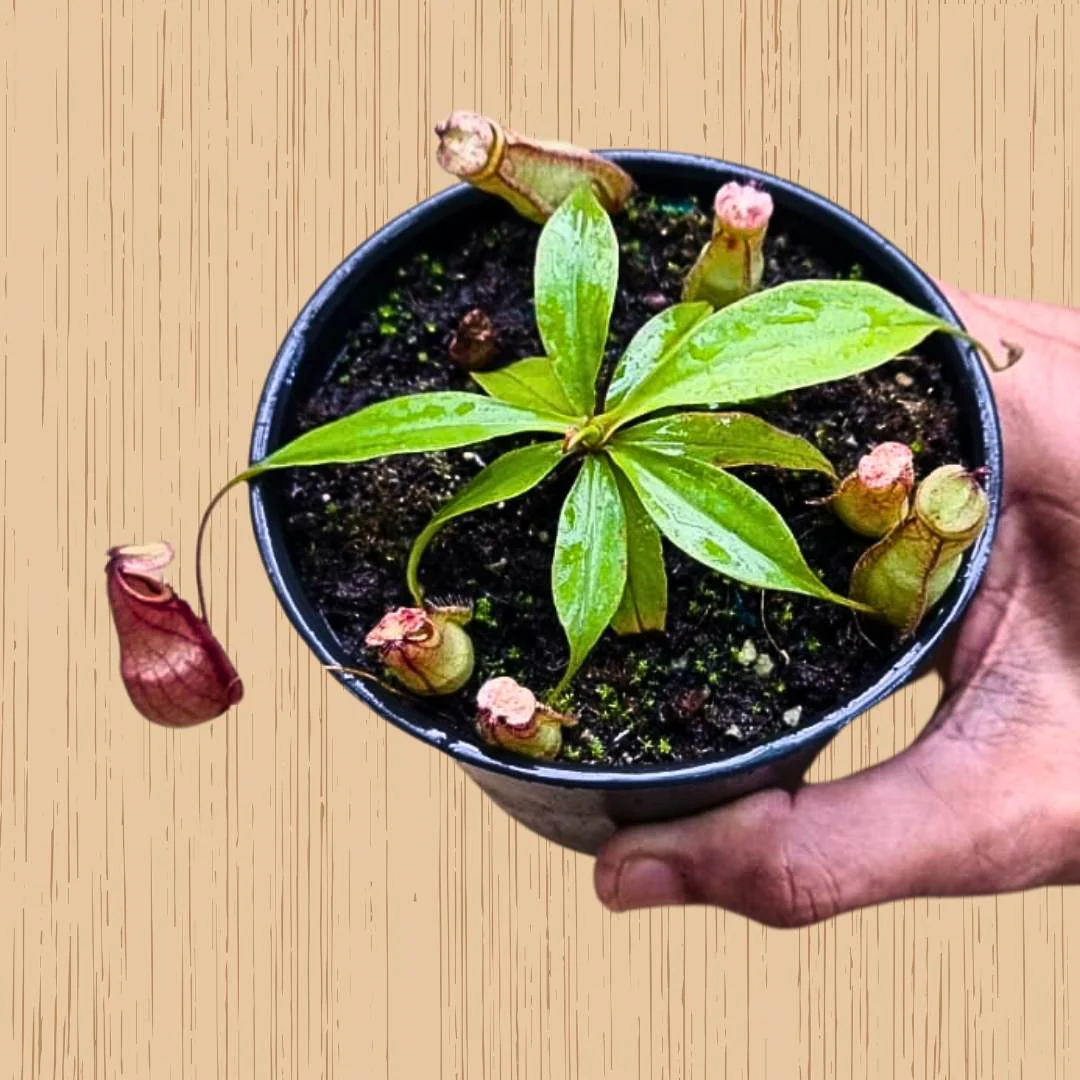
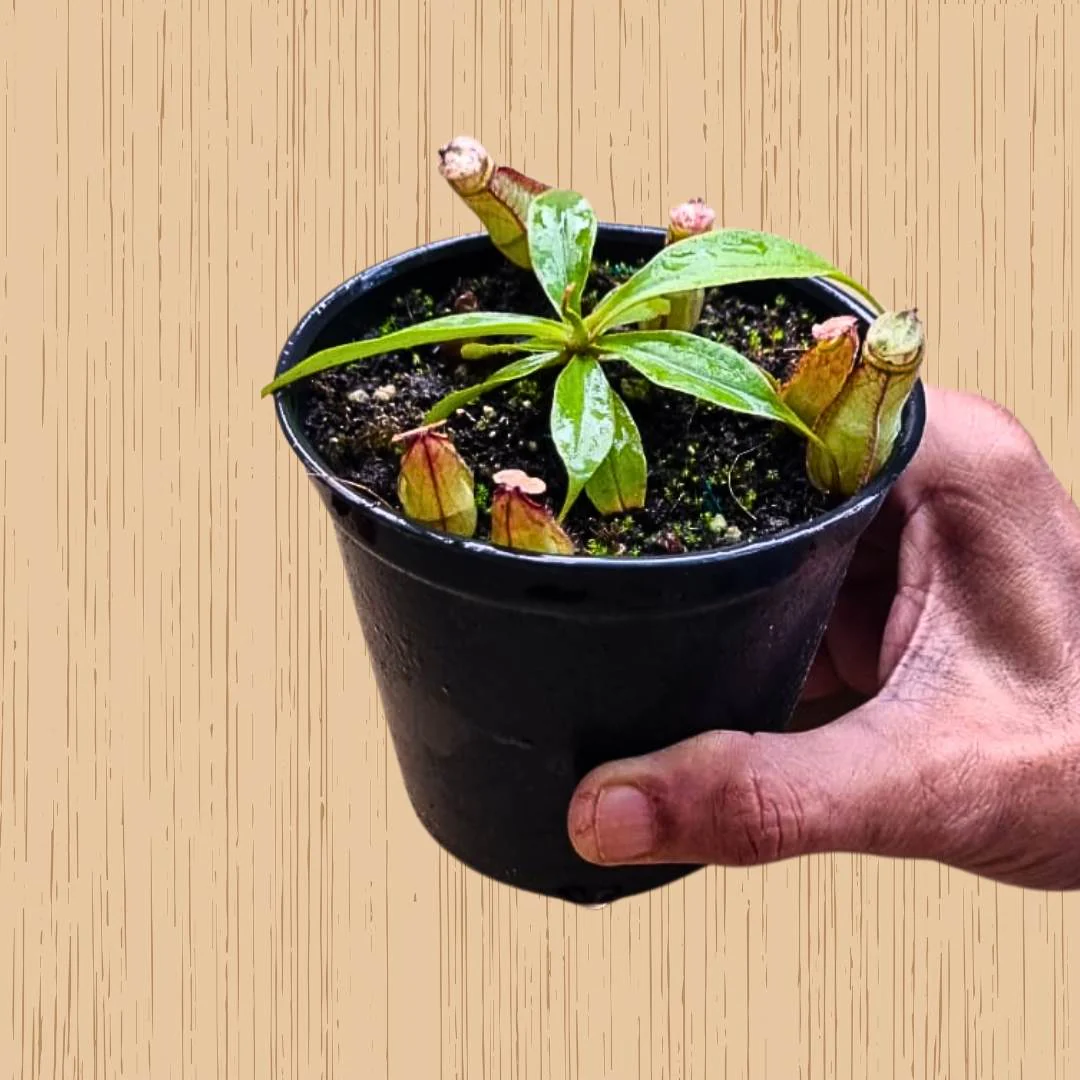
The Pitcher Plant (Nepenthes and Sarracenia varieties) is a captivating carnivorous plant known for its unique, pitcher-shaped leaves that lure and trap insects. With its sculptural beauty and fascinating feeding mechanism, it brings both intrigue and elegance to plant collections, making it a true conversation starter.
✅ Origin and Natural Habitat
-
Native to tropical Asia, Australia, Madagascar, and North America, depending on the species.
-
Grows in nutrient-poor soils, such as peat bogs and mossy forests.
-
Adapted to warm, humid climates with plenty of rainfall.
-
Naturally thrives in bright but indirect sunlight under open canopies.
✅ Perfect Placement for a Stunning Home Aesthetic
-
On bright kitchen windowsills for a touch of exotic charm.
-
In glass terrariums as a centerpiece for botanical displays.
-
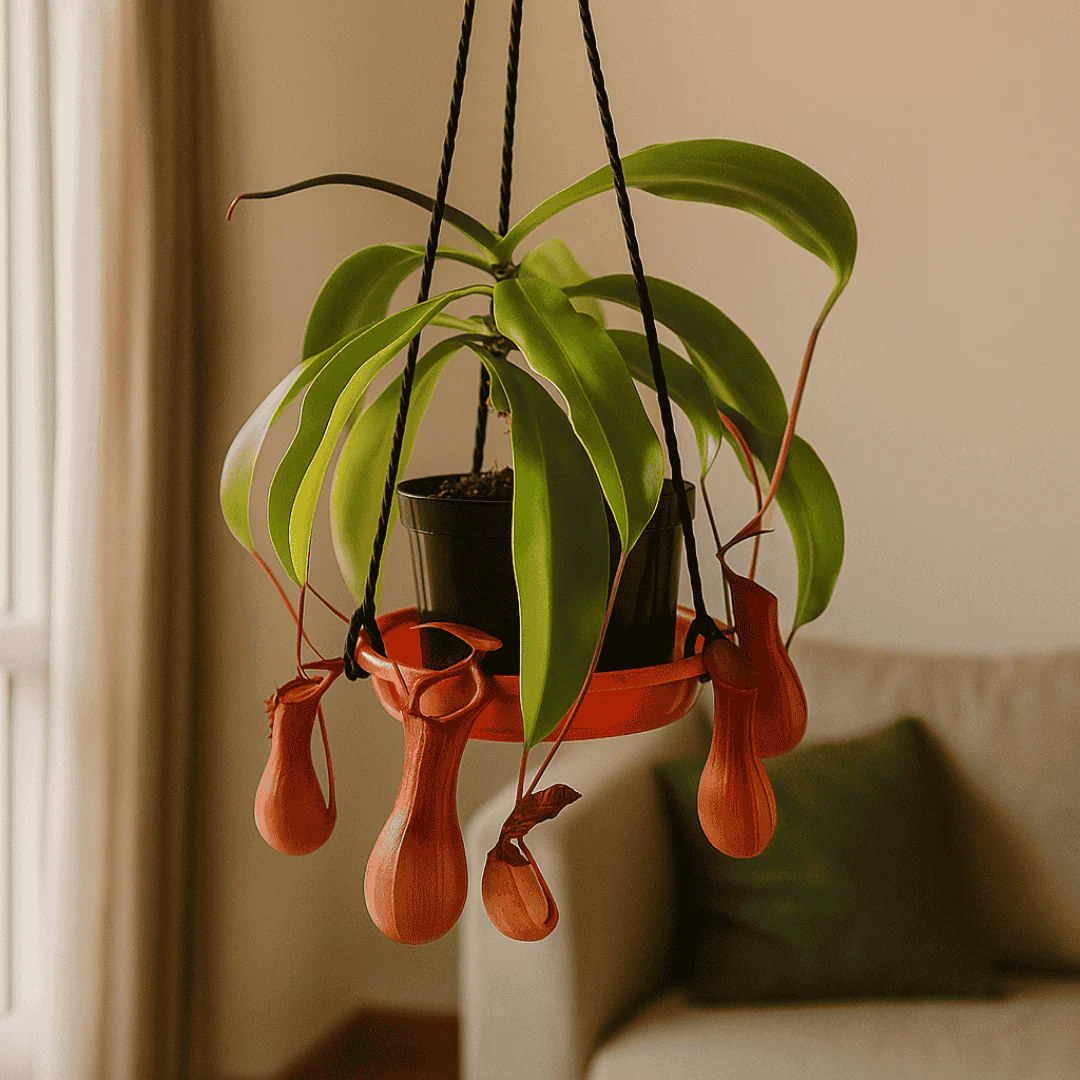
Hanging near sunny windows to showcase cascading pitchers.
-
On patio tables in warm, humid climates for a tropical look.
-
Paired with ferns and moss in decorative containers for a natural rainforest vibe.
✅ Care Guide – From Nurturing to Thriving
-
Provide bright, indirect sunlight—avoid harsh midday rays.
-
Use only rainwater, distilled water, or RO water—tap water can harm the plant.
-
Keep soil moist at all times; use a low-nutrient mix of sphagnum moss and perlite.
-
Do not fertilize the soil—pitcher plants absorb nutrients from insects.
-
If kept indoors without insects, feed with small insects like flies or freeze-dried mealworms directly into the pitchers once or twice a month.
-
Maintain high humidity (above 50%); mist regularly or use a humidity tray.
-
Remove dead pitchers to encourage new, healthy growth.
✅ Benefits of Growing Pitcher Plant
-
Natural insect control—helps reduce flies, gnats, and mosquitoes.
-
Striking ornamental appeal with unusual foliage.
-
Fascinating educational value for children and plant lovers.
-
Perfect addition to exotic and carnivorous plant collections.
-
Thrives in terrariums and controlled environments.
✅ Common Problems and How to Avoid Them
-
Pitchers drying out from low humidity—mist more frequently.
-
Lack of pitchers from insufficient light—move to a brighter spot.
-
Root rot from stagnant water—ensure proper drainage while keeping soil moist.
-
Weak growth from poor feeding—supplement with occasional insect feedings if indoors.
Product Information
Product Information
Shipping & Returns
Shipping & Returns
Pitcher Plant, Insectivorous Plants
Pitcher Plant, Insectivorous Plants
✅ Pitcher Plant – The Exotic Carnivorous Wonder
The Pitcher Plant (Nepenthes and Sarracenia varieties) is a captivating carnivorous plant known for its unique, pitcher-shaped leaves that lure and trap insects. With its sculptural beauty and fascinating feeding mechanism, it brings both intrigue and elegance to plant collections, making it a true conversation starter.
✅ Origin and Natural Habitat
-
Native to tropical Asia, Australia, Madagascar, and North America, depending on the species.
-
Grows in nutrient-poor soils, such as peat bogs and mossy forests.
-
Adapted to warm, humid climates with plenty of rainfall.
-
Naturally thrives in bright but indirect sunlight under open canopies.
✅ Perfect Placement for a Stunning Home Aesthetic
-
On bright kitchen windowsills for a touch of exotic charm.
-
In glass terrariums as a centerpiece for botanical displays.
-
Hanging near sunny windows to showcase cascading pitchers.
-
On patio tables in warm, humid climates for a tropical look.
-
Paired with ferns and moss in decorative containers for a natural rainforest vibe.
✅ Care Guide – From Nurturing to Thriving
-
Provide bright, indirect sunlight—avoid harsh midday rays.
-
Use only rainwater, distilled water, or RO water—tap water can harm the plant.
-
Keep soil moist at all times; use a low-nutrient mix of sphagnum moss and perlite.
-
Do not fertilize the soil—pitcher plants absorb nutrients from insects.
-
If kept indoors without insects, feed with small insects like flies or freeze-dried mealworms directly into the pitchers once or twice a month.
-
Maintain high humidity (above 50%); mist regularly or use a humidity tray.
-
Remove dead pitchers to encourage new, healthy growth.
✅ Benefits of Growing Pitcher Plant
-
Natural insect control—helps reduce flies, gnats, and mosquitoes.
-
Striking ornamental appeal with unusual foliage.
-
Fascinating educational value for children and plant lovers.
-
Perfect addition to exotic and carnivorous plant collections.
-
Thrives in terrariums and controlled environments.
✅ Common Problems and How to Avoid Them
-
Pitchers drying out from low humidity—mist more frequently.
-
Lack of pitchers from insufficient light—move to a brighter spot.
-
Root rot from stagnant water—ensure proper drainage while keeping soil moist.
-
Weak growth from poor feeding—supplement with occasional insect feedings if indoors.
Original: $9.84
-70%$9.84
$2.95Product Information
Product Information
Shipping & Returns
Shipping & Returns
Description
✅ Pitcher Plant – The Exotic Carnivorous Wonder
The Pitcher Plant (Nepenthes and Sarracenia varieties) is a captivating carnivorous plant known for its unique, pitcher-shaped leaves that lure and trap insects. With its sculptural beauty and fascinating feeding mechanism, it brings both intrigue and elegance to plant collections, making it a true conversation starter.
✅ Origin and Natural Habitat
-
Native to tropical Asia, Australia, Madagascar, and North America, depending on the species.
-
Grows in nutrient-poor soils, such as peat bogs and mossy forests.
-
Adapted to warm, humid climates with plenty of rainfall.
-
Naturally thrives in bright but indirect sunlight under open canopies.
✅ Perfect Placement for a Stunning Home Aesthetic
-
On bright kitchen windowsills for a touch of exotic charm.
-
In glass terrariums as a centerpiece for botanical displays.
-
Hanging near sunny windows to showcase cascading pitchers.
-
On patio tables in warm, humid climates for a tropical look.
-
Paired with ferns and moss in decorative containers for a natural rainforest vibe.
✅ Care Guide – From Nurturing to Thriving
-
Provide bright, indirect sunlight—avoid harsh midday rays.
-
Use only rainwater, distilled water, or RO water—tap water can harm the plant.
-
Keep soil moist at all times; use a low-nutrient mix of sphagnum moss and perlite.
-
Do not fertilize the soil—pitcher plants absorb nutrients from insects.
-
If kept indoors without insects, feed with small insects like flies or freeze-dried mealworms directly into the pitchers once or twice a month.
-
Maintain high humidity (above 50%); mist regularly or use a humidity tray.
-
Remove dead pitchers to encourage new, healthy growth.
✅ Benefits of Growing Pitcher Plant
-
Natural insect control—helps reduce flies, gnats, and mosquitoes.
-
Striking ornamental appeal with unusual foliage.
-
Fascinating educational value for children and plant lovers.
-
Perfect addition to exotic and carnivorous plant collections.
-
Thrives in terrariums and controlled environments.
✅ Common Problems and How to Avoid Them
-
Pitchers drying out from low humidity—mist more frequently.
-
Lack of pitchers from insufficient light—move to a brighter spot.
-
Root rot from stagnant water—ensure proper drainage while keeping soil moist.
-
Weak growth from poor feeding—supplement with occasional insect feedings if indoors.