Lantern Hibiscus
✅ Lantern Hibiscus – The Hanging Jewels of the Tropics
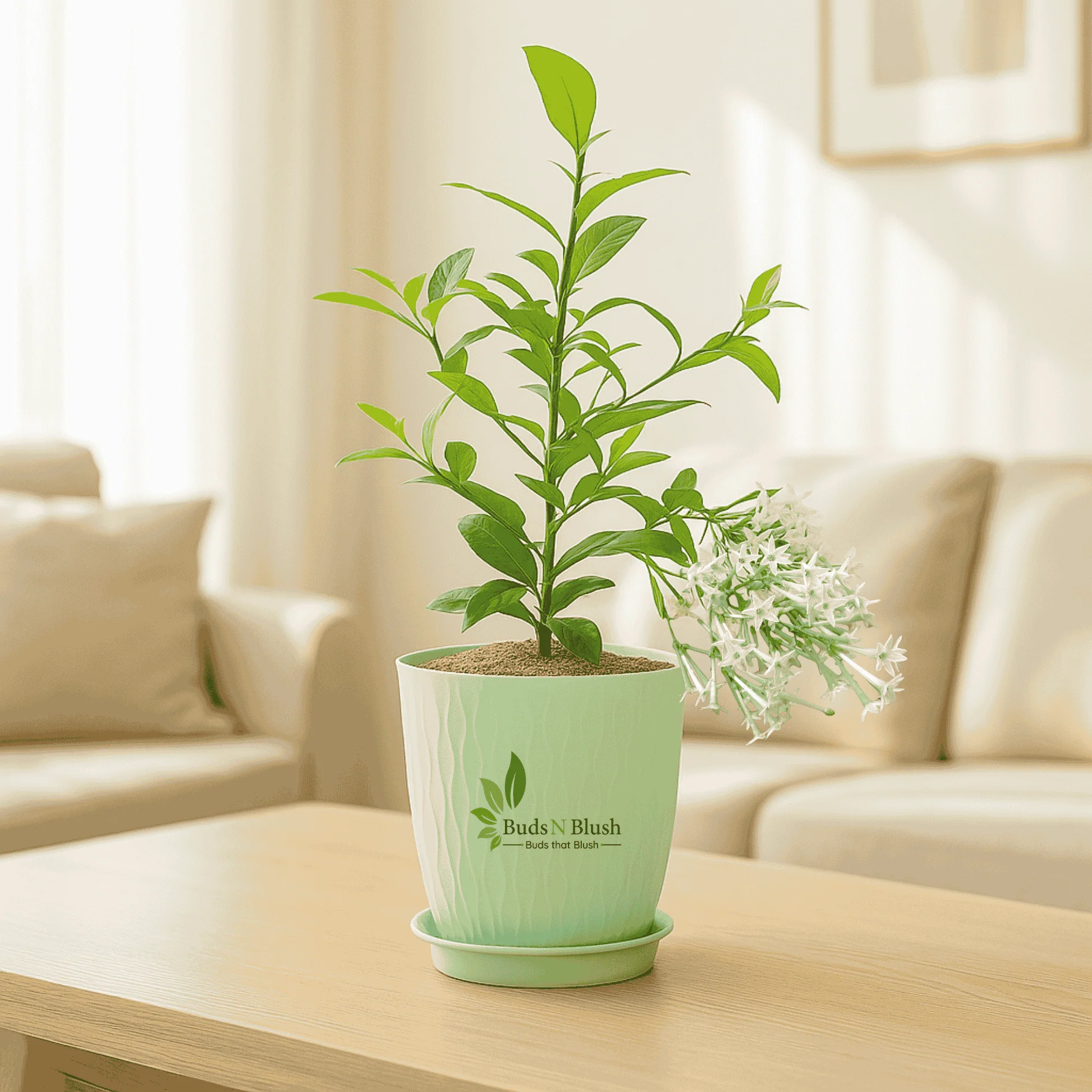
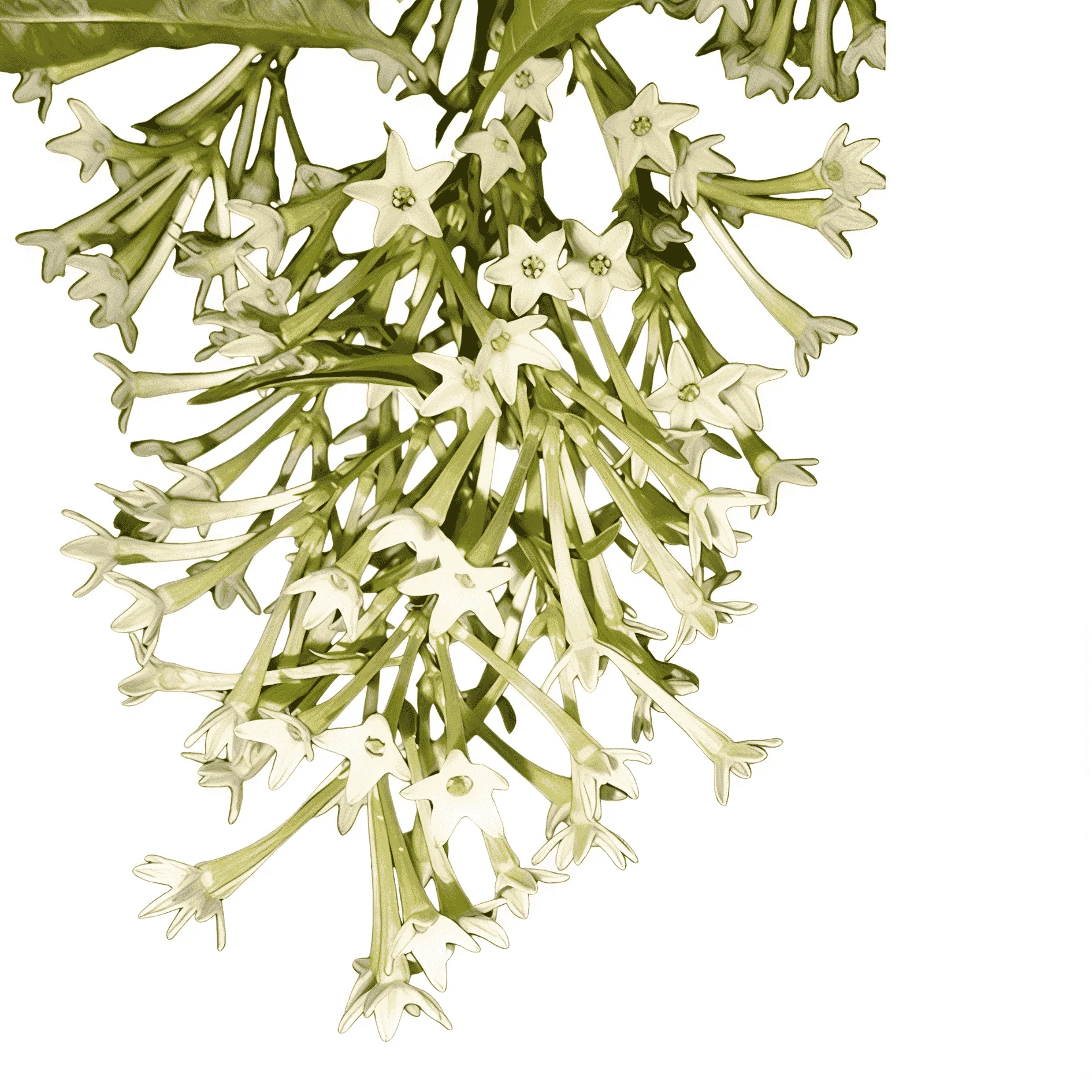
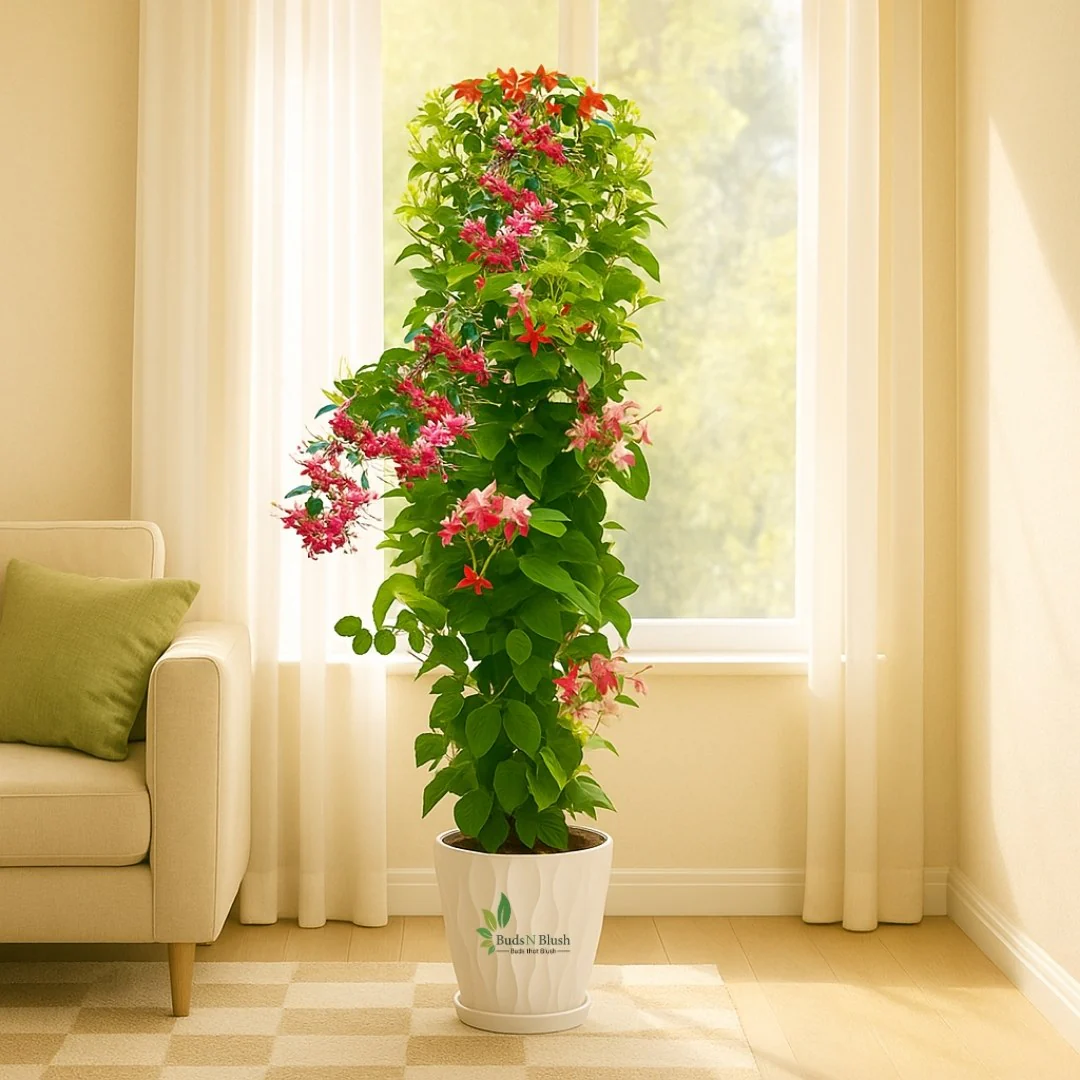
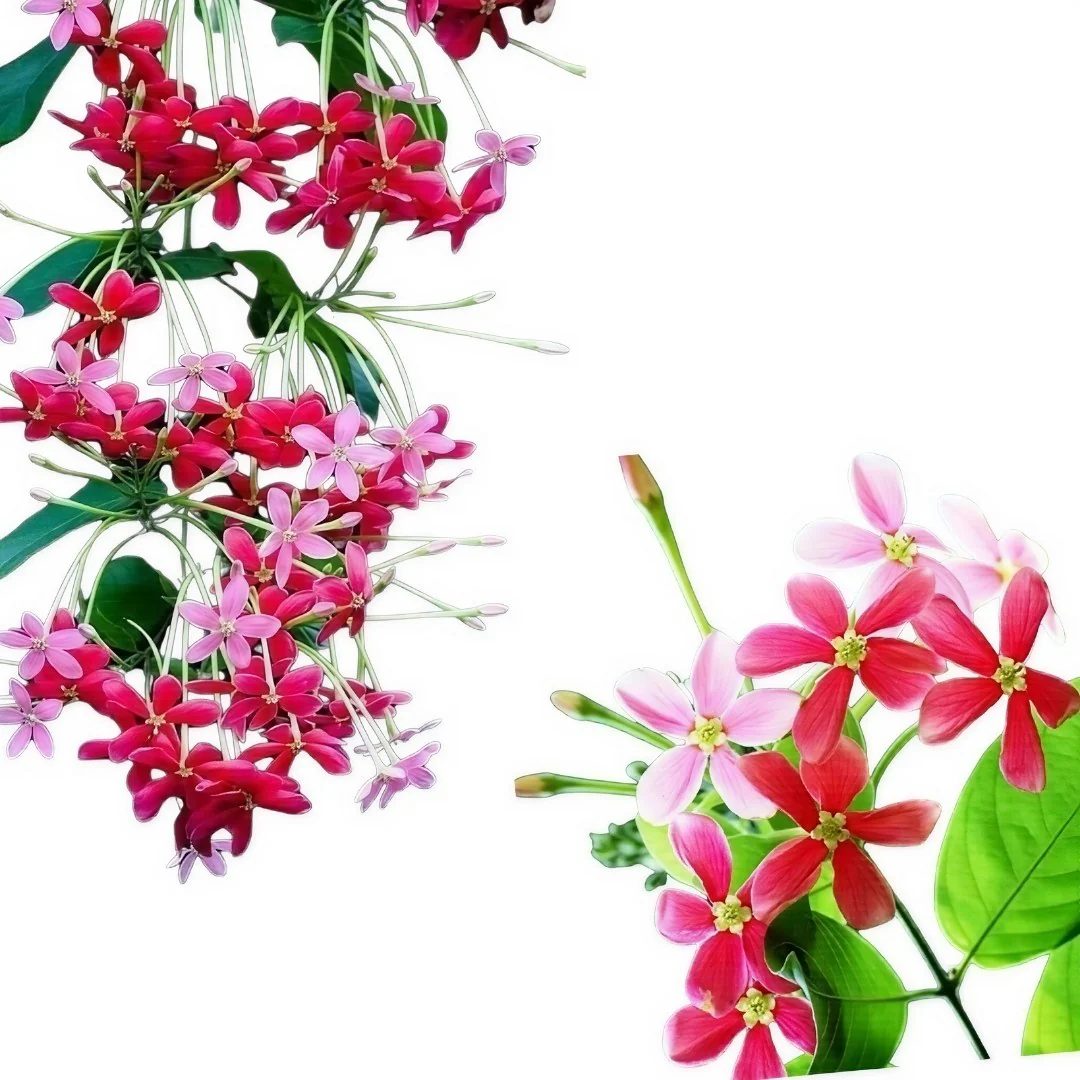
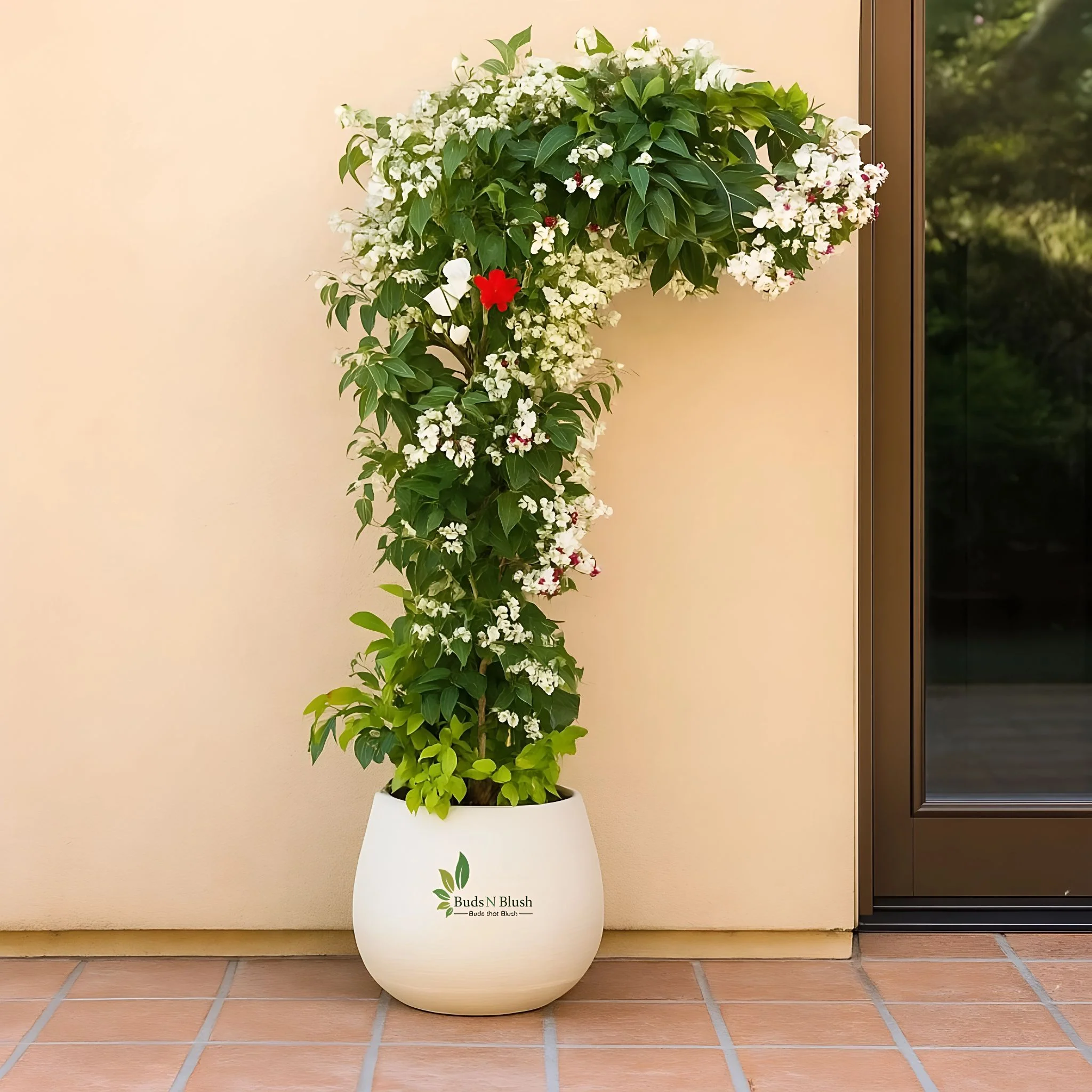
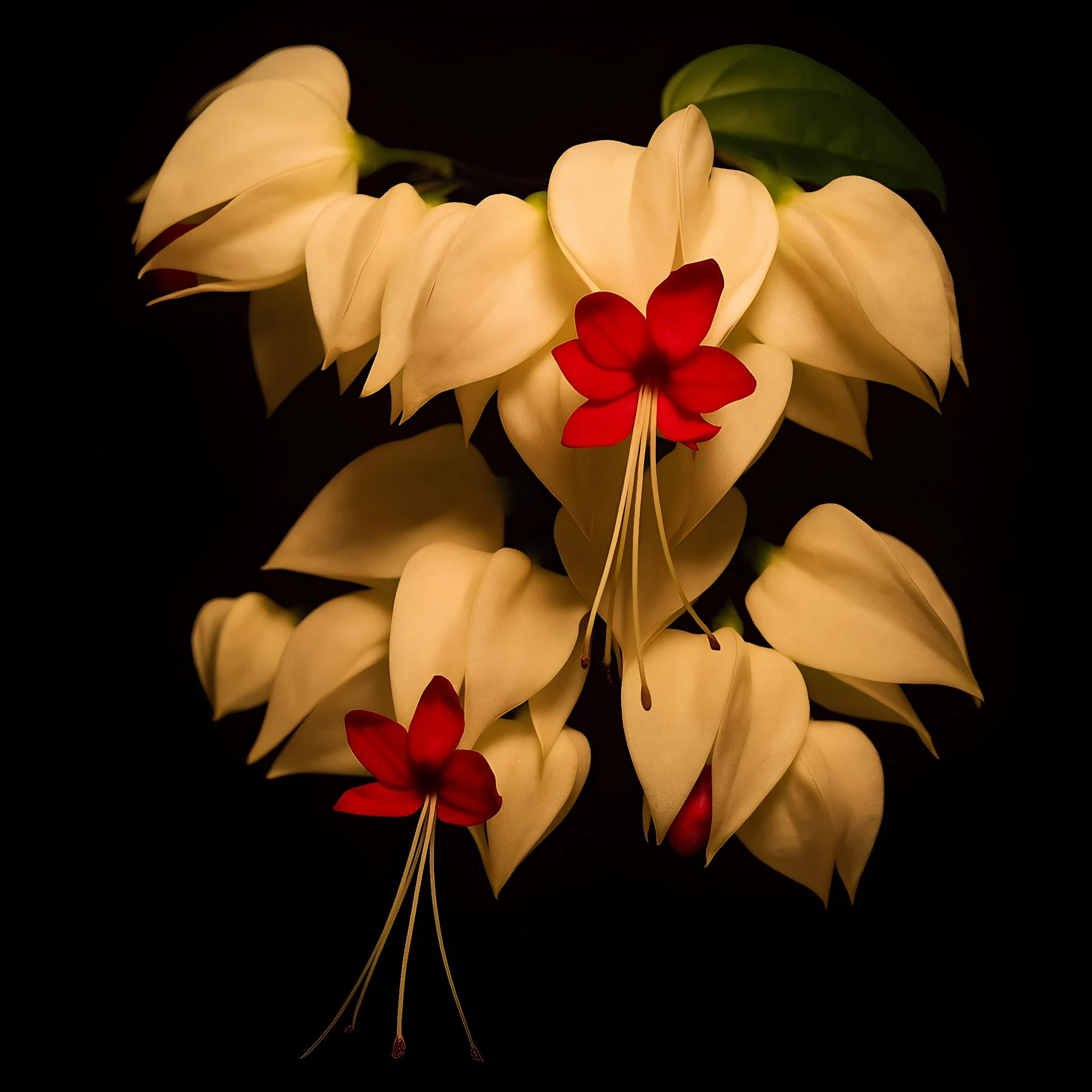
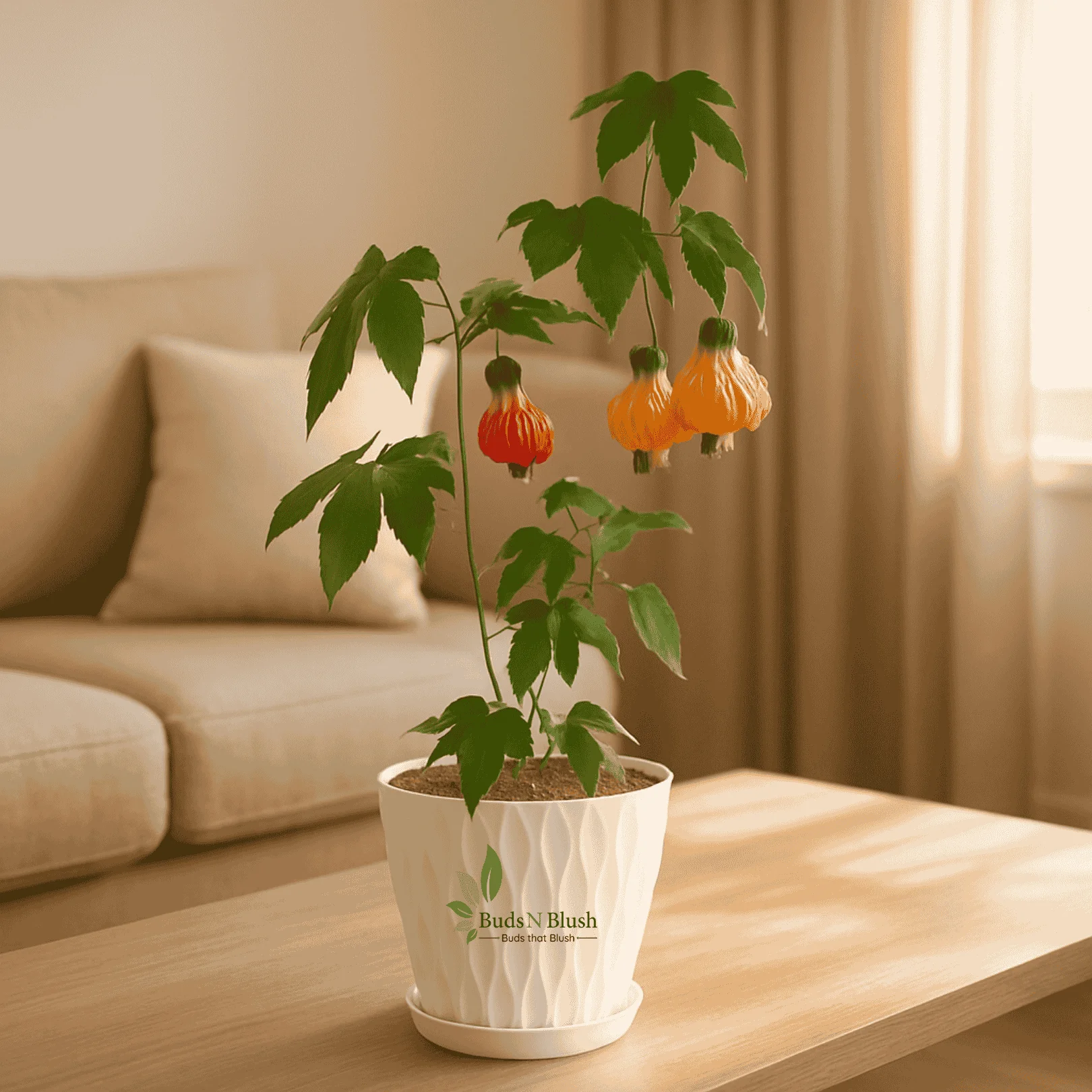
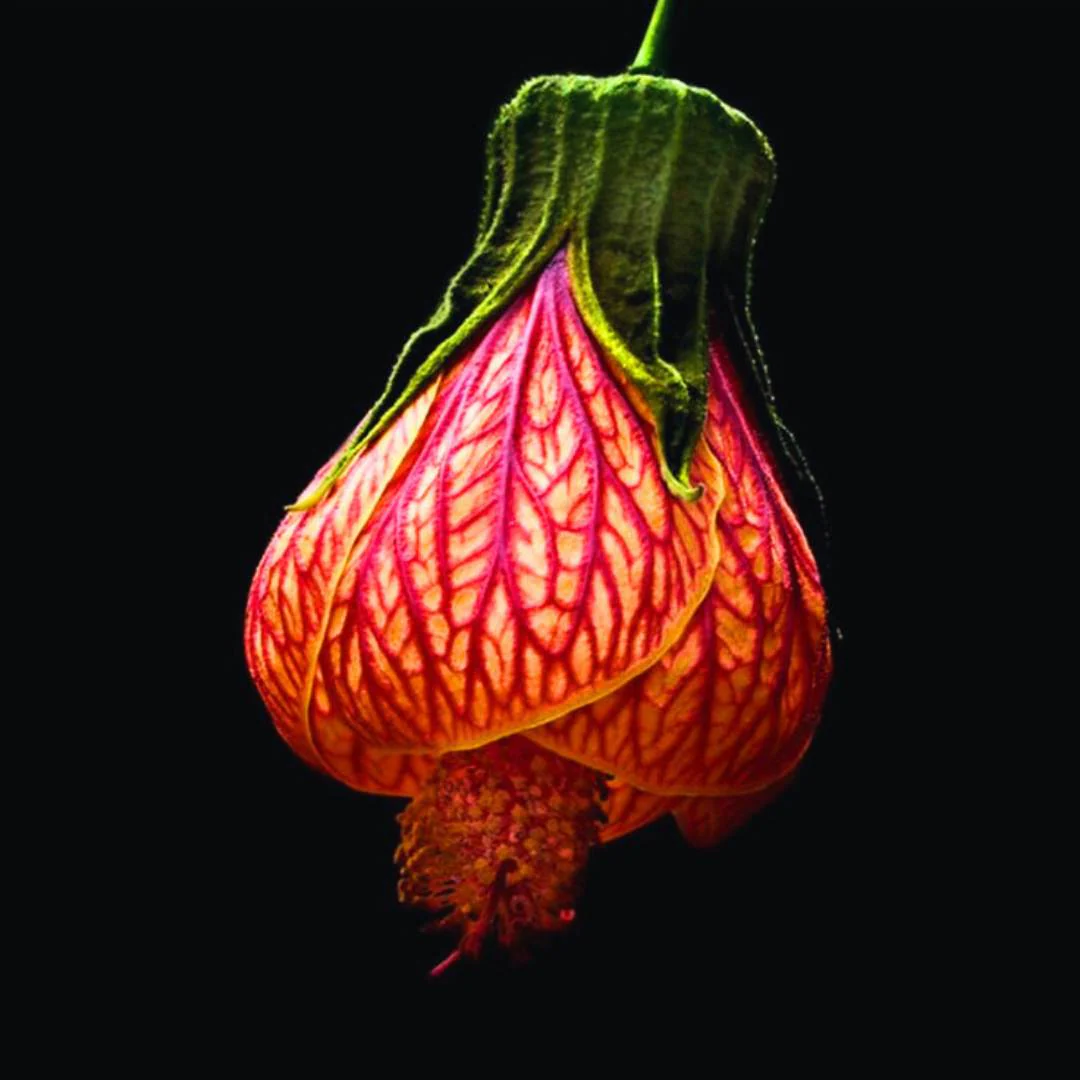
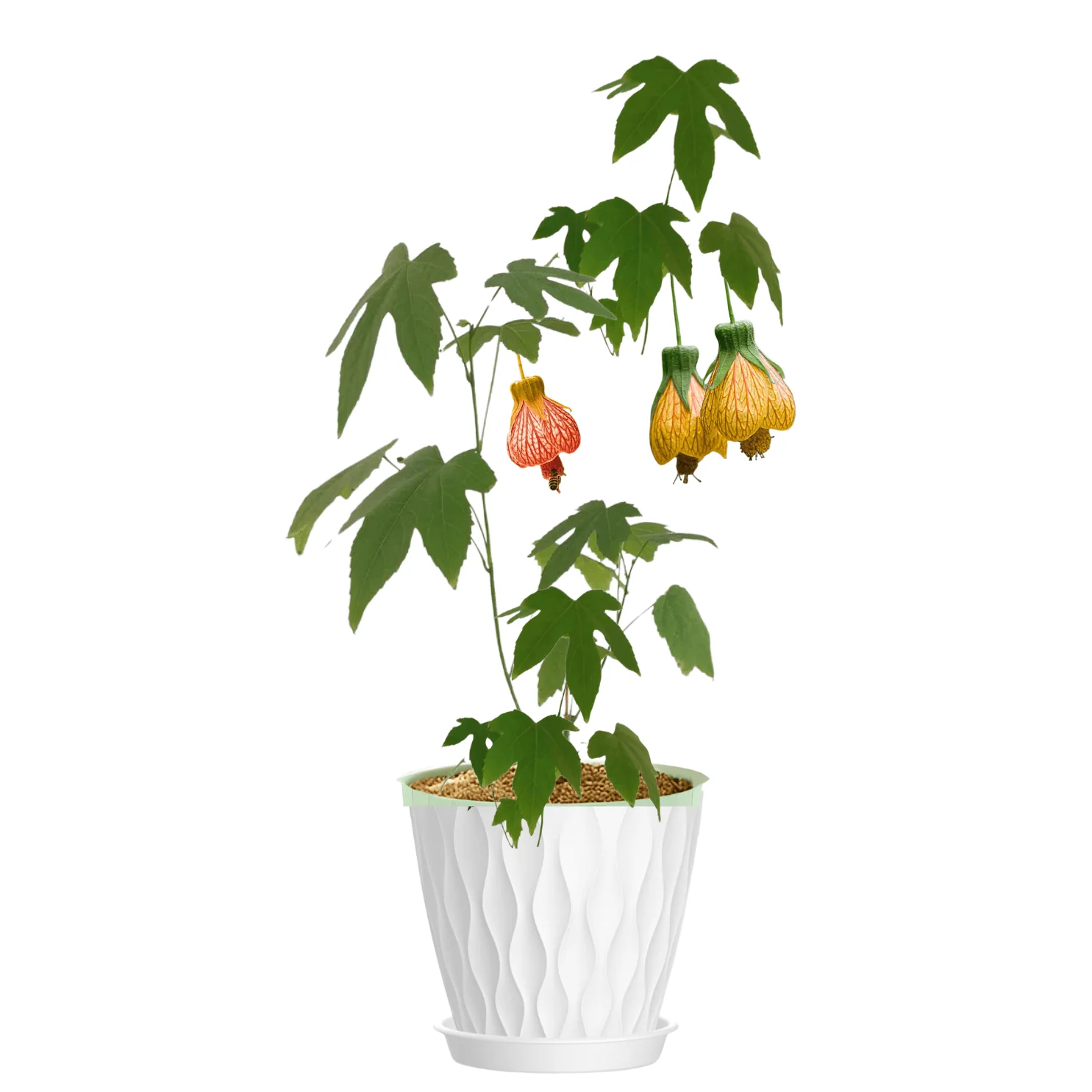
The Lantern Hibiscus (Hibiscus schizopetalus), also called the Japanese Lantern Hibiscus or Fringed Hibiscus, is an exotic tropical beauty celebrated for its gracefully hanging, deeply fringed petals that resemble delicate lanterns swaying in the breeze. Its striking red blooms and elegant arching stems bring an air of sophistication to gardens and patios, evoking the charm of tropical retreats.
✅ Origin and Natural Habitat
-
Native to tropical East Africa, particularly Kenya, Tanzania, and Mozambique.
-
Thrives in warm, humid climates with plenty of sunlight.
-
Commonly found in coastal and lowland tropical regions.
-
Prefers moist, well-draining soil and high ambient humidity.
✅ Perfect Placement for a Stunning Home Aesthetic
-
As a focal plant in tropical-themed gardens.
-
Near patios, pergolas, or verandas where hanging blooms can be admired up close.
-
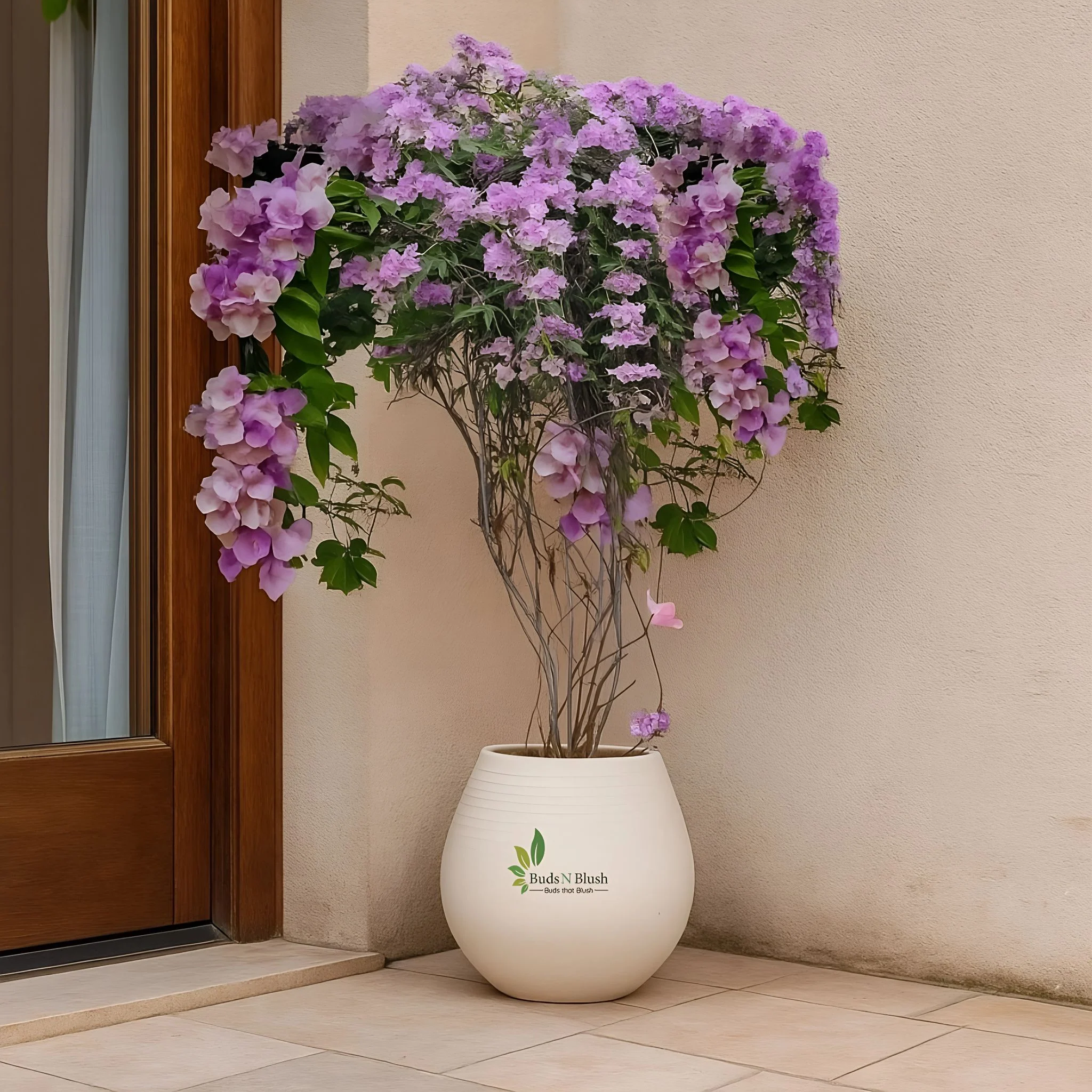
In large decorative pots at entryways for an exotic welcome.
-
Along fences or trellises for vertical floral displays.
-
In sunlit courtyards for a vibrant, resort-like atmosphere.
✅ Care Guide – From Nurturing to Blooming
-
Requires 5–7 hours of direct or filtered sunlight daily.
-
Plant in fertile, well-draining soil enriched with organic compost.
-
Water regularly to keep soil consistently moist, but avoid waterlogging.
-
Fertilize every 3–4 weeks during the growing season with a balanced NPK 10-10-10 or a bloom booster for enhanced flowering.
-
Prune lightly after blooms fade to maintain shape and encourage fresh growth.
-
Mulch around the base to retain soil moisture and protect roots.
-
Protect from frost—ideal for tropical and subtropical climates.
✅ Benefits of Growing Lantern Hibiscus
-
Unique, lantern-like blooms for dramatic visual impact.
-
Attracts butterflies and hummingbirds.
-
Adds vertical and hanging floral charm to landscapes.
-
Ideal for tropical, resort, and coastal garden styles.
-
Long blooming period in warm climates.
✅ Common Problems and How to Avoid Them
-
Yellowing leaves from overwatering or poor drainage—improve soil aeration.
-
Pest attacks from aphids or whiteflies—treat with neem oil or insecticidal soap.
-
Reduced blooming in low light—ensure adequate sunlight exposure.
-
Wilting from drought stress—maintain consistent watering.
Product Information
Product Information
Shipping & Returns
Shipping & Returns

Lantern Hibiscus
Lantern Hibiscus
✅ Lantern Hibiscus – The Hanging Jewels of the Tropics
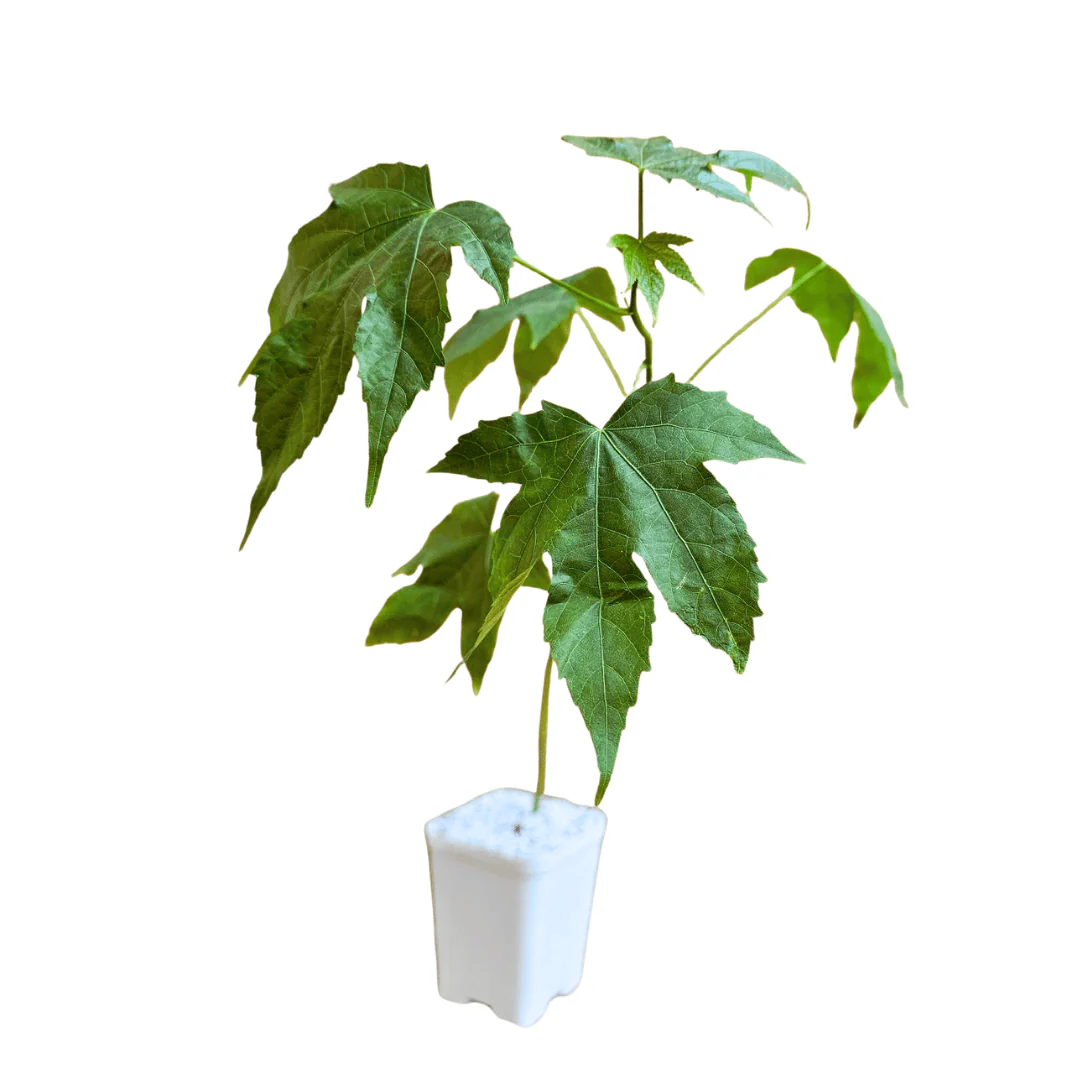
The Lantern Hibiscus (Hibiscus schizopetalus), also called the Japanese Lantern Hibiscus or Fringed Hibiscus, is an exotic tropical beauty celebrated for its gracefully hanging, deeply fringed petals that resemble delicate lanterns swaying in the breeze. Its striking red blooms and elegant arching stems bring an air of sophistication to gardens and patios, evoking the charm of tropical retreats.
✅ Origin and Natural Habitat
-
Native to tropical East Africa, particularly Kenya, Tanzania, and Mozambique.
-
Thrives in warm, humid climates with plenty of sunlight.
-
Commonly found in coastal and lowland tropical regions.
-
Prefers moist, well-draining soil and high ambient humidity.
✅ Perfect Placement for a Stunning Home Aesthetic
-
As a focal plant in tropical-themed gardens.
-
Near patios, pergolas, or verandas where hanging blooms can be admired up close.
-
In large decorative pots at entryways for an exotic welcome.
-
Along fences or trellises for vertical floral displays.
-
In sunlit courtyards for a vibrant, resort-like atmosphere.
✅ Care Guide – From Nurturing to Blooming
-
Requires 5–7 hours of direct or filtered sunlight daily.
-
Plant in fertile, well-draining soil enriched with organic compost.
-
Water regularly to keep soil consistently moist, but avoid waterlogging.
-
Fertilize every 3–4 weeks during the growing season with a balanced NPK 10-10-10 or a bloom booster for enhanced flowering.
-
Prune lightly after blooms fade to maintain shape and encourage fresh growth.
-
Mulch around the base to retain soil moisture and protect roots.
-
Protect from frost—ideal for tropical and subtropical climates.
✅ Benefits of Growing Lantern Hibiscus
-
Unique, lantern-like blooms for dramatic visual impact.
-
Attracts butterflies and hummingbirds.
-
Adds vertical and hanging floral charm to landscapes.
-
Ideal for tropical, resort, and coastal garden styles.
-
Long blooming period in warm climates.
✅ Common Problems and How to Avoid Them
-
Yellowing leaves from overwatering or poor drainage—improve soil aeration.
-
Pest attacks from aphids or whiteflies—treat with neem oil or insecticidal soap.
-
Reduced blooming in low light—ensure adequate sunlight exposure.
-
Wilting from drought stress—maintain consistent watering.
Product Information
Product Information
Shipping & Returns
Shipping & Returns
Description
✅ Lantern Hibiscus – The Hanging Jewels of the Tropics
The Lantern Hibiscus (Hibiscus schizopetalus), also called the Japanese Lantern Hibiscus or Fringed Hibiscus, is an exotic tropical beauty celebrated for its gracefully hanging, deeply fringed petals that resemble delicate lanterns swaying in the breeze. Its striking red blooms and elegant arching stems bring an air of sophistication to gardens and patios, evoking the charm of tropical retreats.
✅ Origin and Natural Habitat
-
Native to tropical East Africa, particularly Kenya, Tanzania, and Mozambique.
-
Thrives in warm, humid climates with plenty of sunlight.
-
Commonly found in coastal and lowland tropical regions.
-
Prefers moist, well-draining soil and high ambient humidity.
✅ Perfect Placement for a Stunning Home Aesthetic
-
As a focal plant in tropical-themed gardens.
-
Near patios, pergolas, or verandas where hanging blooms can be admired up close.
-
In large decorative pots at entryways for an exotic welcome.
-
Along fences or trellises for vertical floral displays.
-
In sunlit courtyards for a vibrant, resort-like atmosphere.
✅ Care Guide – From Nurturing to Blooming
-
Requires 5–7 hours of direct or filtered sunlight daily.
-
Plant in fertile, well-draining soil enriched with organic compost.
-
Water regularly to keep soil consistently moist, but avoid waterlogging.
-
Fertilize every 3–4 weeks during the growing season with a balanced NPK 10-10-10 or a bloom booster for enhanced flowering.
-
Prune lightly after blooms fade to maintain shape and encourage fresh growth.
-
Mulch around the base to retain soil moisture and protect roots.
-
Protect from frost—ideal for tropical and subtropical climates.
✅ Benefits of Growing Lantern Hibiscus
-
Unique, lantern-like blooms for dramatic visual impact.
-
Attracts butterflies and hummingbirds.
-
Adds vertical and hanging floral charm to landscapes.
-
Ideal for tropical, resort, and coastal garden styles.
-
Long blooming period in warm climates.
✅ Common Problems and How to Avoid Them
-
Yellowing leaves from overwatering or poor drainage—improve soil aeration.
-
Pest attacks from aphids or whiteflies—treat with neem oil or insecticidal soap.
-
Reduced blooming in low light—ensure adequate sunlight exposure.
-
Wilting from drought stress—maintain consistent watering.