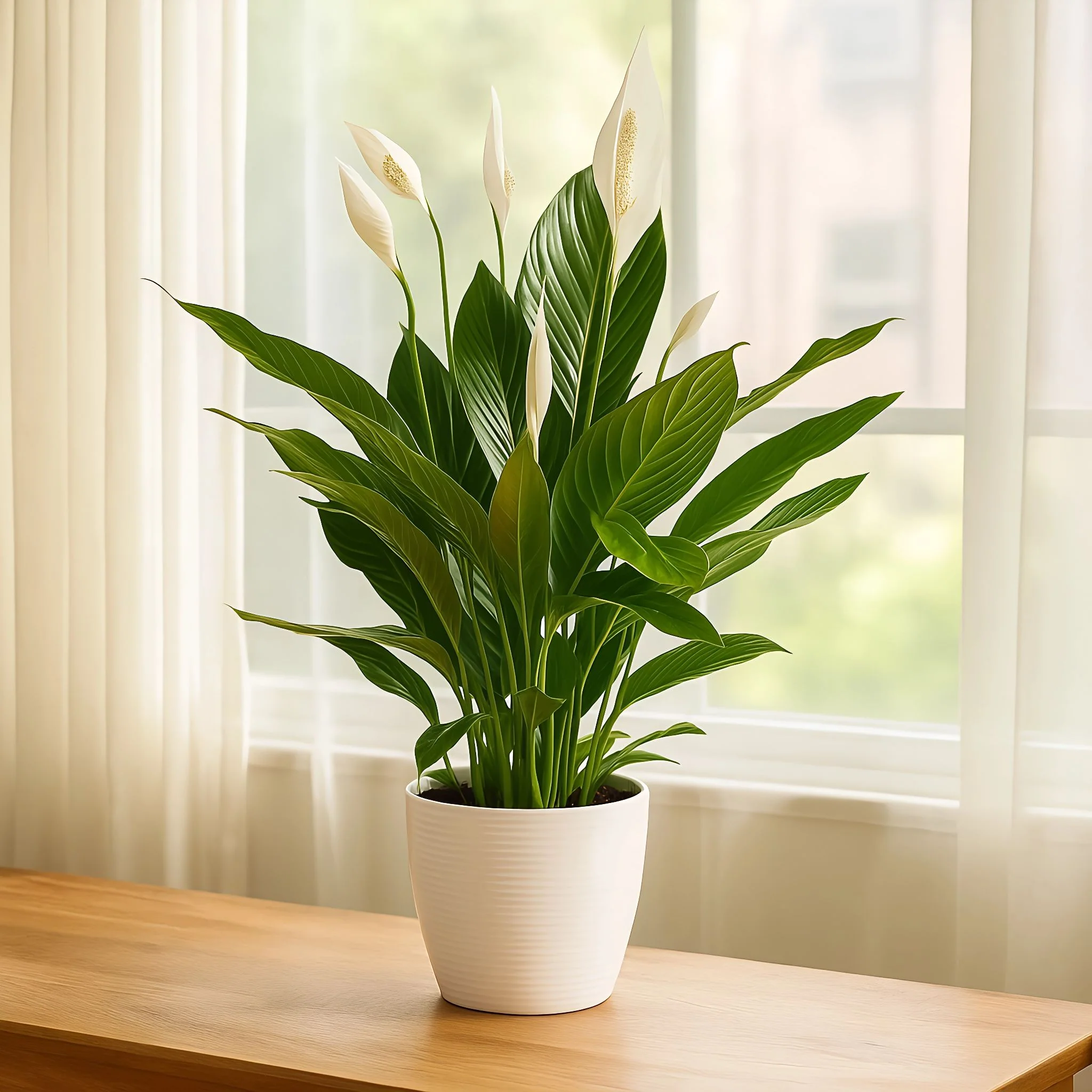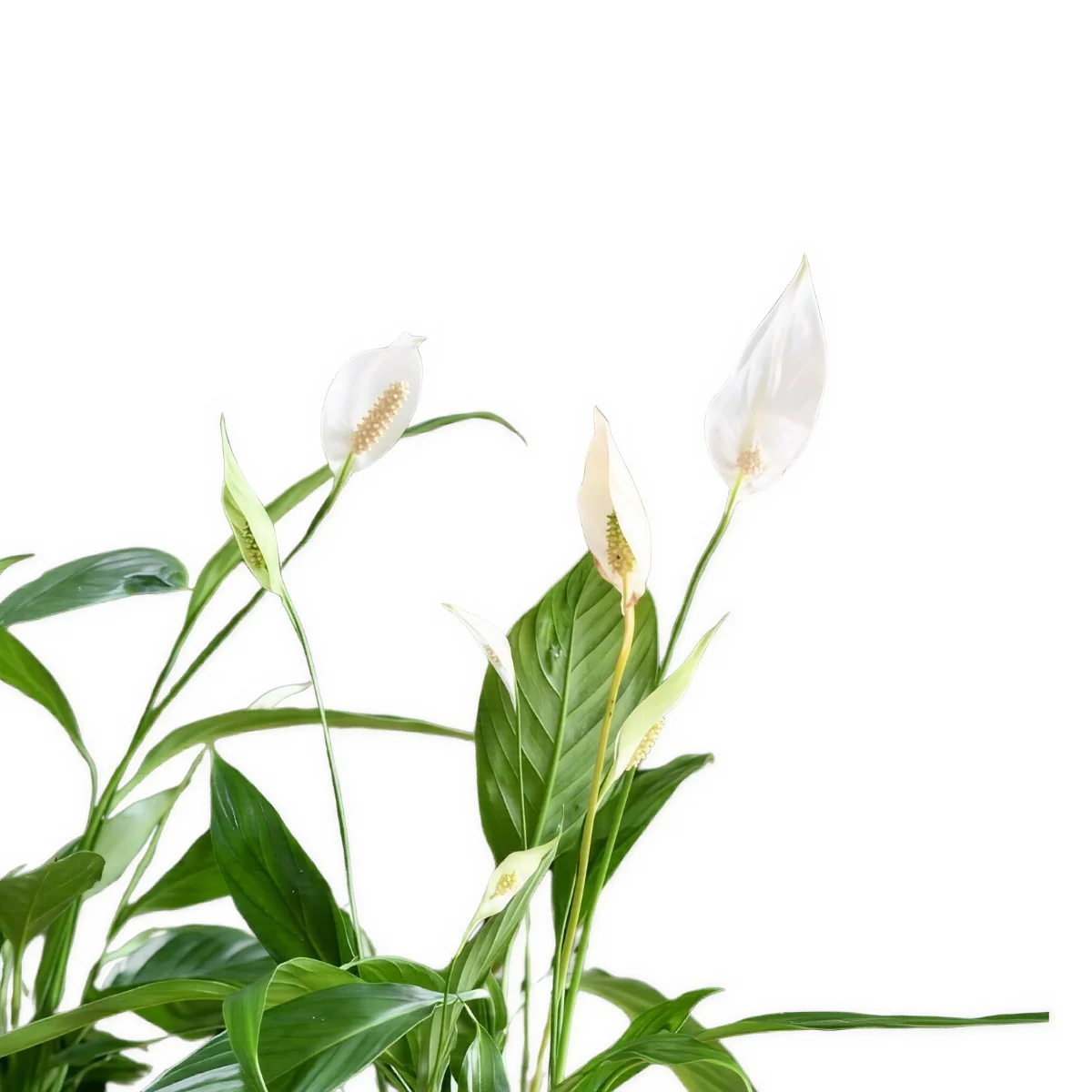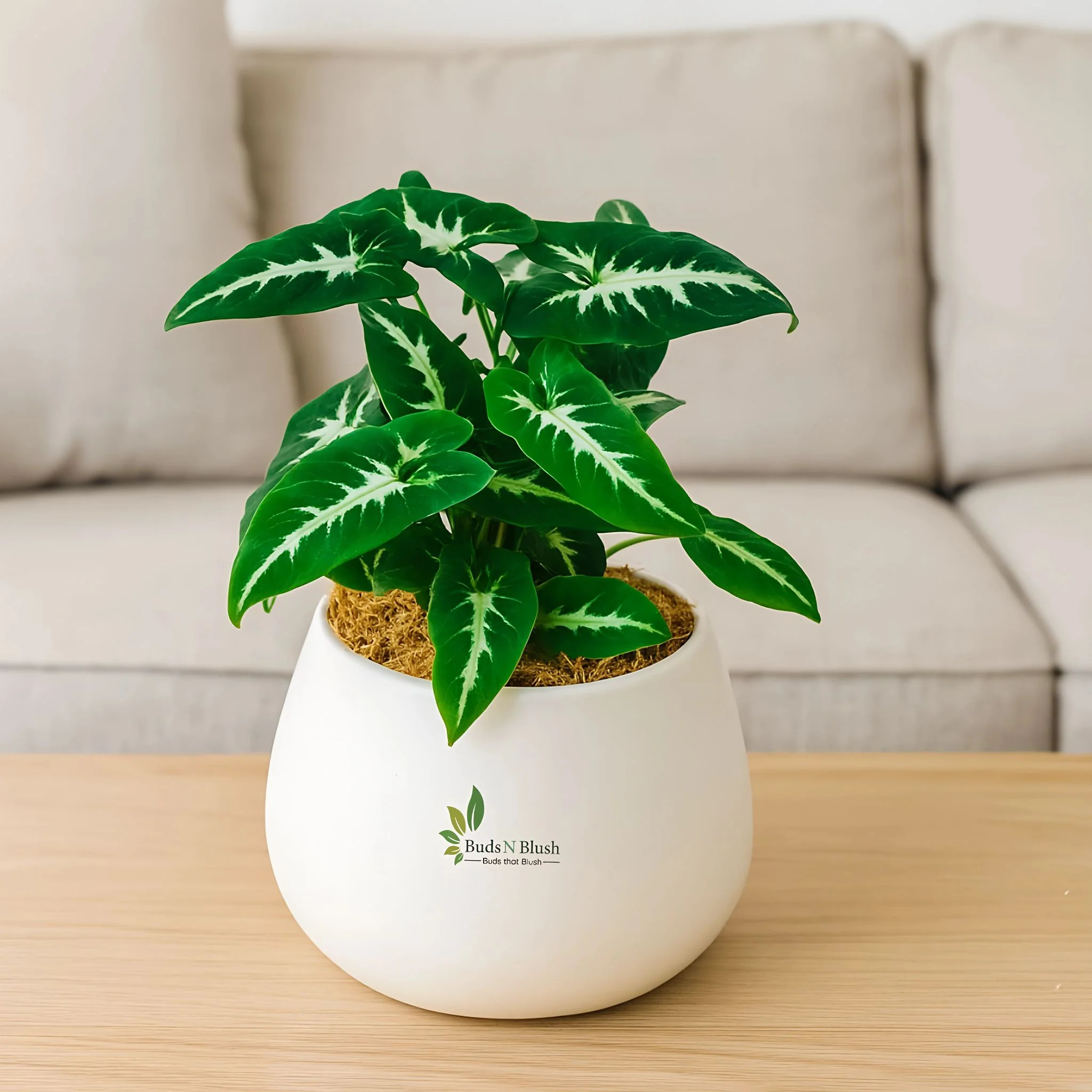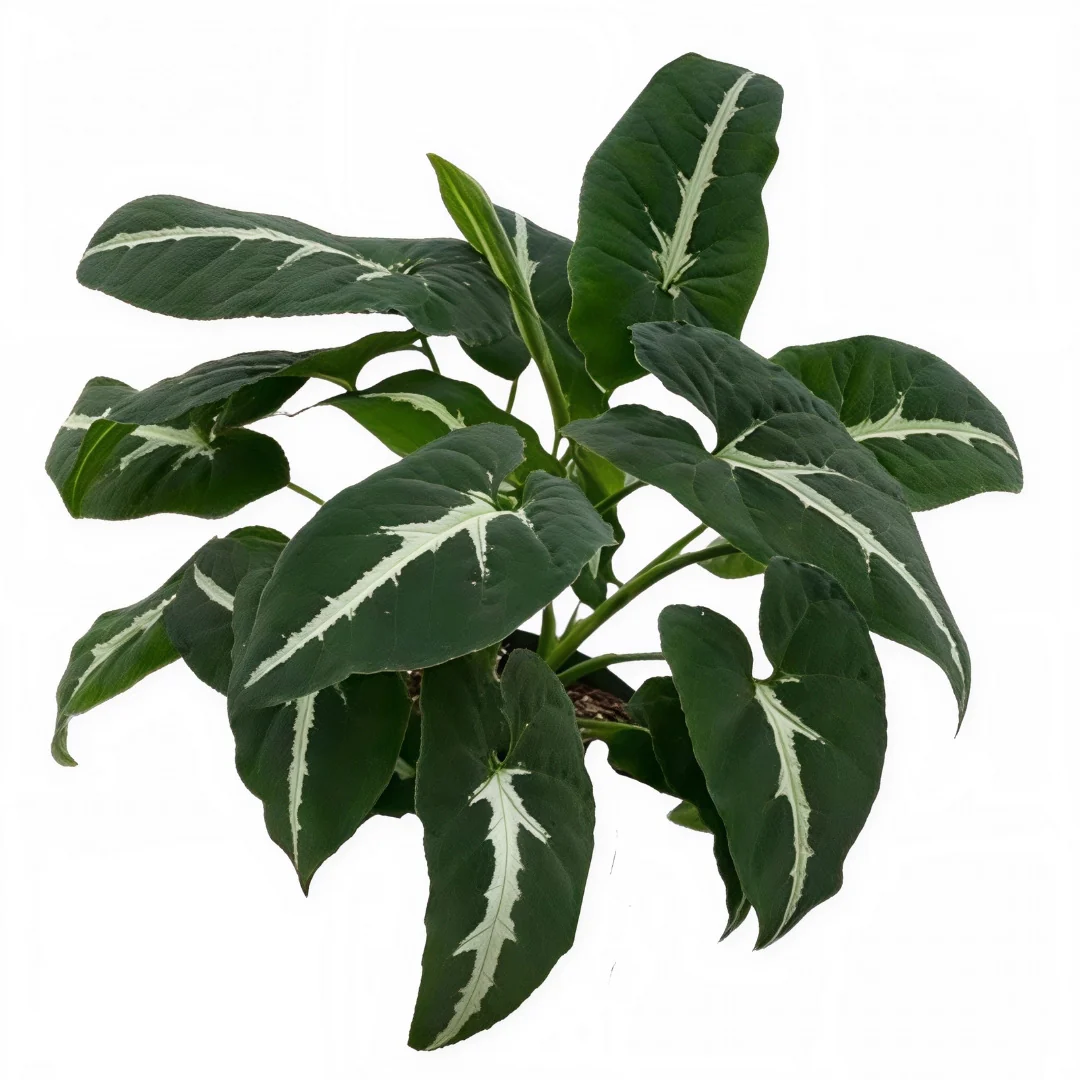
Monstera Cebu Blue
✅Know Your Plant
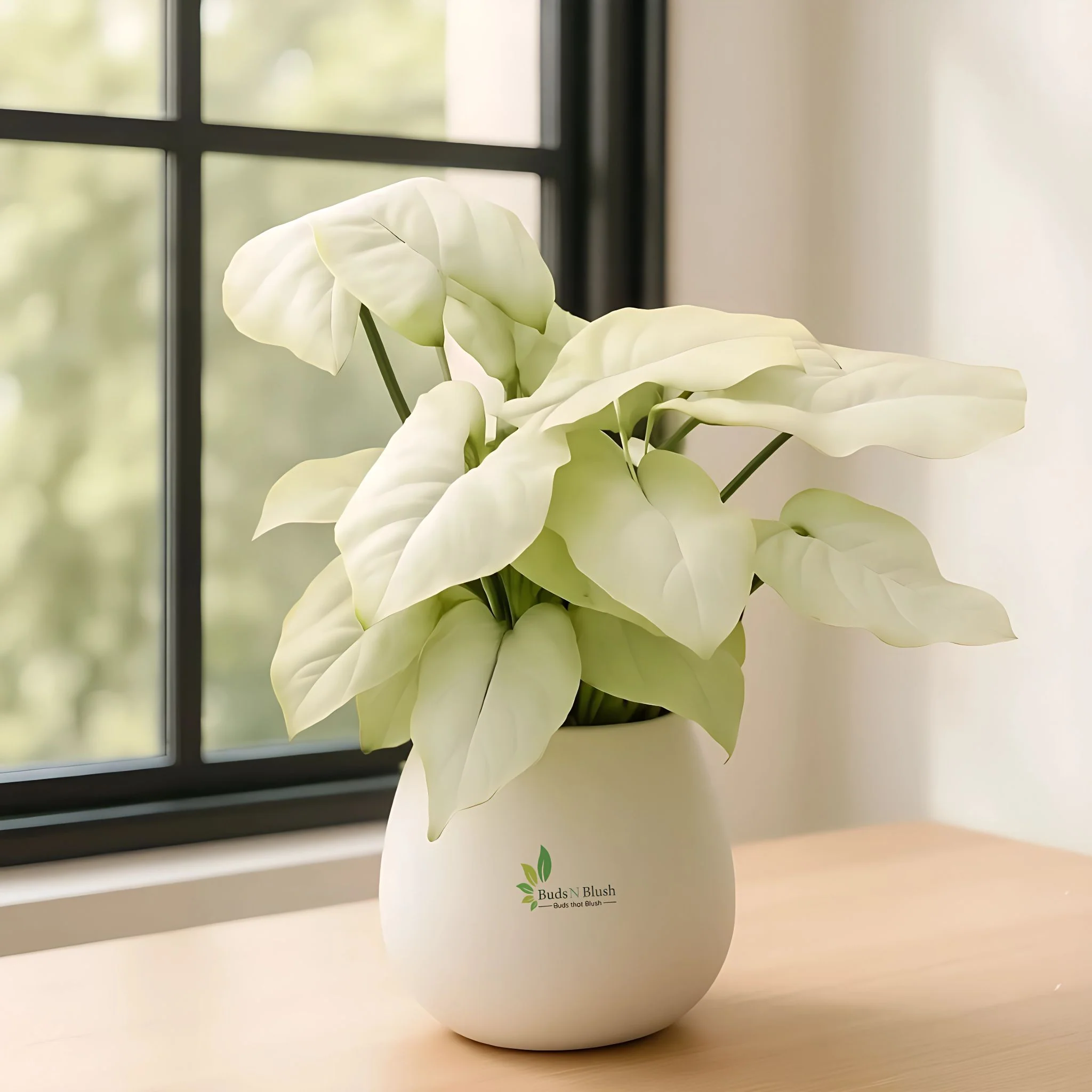
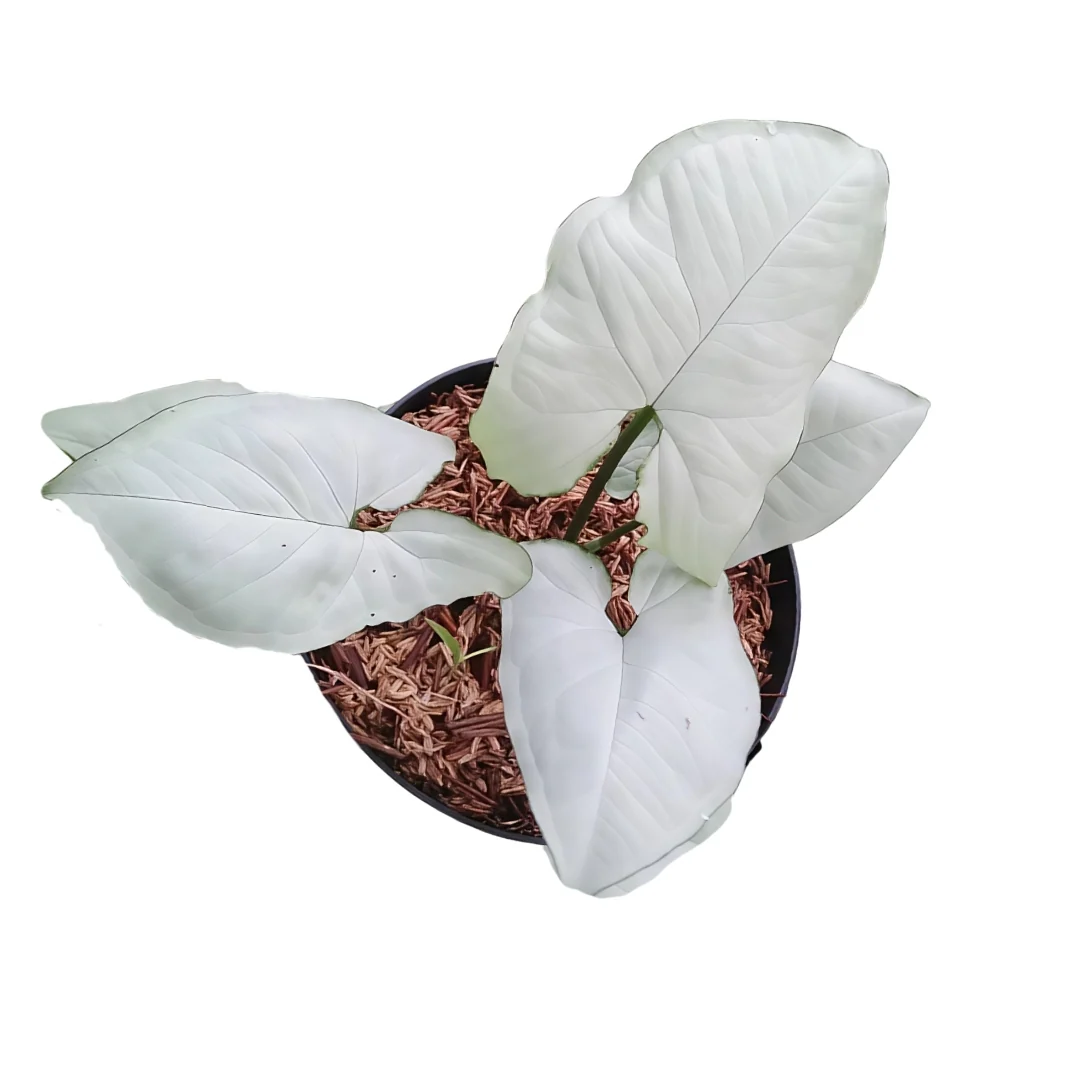
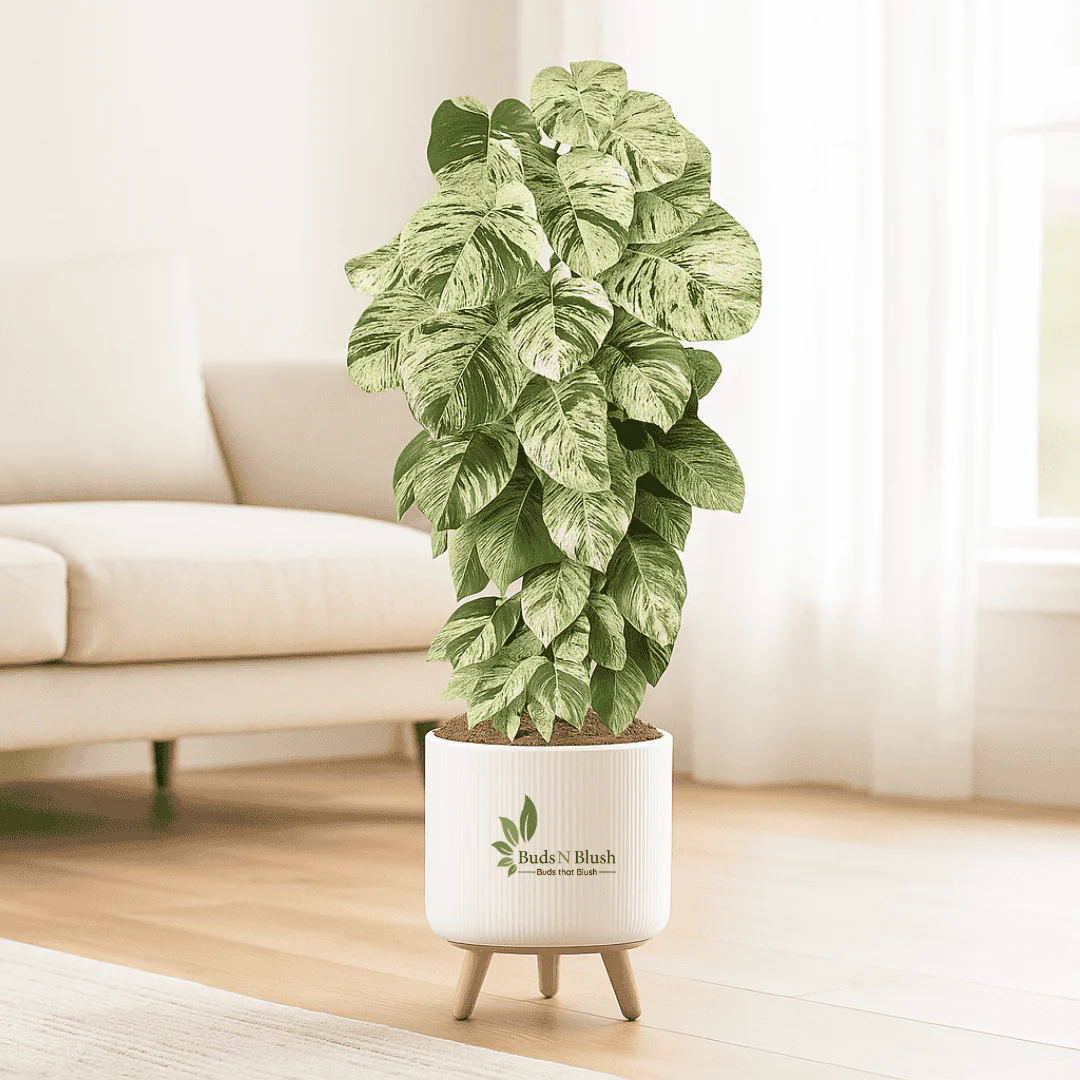
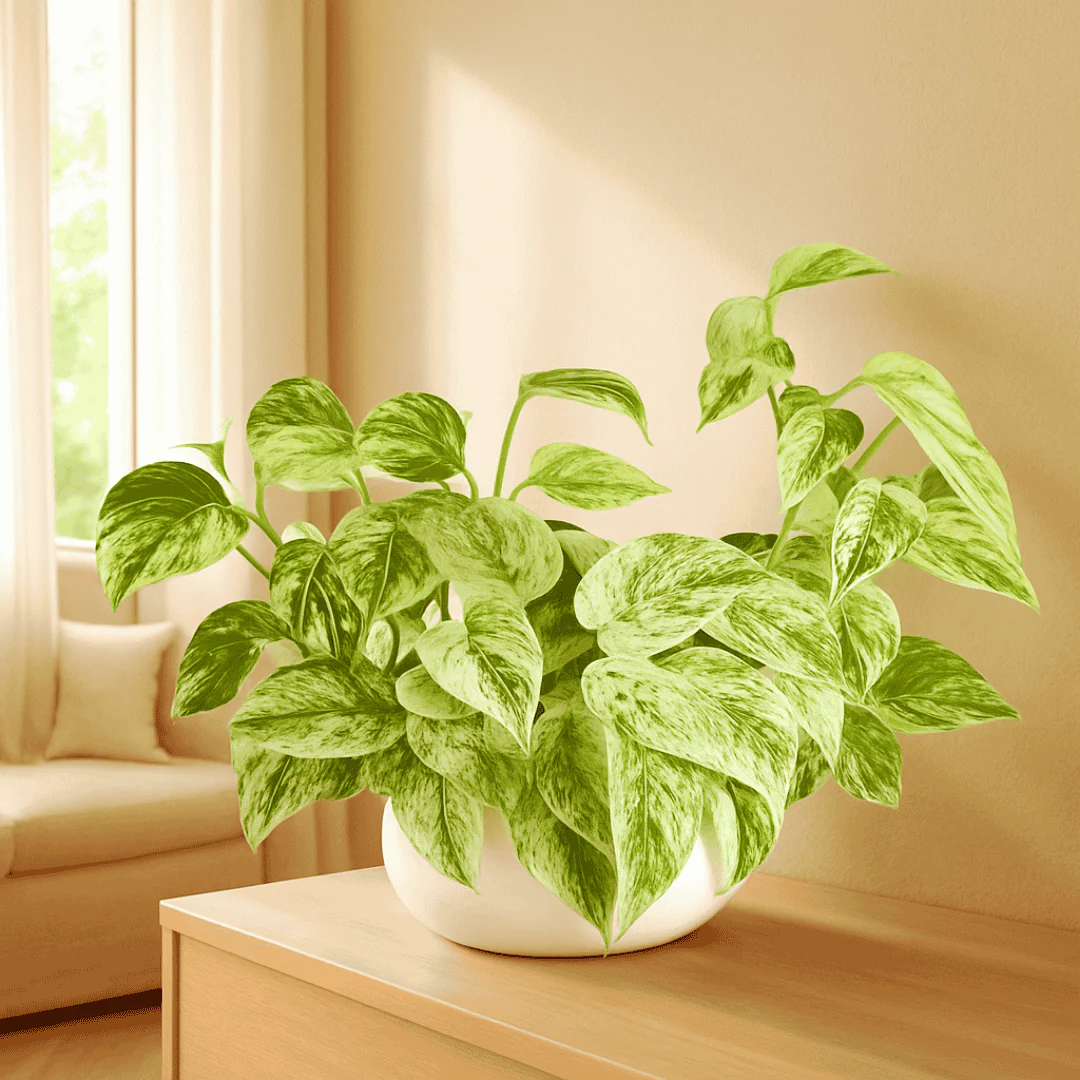
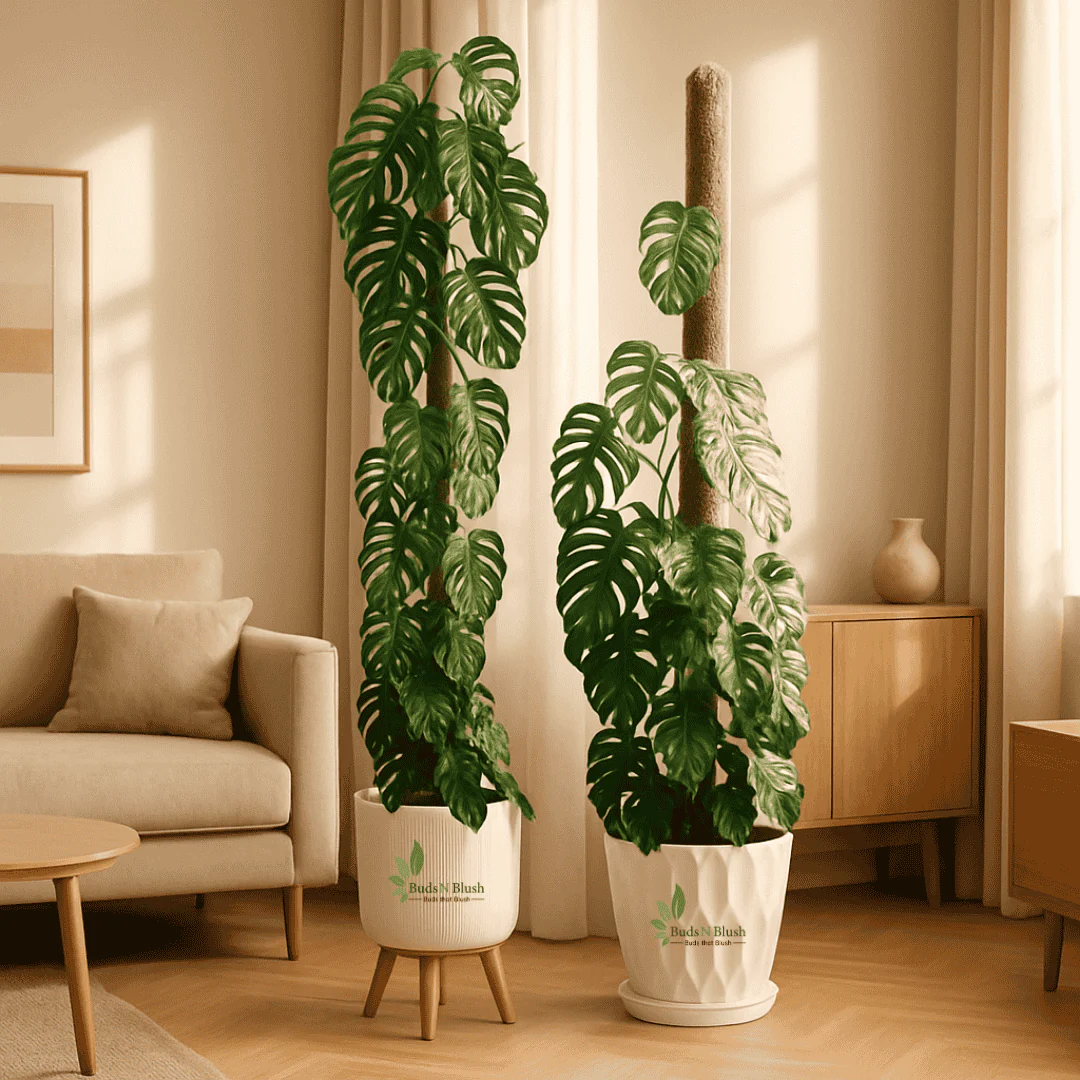
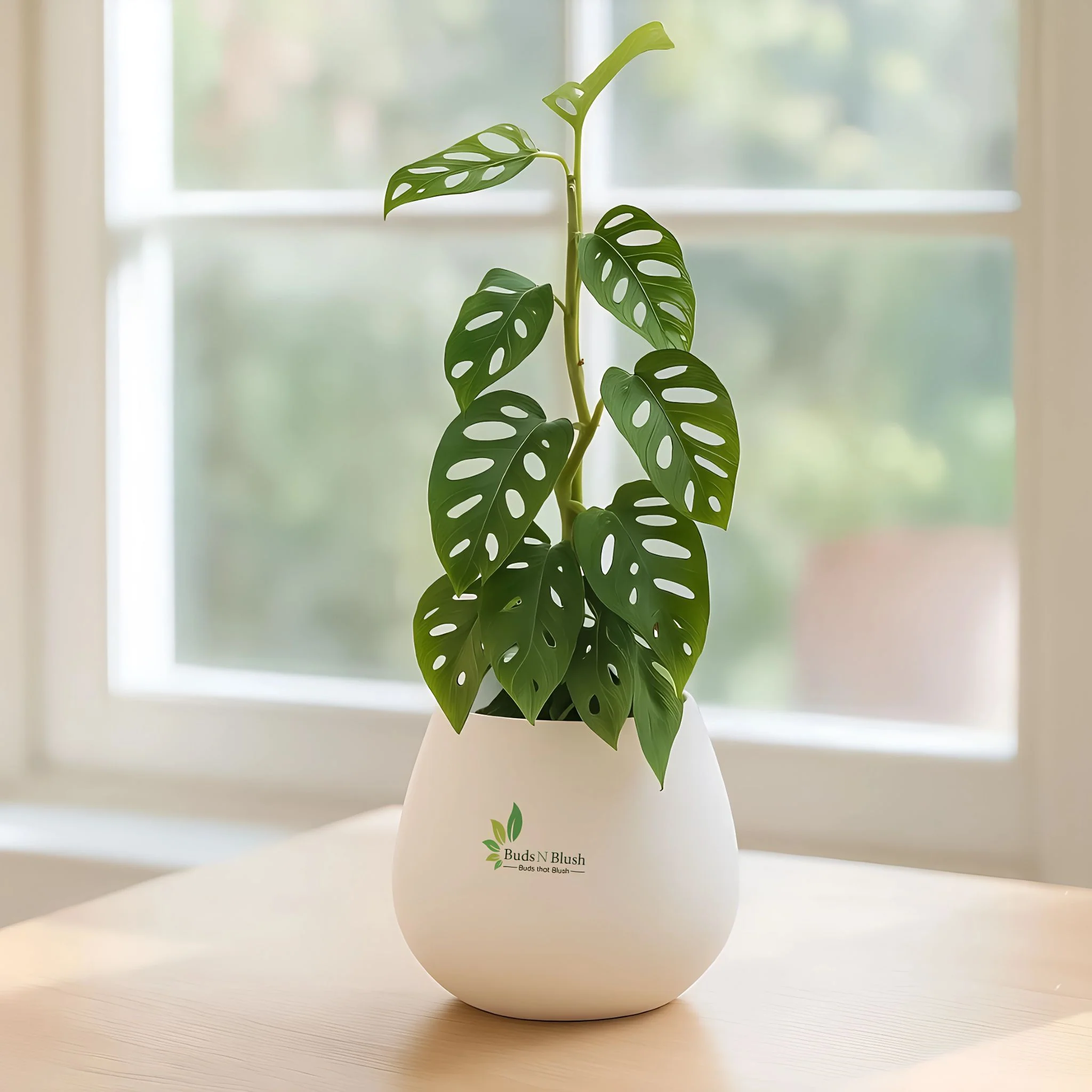
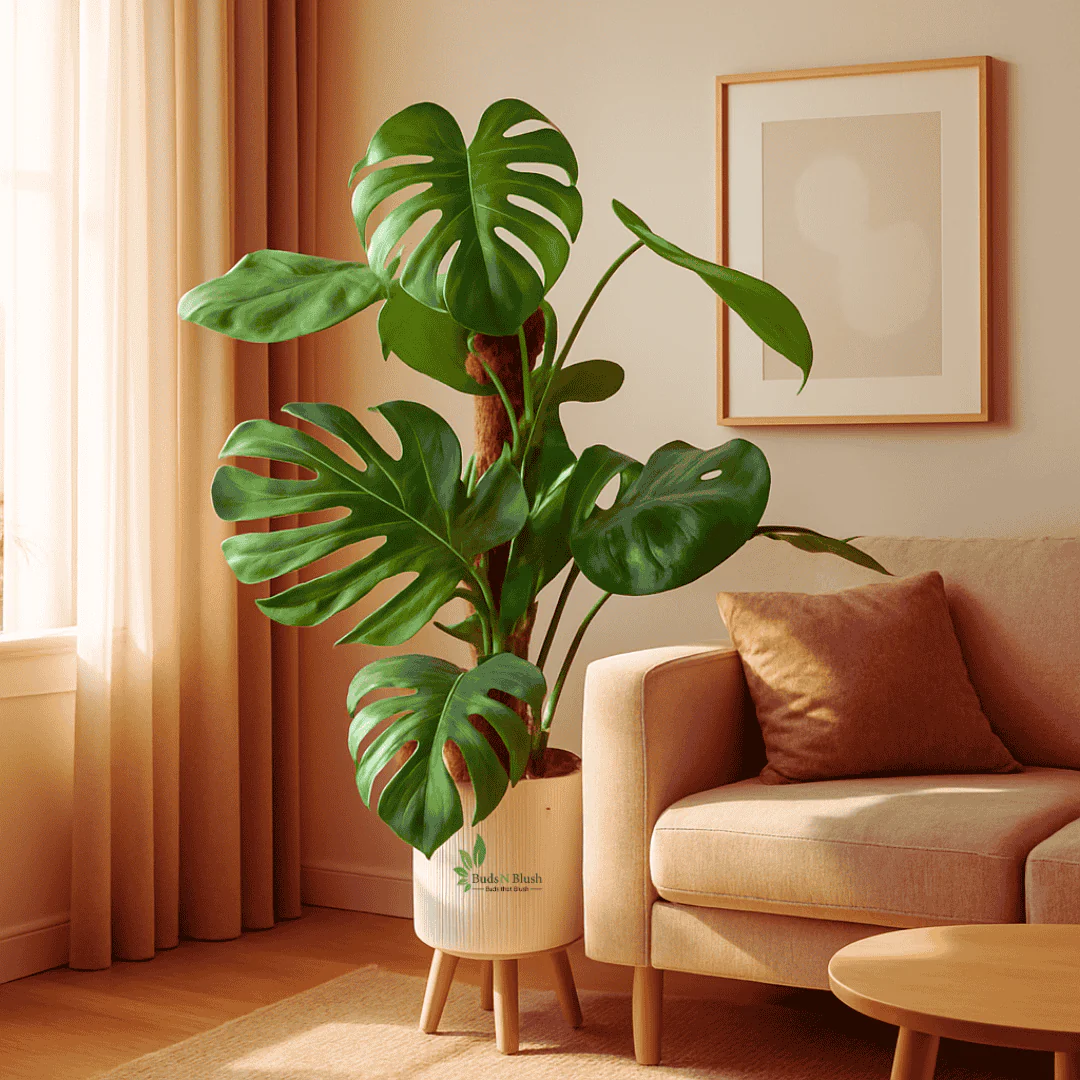
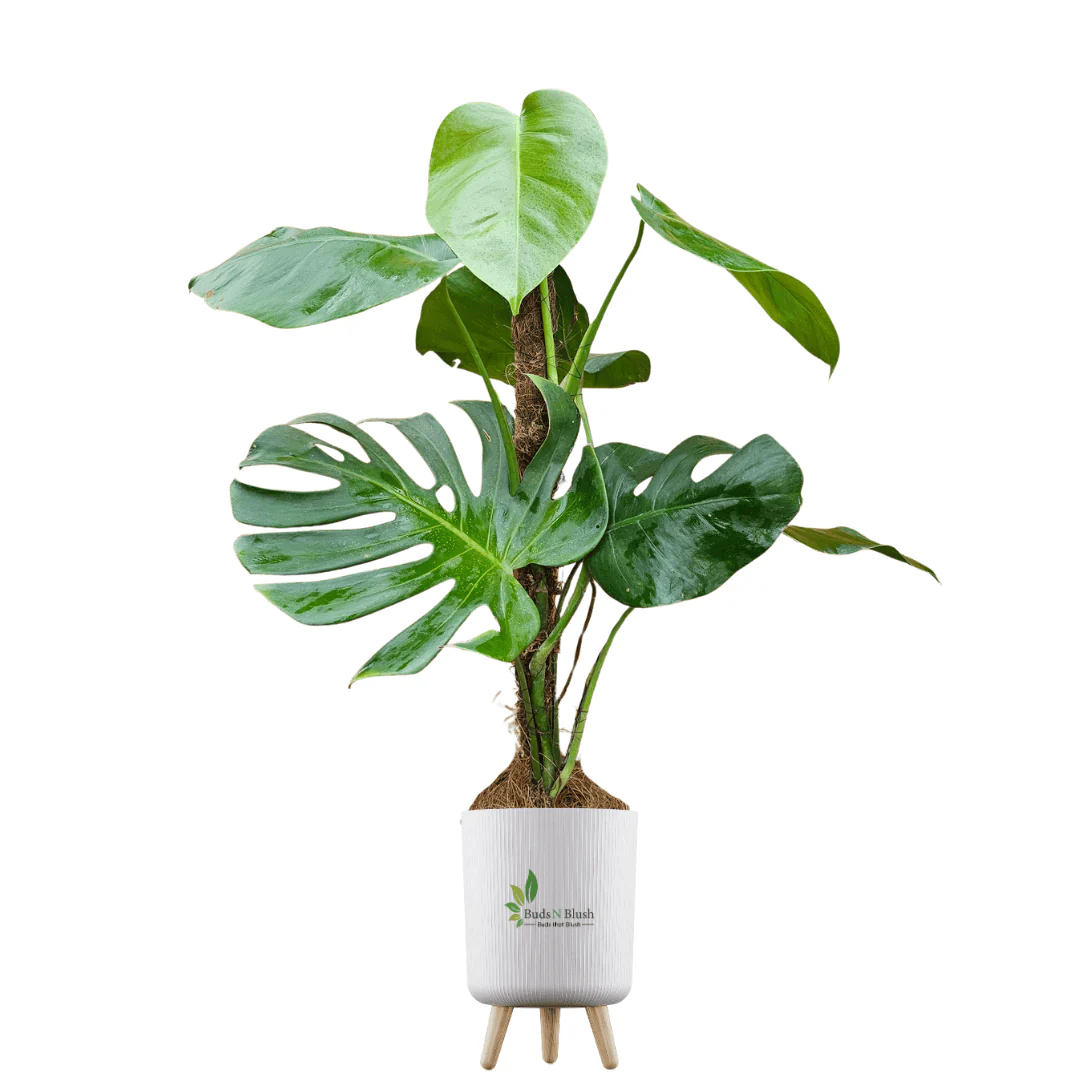
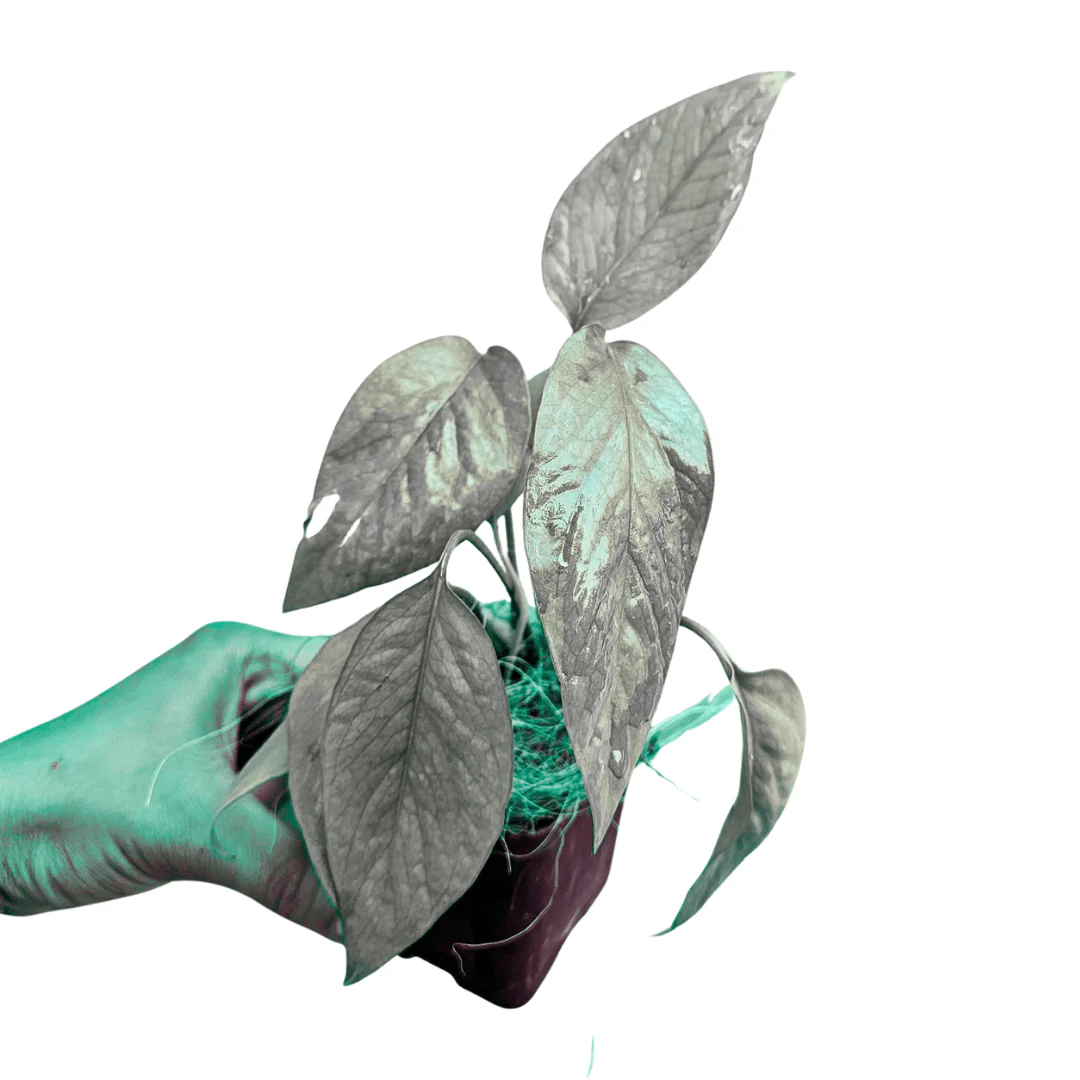
Philodendron Cebu Blue is a highly sought-after tropical climber native to the Philippines, especially loved for its unique blue-silver foliage that shimmers beautifully under the light. Unlike typical green philodendrons, its elongated, narrow leaves develop striking fenestrations (splits) as the plant matures, making it a collector’s favorite. Fast-growing, versatile, and visually stunning, Cebu Blue adds an instant touch of elegance and exotic charm to any indoor space, making it a must-have for plant enthusiasts who want both beauty and easy maintenance in one plant.
Philodendron Cebu Blue is a highly sought-after tropical climber native to the Philippines, especially loved for its unique blue-silver foliage that shimmers beautifully under the light. Unlike typical green philodendrons, its elongated, narrow leaves develop striking fenestrations (splits) as the plant matures, making it a collector’s favorite. Fast-growing, versatile, and visually stunning, Cebu Blue adds an instant touch of elegance and exotic charm to any indoor space, making it a must-have for plant enthusiasts who want both beauty and easy maintenance in one plant.
✅Care Information
-
Use a well-draining, airy mix such as coco peat, perlite, and orchid bark to support strong root growth.
-
Water when the top 1–2 inches of soil feel dry; avoid overwatering to prevent root rot.
-
Provide bright, indirect light to maintain that signature silvery-blue leaf tone.
-
Maintain moderate to high humidity (50%–70%) for best growth and leaf development.
-
Keep temperatures between 18°C and 30°C; protect from cold drafts or sudden temperature shifts.
-
Fertilize every 3–4 weeks during the growing season with a balanced liquid fertilizer.
-
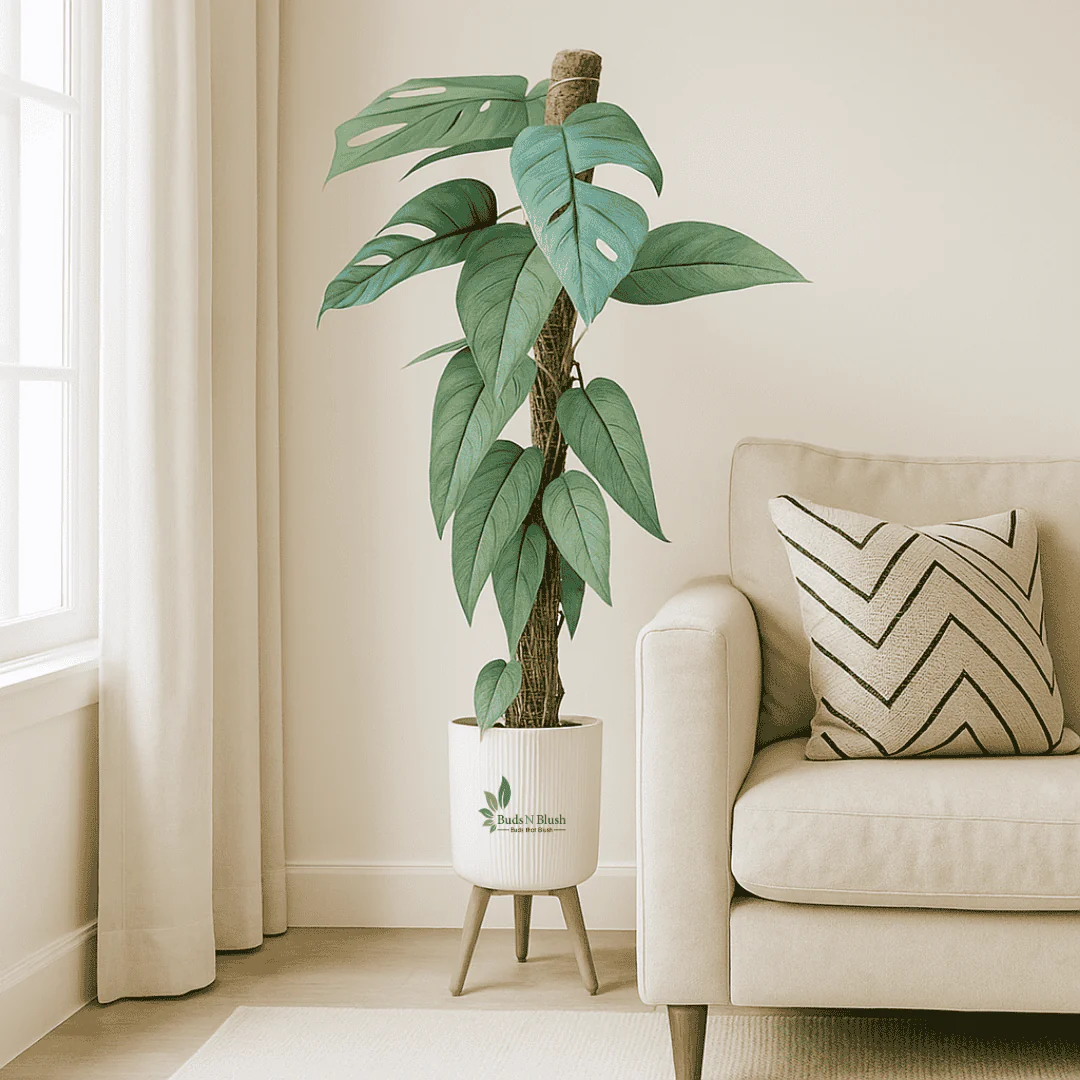
Give the plant a moss pole or trellis for upward climbing and larger fenestrated leaves.
✅Where to Keep
-
Near east- or north-facing windows with bright, filtered light.
-
Ideal for living rooms, offices, or bedrooms where it can climb or trail gracefully.
-
Can be placed on shelves, hanging planters, or next to a wall for vertical support.
-
Suitable for moderately humid rooms like kitchens or bathrooms.
-
Keep away from harsh direct sunlight to prevent leaf burn.
✅Common Problems
-
Yellowing leaves: Usually caused by overwatering or poor drainage.
-
Leggy growth: Indicates low light conditions; shift to a brighter spot.
-
Brown leaf tips: Often due to low humidity or underwatering.
-
Drooping leaves: Caused by inconsistent watering or temperature stress.
-
Pest issues like spider mites or mealybugs: More common in dry conditions; treat promptly with mild insecticidal soap.
-
Slow growth: Typically from insufficient light or lack of nutrients.
-
Use a well-draining, airy mix such as coco peat, perlite, and orchid bark to support strong root growth.
-
Water when the top 1–2 inches of soil feel dry; avoid overwatering to prevent root rot.
-
Provide bright, indirect light to maintain that signature silvery-blue leaf tone.
-
Maintain moderate to high humidity (50%–70%) for best growth and leaf development.
-
Keep temperatures between 18°C and 30°C; protect from cold drafts or sudden temperature shifts.
-
Fertilize every 3–4 weeks during the growing season with a balanced liquid fertilizer.
-
Give the plant a moss pole or trellis for upward climbing and larger fenestrated leaves.
✅Where to Keep
-
Near east- or north-facing windows with bright, filtered light.
-
Ideal for living rooms, offices, or bedrooms where it can climb or trail gracefully.
-
Can be placed on shelves, hanging planters, or next to a wall for vertical support.
-
Suitable for moderately humid rooms like kitchens or bathrooms.
-
Keep away from harsh direct sunlight to prevent leaf burn.
✅Common Problems
-
Yellowing leaves: Usually caused by overwatering or poor drainage.
-
Leggy growth: Indicates low light conditions; shift to a brighter spot.
-
Brown leaf tips: Often due to low humidity or underwatering.
-
Drooping leaves: Caused by inconsistent watering or temperature stress.
-
Pest issues like spider mites or mealybugs: More common in dry conditions; treat promptly with mild insecticidal soap.
-
Slow growth: Typically from insufficient light or lack of nutrients.
- This plant is not available for COD.
Product Information
Product Information
Shipping & Returns
Shipping & Returns
Monstera Cebu Blue
Monstera Cebu Blue
✅Know Your Plant
Philodendron Cebu Blue is a highly sought-after tropical climber native to the Philippines, especially loved for its unique blue-silver foliage that shimmers beautifully under the light. Unlike typical green philodendrons, its elongated, narrow leaves develop striking fenestrations (splits) as the plant matures, making it a collector’s favorite. Fast-growing, versatile, and visually stunning, Cebu Blue adds an instant touch of elegance and exotic charm to any indoor space, making it a must-have for plant enthusiasts who want both beauty and easy maintenance in one plant.
Philodendron Cebu Blue is a highly sought-after tropical climber native to the Philippines, especially loved for its unique blue-silver foliage that shimmers beautifully under the light. Unlike typical green philodendrons, its elongated, narrow leaves develop striking fenestrations (splits) as the plant matures, making it a collector’s favorite. Fast-growing, versatile, and visually stunning, Cebu Blue adds an instant touch of elegance and exotic charm to any indoor space, making it a must-have for plant enthusiasts who want both beauty and easy maintenance in one plant.
✅Care Information
-
Use a well-draining, airy mix such as coco peat, perlite, and orchid bark to support strong root growth.
-
Water when the top 1–2 inches of soil feel dry; avoid overwatering to prevent root rot.
-
Provide bright, indirect light to maintain that signature silvery-blue leaf tone.
-
Maintain moderate to high humidity (50%–70%) for best growth and leaf development.
-
Keep temperatures between 18°C and 30°C; protect from cold drafts or sudden temperature shifts.
-
Fertilize every 3–4 weeks during the growing season with a balanced liquid fertilizer.
-
Give the plant a moss pole or trellis for upward climbing and larger fenestrated leaves.
✅Where to Keep
-
Near east- or north-facing windows with bright, filtered light.
-
Ideal for living rooms, offices, or bedrooms where it can climb or trail gracefully.
-
Can be placed on shelves, hanging planters, or next to a wall for vertical support.
-
Suitable for moderately humid rooms like kitchens or bathrooms.
-
Keep away from harsh direct sunlight to prevent leaf burn.
✅Common Problems
-
Yellowing leaves: Usually caused by overwatering or poor drainage.
-
Leggy growth: Indicates low light conditions; shift to a brighter spot.
-
Brown leaf tips: Often due to low humidity or underwatering.
-
Drooping leaves: Caused by inconsistent watering or temperature stress.
-
Pest issues like spider mites or mealybugs: More common in dry conditions; treat promptly with mild insecticidal soap.
-
Slow growth: Typically from insufficient light or lack of nutrients.
-
Use a well-draining, airy mix such as coco peat, perlite, and orchid bark to support strong root growth.
-
Water when the top 1–2 inches of soil feel dry; avoid overwatering to prevent root rot.
-
Provide bright, indirect light to maintain that signature silvery-blue leaf tone.
-
Maintain moderate to high humidity (50%–70%) for best growth and leaf development.
-
Keep temperatures between 18°C and 30°C; protect from cold drafts or sudden temperature shifts.
-
Fertilize every 3–4 weeks during the growing season with a balanced liquid fertilizer.
-
Give the plant a moss pole or trellis for upward climbing and larger fenestrated leaves.
✅Where to Keep
-
Near east- or north-facing windows with bright, filtered light.
-
Ideal for living rooms, offices, or bedrooms where it can climb or trail gracefully.
-
Can be placed on shelves, hanging planters, or next to a wall for vertical support.
-
Suitable for moderately humid rooms like kitchens or bathrooms.
-
Keep away from harsh direct sunlight to prevent leaf burn.
✅Common Problems
-
Yellowing leaves: Usually caused by overwatering or poor drainage.
-
Leggy growth: Indicates low light conditions; shift to a brighter spot.
-
Brown leaf tips: Often due to low humidity or underwatering.
-
Drooping leaves: Caused by inconsistent watering or temperature stress.
-
Pest issues like spider mites or mealybugs: More common in dry conditions; treat promptly with mild insecticidal soap.
-
Slow growth: Typically from insufficient light or lack of nutrients.
- This plant is not available for COD.
Original: $4.03
-70%$4.03
$1.21Product Information
Product Information
Shipping & Returns
Shipping & Returns
Description
✅Know Your Plant
Philodendron Cebu Blue is a highly sought-after tropical climber native to the Philippines, especially loved for its unique blue-silver foliage that shimmers beautifully under the light. Unlike typical green philodendrons, its elongated, narrow leaves develop striking fenestrations (splits) as the plant matures, making it a collector’s favorite. Fast-growing, versatile, and visually stunning, Cebu Blue adds an instant touch of elegance and exotic charm to any indoor space, making it a must-have for plant enthusiasts who want both beauty and easy maintenance in one plant.
Philodendron Cebu Blue is a highly sought-after tropical climber native to the Philippines, especially loved for its unique blue-silver foliage that shimmers beautifully under the light. Unlike typical green philodendrons, its elongated, narrow leaves develop striking fenestrations (splits) as the plant matures, making it a collector’s favorite. Fast-growing, versatile, and visually stunning, Cebu Blue adds an instant touch of elegance and exotic charm to any indoor space, making it a must-have for plant enthusiasts who want both beauty and easy maintenance in one plant.
✅Care Information
-
Use a well-draining, airy mix such as coco peat, perlite, and orchid bark to support strong root growth.
-
Water when the top 1–2 inches of soil feel dry; avoid overwatering to prevent root rot.
-
Provide bright, indirect light to maintain that signature silvery-blue leaf tone.
-
Maintain moderate to high humidity (50%–70%) for best growth and leaf development.
-
Keep temperatures between 18°C and 30°C; protect from cold drafts or sudden temperature shifts.
-
Fertilize every 3–4 weeks during the growing season with a balanced liquid fertilizer.
-
Give the plant a moss pole or trellis for upward climbing and larger fenestrated leaves.
✅Where to Keep
-
Near east- or north-facing windows with bright, filtered light.
-
Ideal for living rooms, offices, or bedrooms where it can climb or trail gracefully.
-
Can be placed on shelves, hanging planters, or next to a wall for vertical support.
-
Suitable for moderately humid rooms like kitchens or bathrooms.
-
Keep away from harsh direct sunlight to prevent leaf burn.
✅Common Problems
-
Yellowing leaves: Usually caused by overwatering or poor drainage.
-
Leggy growth: Indicates low light conditions; shift to a brighter spot.
-
Brown leaf tips: Often due to low humidity or underwatering.
-
Drooping leaves: Caused by inconsistent watering or temperature stress.
-
Pest issues like spider mites or mealybugs: More common in dry conditions; treat promptly with mild insecticidal soap.
-
Slow growth: Typically from insufficient light or lack of nutrients.
-
Use a well-draining, airy mix such as coco peat, perlite, and orchid bark to support strong root growth.
-
Water when the top 1–2 inches of soil feel dry; avoid overwatering to prevent root rot.
-
Provide bright, indirect light to maintain that signature silvery-blue leaf tone.
-
Maintain moderate to high humidity (50%–70%) for best growth and leaf development.
-
Keep temperatures between 18°C and 30°C; protect from cold drafts or sudden temperature shifts.
-
Fertilize every 3–4 weeks during the growing season with a balanced liquid fertilizer.
-
Give the plant a moss pole or trellis for upward climbing and larger fenestrated leaves.
✅Where to Keep
-
Near east- or north-facing windows with bright, filtered light.
-
Ideal for living rooms, offices, or bedrooms where it can climb or trail gracefully.
-
Can be placed on shelves, hanging planters, or next to a wall for vertical support.
-
Suitable for moderately humid rooms like kitchens or bathrooms.
-
Keep away from harsh direct sunlight to prevent leaf burn.
✅Common Problems
-
Yellowing leaves: Usually caused by overwatering or poor drainage.
-
Leggy growth: Indicates low light conditions; shift to a brighter spot.
-
Brown leaf tips: Often due to low humidity or underwatering.
-
Drooping leaves: Caused by inconsistent watering or temperature stress.
-
Pest issues like spider mites or mealybugs: More common in dry conditions; treat promptly with mild insecticidal soap.
-
Slow growth: Typically from insufficient light or lack of nutrients.
- This plant is not available for COD.