Mogra Baby
✅ Mogra Plant – Fragrant Beauty and Timeless Elegance
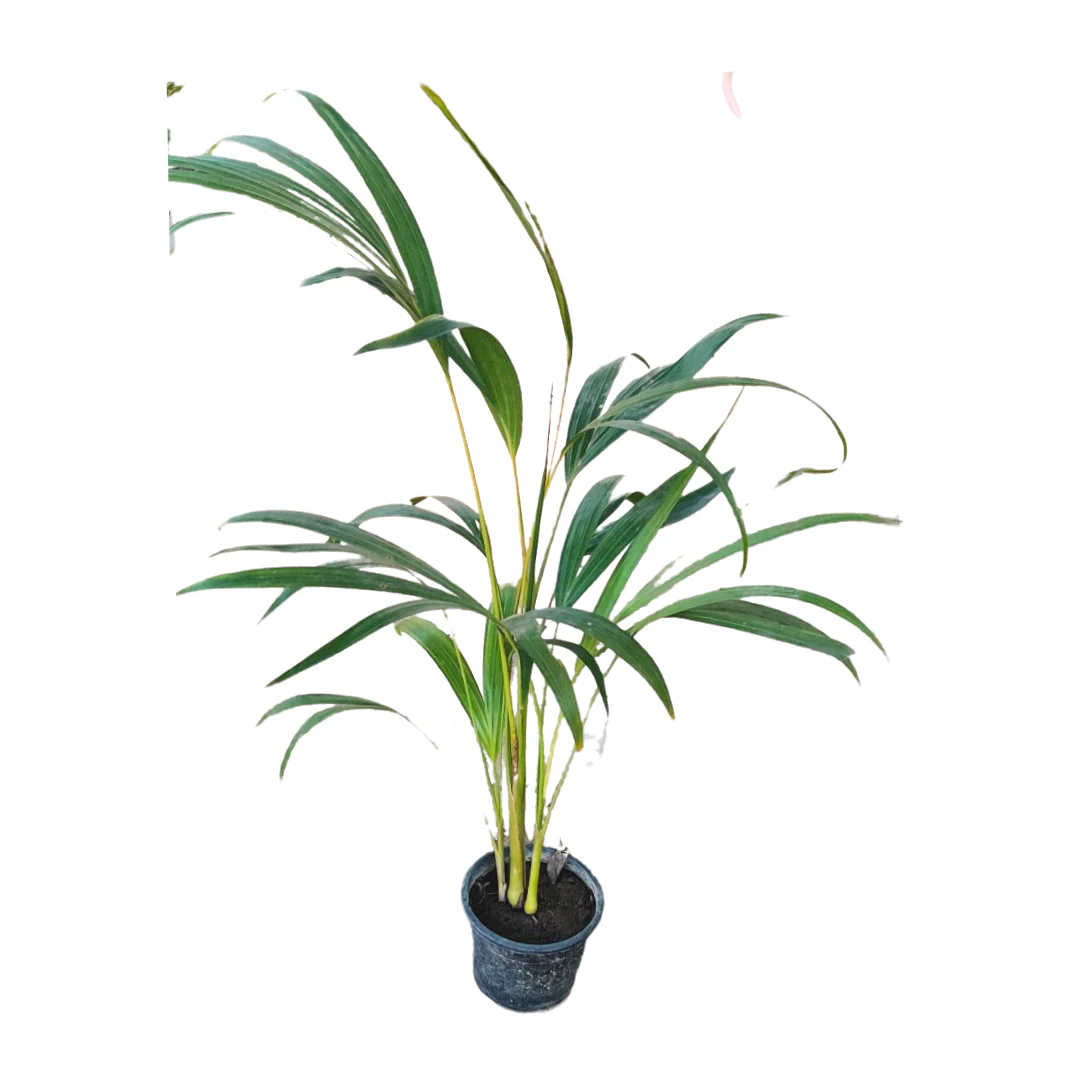
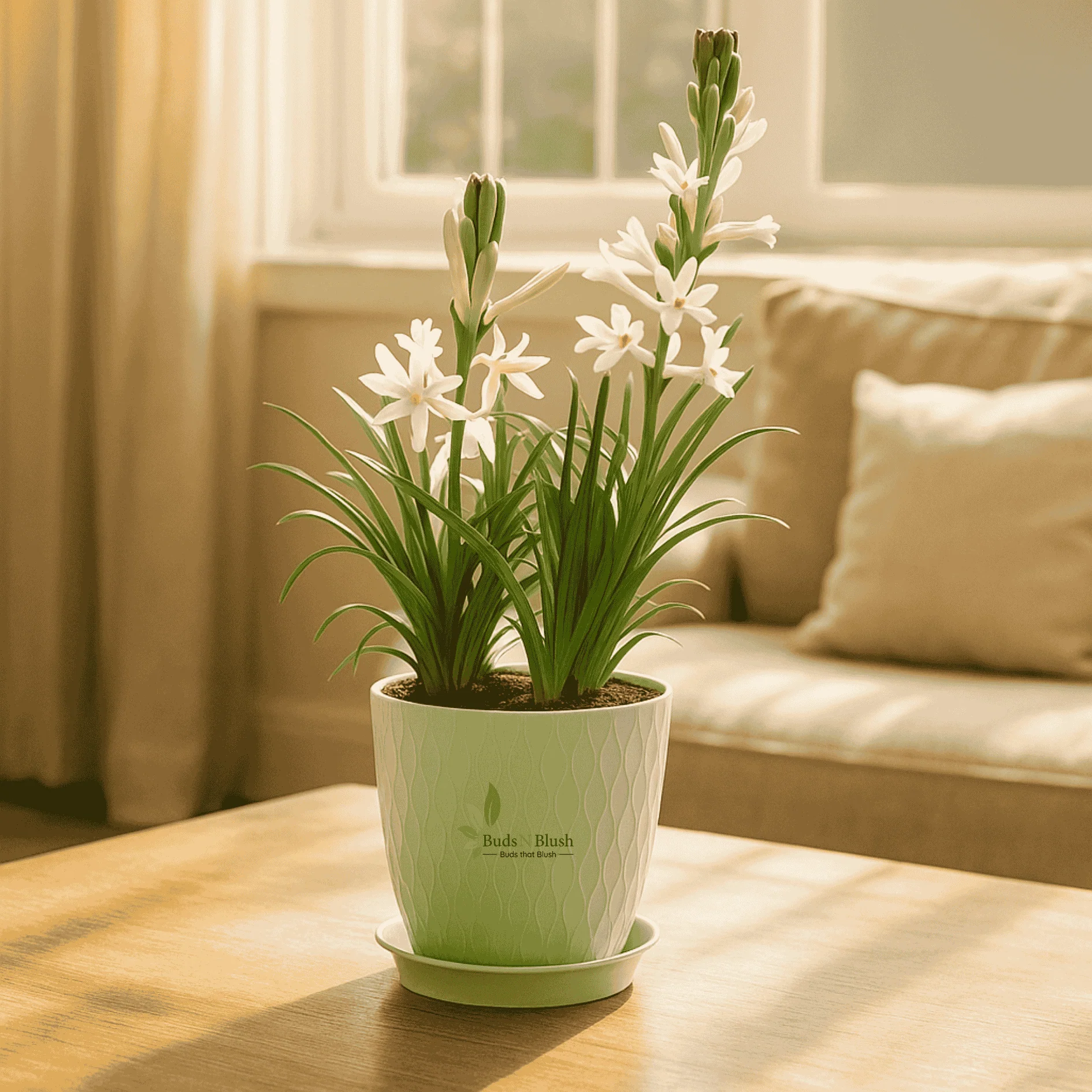
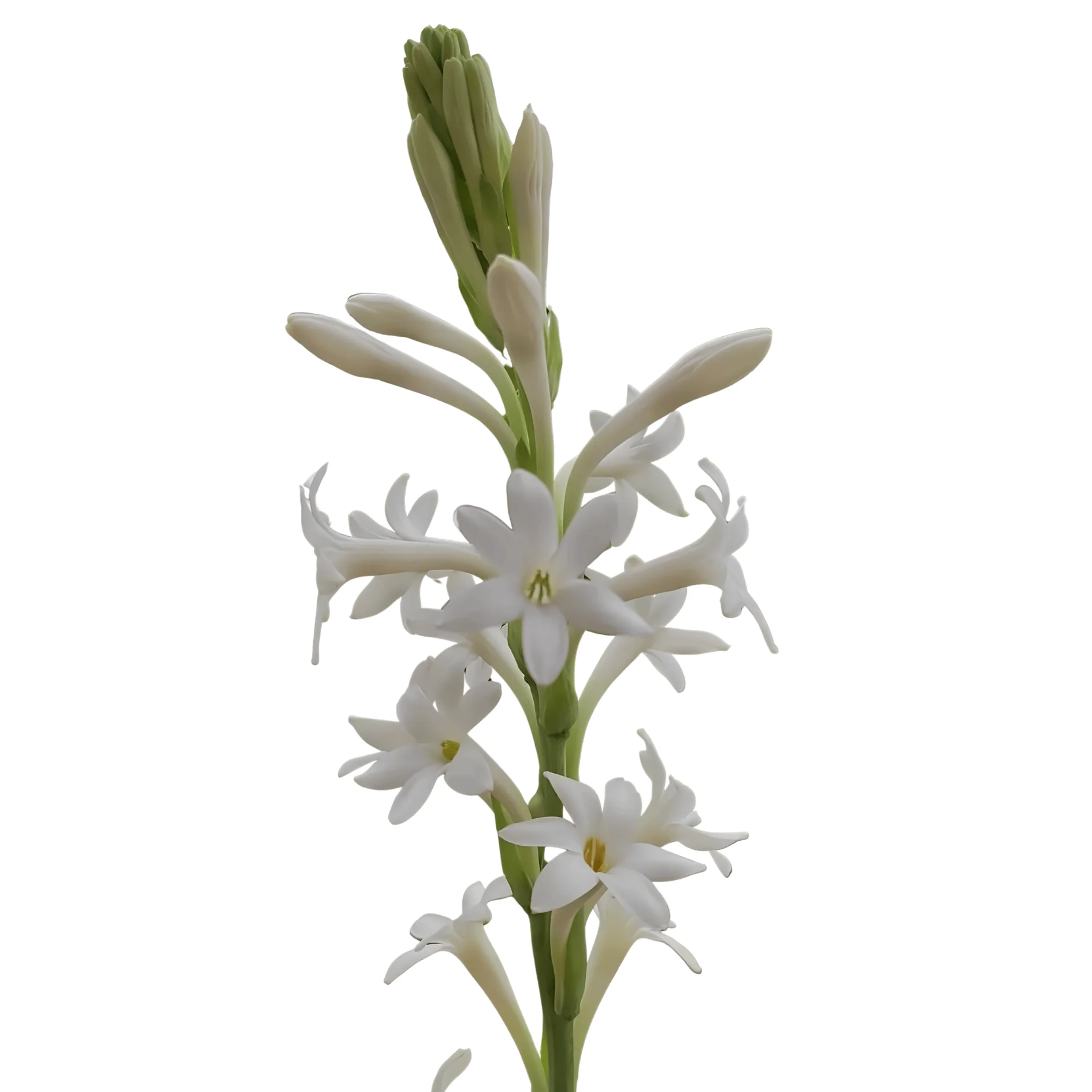
Mogra (Jasminum sambac) is a beloved flowering plant cherished for its intoxicating fragrance and delicate white blooms. A symbol of purity, love, and positivity, it is widely grown in gardens, balconies, and courtyards, making any space instantly inviting and serene.
✅ Origin and Natural Habitat
-
Native to South and Southeast Asia
-
Thrives in warm, tropical, and subtropical climates
-
Commonly grown in home gardens, temple courtyards, and public landscapes
-
Naturally prefers sunny locations with well-draining soil
✅ Perfect Placement for a Stunning Display
-
Along garden borders or as a decorative hedge
-
In large pots on sunny balconies or verandas
-
Near entryways for a fragrant welcome
-
Around gazebos and outdoor seating areas for a romantic setting
-
As part of floral arrangements for weddings and celebrations
✅ Care Guide – From Nurturing to Thriving
-
Requires full sunlight for abundant flowering
-
Water regularly, keeping soil slightly moist but never waterlogged
-
Prefers well-draining, fertile soil enriched with organic matter
-
Fertilize every 3–4 weeks during blooming season with a phosphorus-rich fertilizer
-
Prune lightly after flowering to maintain shape and encourage new buds
-
Protect from frost and extreme cold in winter
✅ Benefits of Growing Mogra
-
Produces sweetly fragrant blooms used in garlands, teas, and perfumes
-
Symbolizes purity, peace, and love in many cultures
-
Attracts pollinators like bees and butterflies
-
Year-round evergreen foliage with seasonal flowering
-
Low-maintenance and long-living once established
✅ Common Problems and How to Prevent Them
-
Yellow leaves from overwatering – allow soil to partially dry before watering again
-
Poor flowering from lack of sunlight – relocate to a sunnier spot
-
Pest issues like aphids and mealybugs – treat early with neem oil or insecticidal soap
-
Fungal spots from high humidity – improve air circulation around the plant
Product Information
Product Information
Shipping & Returns
Shipping & Returns

Mogra Baby
Mogra Baby
✅ Mogra Plant – Fragrant Beauty and Timeless Elegance
Mogra (Jasminum sambac) is a beloved flowering plant cherished for its intoxicating fragrance and delicate white blooms. A symbol of purity, love, and positivity, it is widely grown in gardens, balconies, and courtyards, making any space instantly inviting and serene.
✅ Origin and Natural Habitat
-
Native to South and Southeast Asia
-
Thrives in warm, tropical, and subtropical climates
-
Commonly grown in home gardens, temple courtyards, and public landscapes
-
Naturally prefers sunny locations with well-draining soil
✅ Perfect Placement for a Stunning Display
-
Along garden borders or as a decorative hedge
-
In large pots on sunny balconies or verandas
-
Near entryways for a fragrant welcome
-
Around gazebos and outdoor seating areas for a romantic setting
-
As part of floral arrangements for weddings and celebrations
✅ Care Guide – From Nurturing to Thriving
-
Requires full sunlight for abundant flowering
-
Water regularly, keeping soil slightly moist but never waterlogged
-
Prefers well-draining, fertile soil enriched with organic matter
-
Fertilize every 3–4 weeks during blooming season with a phosphorus-rich fertilizer
-
Prune lightly after flowering to maintain shape and encourage new buds
-
Protect from frost and extreme cold in winter
✅ Benefits of Growing Mogra
-
Produces sweetly fragrant blooms used in garlands, teas, and perfumes
-
Symbolizes purity, peace, and love in many cultures
-
Attracts pollinators like bees and butterflies
-
Year-round evergreen foliage with seasonal flowering
-
Low-maintenance and long-living once established
✅ Common Problems and How to Prevent Them
-
Yellow leaves from overwatering – allow soil to partially dry before watering again
-
Poor flowering from lack of sunlight – relocate to a sunnier spot
-
Pest issues like aphids and mealybugs – treat early with neem oil or insecticidal soap
-
Fungal spots from high humidity – improve air circulation around the plant
Original: $1.67
-70%$1.67
$0.50Product Information
Product Information
Shipping & Returns
Shipping & Returns
Description
✅ Mogra Plant – Fragrant Beauty and Timeless Elegance
Mogra (Jasminum sambac) is a beloved flowering plant cherished for its intoxicating fragrance and delicate white blooms. A symbol of purity, love, and positivity, it is widely grown in gardens, balconies, and courtyards, making any space instantly inviting and serene.
✅ Origin and Natural Habitat
-
Native to South and Southeast Asia
-
Thrives in warm, tropical, and subtropical climates
-
Commonly grown in home gardens, temple courtyards, and public landscapes
-
Naturally prefers sunny locations with well-draining soil
✅ Perfect Placement for a Stunning Display
-
Along garden borders or as a decorative hedge
-
In large pots on sunny balconies or verandas
-
Near entryways for a fragrant welcome
-
Around gazebos and outdoor seating areas for a romantic setting
-
As part of floral arrangements for weddings and celebrations
✅ Care Guide – From Nurturing to Thriving
-
Requires full sunlight for abundant flowering
-
Water regularly, keeping soil slightly moist but never waterlogged
-
Prefers well-draining, fertile soil enriched with organic matter
-
Fertilize every 3–4 weeks during blooming season with a phosphorus-rich fertilizer
-
Prune lightly after flowering to maintain shape and encourage new buds
-
Protect from frost and extreme cold in winter
✅ Benefits of Growing Mogra
-
Produces sweetly fragrant blooms used in garlands, teas, and perfumes
-
Symbolizes purity, peace, and love in many cultures
-
Attracts pollinators like bees and butterflies
-
Year-round evergreen foliage with seasonal flowering
-
Low-maintenance and long-living once established
✅ Common Problems and How to Prevent Them
-
Yellow leaves from overwatering – allow soil to partially dry before watering again
-
Poor flowering from lack of sunlight – relocate to a sunnier spot
-
Pest issues like aphids and mealybugs – treat early with neem oil or insecticidal soap
-
Fungal spots from high humidity – improve air circulation around the plant