Spider Plant
✅ Spider Plant – Air-Purifying Elegance in Cascading Green
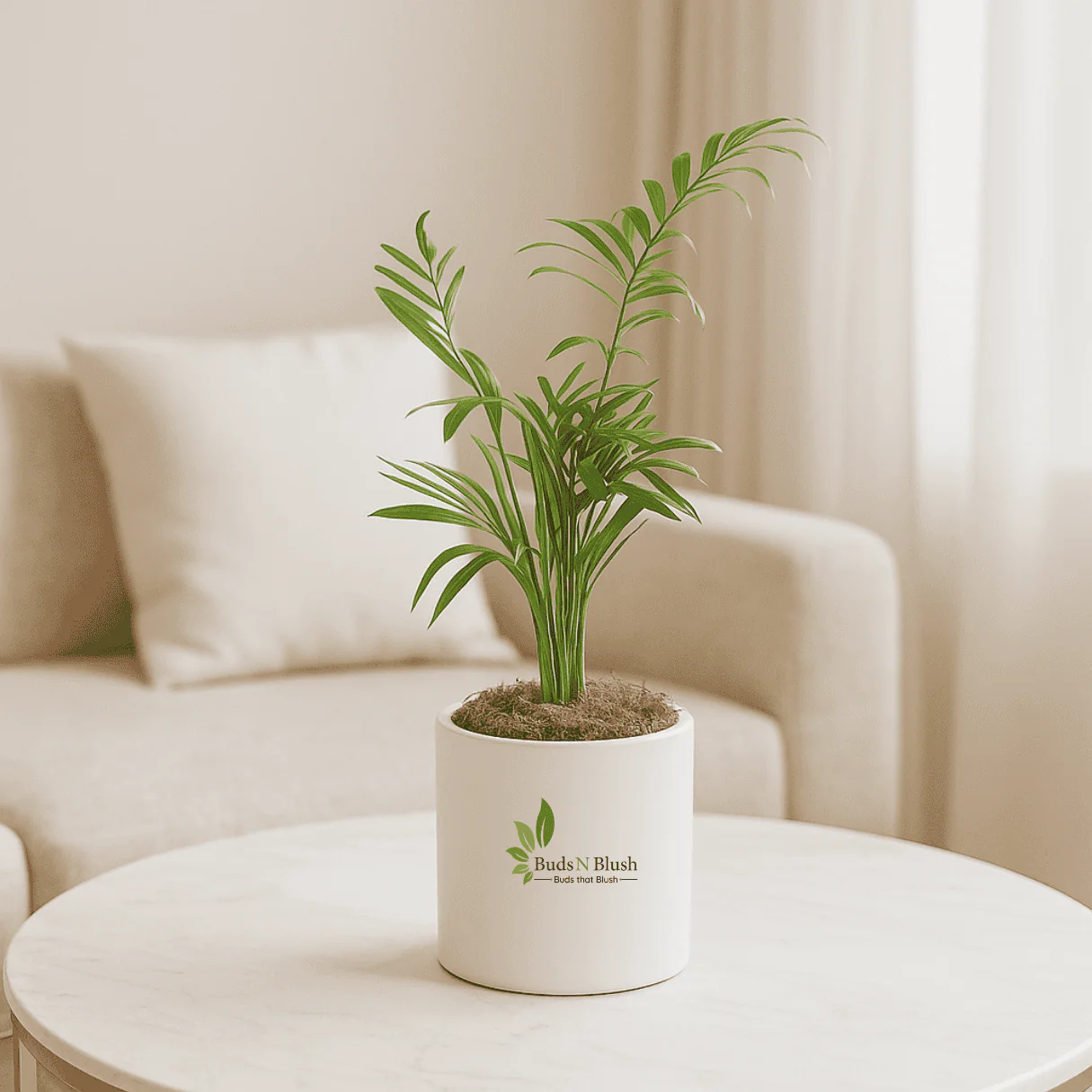
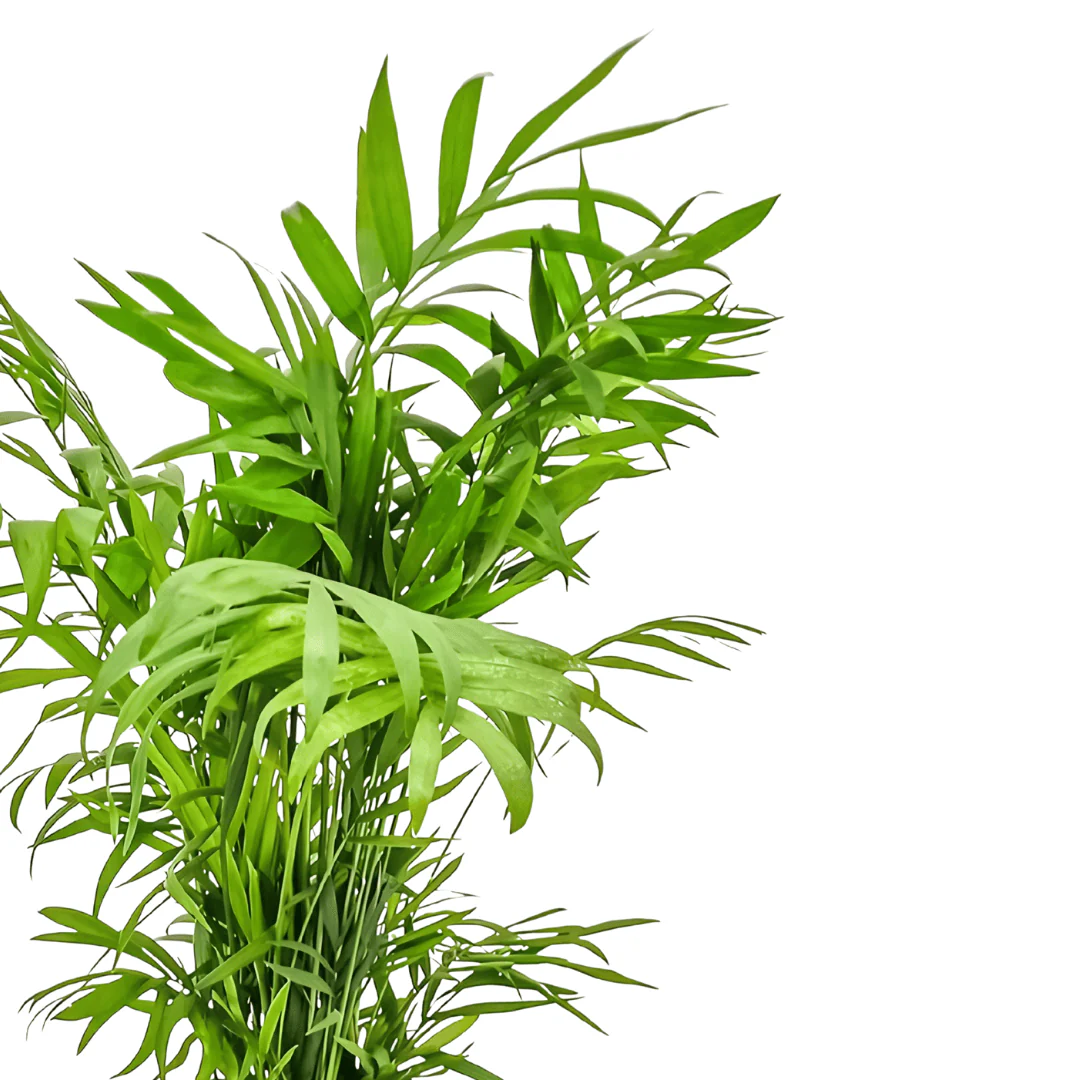
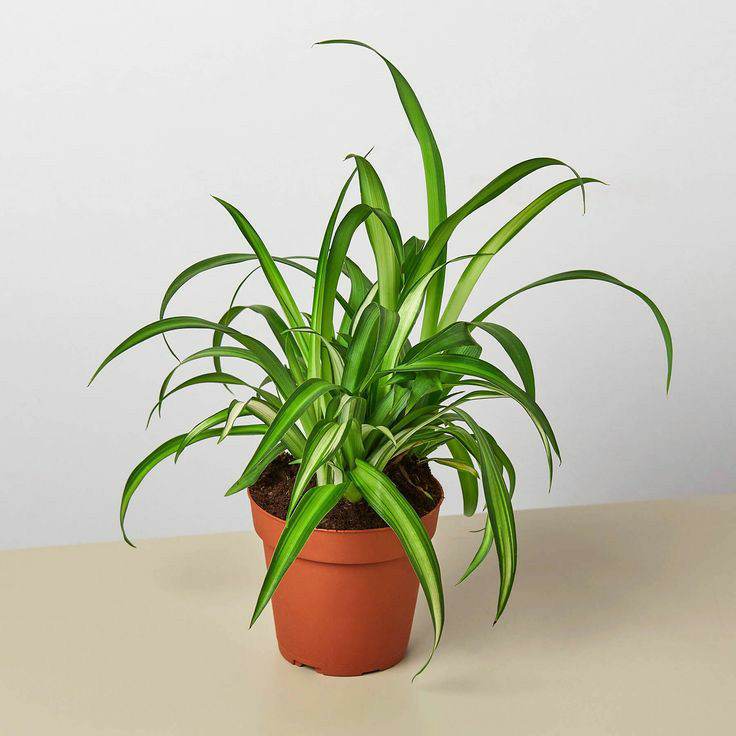
The Spider Plant (Chlorophytum comosum) is one of the most beloved and easy-to-grow houseplants, known for its graceful arching leaves and charming baby plantlets. Highly adaptable and air-purifying, it’s a timeless choice for homes, offices, and indoor gardens.
✅ Origin and Natural Habitat
-
Native to coastal areas and tropical regions of South Africa
-
Thrives in warm, moderately humid environments
-
Grows naturally in partial shade under taller vegetation
-
Widely cultivated globally for ornamental and indoor air-purifying purposes
✅ Perfect Placement for a Stunning Display
-
Hanging baskets to showcase cascading baby plantlets
-
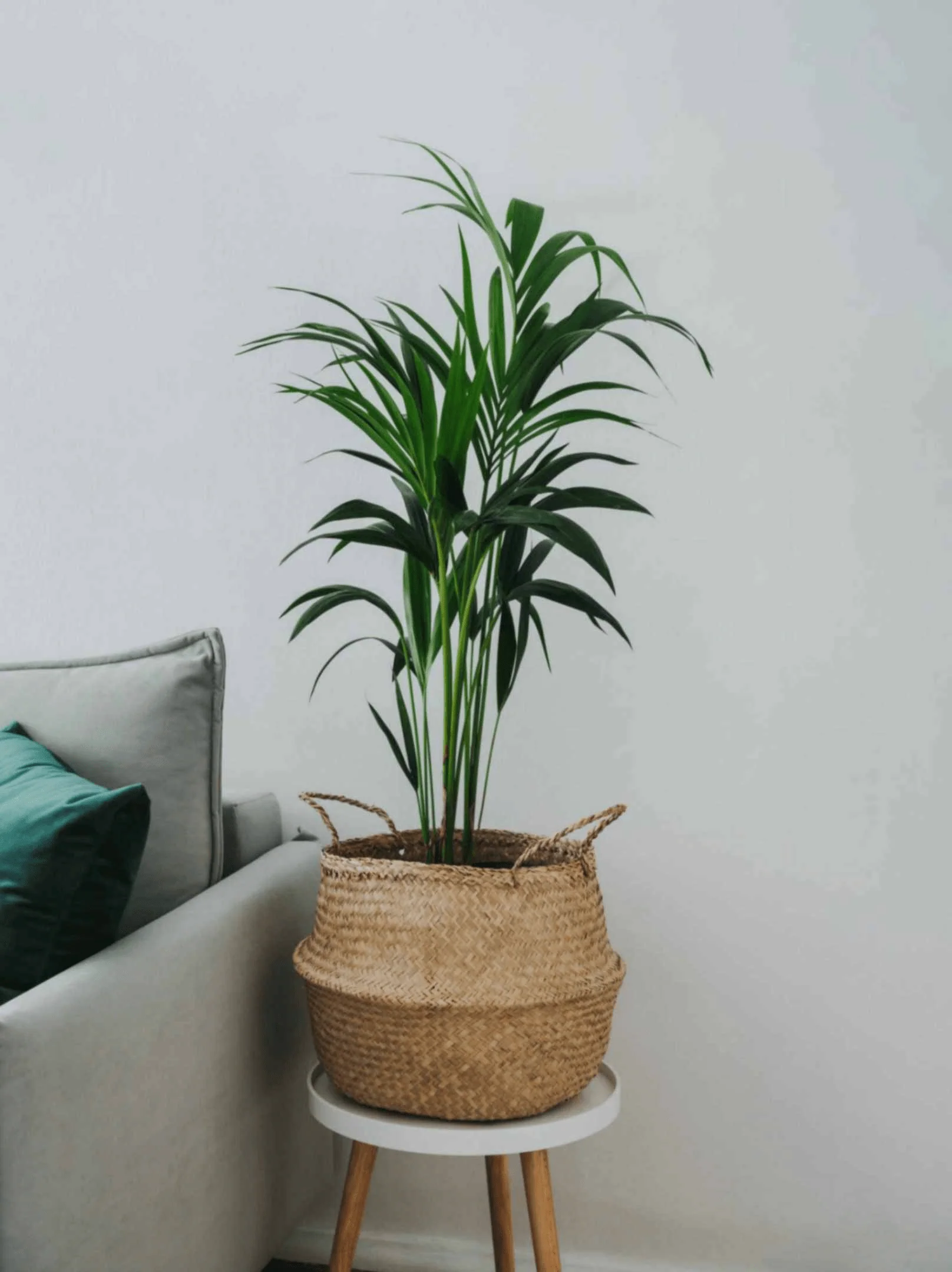
On shelves or plant stands for a touch of greenery at eye level
-
In kitchens or bathrooms where it thrives in bright, indirect light
-
In offices for a low-maintenance, fresh look
-
As a centerpiece for window sills or patios with filtered sunlight
✅ Care Guide – From Nurturing to Thriving
-
Prefers bright, indirect light but tolerates low-light conditions
-
Water moderately, allowing the topsoil to dry slightly between waterings
-
Use well-draining potting mix to prevent root rot
-
Fertilize every 4–6 weeks during the growing season with a balanced liquid fertilizer
-
Trim brown leaf tips to maintain a tidy appearance
-
Propagate easily by planting baby offshoots in soil or water
✅ Benefits of Growing Spider Plant
-
Excellent natural air purifier, removing toxins like formaldehyde and xylene
-
Hardy and forgiving, ideal for beginner gardeners
-
Produces decorative baby plantlets for easy propagation
-
Thrives in a variety of indoor environments
-
Non-toxic to pets, making it safe for households with cats or dogs
✅ Common Problems and How to Prevent Them
-
Brown leaf tips from fluoride or chlorine – use distilled or filtered water
-
Yellowing leaves from overwatering – allow soil to dry between waterings
-
Pale foliage from poor lighting – move to a brighter spot
-
Root crowding – repot every 1–2 years for optimal growth
Product Information
Product Information
Shipping & Returns
Shipping & Returns
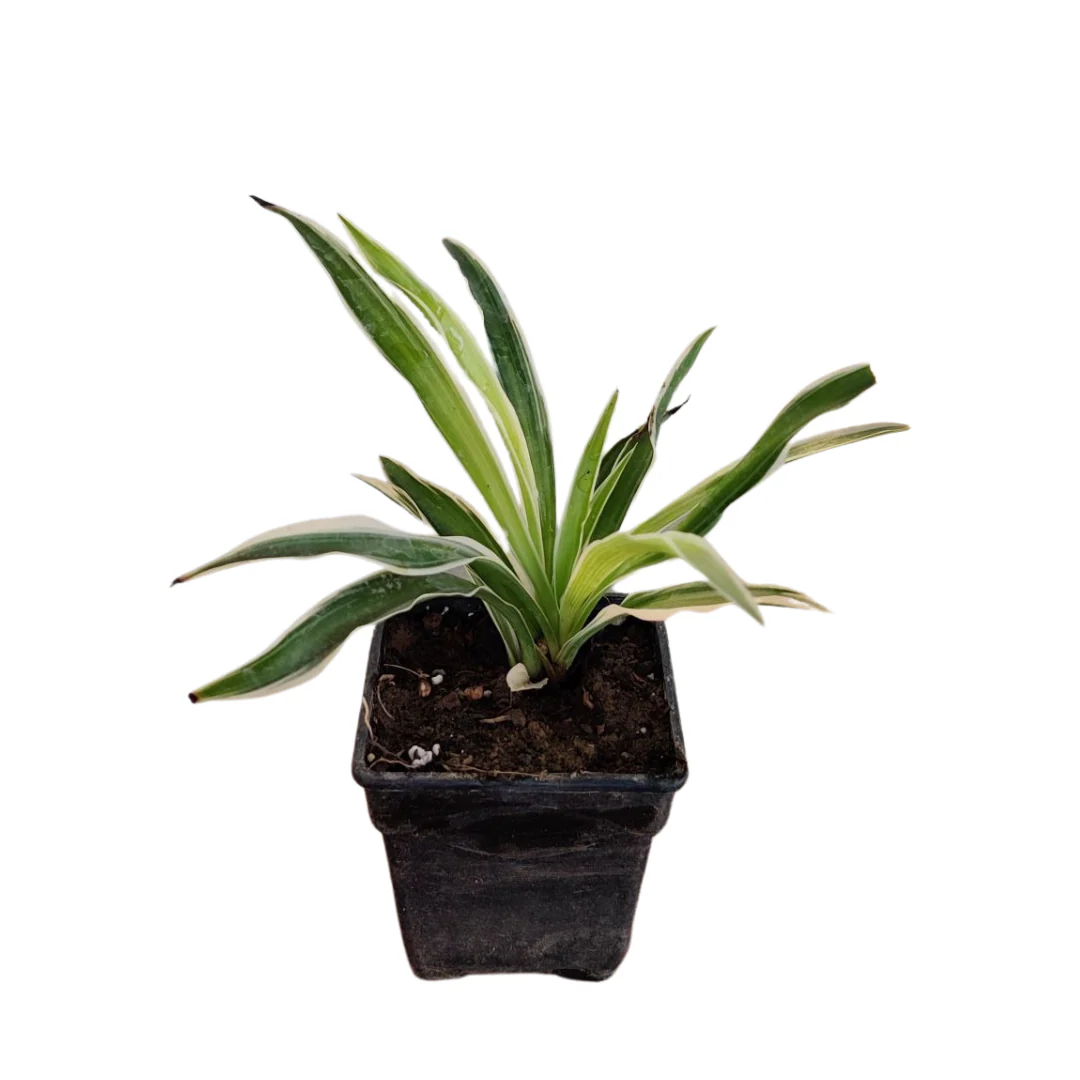
Spider Plant
Spider Plant
✅ Spider Plant – Air-Purifying Elegance in Cascading Green
The Spider Plant (Chlorophytum comosum) is one of the most beloved and easy-to-grow houseplants, known for its graceful arching leaves and charming baby plantlets. Highly adaptable and air-purifying, it’s a timeless choice for homes, offices, and indoor gardens.
✅ Origin and Natural Habitat
-
Native to coastal areas and tropical regions of South Africa
-
Thrives in warm, moderately humid environments
-
Grows naturally in partial shade under taller vegetation
-
Widely cultivated globally for ornamental and indoor air-purifying purposes
✅ Perfect Placement for a Stunning Display
-
Hanging baskets to showcase cascading baby plantlets
-
On shelves or plant stands for a touch of greenery at eye level
-
In kitchens or bathrooms where it thrives in bright, indirect light
-
In offices for a low-maintenance, fresh look
-
As a centerpiece for window sills or patios with filtered sunlight
✅ Care Guide – From Nurturing to Thriving
-
Prefers bright, indirect light but tolerates low-light conditions
-
Water moderately, allowing the topsoil to dry slightly between waterings
-
Use well-draining potting mix to prevent root rot
-
Fertilize every 4–6 weeks during the growing season with a balanced liquid fertilizer
-
Trim brown leaf tips to maintain a tidy appearance
-
Propagate easily by planting baby offshoots in soil or water
✅ Benefits of Growing Spider Plant
-
Excellent natural air purifier, removing toxins like formaldehyde and xylene
-
Hardy and forgiving, ideal for beginner gardeners
-
Produces decorative baby plantlets for easy propagation
-
Thrives in a variety of indoor environments
-
Non-toxic to pets, making it safe for households with cats or dogs
✅ Common Problems and How to Prevent Them
-
Brown leaf tips from fluoride or chlorine – use distilled or filtered water
-
Yellowing leaves from overwatering – allow soil to dry between waterings
-
Pale foliage from poor lighting – move to a brighter spot
-
Root crowding – repot every 1–2 years for optimal growth
Original: $1.67
-70%$1.67
$0.50Product Information
Product Information
Shipping & Returns
Shipping & Returns
Description
✅ Spider Plant – Air-Purifying Elegance in Cascading Green
The Spider Plant (Chlorophytum comosum) is one of the most beloved and easy-to-grow houseplants, known for its graceful arching leaves and charming baby plantlets. Highly adaptable and air-purifying, it’s a timeless choice for homes, offices, and indoor gardens.
✅ Origin and Natural Habitat
-
Native to coastal areas and tropical regions of South Africa
-
Thrives in warm, moderately humid environments
-
Grows naturally in partial shade under taller vegetation
-
Widely cultivated globally for ornamental and indoor air-purifying purposes
✅ Perfect Placement for a Stunning Display
-
Hanging baskets to showcase cascading baby plantlets
-
On shelves or plant stands for a touch of greenery at eye level
-
In kitchens or bathrooms where it thrives in bright, indirect light
-
In offices for a low-maintenance, fresh look
-
As a centerpiece for window sills or patios with filtered sunlight
✅ Care Guide – From Nurturing to Thriving
-
Prefers bright, indirect light but tolerates low-light conditions
-
Water moderately, allowing the topsoil to dry slightly between waterings
-
Use well-draining potting mix to prevent root rot
-
Fertilize every 4–6 weeks during the growing season with a balanced liquid fertilizer
-
Trim brown leaf tips to maintain a tidy appearance
-
Propagate easily by planting baby offshoots in soil or water
✅ Benefits of Growing Spider Plant
-
Excellent natural air purifier, removing toxins like formaldehyde and xylene
-
Hardy and forgiving, ideal for beginner gardeners
-
Produces decorative baby plantlets for easy propagation
-
Thrives in a variety of indoor environments
-
Non-toxic to pets, making it safe for households with cats or dogs
✅ Common Problems and How to Prevent Them
-
Brown leaf tips from fluoride or chlorine – use distilled or filtered water
-
Yellowing leaves from overwatering – allow soil to dry between waterings
-
Pale foliage from poor lighting – move to a brighter spot
-
Root crowding – repot every 1–2 years for optimal growth