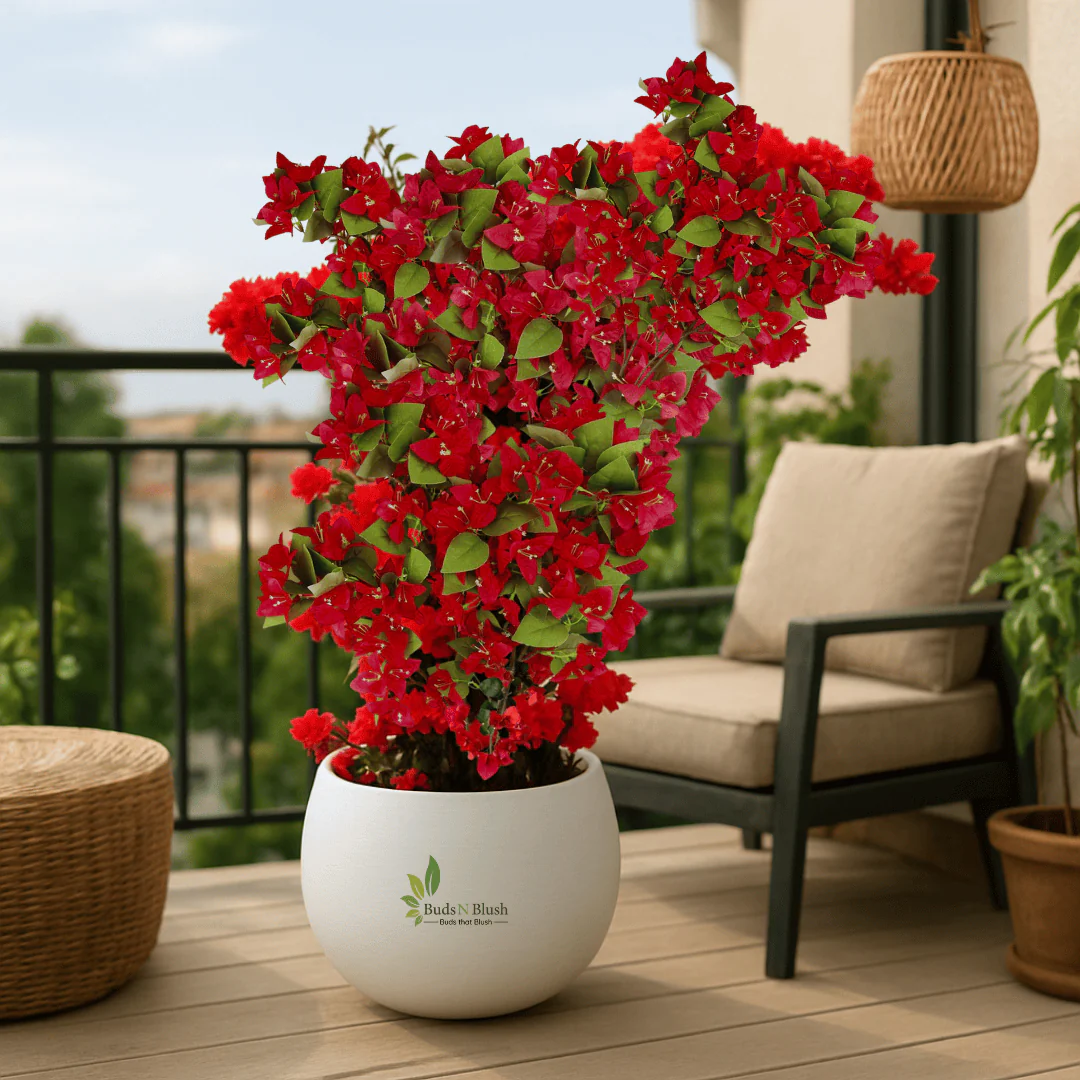
Bleeding Heart Vine
✅ Bleeding Heart – The Romantic Cascade of Nature’s Art
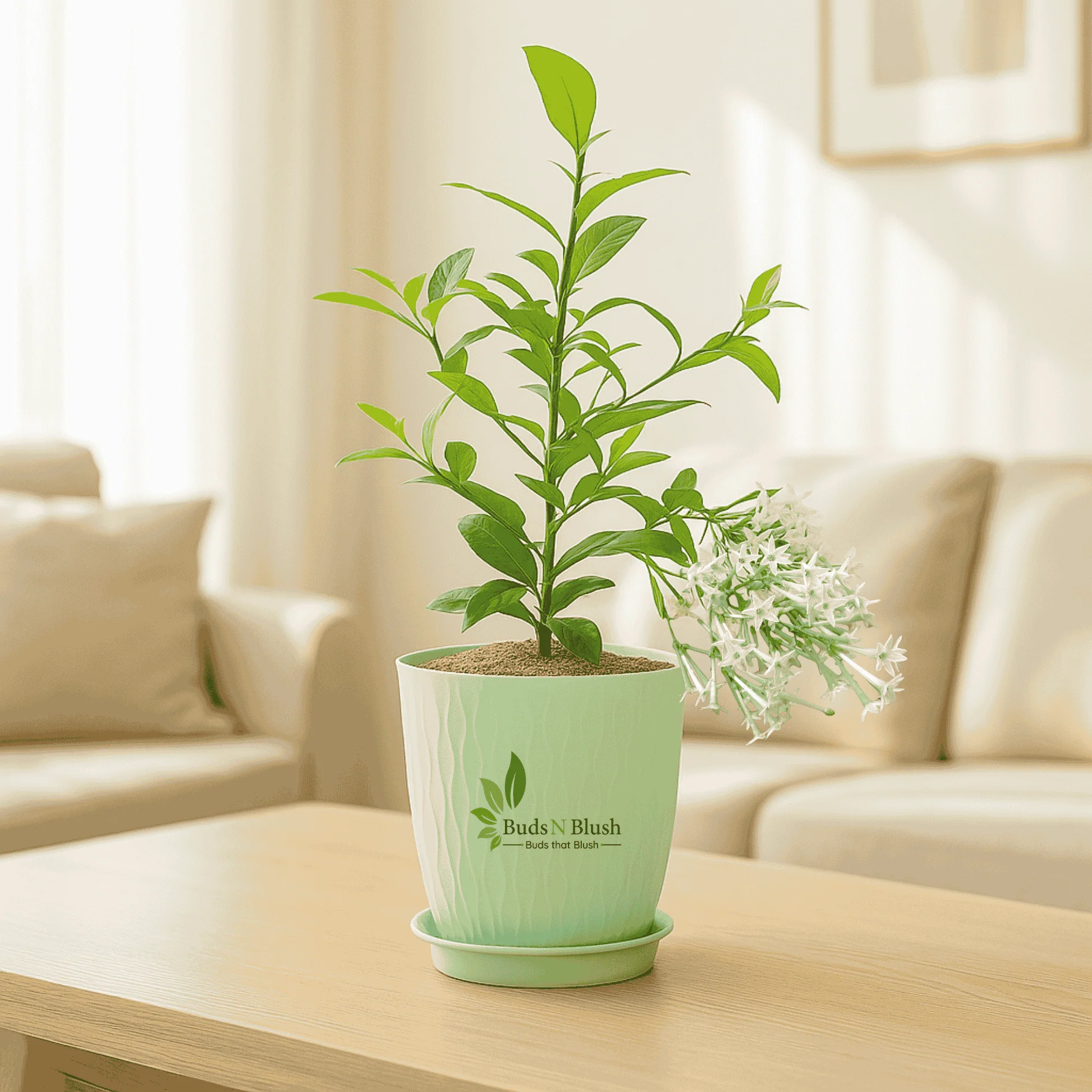
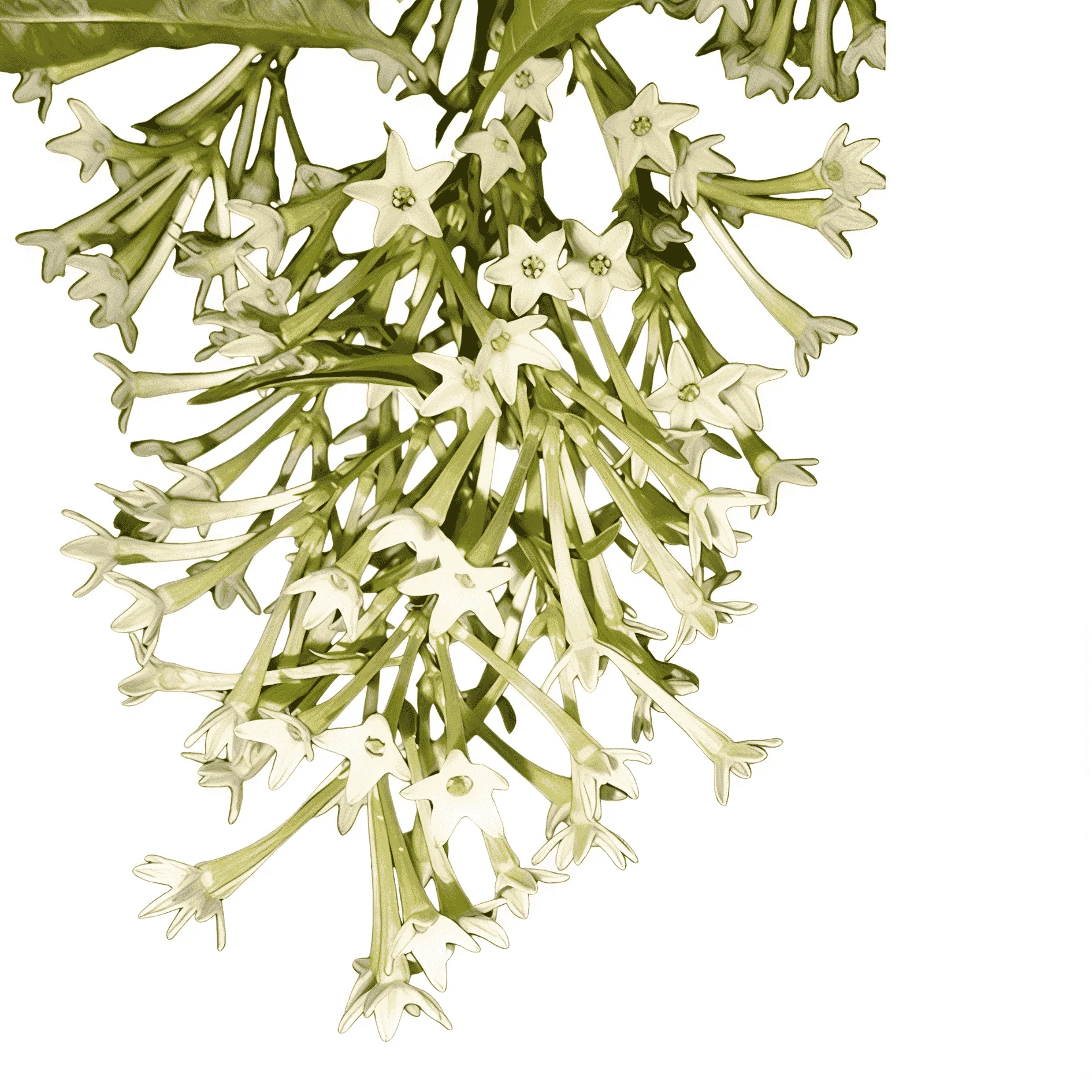
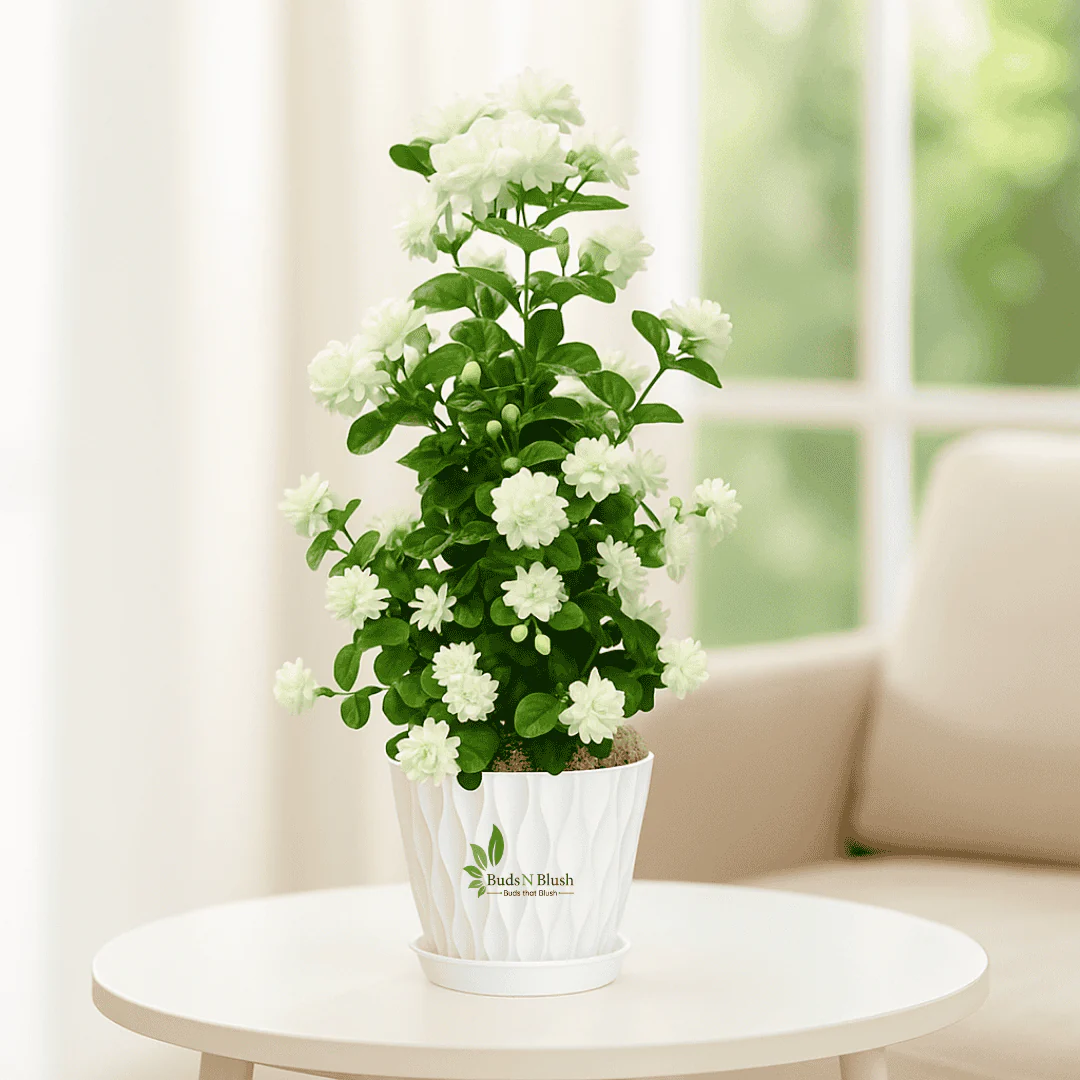
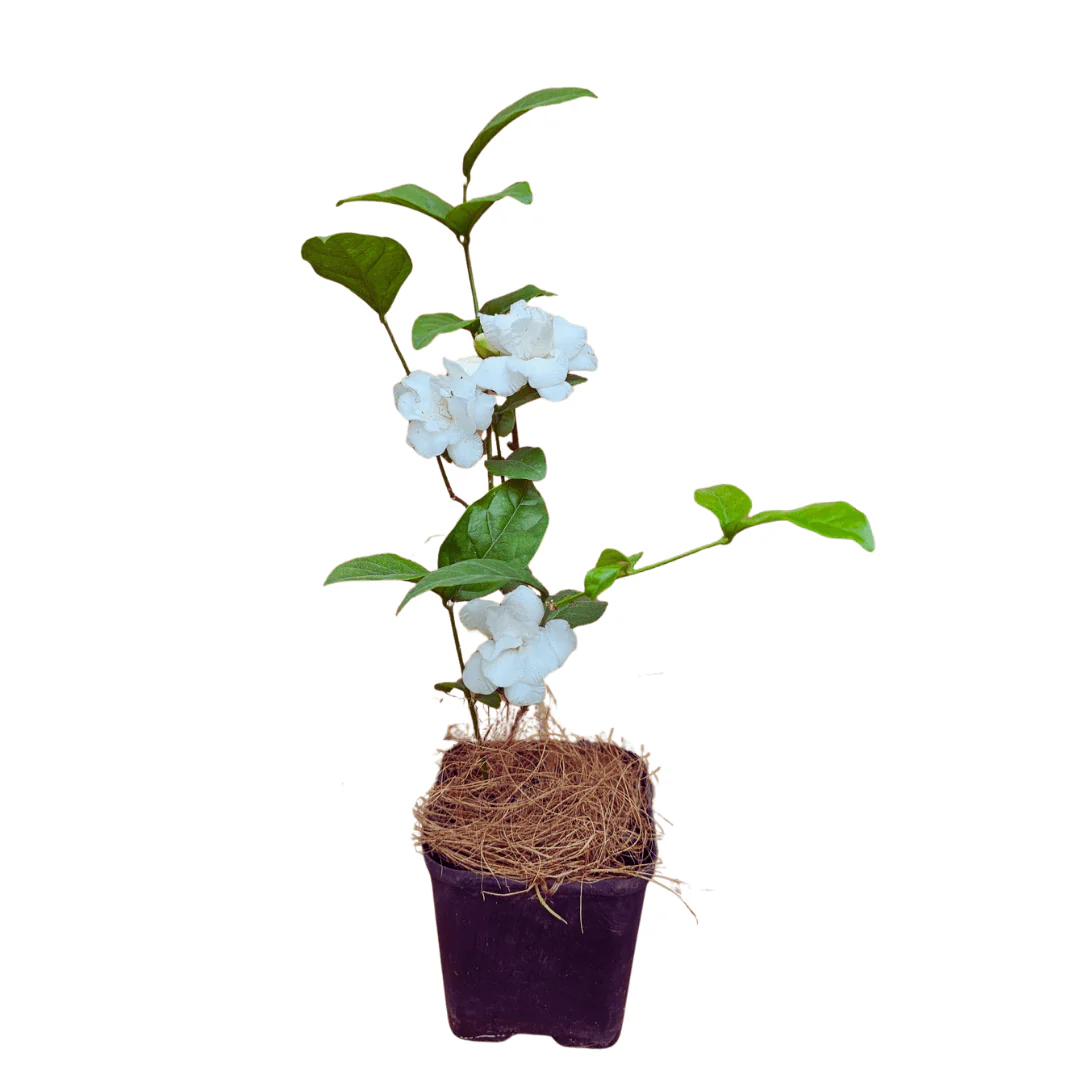
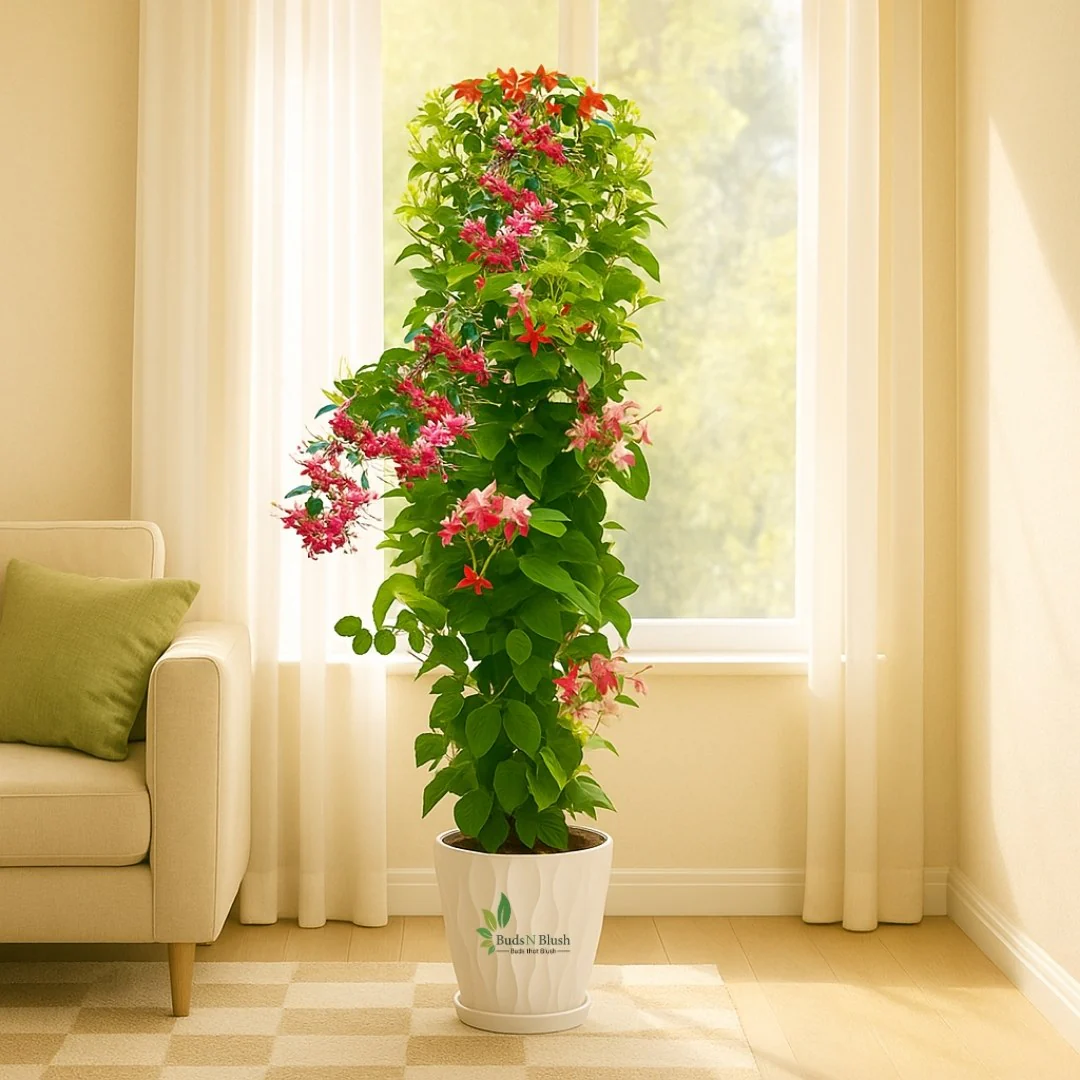
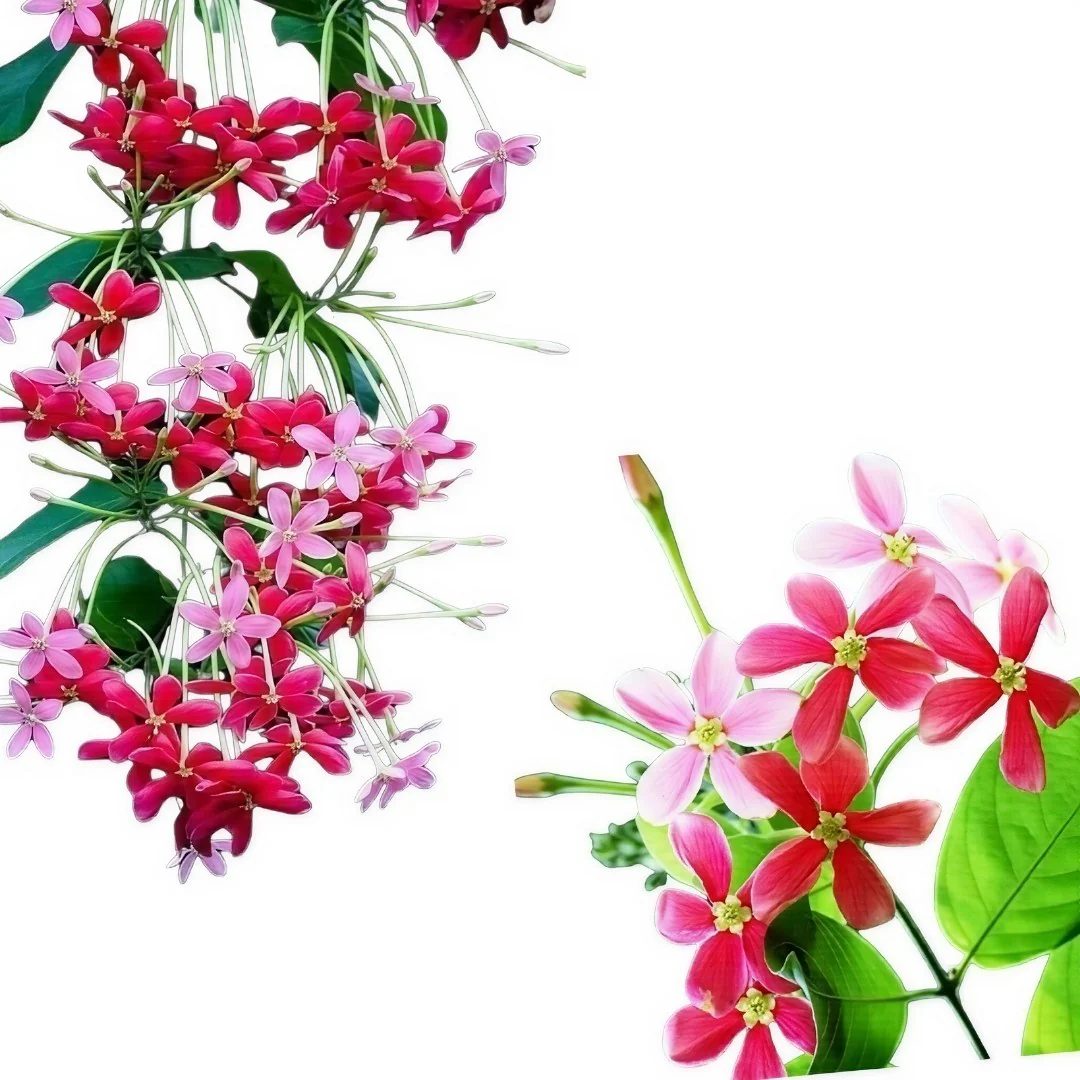
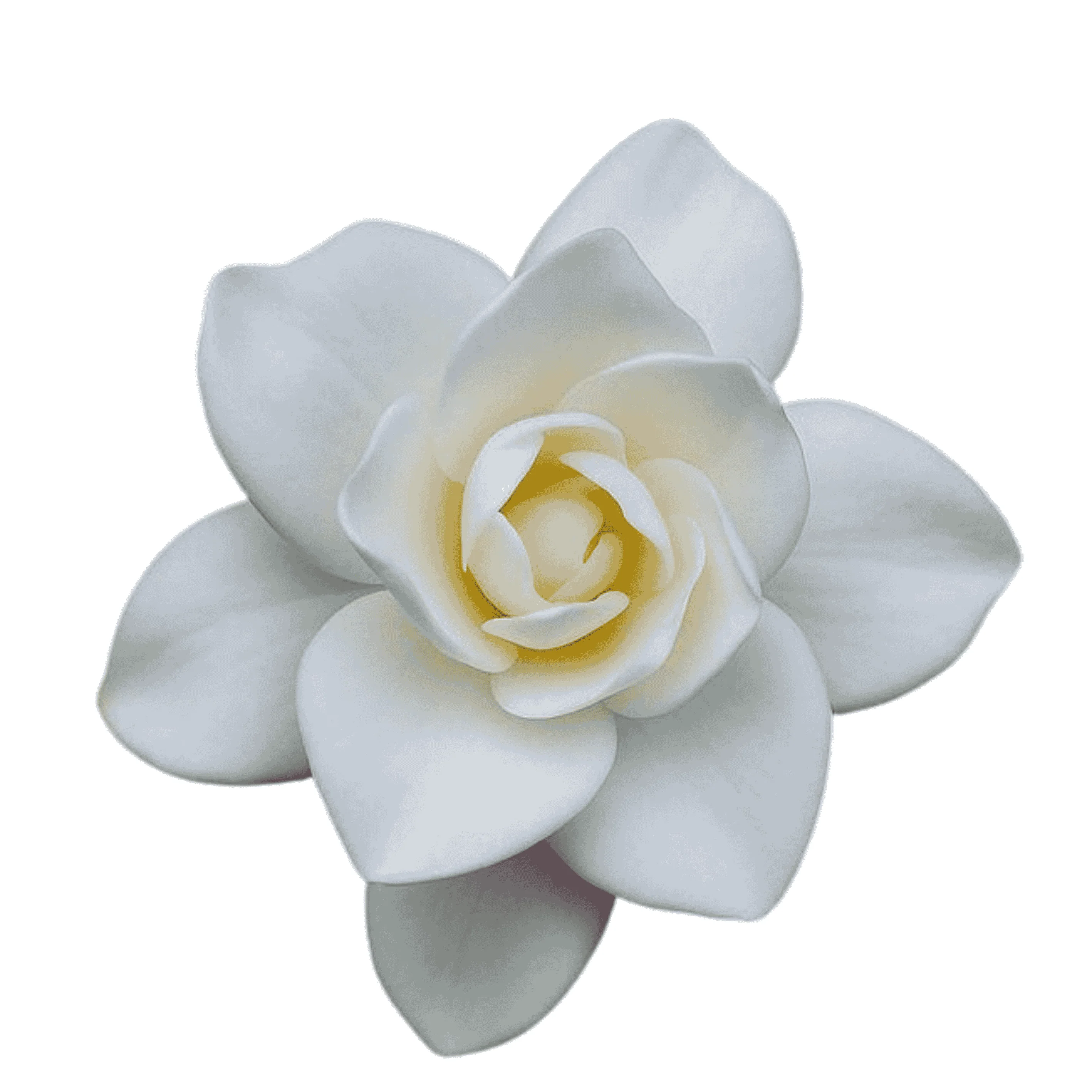
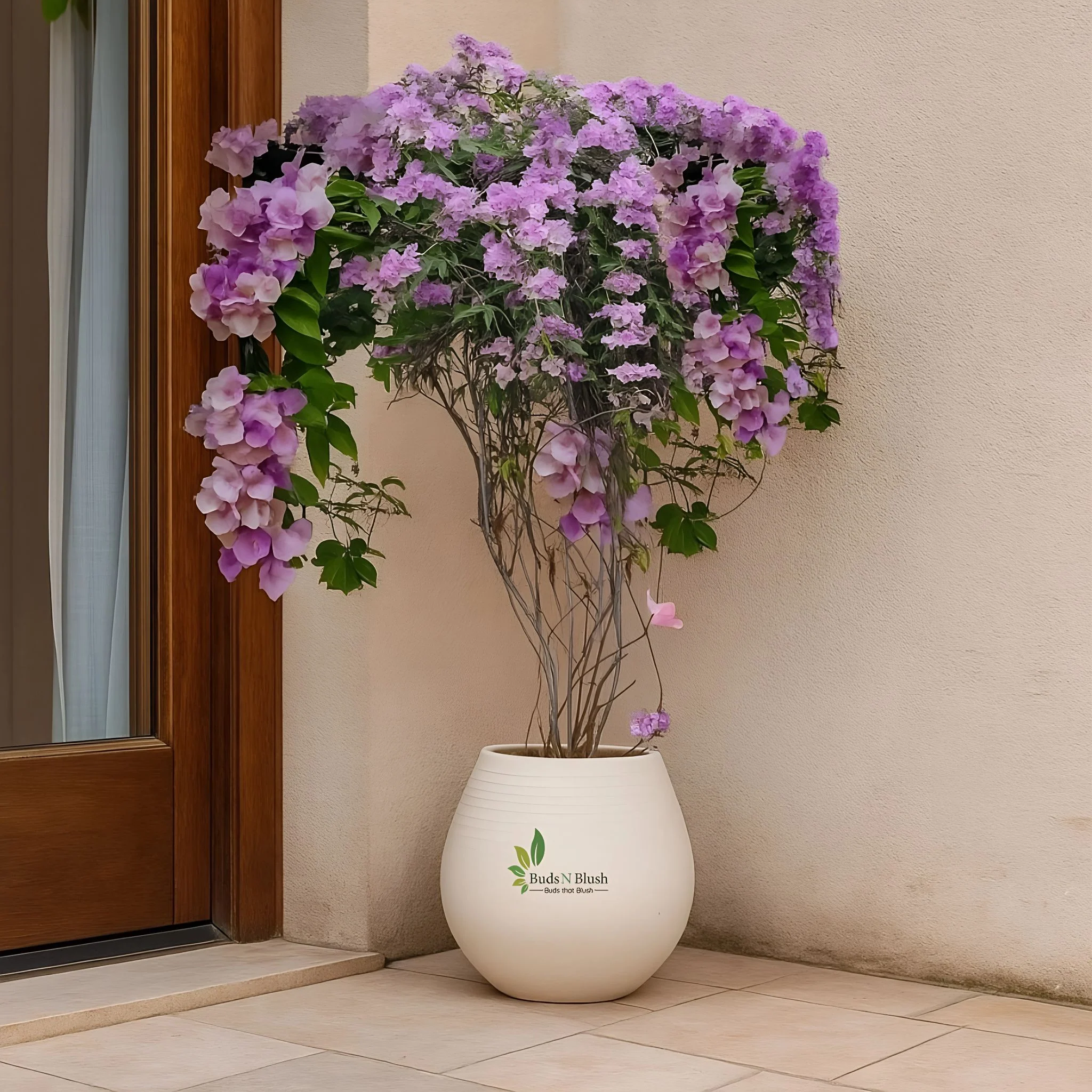
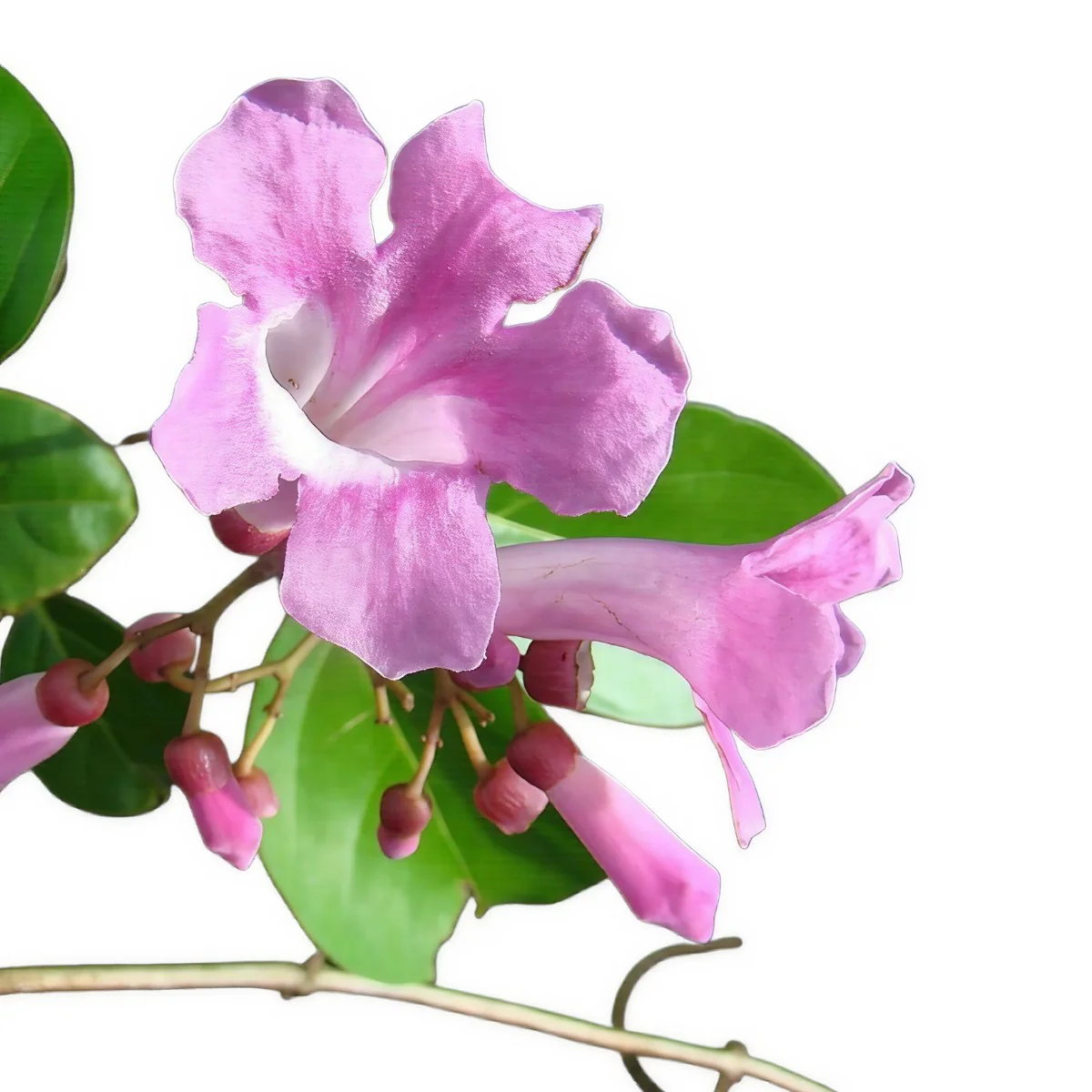
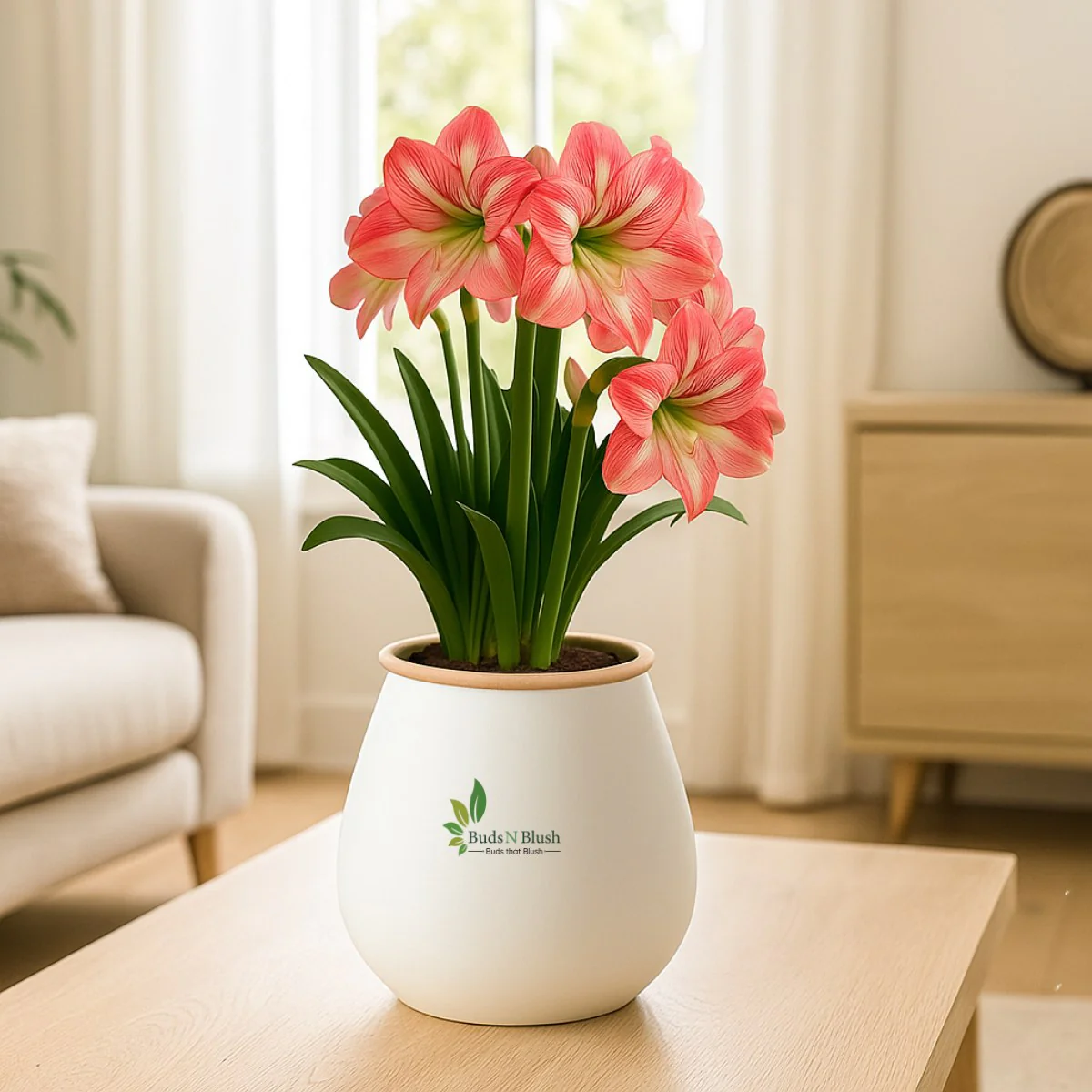
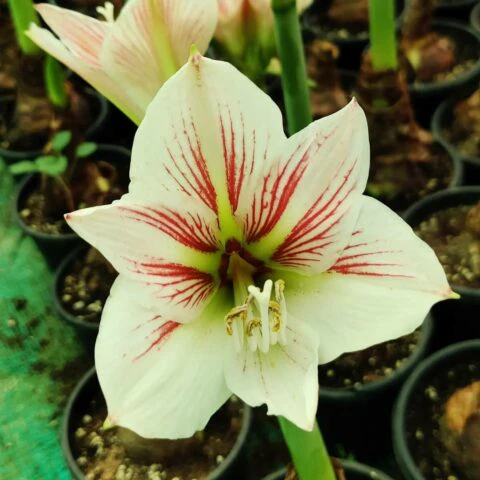
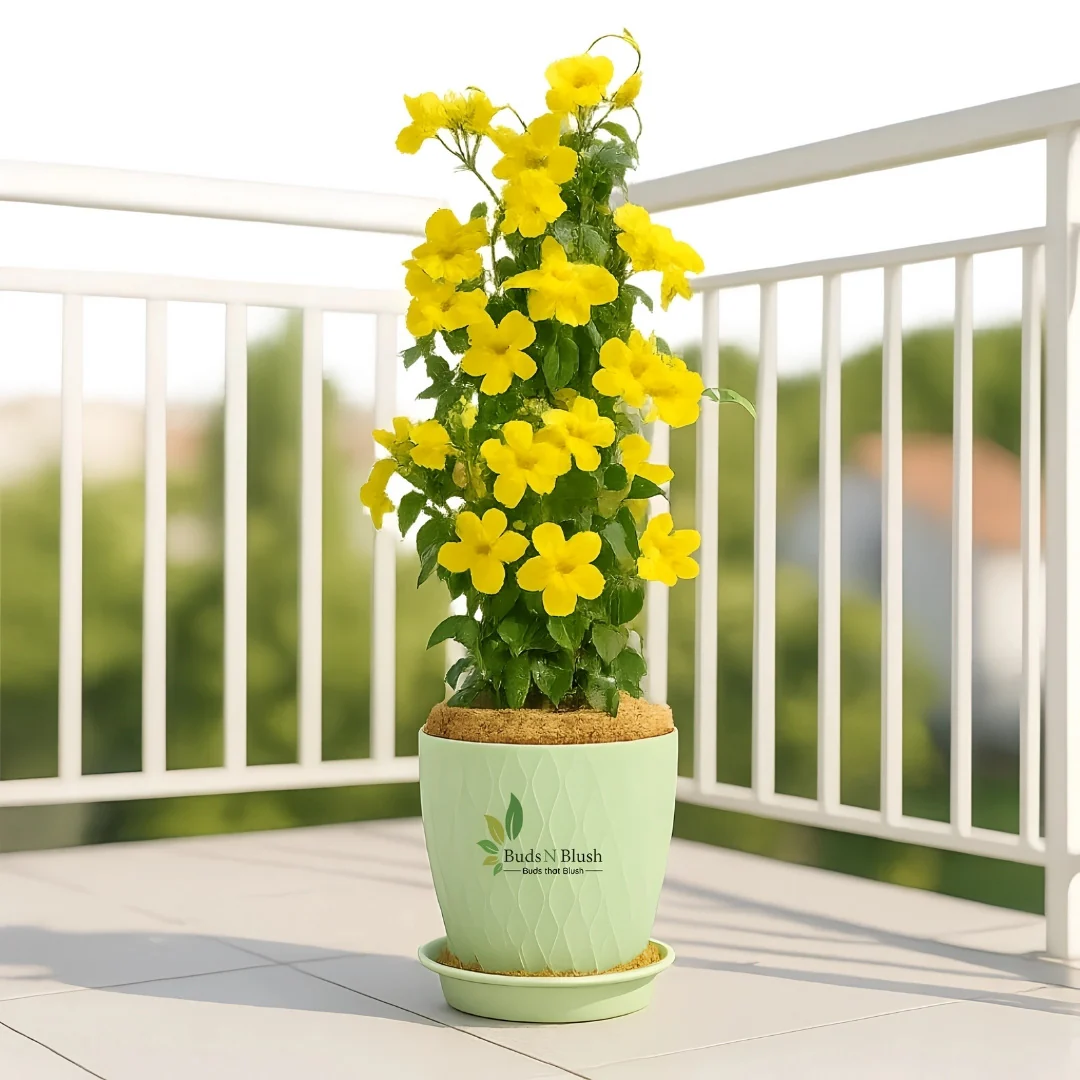
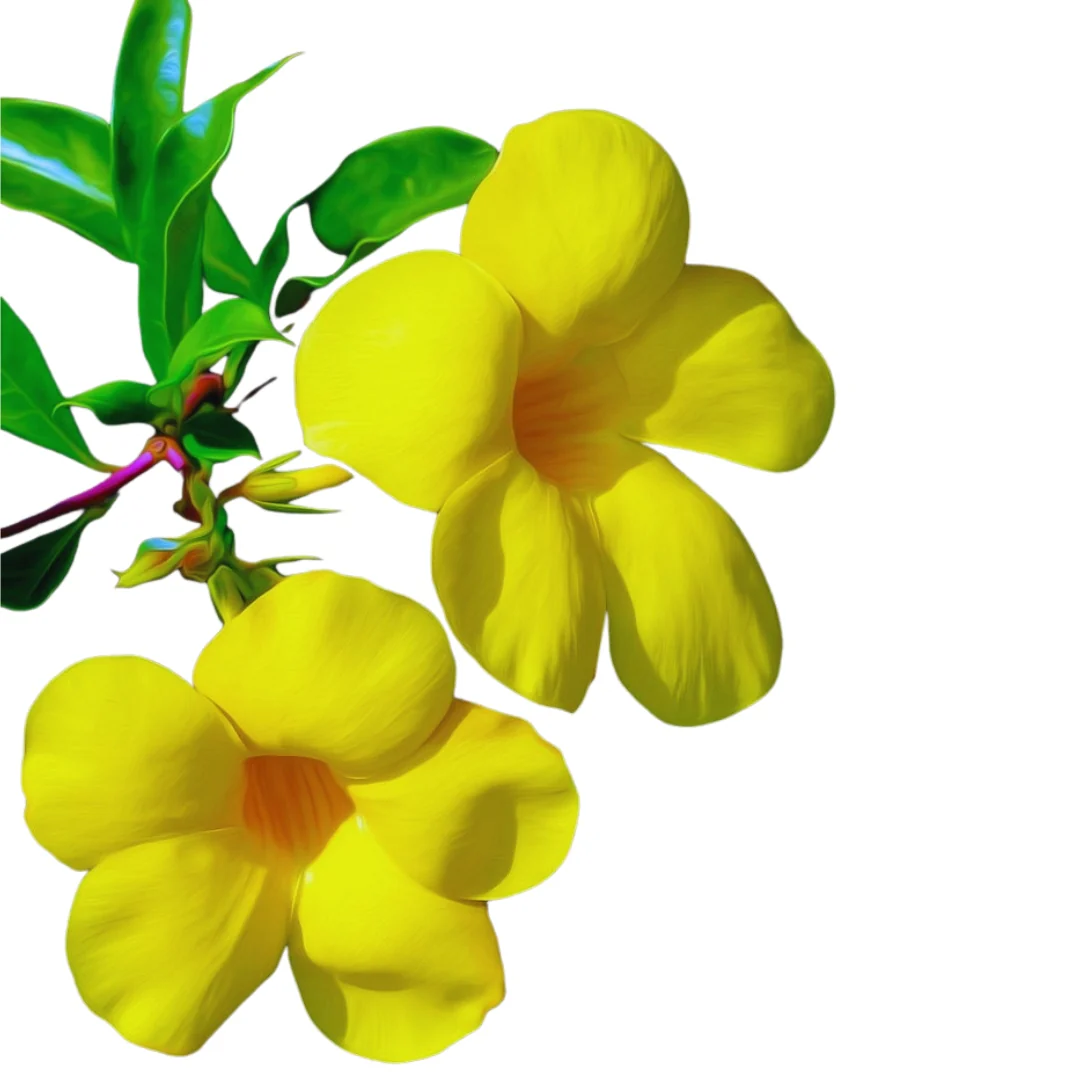
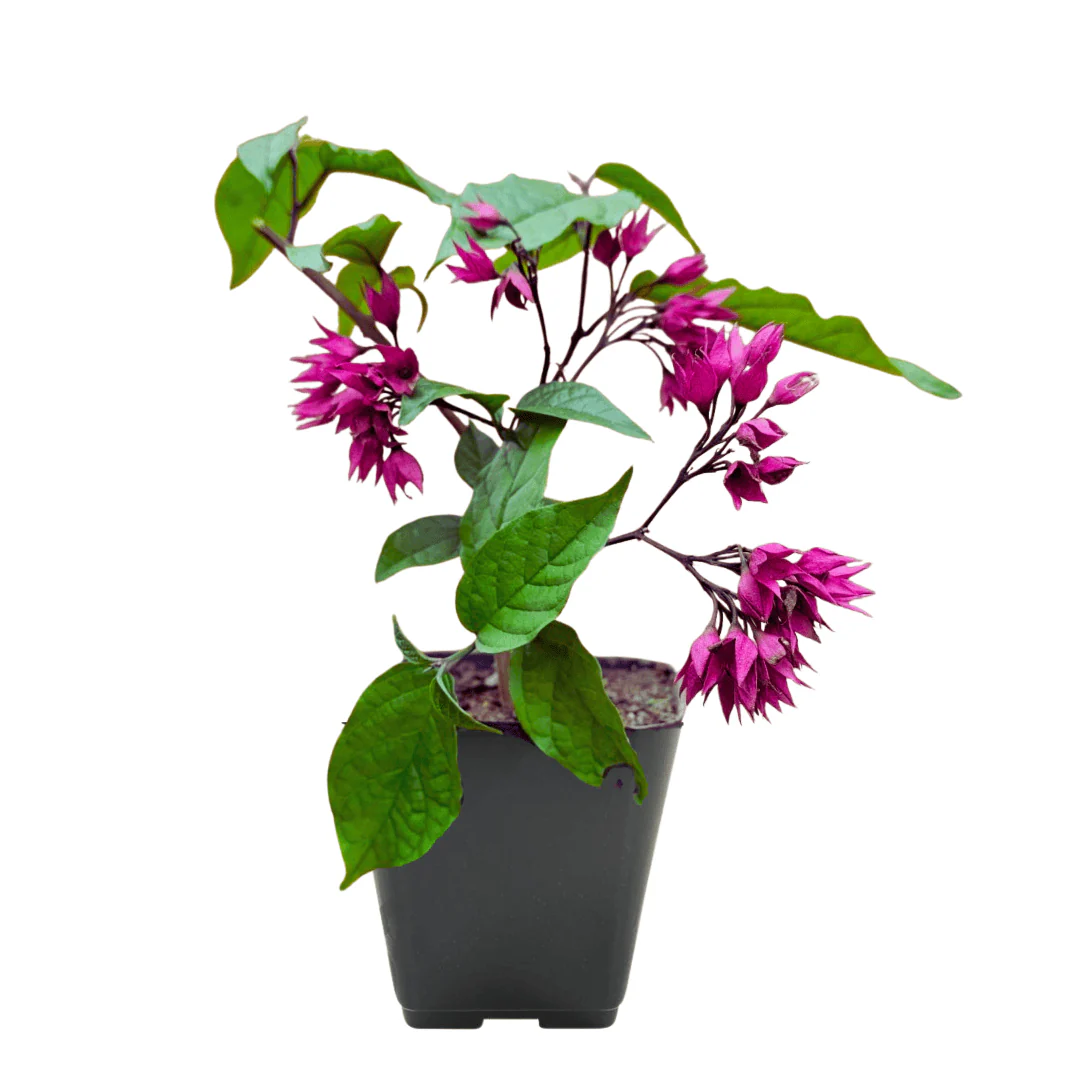
The Bleeding Heart (Lamprocapnos spectabilis) is a breathtaking perennial prized for its arching stems adorned with delicate, heart-shaped blooms, each tipped with a teardrop-like petal that gives the plant its poetic name. Native to the cool, woodland regions of East Asia, it thrives in moist, shaded environments where the air is fresh, and the soil is rich in organic matter. Blooming in late spring to early summer, its pendulous pink-and-white flowers evoke elegance, romance, and a touch of nostalgia, making it a timeless addition to gardens and interiors alike.
✅ Origin and Natural Habitat
-
Native to Japan, China, and Korea’s shaded forest floors.
-
Prefers cool, temperate climates with filtered light.
-
Grows naturally in humus-rich, moist, well-draining soils.
-
Adapts to partial shade, protected from harsh midday sun.
✅ Perfect Placement for a Stunning Home Aesthetic
-
Ideal for shaded garden borders and woodland-style planting.
-
Beautiful in decorative pots on shaded patios or verandas.
-
Can be showcased indoors in bright, indirect light near east-facing windows.
-
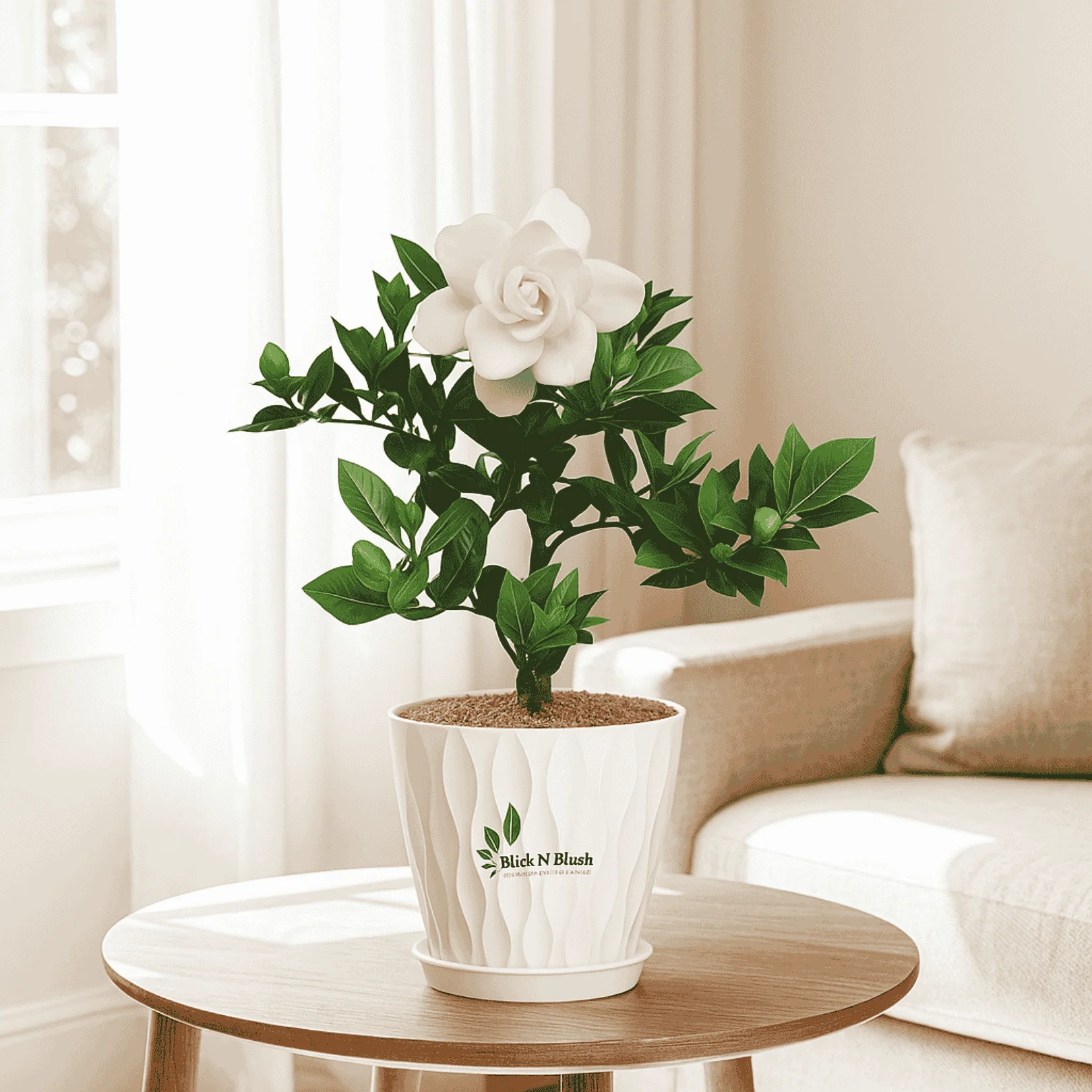
Adds elegance to living rooms, reading corners, or bedroom window sills.
-
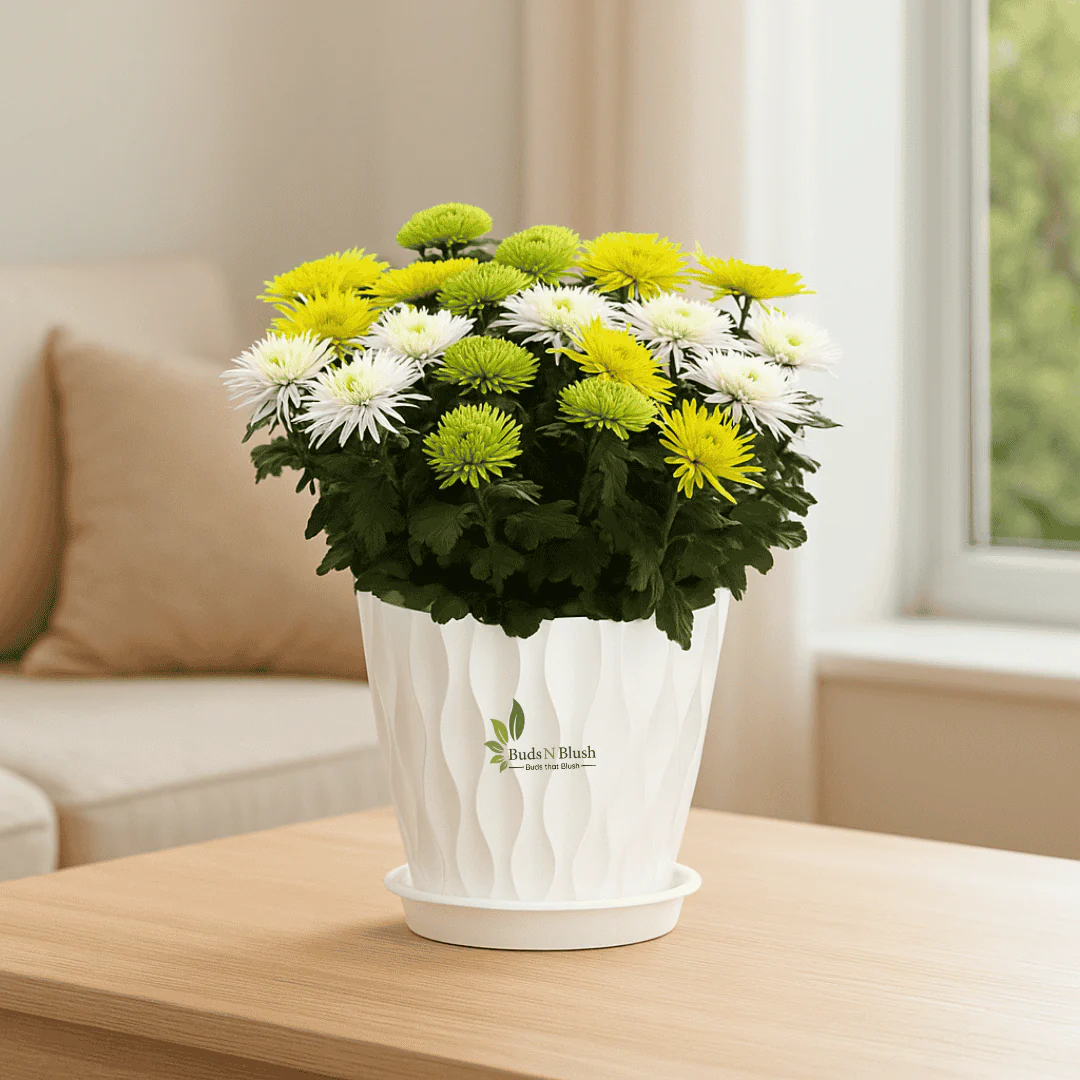
Perfect as a statement piece on coffee tables or hallway consoles in cool indoor climates.
✅ Care Guide – From Nurturing to Blooming
-
Plant in fertile, well-drained soil enriched with compost or leaf mold.
-
Keep soil consistently moist, especially during the growing season.
-
Provide partial to full shade—avoid harsh direct afternoon sunlight.
-
Fertilize in spring with a balanced slow-release fertilizer (NPK 10-10-10) or use organic options like well-rotted manure or compost tea.
-
Deadhead spent flowers to prolong blooming and maintain tidiness.
-
Allow foliage to die back naturally after flowering; this nourishes the roots for next season.
-
In colder climates, mulch heavily in winter to protect roots.
✅ Benefits of Growing Bleeding Heart
-
Exquisite, romantic blooms that enhance any landscape or interior.
-
Long-lived perennial that returns year after year.
-
Perfect for shady gardens where many flowering plants struggle.
-
Symbol of love, compassion, and emotional connection—ideal as a gift.
-
Attracts pollinators like hummingbirds and beneficial insects.
✅ Common Problems and How to Avoid Them
-
Susceptible to root rot if overwatered or planted in poorly drained soil.
-
Can be affected by aphids or slugs—monitor and treat promptly.
-
Foliage may yellow prematurely in extreme heat—ensure adequate shade.
-
Avoid disturbing roots during dormancy to ensure healthy regrowth.
Product Information
Product Information
Shipping & Returns
Shipping & Returns
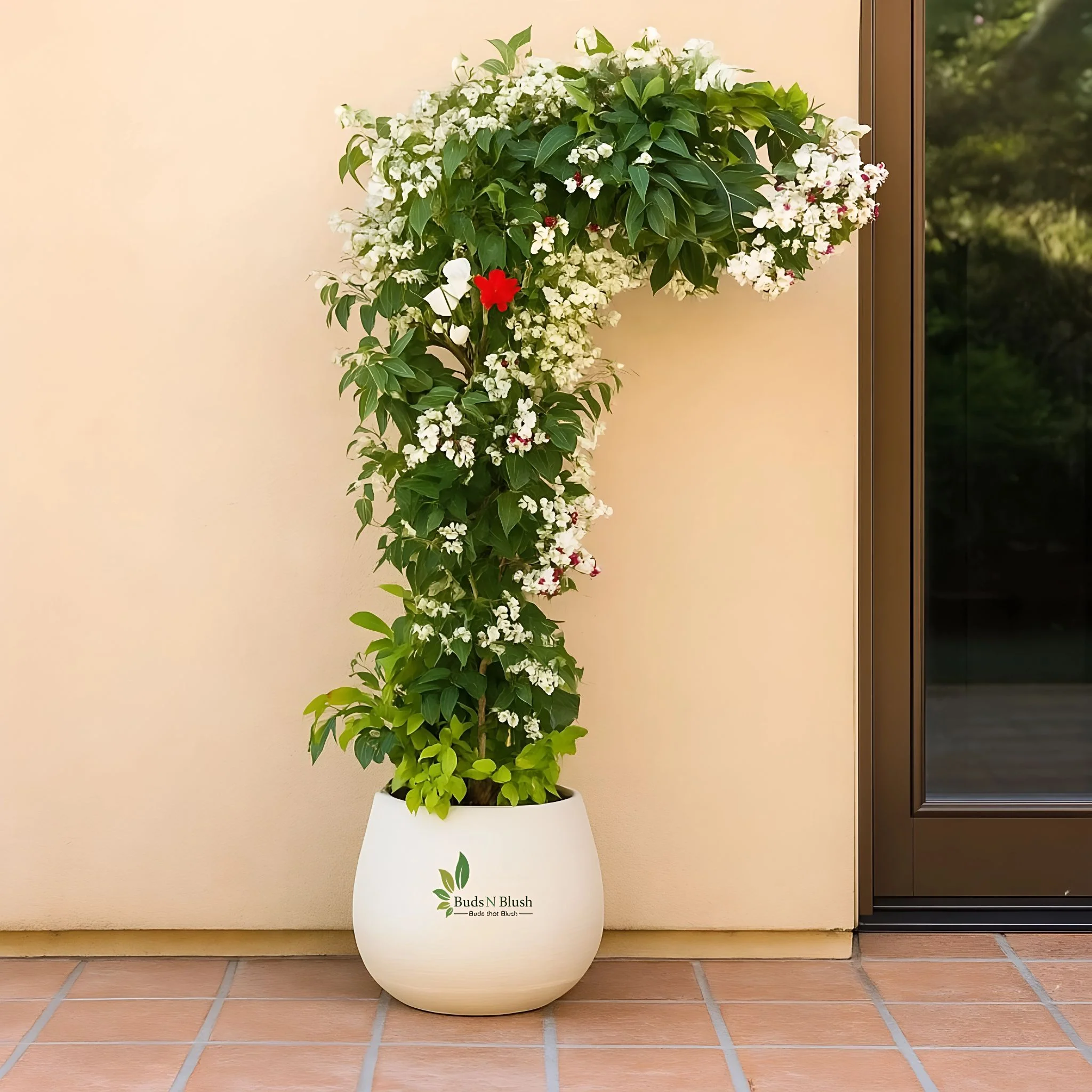
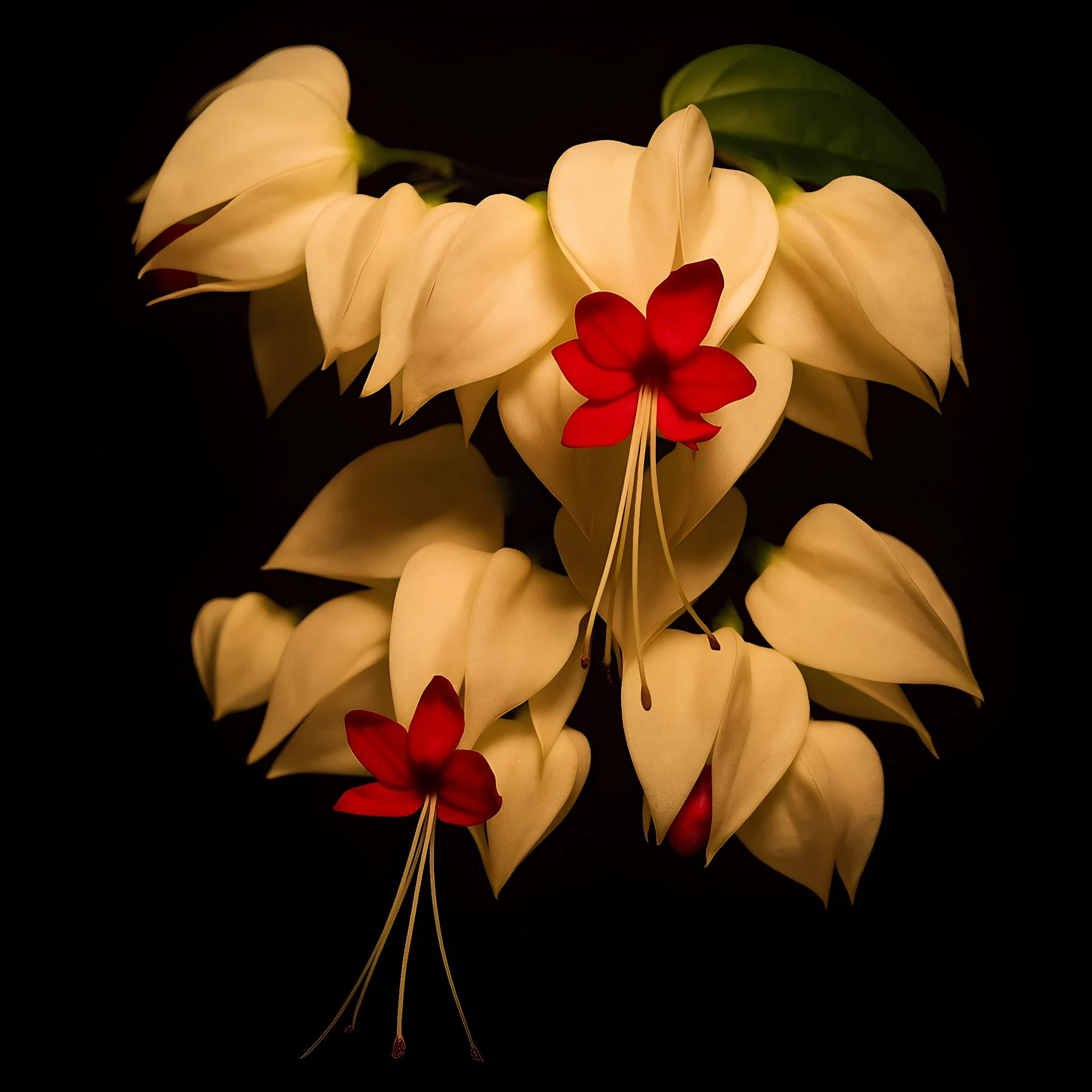
Bleeding Heart Vine
Bleeding Heart Vine
✅ Bleeding Heart – The Romantic Cascade of Nature’s Art
The Bleeding Heart (Lamprocapnos spectabilis) is a breathtaking perennial prized for its arching stems adorned with delicate, heart-shaped blooms, each tipped with a teardrop-like petal that gives the plant its poetic name. Native to the cool, woodland regions of East Asia, it thrives in moist, shaded environments where the air is fresh, and the soil is rich in organic matter. Blooming in late spring to early summer, its pendulous pink-and-white flowers evoke elegance, romance, and a touch of nostalgia, making it a timeless addition to gardens and interiors alike.
✅ Origin and Natural Habitat
-
Native to Japan, China, and Korea’s shaded forest floors.
-
Prefers cool, temperate climates with filtered light.
-
Grows naturally in humus-rich, moist, well-draining soils.
-
Adapts to partial shade, protected from harsh midday sun.
✅ Perfect Placement for a Stunning Home Aesthetic
-
Ideal for shaded garden borders and woodland-style planting.
-
Beautiful in decorative pots on shaded patios or verandas.
-
Can be showcased indoors in bright, indirect light near east-facing windows.
-
Adds elegance to living rooms, reading corners, or bedroom window sills.
-
Perfect as a statement piece on coffee tables or hallway consoles in cool indoor climates.
✅ Care Guide – From Nurturing to Blooming
-
Plant in fertile, well-drained soil enriched with compost or leaf mold.
-
Keep soil consistently moist, especially during the growing season.
-
Provide partial to full shade—avoid harsh direct afternoon sunlight.
-
Fertilize in spring with a balanced slow-release fertilizer (NPK 10-10-10) or use organic options like well-rotted manure or compost tea.
-
Deadhead spent flowers to prolong blooming and maintain tidiness.
-
Allow foliage to die back naturally after flowering; this nourishes the roots for next season.
-
In colder climates, mulch heavily in winter to protect roots.
✅ Benefits of Growing Bleeding Heart
-
Exquisite, romantic blooms that enhance any landscape or interior.
-
Long-lived perennial that returns year after year.
-
Perfect for shady gardens where many flowering plants struggle.
-
Symbol of love, compassion, and emotional connection—ideal as a gift.
-
Attracts pollinators like hummingbirds and beneficial insects.
✅ Common Problems and How to Avoid Them
-
Susceptible to root rot if overwatered or planted in poorly drained soil.
-
Can be affected by aphids or slugs—monitor and treat promptly.
-
Foliage may yellow prematurely in extreme heat—ensure adequate shade.
-
Avoid disturbing roots during dormancy to ensure healthy regrowth.
Product Information
Product Information
Shipping & Returns
Shipping & Returns
Description
✅ Bleeding Heart – The Romantic Cascade of Nature’s Art
The Bleeding Heart (Lamprocapnos spectabilis) is a breathtaking perennial prized for its arching stems adorned with delicate, heart-shaped blooms, each tipped with a teardrop-like petal that gives the plant its poetic name. Native to the cool, woodland regions of East Asia, it thrives in moist, shaded environments where the air is fresh, and the soil is rich in organic matter. Blooming in late spring to early summer, its pendulous pink-and-white flowers evoke elegance, romance, and a touch of nostalgia, making it a timeless addition to gardens and interiors alike.
✅ Origin and Natural Habitat
-
Native to Japan, China, and Korea’s shaded forest floors.
-
Prefers cool, temperate climates with filtered light.
-
Grows naturally in humus-rich, moist, well-draining soils.
-
Adapts to partial shade, protected from harsh midday sun.
✅ Perfect Placement for a Stunning Home Aesthetic
-
Ideal for shaded garden borders and woodland-style planting.
-
Beautiful in decorative pots on shaded patios or verandas.
-
Can be showcased indoors in bright, indirect light near east-facing windows.
-
Adds elegance to living rooms, reading corners, or bedroom window sills.
-
Perfect as a statement piece on coffee tables or hallway consoles in cool indoor climates.
✅ Care Guide – From Nurturing to Blooming
-
Plant in fertile, well-drained soil enriched with compost or leaf mold.
-
Keep soil consistently moist, especially during the growing season.
-
Provide partial to full shade—avoid harsh direct afternoon sunlight.
-
Fertilize in spring with a balanced slow-release fertilizer (NPK 10-10-10) or use organic options like well-rotted manure or compost tea.
-
Deadhead spent flowers to prolong blooming and maintain tidiness.
-
Allow foliage to die back naturally after flowering; this nourishes the roots for next season.
-
In colder climates, mulch heavily in winter to protect roots.
✅ Benefits of Growing Bleeding Heart
-
Exquisite, romantic blooms that enhance any landscape or interior.
-
Long-lived perennial that returns year after year.
-
Perfect for shady gardens where many flowering plants struggle.
-
Symbol of love, compassion, and emotional connection—ideal as a gift.
-
Attracts pollinators like hummingbirds and beneficial insects.
✅ Common Problems and How to Avoid Them
-
Susceptible to root rot if overwatered or planted in poorly drained soil.
-
Can be affected by aphids or slugs—monitor and treat promptly.
-
Foliage may yellow prematurely in extreme heat—ensure adequate shade.
-
Avoid disturbing roots during dormancy to ensure healthy regrowth.