Monadenium Ritchiei
✅ Euphorbia ritchiei – The Sculpted Wonder of the Succulent World
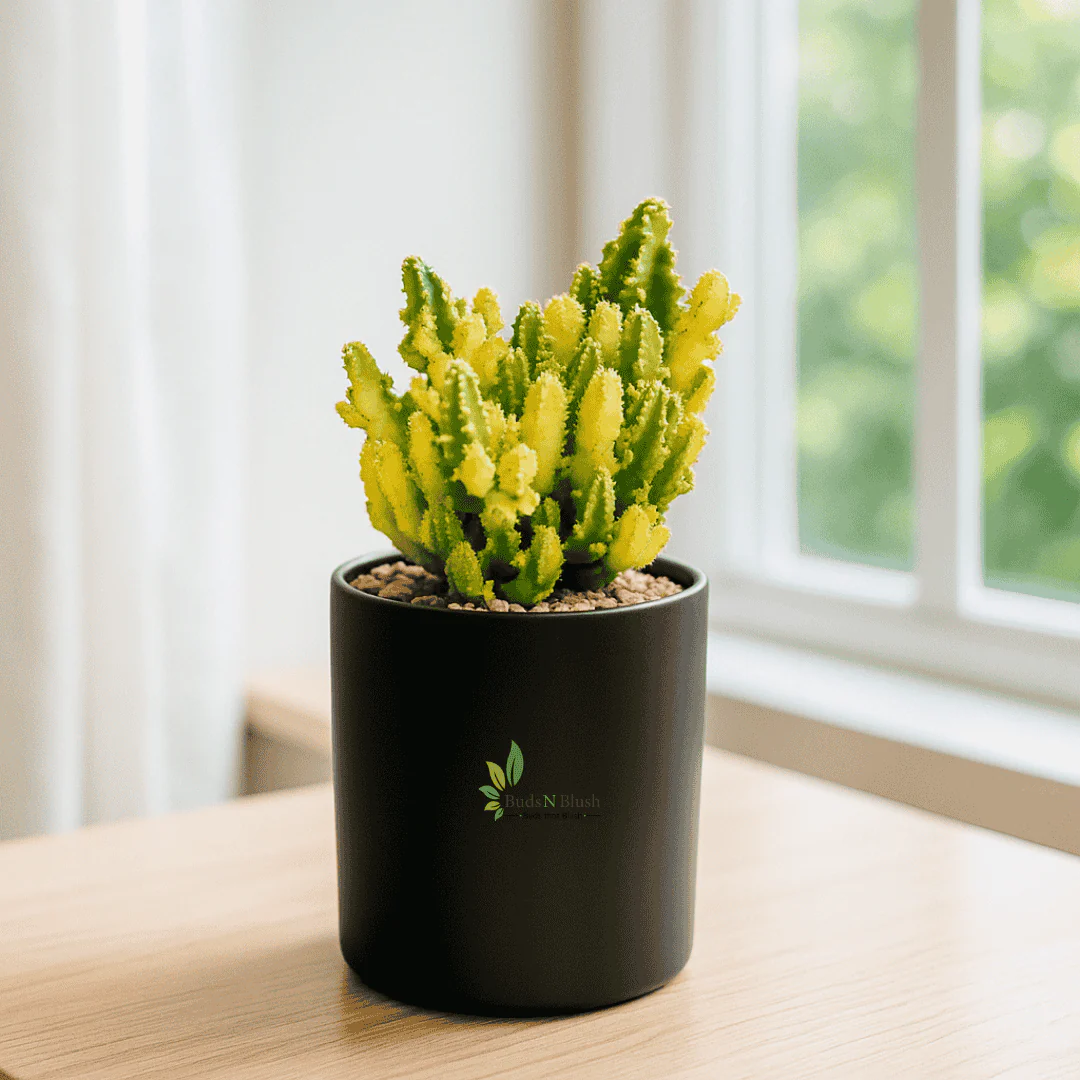
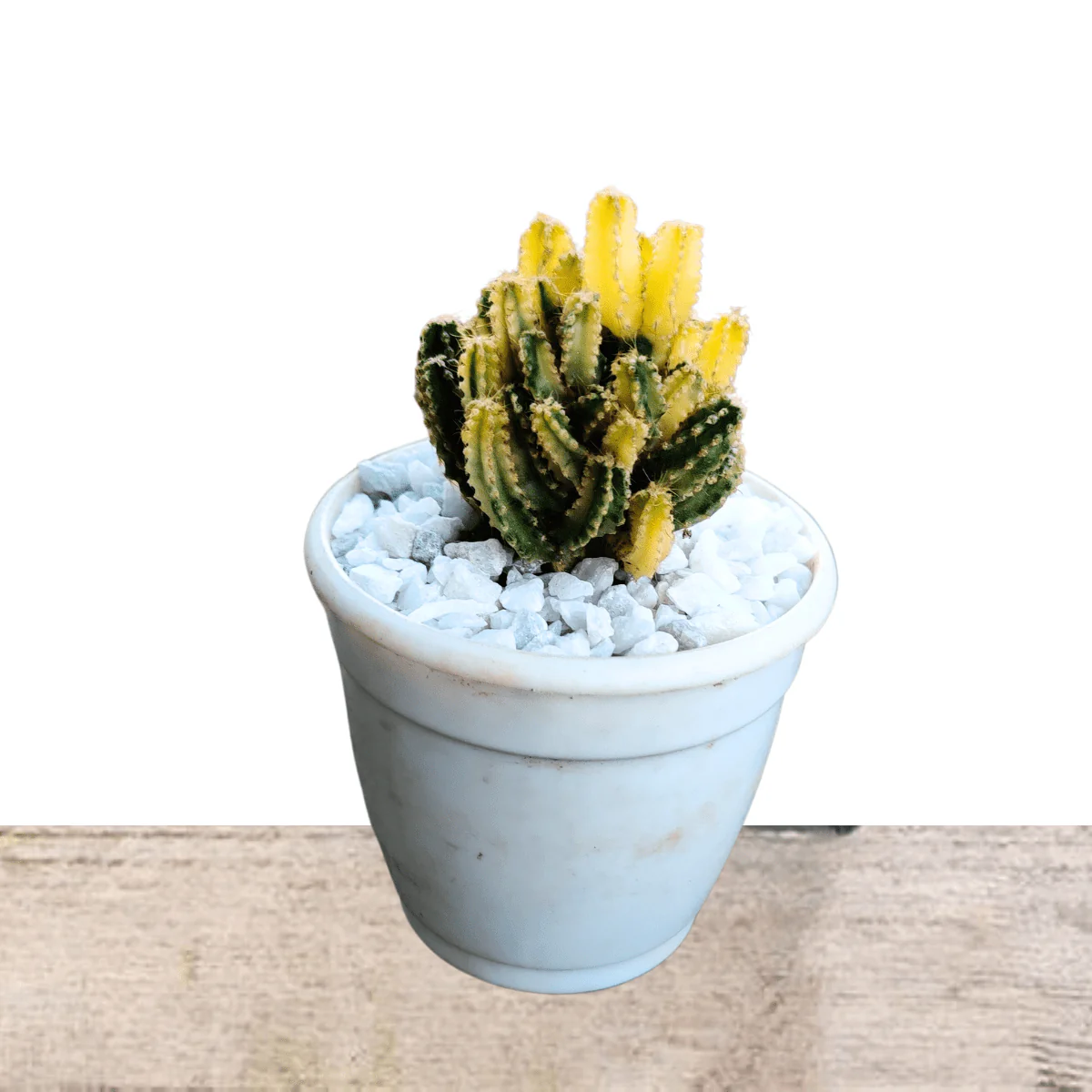
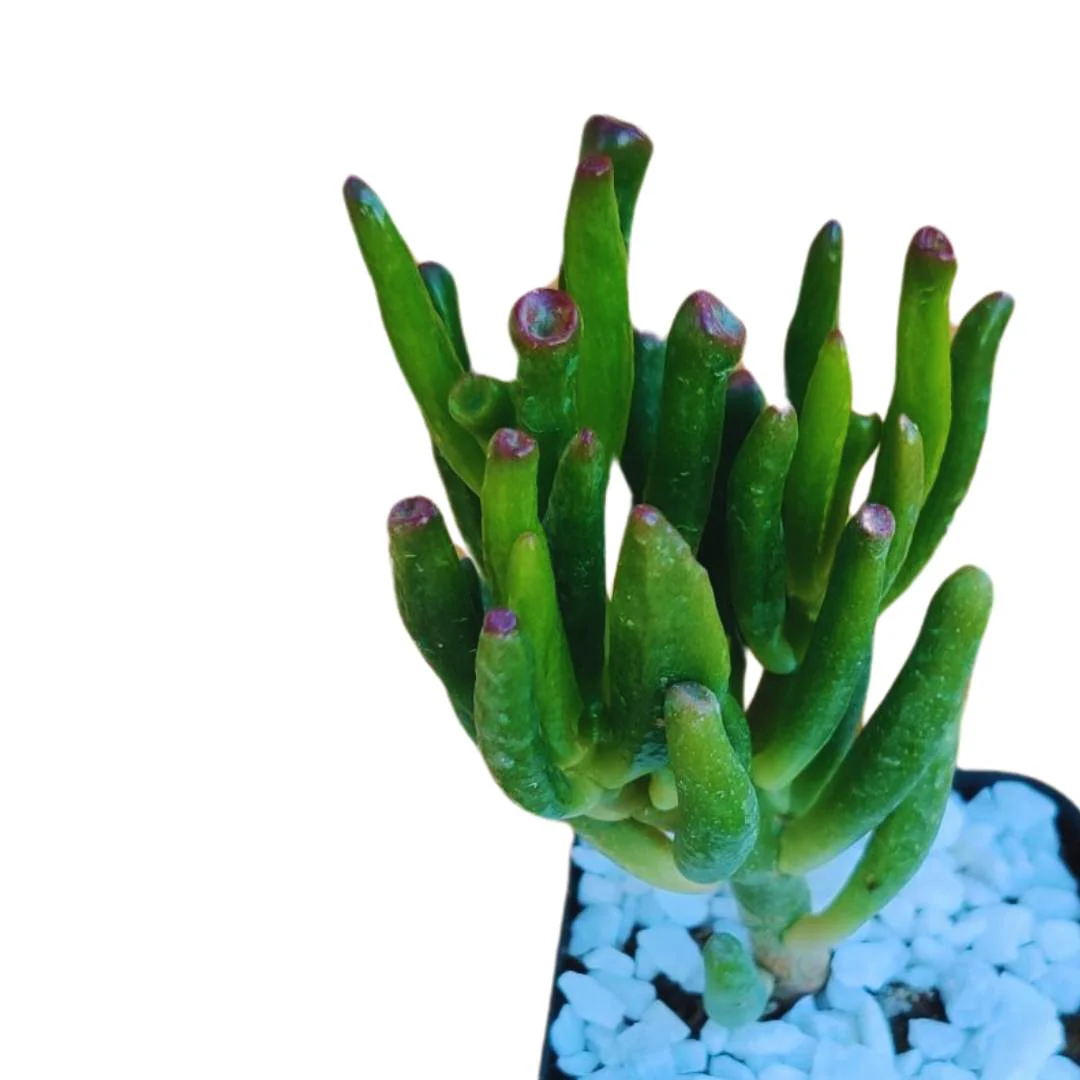
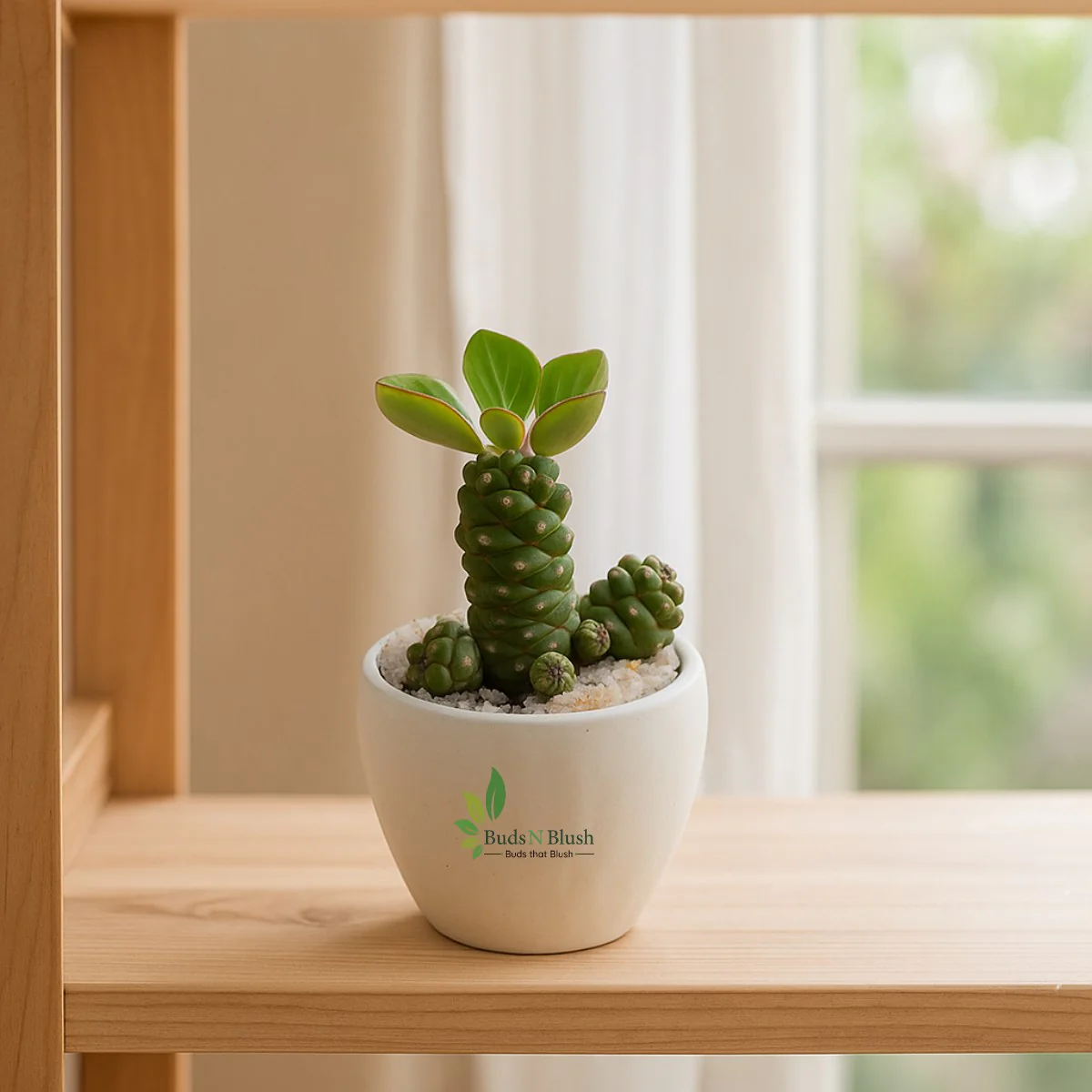
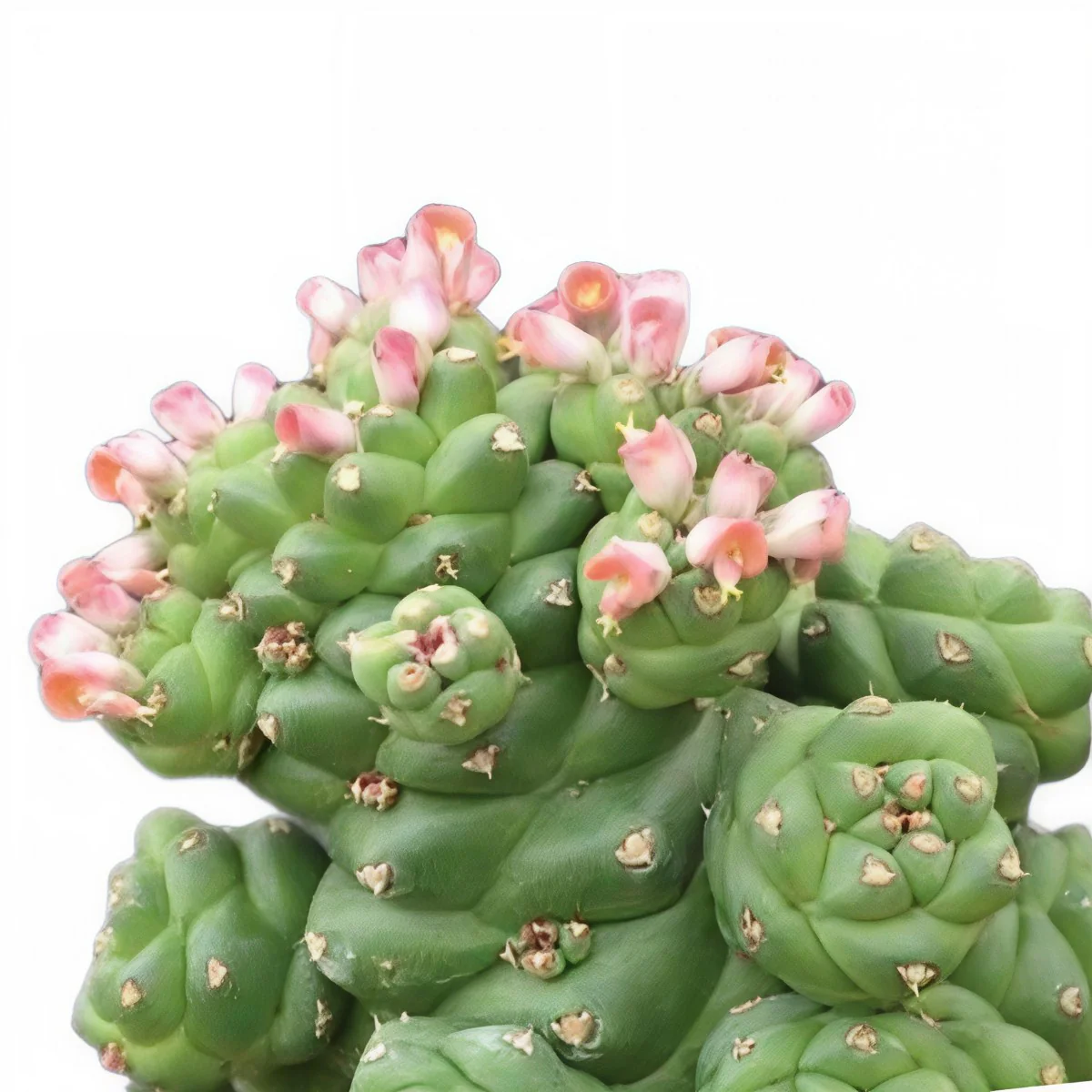
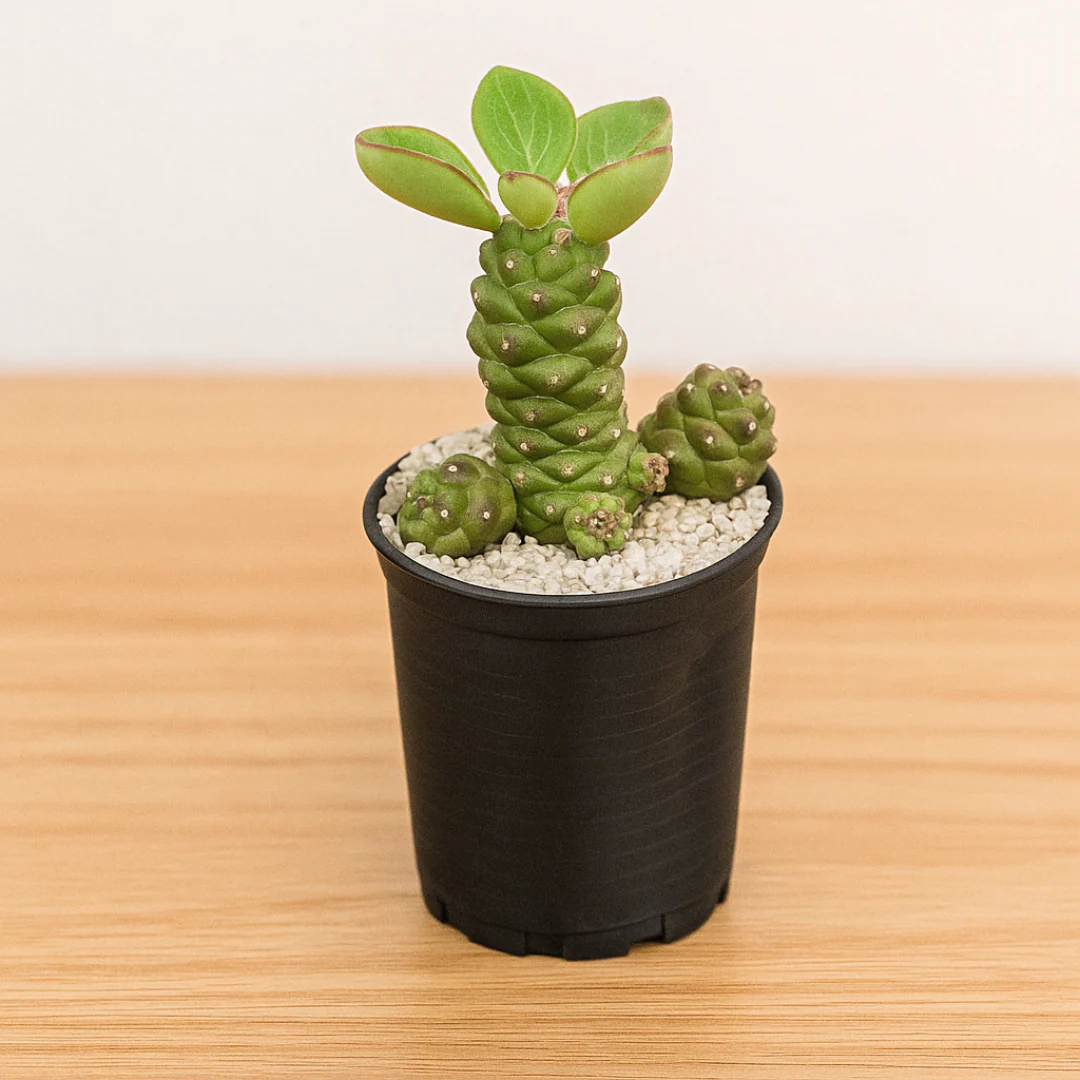
The Euphorbia ritchiei, formerly known as Monadenium ritchiei, is a rare succulent gem from the arid regions of Kenya. In its natural habitat, it thrives under intense African sunlight, in sandy, well-drained soils, and with minimal seasonal rainfall. Its distinct, sculptural stems are adorned with raised ridges and occasional spiny protuberances, creating a fascinating architectural form. In the right conditions, it produces charming clusters of greenish-pink cyathia (flowers), adding a subtle yet captivating flourish to its striking structure.
✅ Origin and Natural Habitat
-
Native to semi-arid, rocky terrains of Kenya.
-
Naturally adapted to intense, year-round sunlight.
-
Grows in fast-draining, sandy soils with minimal organic matter.
-
Experiences long dry seasons with short bursts of rain.
✅ Perfect Placement for a Stunning Home Aesthetic
-
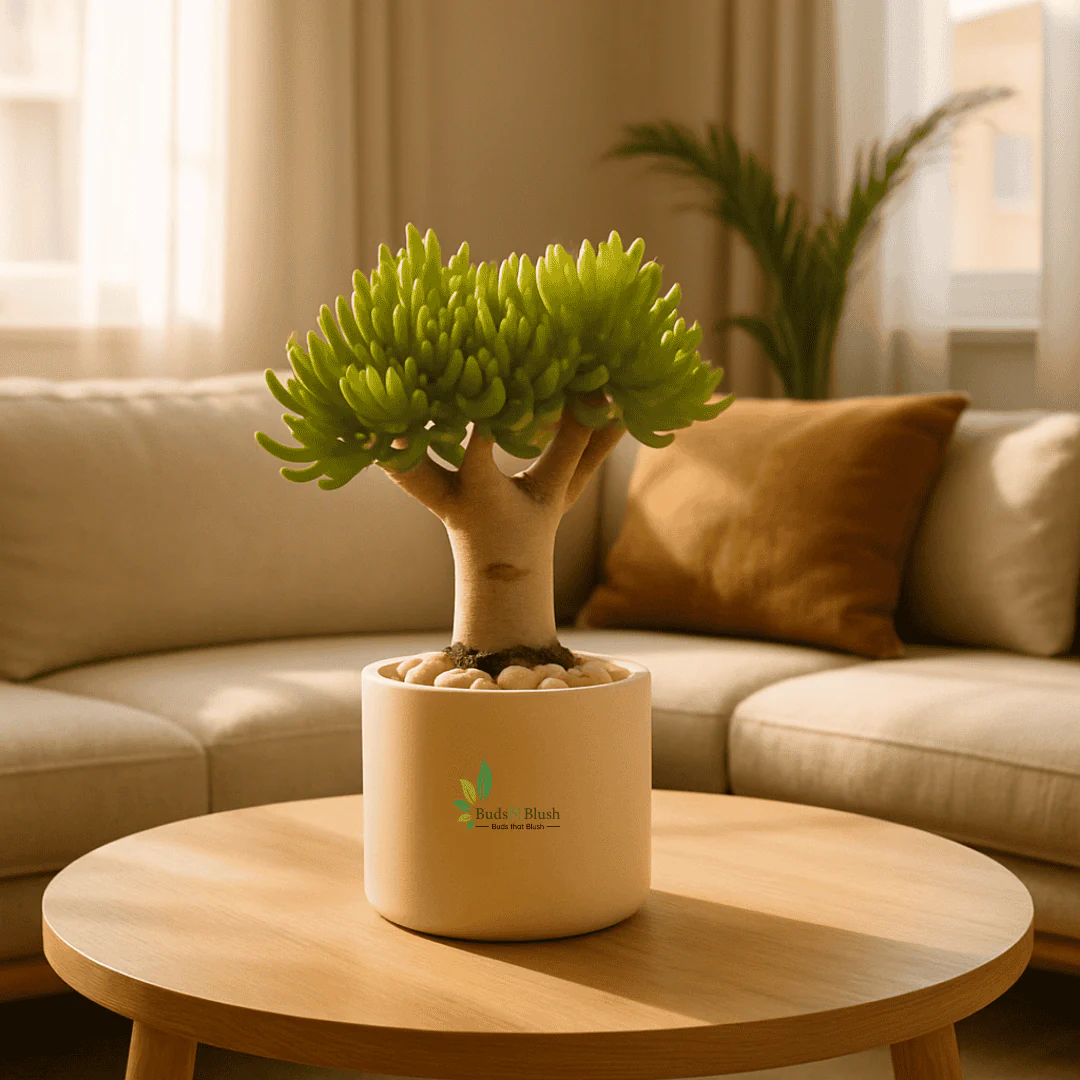
Ideal as a bold statement piece for sunny living rooms or home offices.
-
Stands out beautifully on plant stands, console tables, or window benches.
-
Works well in open shelving arrangements where its unique stem structure can be appreciated from multiple angles.
-
Complements both modern minimalist and earthy, rustic décor styles.
-
Looks elegant in ceramic, terracotta, or textured concrete planters.
✅ Care Guide – From Nurturing to Blooming
-
Requires 5–6 hours of bright, direct sunlight daily.
-
Use a gritty succulent mix with added pumice or coarse sand to ensure rapid drainage.
-
Water thoroughly, allowing the soil to dry completely before watering again.
-
During active growth in spring and summer, feed monthly with a succulent fertilizer low in nitrogen and high in phosphorus and potassium (NPK 5-10-10 or 10-15-10).
-
Organic options such as diluted liquid seaweed or worm castings tea can also be applied sparingly.
-
Avoid water accumulation at the base of stems to prevent rot.
-
Minimal pruning is needed—remove any damaged or shriveled stems.
-
For flowering, maintain bright light and reduce watering slightly during cooler months.
✅ Benefits of Growing Euphorbia ritchiei
-
Rare and highly decorative, making it a collector’s delight.
-
Thrives with minimal care and adapts to indoor environments easily.
-
Unique structural form adds dramatic visual interest to interiors.
-
Compact growth makes it suitable for tabletops, window sills, and shelf displays.
-
A conversation-starting plant that pairs beautifully with other succulents and cacti.
✅ Common Problems and How to Avoid Them
-
Overwatering is the primary cause of decline—ensure proper drainage.
-
Low light causes weak, stretched stems.
-
Occasional mealybugs or aphids may appear—remove manually or treat with a mild insecticidal solution.
-
Maintaining correct light, watering, and soil will keep the plant healthy year-round.
Product Information
Product Information
Shipping & Returns
Shipping & Returns
Monadenium Ritchiei
Monadenium Ritchiei
✅ Euphorbia ritchiei – The Sculpted Wonder of the Succulent World
The Euphorbia ritchiei, formerly known as Monadenium ritchiei, is a rare succulent gem from the arid regions of Kenya. In its natural habitat, it thrives under intense African sunlight, in sandy, well-drained soils, and with minimal seasonal rainfall. Its distinct, sculptural stems are adorned with raised ridges and occasional spiny protuberances, creating a fascinating architectural form. In the right conditions, it produces charming clusters of greenish-pink cyathia (flowers), adding a subtle yet captivating flourish to its striking structure.
✅ Origin and Natural Habitat
-
Native to semi-arid, rocky terrains of Kenya.
-
Naturally adapted to intense, year-round sunlight.
-
Grows in fast-draining, sandy soils with minimal organic matter.
-
Experiences long dry seasons with short bursts of rain.
✅ Perfect Placement for a Stunning Home Aesthetic
-
Ideal as a bold statement piece for sunny living rooms or home offices.
-
Stands out beautifully on plant stands, console tables, or window benches.
-
Works well in open shelving arrangements where its unique stem structure can be appreciated from multiple angles.
-
Complements both modern minimalist and earthy, rustic décor styles.
-
Looks elegant in ceramic, terracotta, or textured concrete planters.
✅ Care Guide – From Nurturing to Blooming
-
Requires 5–6 hours of bright, direct sunlight daily.
-
Use a gritty succulent mix with added pumice or coarse sand to ensure rapid drainage.
-
Water thoroughly, allowing the soil to dry completely before watering again.
-
During active growth in spring and summer, feed monthly with a succulent fertilizer low in nitrogen and high in phosphorus and potassium (NPK 5-10-10 or 10-15-10).
-
Organic options such as diluted liquid seaweed or worm castings tea can also be applied sparingly.
-
Avoid water accumulation at the base of stems to prevent rot.
-
Minimal pruning is needed—remove any damaged or shriveled stems.
-
For flowering, maintain bright light and reduce watering slightly during cooler months.
✅ Benefits of Growing Euphorbia ritchiei
-
Rare and highly decorative, making it a collector’s delight.
-
Thrives with minimal care and adapts to indoor environments easily.
-
Unique structural form adds dramatic visual interest to interiors.
-
Compact growth makes it suitable for tabletops, window sills, and shelf displays.
-
A conversation-starting plant that pairs beautifully with other succulents and cacti.
✅ Common Problems and How to Avoid Them
-
Overwatering is the primary cause of decline—ensure proper drainage.
-
Low light causes weak, stretched stems.
-
Occasional mealybugs or aphids may appear—remove manually or treat with a mild insecticidal solution.
-
Maintaining correct light, watering, and soil will keep the plant healthy year-round.
Product Information
Product Information
Shipping & Returns
Shipping & Returns
Description
✅ Euphorbia ritchiei – The Sculpted Wonder of the Succulent World
The Euphorbia ritchiei, formerly known as Monadenium ritchiei, is a rare succulent gem from the arid regions of Kenya. In its natural habitat, it thrives under intense African sunlight, in sandy, well-drained soils, and with minimal seasonal rainfall. Its distinct, sculptural stems are adorned with raised ridges and occasional spiny protuberances, creating a fascinating architectural form. In the right conditions, it produces charming clusters of greenish-pink cyathia (flowers), adding a subtle yet captivating flourish to its striking structure.
✅ Origin and Natural Habitat
-
Native to semi-arid, rocky terrains of Kenya.
-
Naturally adapted to intense, year-round sunlight.
-
Grows in fast-draining, sandy soils with minimal organic matter.
-
Experiences long dry seasons with short bursts of rain.
✅ Perfect Placement for a Stunning Home Aesthetic
-
Ideal as a bold statement piece for sunny living rooms or home offices.
-
Stands out beautifully on plant stands, console tables, or window benches.
-
Works well in open shelving arrangements where its unique stem structure can be appreciated from multiple angles.
-
Complements both modern minimalist and earthy, rustic décor styles.
-
Looks elegant in ceramic, terracotta, or textured concrete planters.
✅ Care Guide – From Nurturing to Blooming
-
Requires 5–6 hours of bright, direct sunlight daily.
-
Use a gritty succulent mix with added pumice or coarse sand to ensure rapid drainage.
-
Water thoroughly, allowing the soil to dry completely before watering again.
-
During active growth in spring and summer, feed monthly with a succulent fertilizer low in nitrogen and high in phosphorus and potassium (NPK 5-10-10 or 10-15-10).
-
Organic options such as diluted liquid seaweed or worm castings tea can also be applied sparingly.
-
Avoid water accumulation at the base of stems to prevent rot.
-
Minimal pruning is needed—remove any damaged or shriveled stems.
-
For flowering, maintain bright light and reduce watering slightly during cooler months.
✅ Benefits of Growing Euphorbia ritchiei
-
Rare and highly decorative, making it a collector’s delight.
-
Thrives with minimal care and adapts to indoor environments easily.
-
Unique structural form adds dramatic visual interest to interiors.
-
Compact growth makes it suitable for tabletops, window sills, and shelf displays.
-
A conversation-starting plant that pairs beautifully with other succulents and cacti.
✅ Common Problems and How to Avoid Them
-
Overwatering is the primary cause of decline—ensure proper drainage.
-
Low light causes weak, stretched stems.
-
Occasional mealybugs or aphids may appear—remove manually or treat with a mild insecticidal solution.
-
Maintaining correct light, watering, and soil will keep the plant healthy year-round.