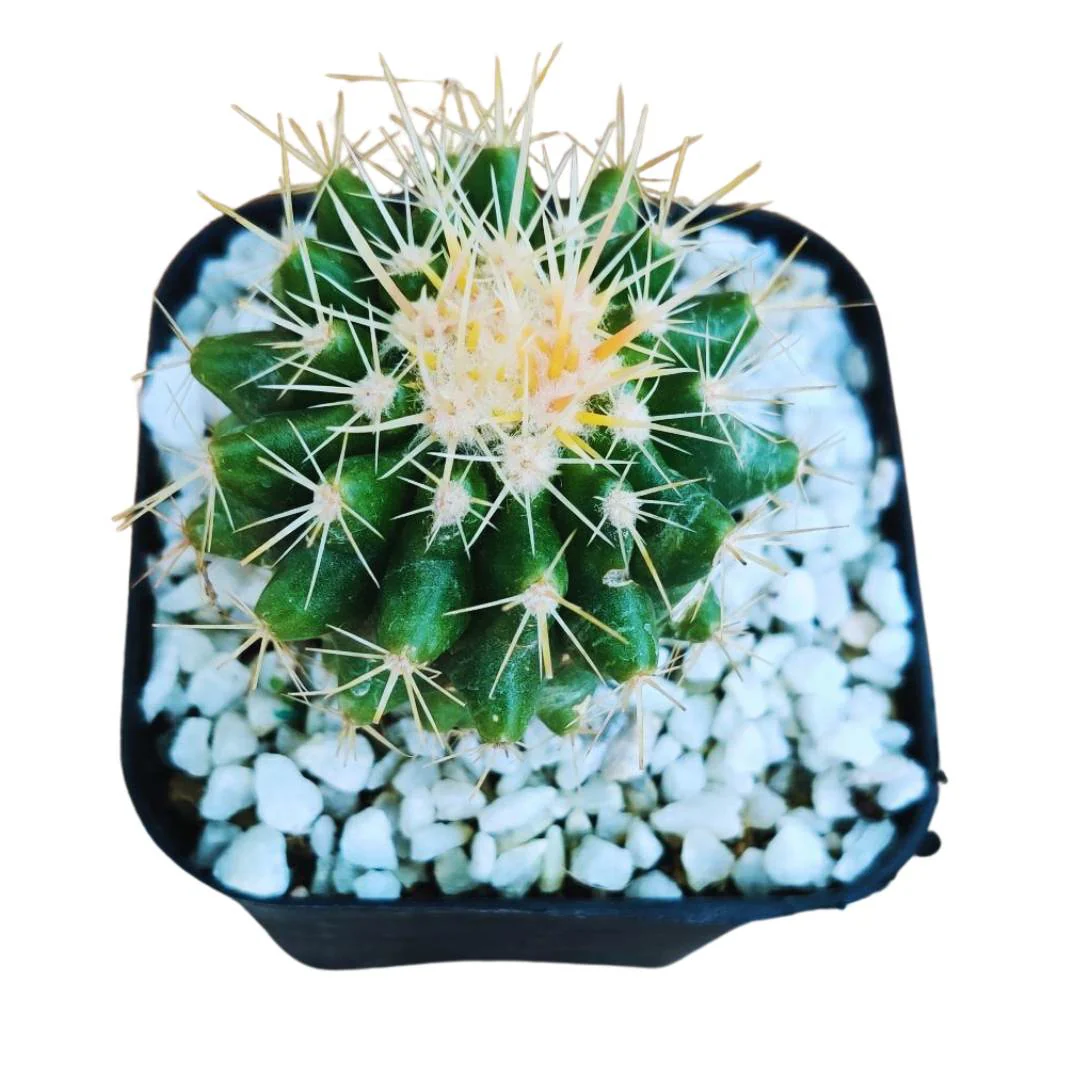
Desi Banarasi Amla Plant
✅ Amla Plant – The Ancient Superfruit Tree of Wellness
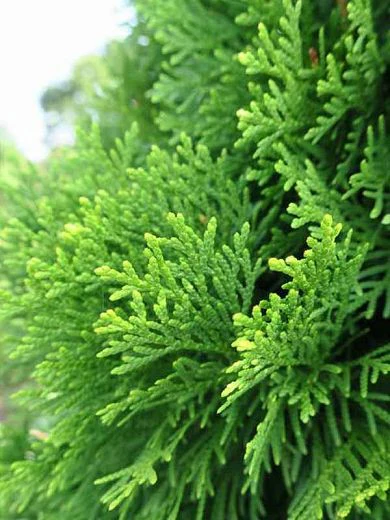
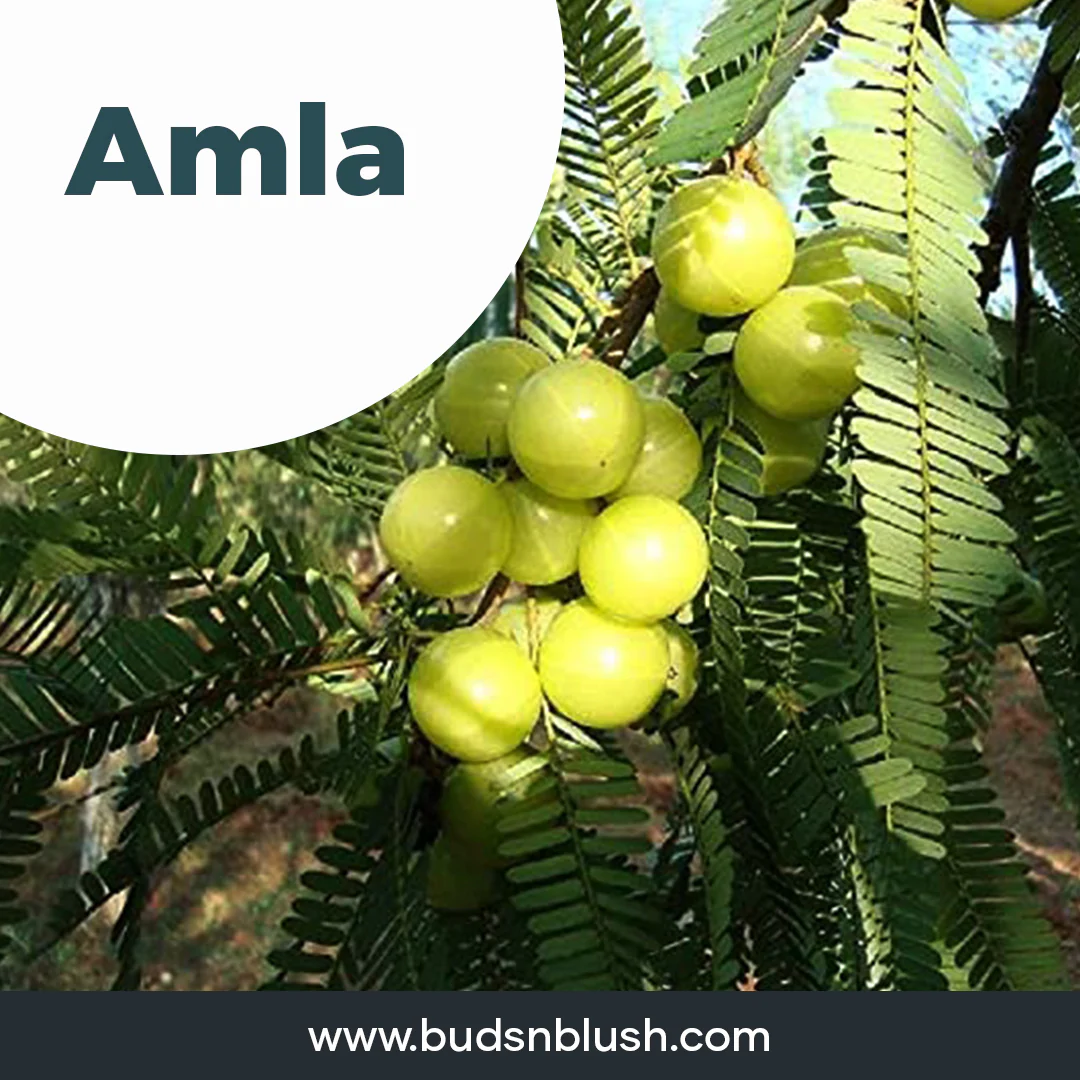
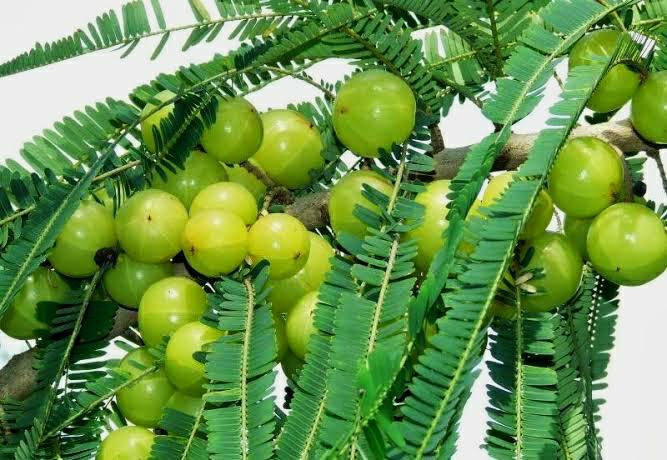
The Amla (Phyllanthus emblica), also known as the Indian Gooseberry, is a revered fruit-bearing tree celebrated in Ayurveda for its extraordinary medicinal properties and rich vitamin C content. With its graceful foliage, small green fruits, and low-maintenance nature, it’s both a health treasure and a beautiful addition to any garden.
✅ Origin and Natural Habitat
-
Native to the Indian subcontinent and Southeast Asia
-
Naturally thrives in tropical and subtropical climates
-
Commonly found in dry, deciduous forests
-
Adaptable to different soil types, from sandy loam to clay
✅ Perfect Placement for a Stunning Display
-
As a stand-alone tree in home gardens or orchards
-
In medicinal or herbal gardens for its wellness benefits
-
Along farm borders for shade and fruit yield
-
Near patios or seating areas for seasonal greenery and fruiting beauty
-
In community gardens to promote sustainable and healthy living
✅ Care Guide – From Nurturing to Thriving
-
Prefers full sun for healthy growth and maximum fruiting
-
Requires minimal watering once established; water young plants regularly
-
Grows well in moderately fertile, well-drained soil
-
Fertilize twice a year with organic compost or balanced fruit-tree fertilizer
-
Prune lightly to maintain shape and encourage airflow
-
Tolerant of drought and light frost, making it hardy in varied conditions
✅ Benefits of Growing Amla
-
Produces nutrient-rich fruits high in vitamin C, antioxidants, and minerals
-
Supports immunity, digestion, and overall wellness
-
Hardy, long-living tree that requires minimal maintenance
-
Attractive foliage and seasonal fruit add ornamental value
-
Valuable in traditional medicine and culinary uses
✅ Common Problems and How to Prevent Them
-
Fruit drop from irregular watering – maintain consistent moisture during fruiting
-
Leaf spot or rust from fungal infections – prune affected parts and use organic fungicides
-
Poor fruiting from insufficient sunlight – ensure full-sun placement
-
Pest infestations like caterpillars – control with neem oil or manual removal
Product Information
Product Information
Shipping & Returns
Shipping & Returns
Desi Banarasi Amla Plant
Desi Banarasi Amla Plant
✅ Amla Plant – The Ancient Superfruit Tree of Wellness
The Amla (Phyllanthus emblica), also known as the Indian Gooseberry, is a revered fruit-bearing tree celebrated in Ayurveda for its extraordinary medicinal properties and rich vitamin C content. With its graceful foliage, small green fruits, and low-maintenance nature, it’s both a health treasure and a beautiful addition to any garden.
✅ Origin and Natural Habitat
-
Native to the Indian subcontinent and Southeast Asia
-
Naturally thrives in tropical and subtropical climates
-
Commonly found in dry, deciduous forests
-
Adaptable to different soil types, from sandy loam to clay
✅ Perfect Placement for a Stunning Display
-
As a stand-alone tree in home gardens or orchards
-
In medicinal or herbal gardens for its wellness benefits
-
Along farm borders for shade and fruit yield
-
Near patios or seating areas for seasonal greenery and fruiting beauty
-
In community gardens to promote sustainable and healthy living
✅ Care Guide – From Nurturing to Thriving
-
Prefers full sun for healthy growth and maximum fruiting
-
Requires minimal watering once established; water young plants regularly
-
Grows well in moderately fertile, well-drained soil
-
Fertilize twice a year with organic compost or balanced fruit-tree fertilizer
-
Prune lightly to maintain shape and encourage airflow
-
Tolerant of drought and light frost, making it hardy in varied conditions
✅ Benefits of Growing Amla
-
Produces nutrient-rich fruits high in vitamin C, antioxidants, and minerals
-
Supports immunity, digestion, and overall wellness
-
Hardy, long-living tree that requires minimal maintenance
-
Attractive foliage and seasonal fruit add ornamental value
-
Valuable in traditional medicine and culinary uses
✅ Common Problems and How to Prevent Them
-
Fruit drop from irregular watering – maintain consistent moisture during fruiting
-
Leaf spot or rust from fungal infections – prune affected parts and use organic fungicides
-
Poor fruiting from insufficient sunlight – ensure full-sun placement
-
Pest infestations like caterpillars – control with neem oil or manual removal
Product Information
Product Information
Shipping & Returns
Shipping & Returns
Description
✅ Amla Plant – The Ancient Superfruit Tree of Wellness
The Amla (Phyllanthus emblica), also known as the Indian Gooseberry, is a revered fruit-bearing tree celebrated in Ayurveda for its extraordinary medicinal properties and rich vitamin C content. With its graceful foliage, small green fruits, and low-maintenance nature, it’s both a health treasure and a beautiful addition to any garden.
✅ Origin and Natural Habitat
-
Native to the Indian subcontinent and Southeast Asia
-
Naturally thrives in tropical and subtropical climates
-
Commonly found in dry, deciduous forests
-
Adaptable to different soil types, from sandy loam to clay
✅ Perfect Placement for a Stunning Display
-
As a stand-alone tree in home gardens or orchards
-
In medicinal or herbal gardens for its wellness benefits
-
Along farm borders for shade and fruit yield
-
Near patios or seating areas for seasonal greenery and fruiting beauty
-
In community gardens to promote sustainable and healthy living
✅ Care Guide – From Nurturing to Thriving
-
Prefers full sun for healthy growth and maximum fruiting
-
Requires minimal watering once established; water young plants regularly
-
Grows well in moderately fertile, well-drained soil
-
Fertilize twice a year with organic compost or balanced fruit-tree fertilizer
-
Prune lightly to maintain shape and encourage airflow
-
Tolerant of drought and light frost, making it hardy in varied conditions
✅ Benefits of Growing Amla
-
Produces nutrient-rich fruits high in vitamin C, antioxidants, and minerals
-
Supports immunity, digestion, and overall wellness
-
Hardy, long-living tree that requires minimal maintenance
-
Attractive foliage and seasonal fruit add ornamental value
-
Valuable in traditional medicine and culinary uses
✅ Common Problems and How to Prevent Them
-
Fruit drop from irregular watering – maintain consistent moisture during fruiting
-
Leaf spot or rust from fungal infections – prune affected parts and use organic fungicides
-
Poor fruiting from insufficient sunlight – ensure full-sun placement
-
Pest infestations like caterpillars – control with neem oil or manual removal