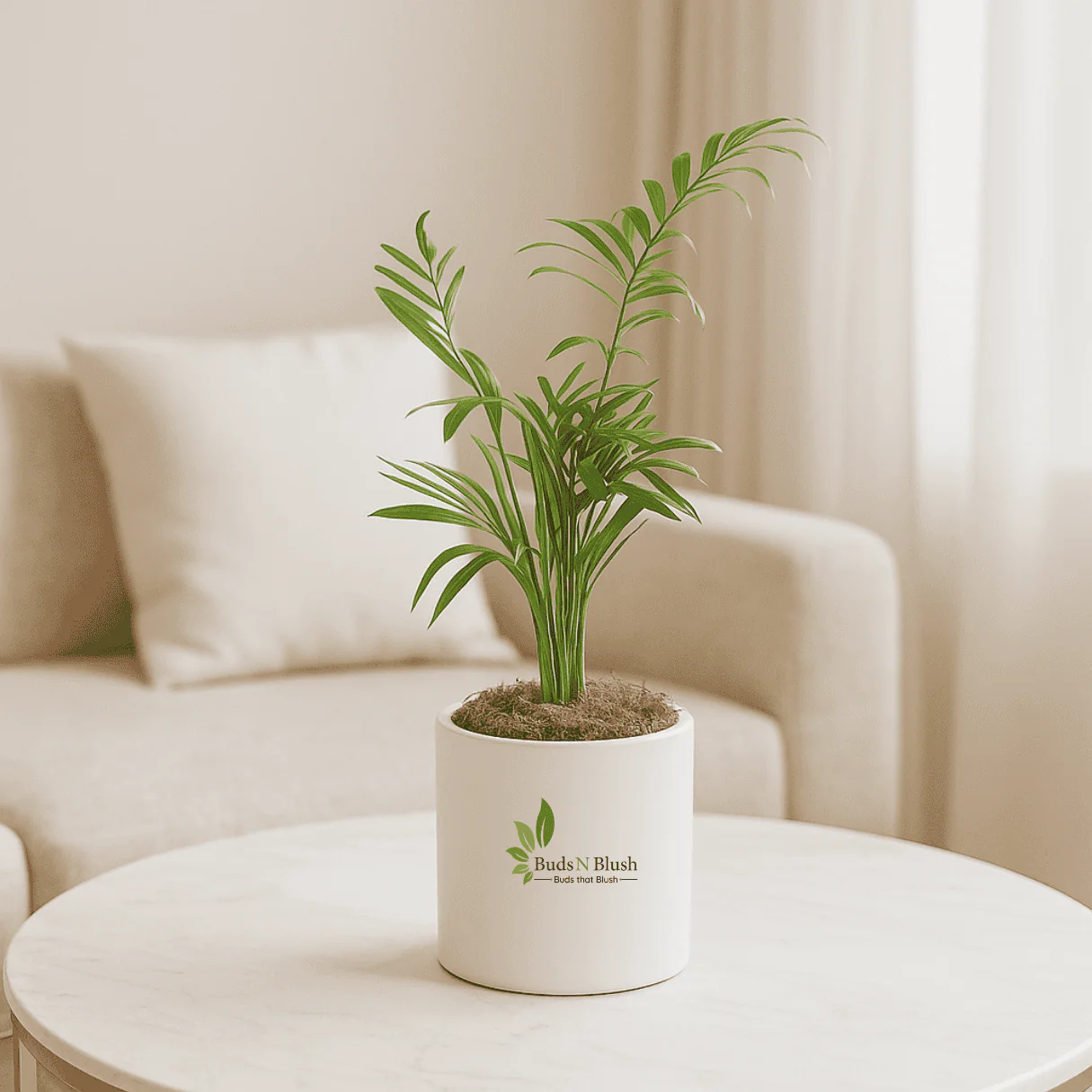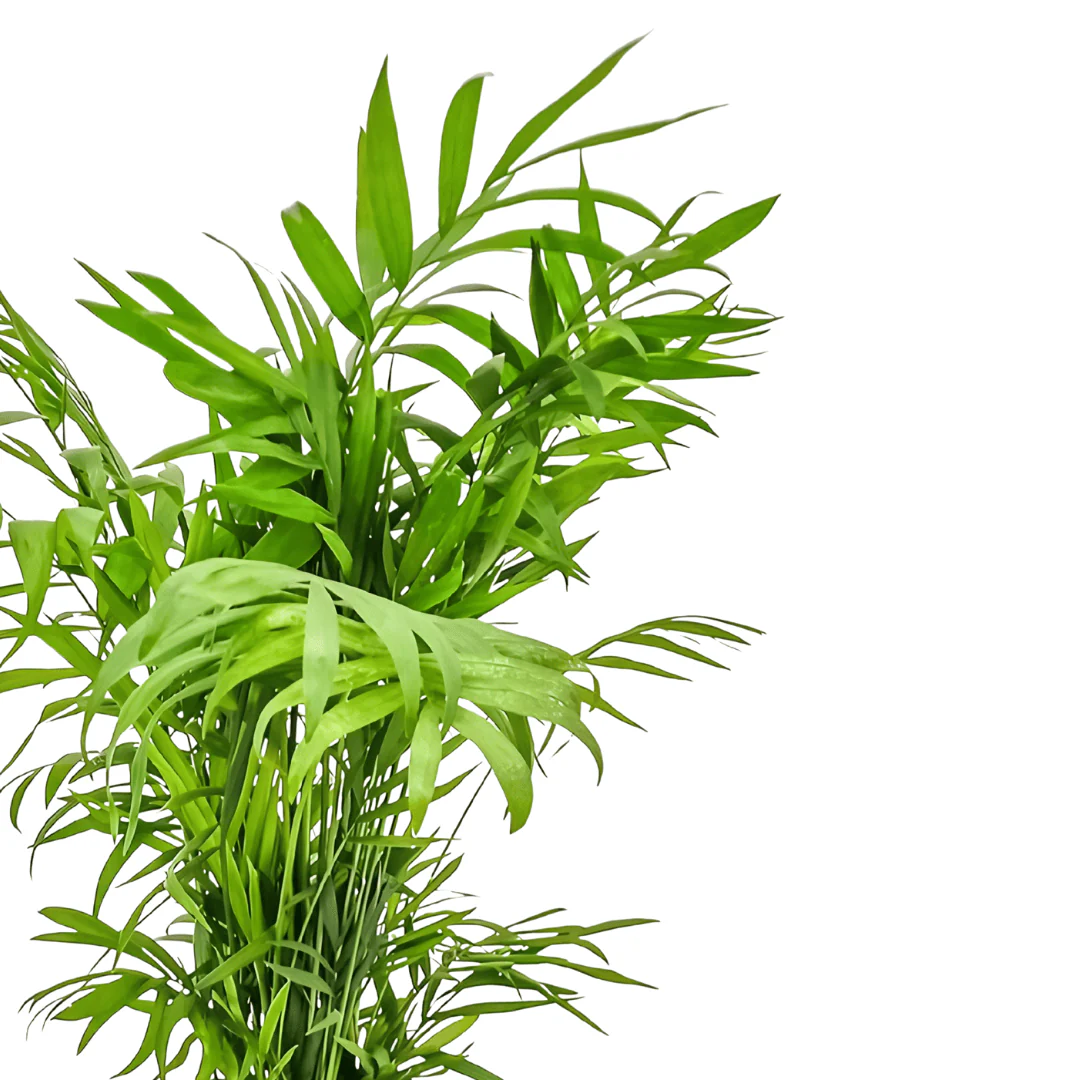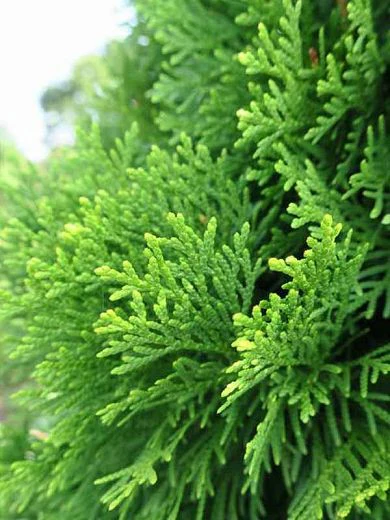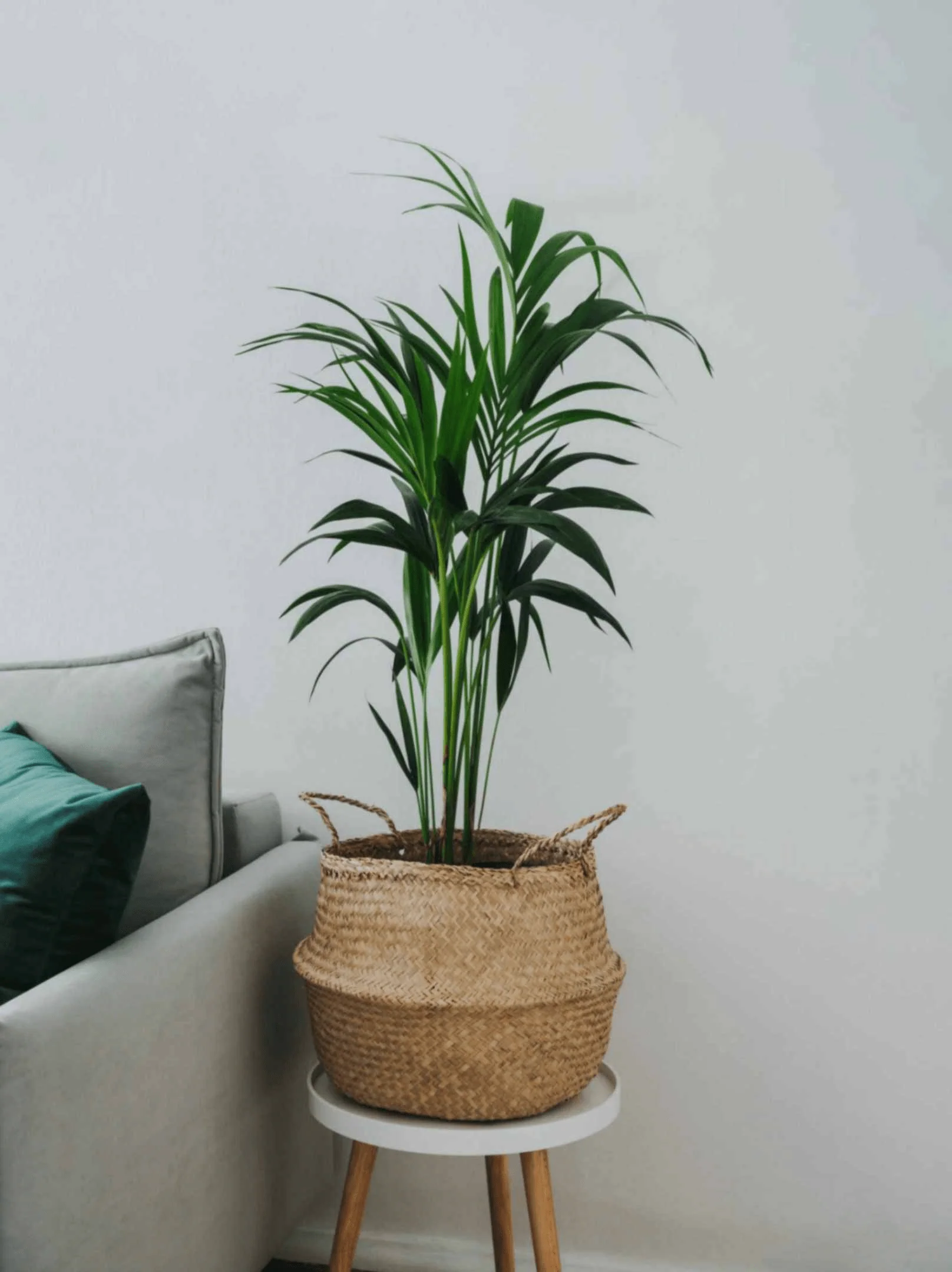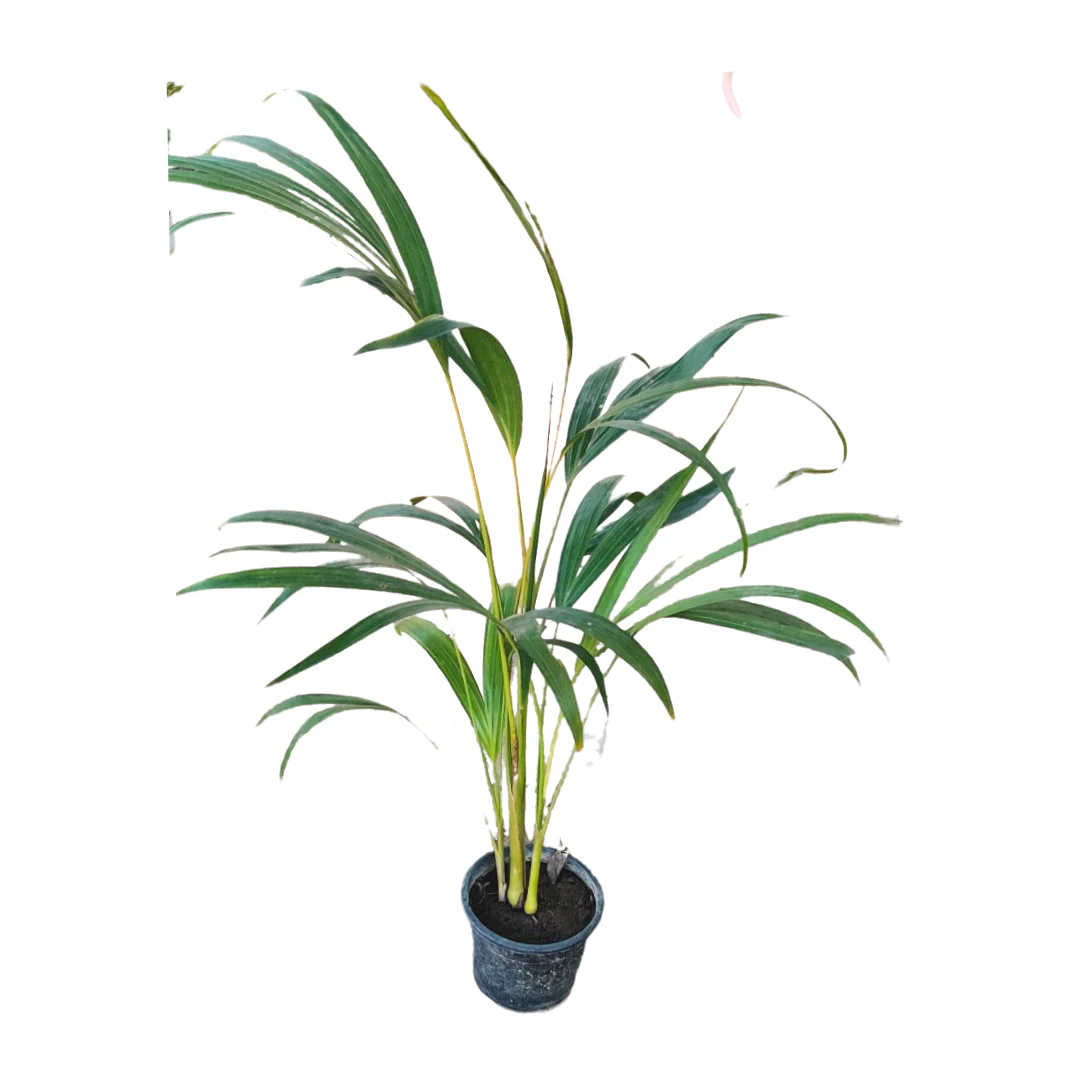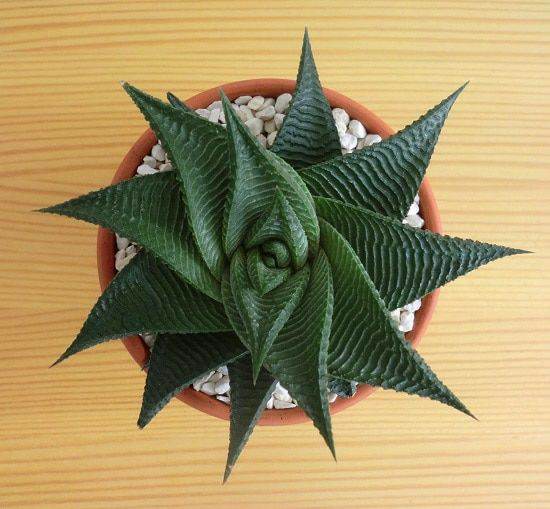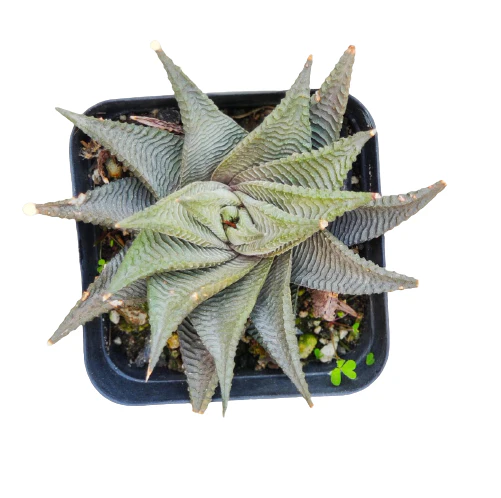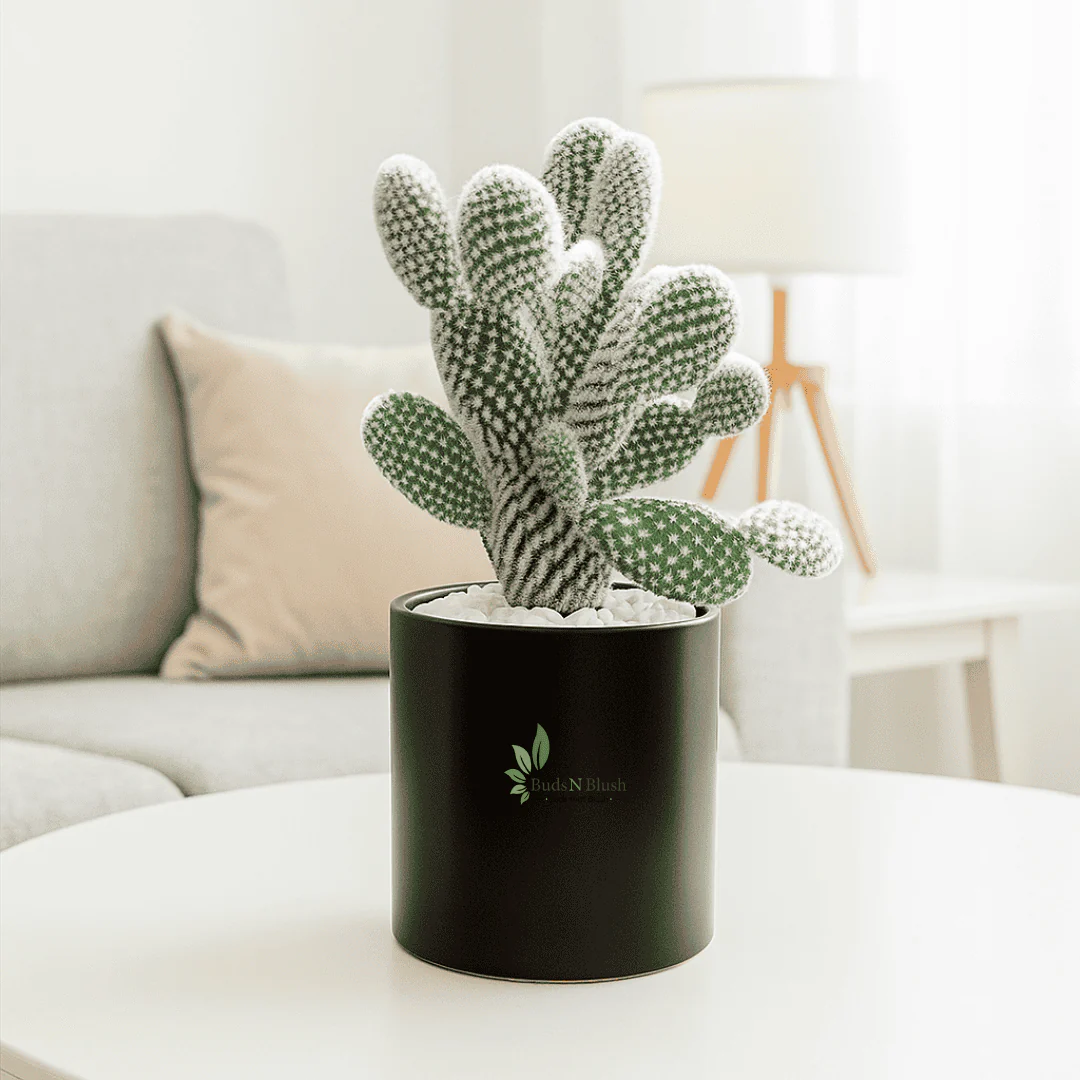
Rajnigandha Plant
✅ Rajnigandha Plant – Tuberose – Fragrance and Elegance in Every Bloom
The Rajnigandha (Polianthes tuberosa) is a graceful flowering plant prized for its long spikes of waxy, white blossoms and intoxicating fragrance. Renowned in perfumery and traditional decorations, it brings both beauty and a sweet, lingering aroma to gardens and floral arrangements.
✅ Origin and Natural Habitat
-
Native to Mexico, later introduced to Asia and Africa
-
Grown widely in tropical and subtropical climates
-
Naturally thrives in sunny, warm locations with fertile, well-drained soil
-
Extensively cultivated for cut flowers and fragrance extraction
✅ Perfect Placement for a Stunning Home or Garden Statement
-
In flower beds for vertical accents and seasonal color
-
Along garden borders for visual impact and fragrance
-
In clusters near patios and windows to enjoy the aroma indoors
-
As a container plant on sunny balconies and terraces
-
In cutting gardens for home floral arrangements
✅ Care Guide – From Nurturing to Flourishing
-
Requires full sun for healthy flowering
-
Water regularly but avoid waterlogging; soil should remain slightly moist
-
Prefers sandy or loamy soil rich in organic matter
-
Fertilize every 3–4 weeks during growing season with a balanced flowering plant fertilizer
-
Remove spent blooms to encourage continuous flowering
-
Mulch around base to retain moisture and regulate soil temperature
✅ Benefits of Growing Rajnigandha
-
Produces a heavenly fragrance, especially in the evening
-
Elegant, long-lasting cut flowers for vases and arrangements
-
Attracts pollinators like moths and butterflies
-
Suitable for both garden beds and pots
-
High ornamental and commercial value in perfumery and decoration
✅ Common Problems and How to Prevent Them
-
Bulb rot from overwatering – ensure good drainage
-
Fungal leaf spots – improve air circulation and avoid overhead watering
-
Weak flowering – plant in full sun and feed regularly
-
Aphids and thrips – control with neem oil or mild insecticidal spray
Product Information
Product Information
Shipping & Returns
Shipping & Returns
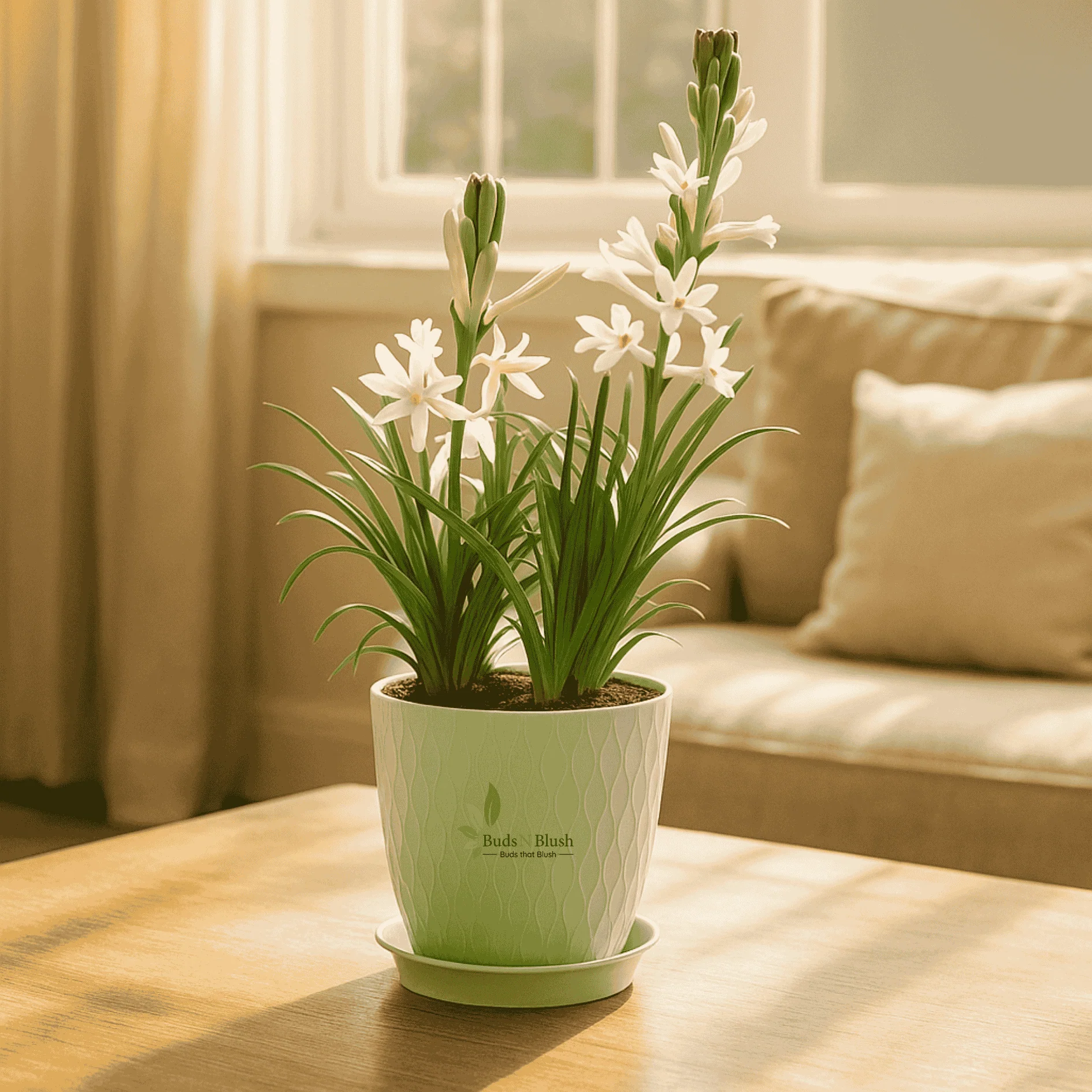
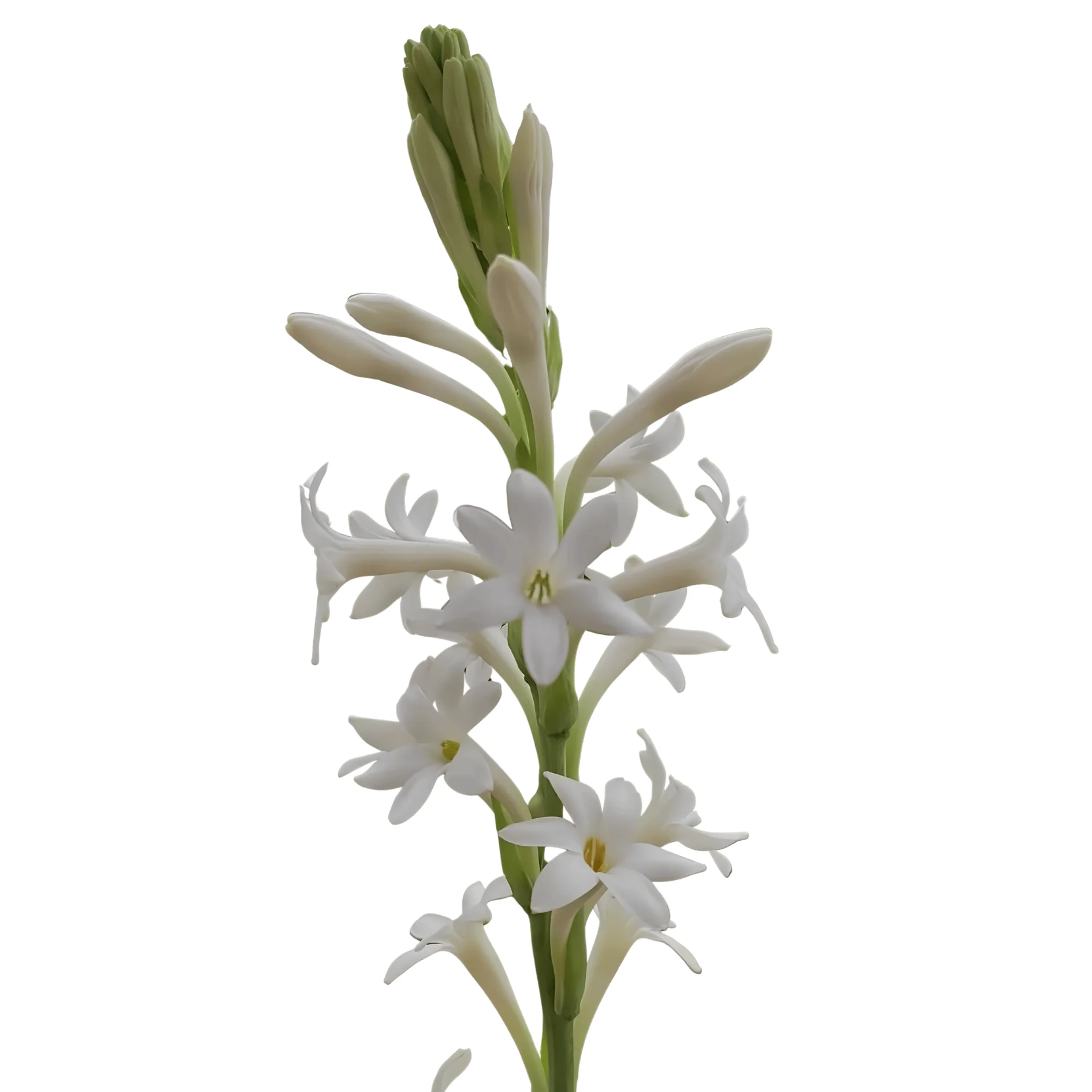
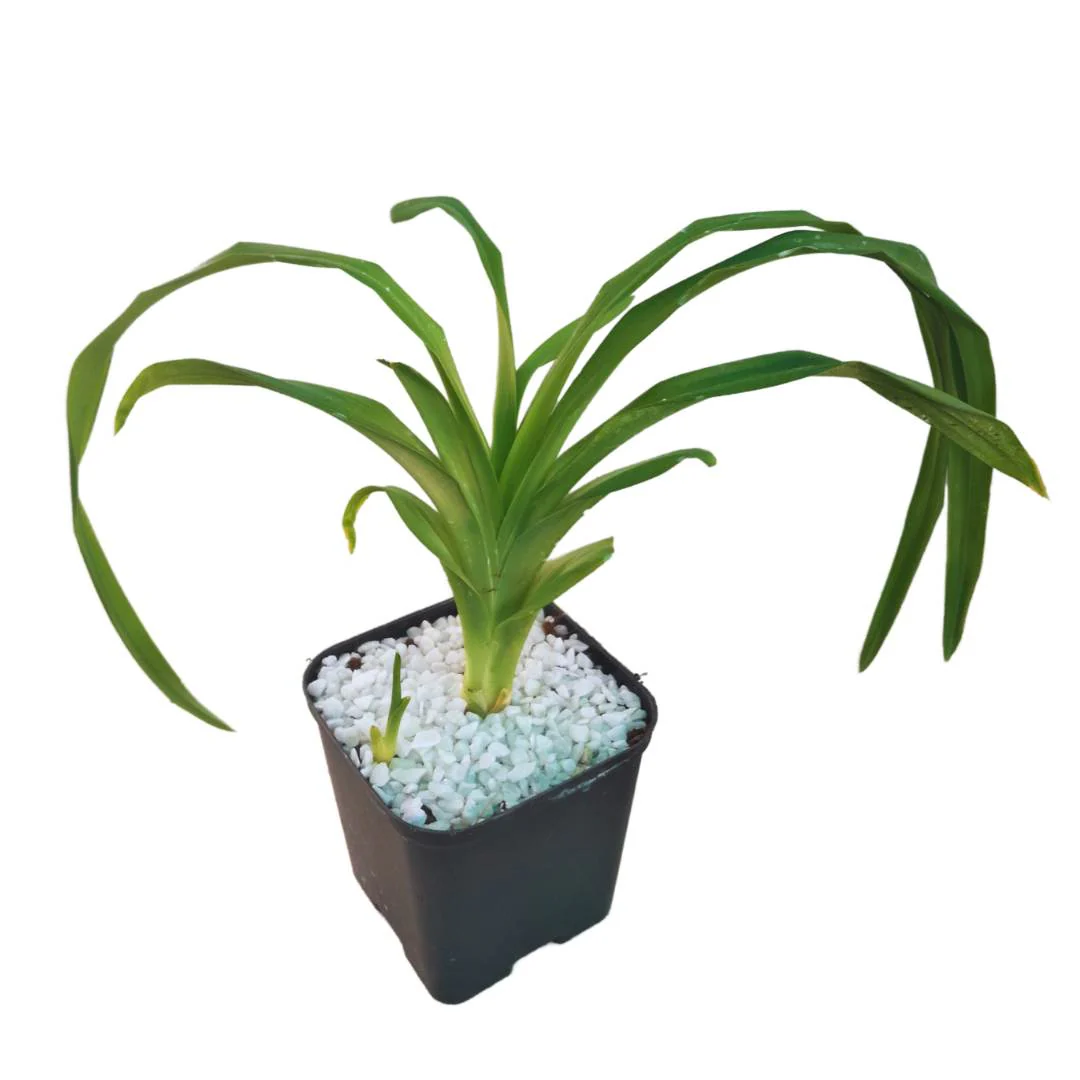
Rajnigandha Plant
Rajnigandha Plant
✅ Rajnigandha Plant – Tuberose – Fragrance and Elegance in Every Bloom
The Rajnigandha (Polianthes tuberosa) is a graceful flowering plant prized for its long spikes of waxy, white blossoms and intoxicating fragrance. Renowned in perfumery and traditional decorations, it brings both beauty and a sweet, lingering aroma to gardens and floral arrangements.
✅ Origin and Natural Habitat
-
Native to Mexico, later introduced to Asia and Africa
-
Grown widely in tropical and subtropical climates
-
Naturally thrives in sunny, warm locations with fertile, well-drained soil
-
Extensively cultivated for cut flowers and fragrance extraction
✅ Perfect Placement for a Stunning Home or Garden Statement
-
In flower beds for vertical accents and seasonal color
-
Along garden borders for visual impact and fragrance
-
In clusters near patios and windows to enjoy the aroma indoors
-
As a container plant on sunny balconies and terraces
-
In cutting gardens for home floral arrangements
✅ Care Guide – From Nurturing to Flourishing
-
Requires full sun for healthy flowering
-
Water regularly but avoid waterlogging; soil should remain slightly moist
-
Prefers sandy or loamy soil rich in organic matter
-
Fertilize every 3–4 weeks during growing season with a balanced flowering plant fertilizer
-
Remove spent blooms to encourage continuous flowering
-
Mulch around base to retain moisture and regulate soil temperature
✅ Benefits of Growing Rajnigandha
-
Produces a heavenly fragrance, especially in the evening
-
Elegant, long-lasting cut flowers for vases and arrangements
-
Attracts pollinators like moths and butterflies
-
Suitable for both garden beds and pots
-
High ornamental and commercial value in perfumery and decoration
✅ Common Problems and How to Prevent Them
-
Bulb rot from overwatering – ensure good drainage
-
Fungal leaf spots – improve air circulation and avoid overhead watering
-
Weak flowering – plant in full sun and feed regularly
-
Aphids and thrips – control with neem oil or mild insecticidal spray
Product Information
Product Information
Shipping & Returns
Shipping & Returns
Description
✅ Rajnigandha Plant – Tuberose – Fragrance and Elegance in Every Bloom
The Rajnigandha (Polianthes tuberosa) is a graceful flowering plant prized for its long spikes of waxy, white blossoms and intoxicating fragrance. Renowned in perfumery and traditional decorations, it brings both beauty and a sweet, lingering aroma to gardens and floral arrangements.
✅ Origin and Natural Habitat
-
Native to Mexico, later introduced to Asia and Africa
-
Grown widely in tropical and subtropical climates
-
Naturally thrives in sunny, warm locations with fertile, well-drained soil
-
Extensively cultivated for cut flowers and fragrance extraction
✅ Perfect Placement for a Stunning Home or Garden Statement
-
In flower beds for vertical accents and seasonal color
-
Along garden borders for visual impact and fragrance
-
In clusters near patios and windows to enjoy the aroma indoors
-
As a container plant on sunny balconies and terraces
-
In cutting gardens for home floral arrangements
✅ Care Guide – From Nurturing to Flourishing
-
Requires full sun for healthy flowering
-
Water regularly but avoid waterlogging; soil should remain slightly moist
-
Prefers sandy or loamy soil rich in organic matter
-
Fertilize every 3–4 weeks during growing season with a balanced flowering plant fertilizer
-
Remove spent blooms to encourage continuous flowering
-
Mulch around base to retain moisture and regulate soil temperature
✅ Benefits of Growing Rajnigandha
-
Produces a heavenly fragrance, especially in the evening
-
Elegant, long-lasting cut flowers for vases and arrangements
-
Attracts pollinators like moths and butterflies
-
Suitable for both garden beds and pots
-
High ornamental and commercial value in perfumery and decoration
✅ Common Problems and How to Prevent Them
-
Bulb rot from overwatering – ensure good drainage
-
Fungal leaf spots – improve air circulation and avoid overhead watering
-
Weak flowering – plant in full sun and feed regularly
-
Aphids and thrips – control with neem oil or mild insecticidal spray