Ficus Benjamina Plant
✅ Ficus benjamina – Elegant Indoor Tree with Graceful, Flowing Foliage
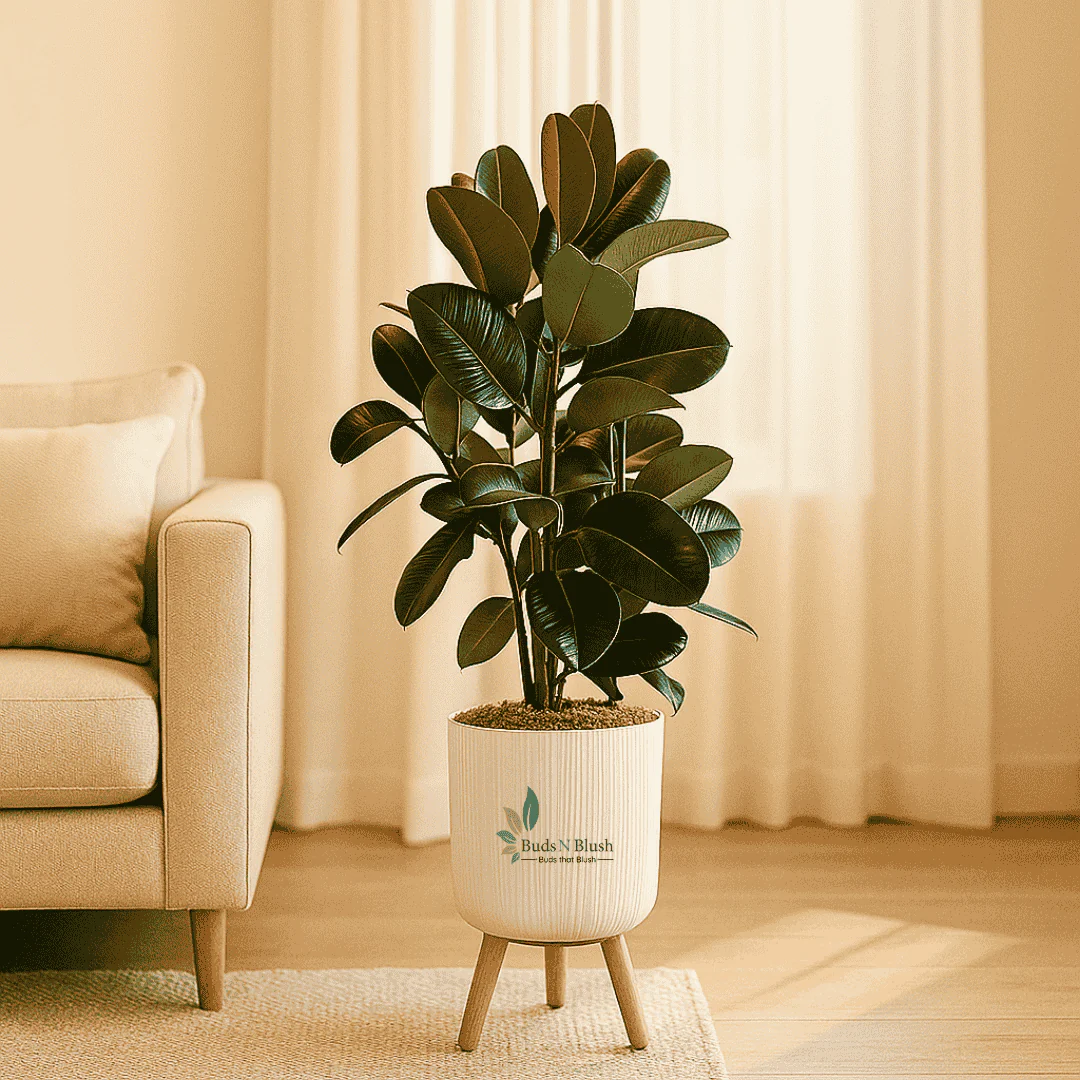
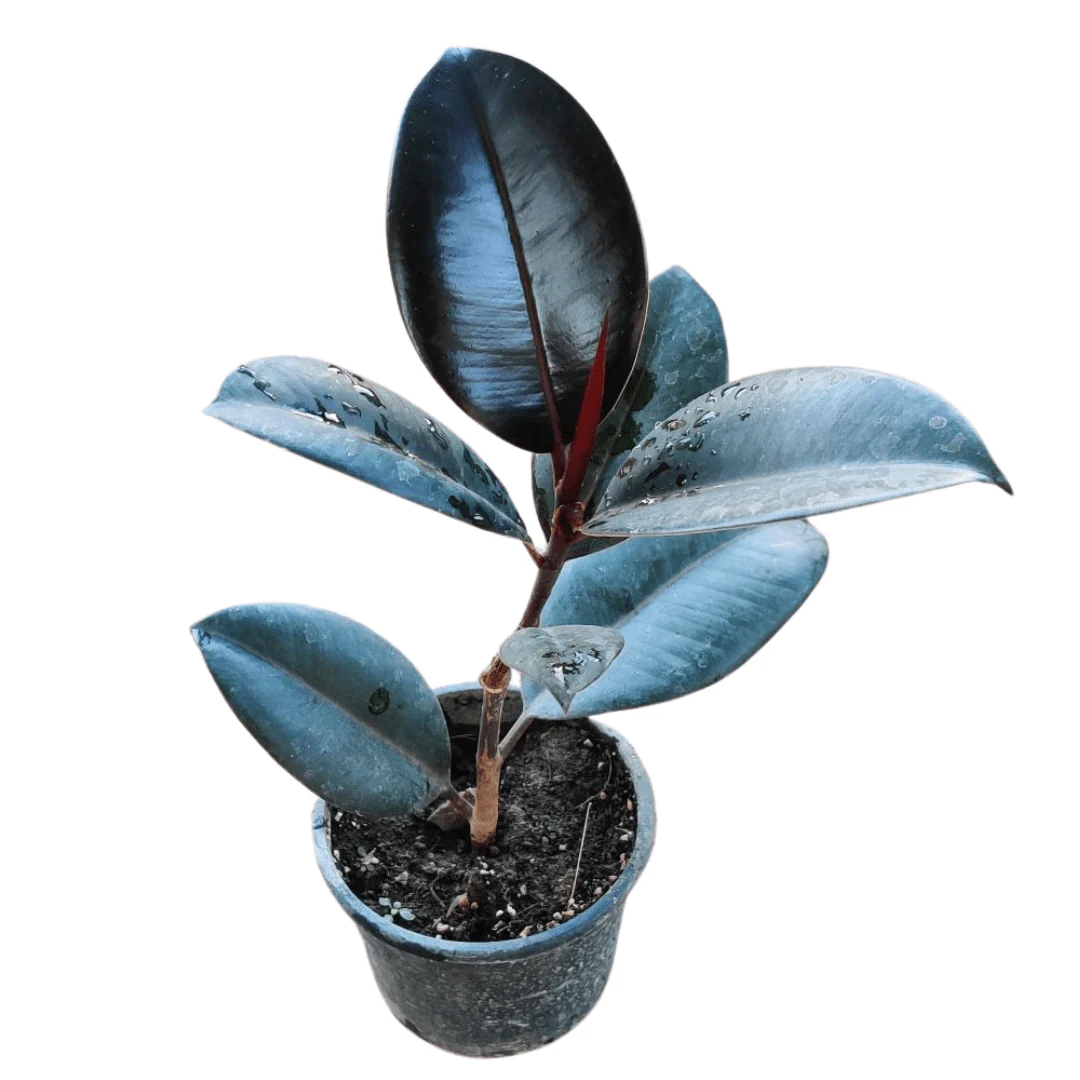
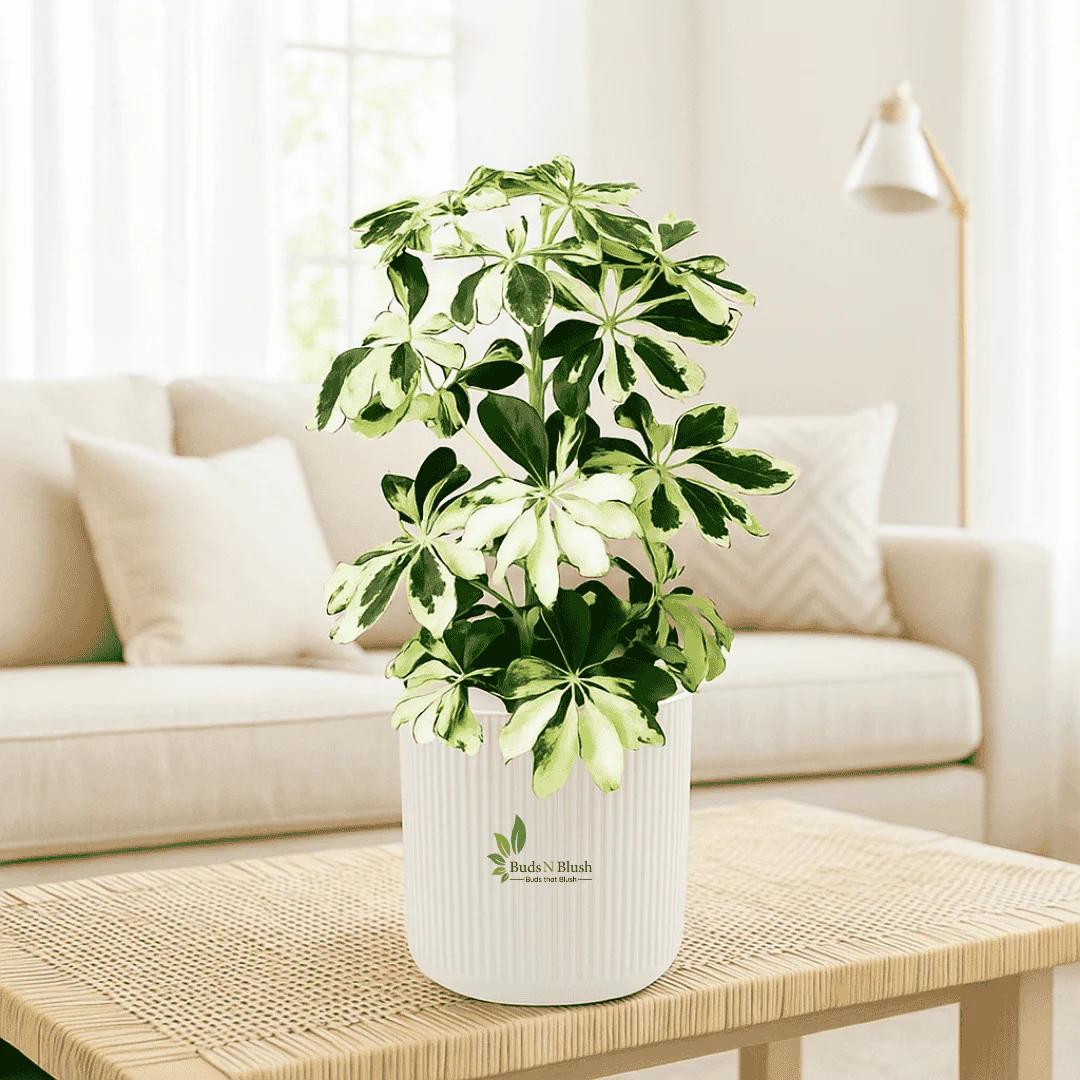
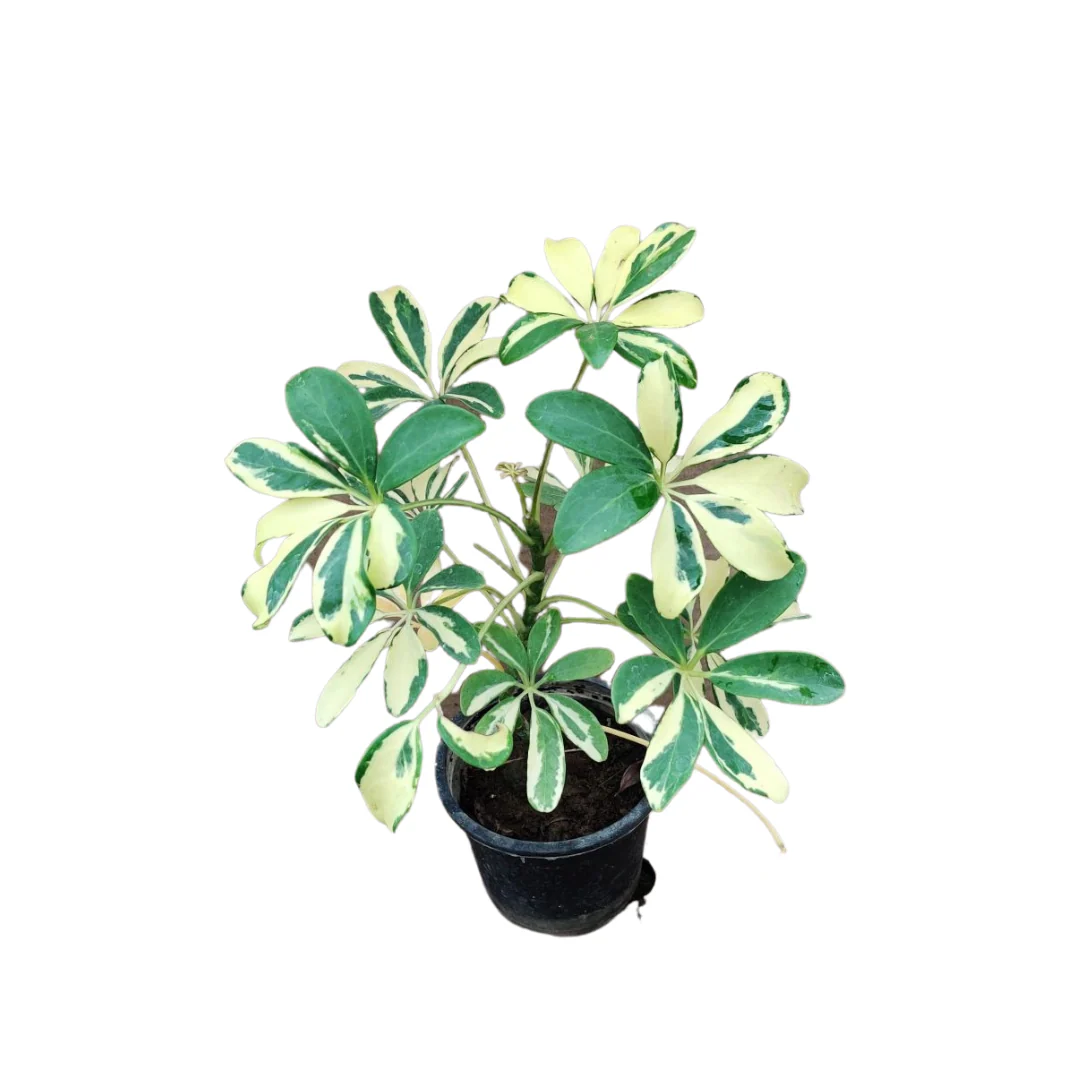
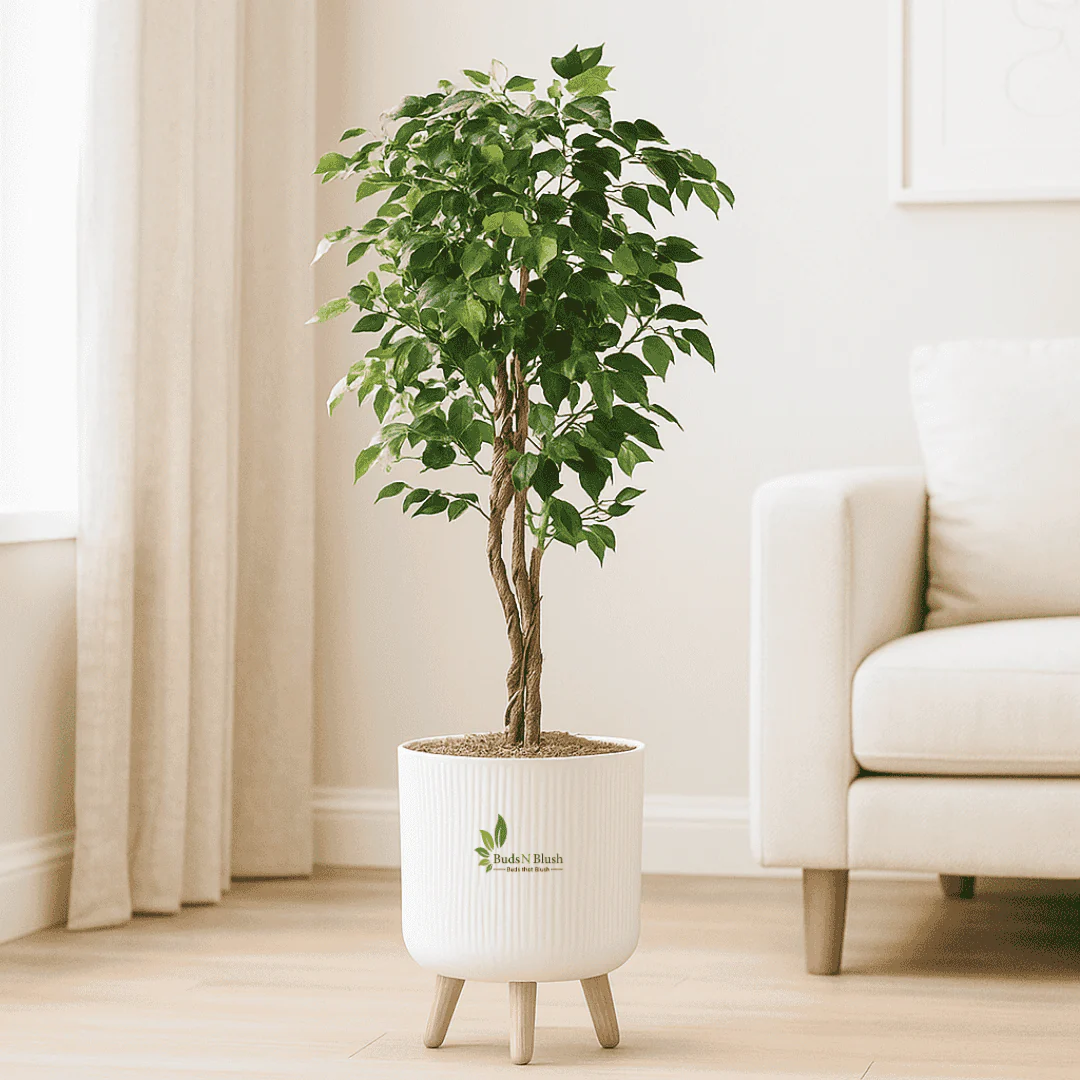
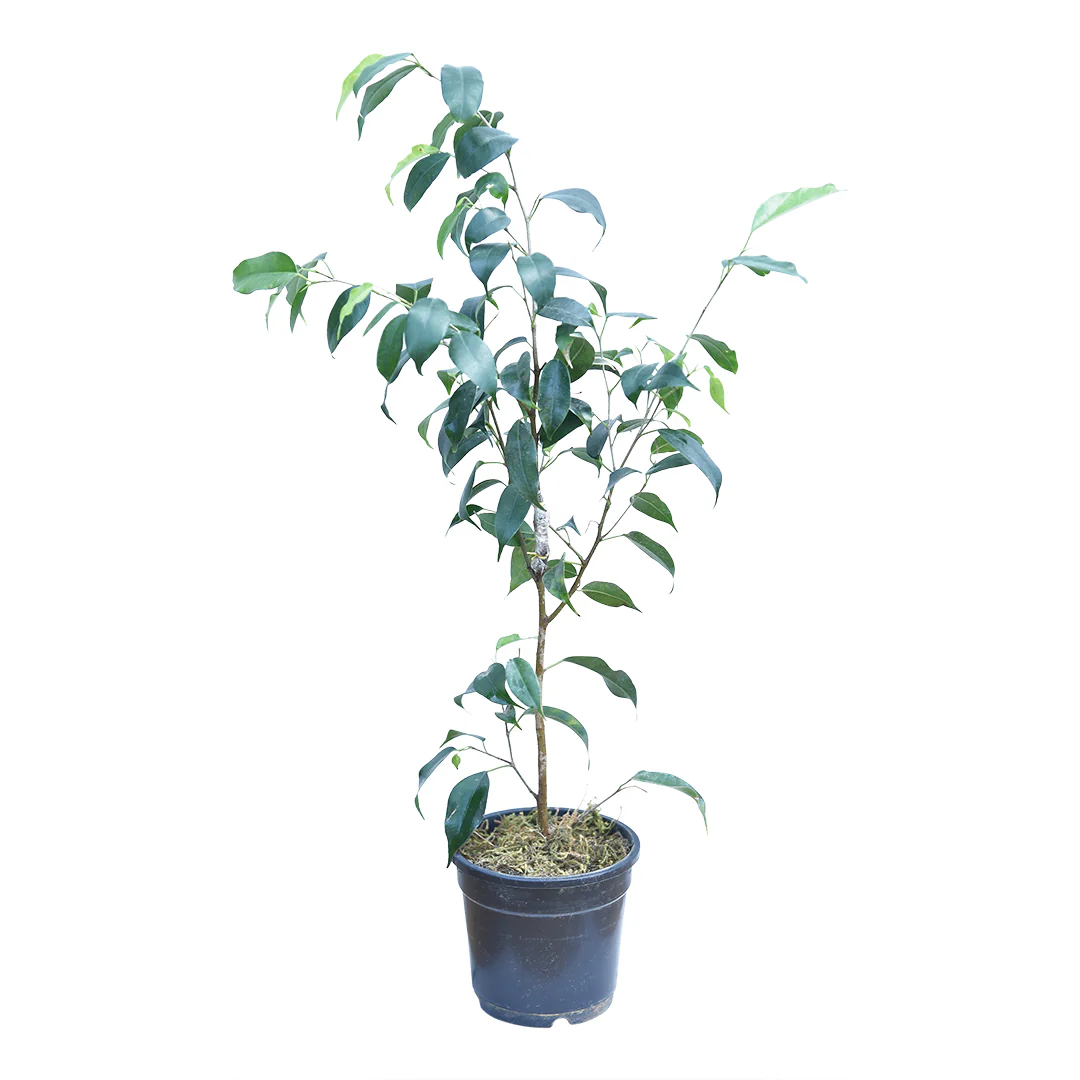
Ficus benjamina, known as the Weeping Fig, is a classic indoor tree celebrated for its gracefully arching branches and abundant, glossy green leaves. Native to Southeast Asia and Australia, it brings refined structure and a calming, tree-like presence to interiors. With time and proper care, it can grow several feet tall indoors, making it ideal as a natural focal point in stylish homes and offices.
Its tree-like form, low maintenance needs, and air-purifying abilities have made it a favorite in interior design for decades. Whether you're going for a minimalist look or tropical elegance, this plant adds a quiet sense of sophistication.
✅ Where to Place (Styling and Positioning Tips)
-
Prefers bright, indirect light; tolerates some direct morning sun
-
Ideal for living rooms, offices, hallways, or open-plan spaces
-
Works well in corners where it can grow tall and arch outward
-
Looks elegant in ceramic or woven planters for a sculptural effect
-
Keep away from heaters, cold drafts, or frequently changing spots
-
Avoid low-light areas which may lead to leaf drop
✅ Benefits and Design Impact (Why It Belongs in Your Space)
-
Elegant arching branches create a peaceful, tree-like atmosphere
-
Excellent natural air purifier—removes formaldehyde and other toxins
-
Adds height, texture, and movement to interior plant arrangements
-
Works beautifully as a statement piece in modern, boho, or tropical designs
-
Long-lived and adaptable when placed in a stable environment
-
Can be trained as a standard tree or multi-stemmed bonsai style
✅ Care Guide (Simple and Effective)
-
Light: Bright, indirect light is best; tolerates some early morning direct sun
-
Water: Water when the top 2 inches of soil feel dry; do not overwater
-
Soil: Use a well-draining potting mix with good aeration
-
Humidity: Prefers moderate humidity; occasional misting is helpful
-
Temperature: Ideal range is 18–42°C; avoid cold drafts
-
Fertilizer: Feed monthly during spring and summer with balanced liquid fertilizer
-
Maintenance: Rotate the plant occasionally for even growth
-
Repotting: Every 2–3 years or when rootbound; refresh topsoil annually
✅ Common Problems and Troubleshooting (Keep It Looking Its Best)
-
Sudden leaf drop often results from stress—changing location, overwatering, or drafts
-
Yellow leaves may indicate overwatering or poor drainage
-
Crispy leaf edges can occur in dry air or near heaters
-
Sparse growth may result from insufficient light
-
Susceptible to pests like spider mites, scale, or thrips—treat with neem or insecticidal soap
-
Sensitive to changes—keep its environment stable for best performance
Product Information
Product Information
Shipping & Returns
Shipping & Returns
Ficus Benjamina Plant
Ficus Benjamina Plant
✅ Ficus benjamina – Elegant Indoor Tree with Graceful, Flowing Foliage
Ficus benjamina, known as the Weeping Fig, is a classic indoor tree celebrated for its gracefully arching branches and abundant, glossy green leaves. Native to Southeast Asia and Australia, it brings refined structure and a calming, tree-like presence to interiors. With time and proper care, it can grow several feet tall indoors, making it ideal as a natural focal point in stylish homes and offices.
Its tree-like form, low maintenance needs, and air-purifying abilities have made it a favorite in interior design for decades. Whether you're going for a minimalist look or tropical elegance, this plant adds a quiet sense of sophistication.
✅ Where to Place (Styling and Positioning Tips)
-
Prefers bright, indirect light; tolerates some direct morning sun
-
Ideal for living rooms, offices, hallways, or open-plan spaces
-
Works well in corners where it can grow tall and arch outward
-
Looks elegant in ceramic or woven planters for a sculptural effect
-
Keep away from heaters, cold drafts, or frequently changing spots
-
Avoid low-light areas which may lead to leaf drop
✅ Benefits and Design Impact (Why It Belongs in Your Space)
-
Elegant arching branches create a peaceful, tree-like atmosphere
-
Excellent natural air purifier—removes formaldehyde and other toxins
-
Adds height, texture, and movement to interior plant arrangements
-
Works beautifully as a statement piece in modern, boho, or tropical designs
-
Long-lived and adaptable when placed in a stable environment
-
Can be trained as a standard tree or multi-stemmed bonsai style
✅ Care Guide (Simple and Effective)
-
Light: Bright, indirect light is best; tolerates some early morning direct sun
-
Water: Water when the top 2 inches of soil feel dry; do not overwater
-
Soil: Use a well-draining potting mix with good aeration
-
Humidity: Prefers moderate humidity; occasional misting is helpful
-
Temperature: Ideal range is 18–42°C; avoid cold drafts
-
Fertilizer: Feed monthly during spring and summer with balanced liquid fertilizer
-
Maintenance: Rotate the plant occasionally for even growth
-
Repotting: Every 2–3 years or when rootbound; refresh topsoil annually
✅ Common Problems and Troubleshooting (Keep It Looking Its Best)
-
Sudden leaf drop often results from stress—changing location, overwatering, or drafts
-
Yellow leaves may indicate overwatering or poor drainage
-
Crispy leaf edges can occur in dry air or near heaters
-
Sparse growth may result from insufficient light
-
Susceptible to pests like spider mites, scale, or thrips—treat with neem or insecticidal soap
-
Sensitive to changes—keep its environment stable for best performance
Product Information
Product Information
Shipping & Returns
Shipping & Returns
Description
✅ Ficus benjamina – Elegant Indoor Tree with Graceful, Flowing Foliage
Ficus benjamina, known as the Weeping Fig, is a classic indoor tree celebrated for its gracefully arching branches and abundant, glossy green leaves. Native to Southeast Asia and Australia, it brings refined structure and a calming, tree-like presence to interiors. With time and proper care, it can grow several feet tall indoors, making it ideal as a natural focal point in stylish homes and offices.
Its tree-like form, low maintenance needs, and air-purifying abilities have made it a favorite in interior design for decades. Whether you're going for a minimalist look or tropical elegance, this plant adds a quiet sense of sophistication.
✅ Where to Place (Styling and Positioning Tips)
-
Prefers bright, indirect light; tolerates some direct morning sun
-
Ideal for living rooms, offices, hallways, or open-plan spaces
-
Works well in corners where it can grow tall and arch outward
-
Looks elegant in ceramic or woven planters for a sculptural effect
-
Keep away from heaters, cold drafts, or frequently changing spots
-
Avoid low-light areas which may lead to leaf drop
✅ Benefits and Design Impact (Why It Belongs in Your Space)
-
Elegant arching branches create a peaceful, tree-like atmosphere
-
Excellent natural air purifier—removes formaldehyde and other toxins
-
Adds height, texture, and movement to interior plant arrangements
-
Works beautifully as a statement piece in modern, boho, or tropical designs
-
Long-lived and adaptable when placed in a stable environment
-
Can be trained as a standard tree or multi-stemmed bonsai style
✅ Care Guide (Simple and Effective)
-
Light: Bright, indirect light is best; tolerates some early morning direct sun
-
Water: Water when the top 2 inches of soil feel dry; do not overwater
-
Soil: Use a well-draining potting mix with good aeration
-
Humidity: Prefers moderate humidity; occasional misting is helpful
-
Temperature: Ideal range is 18–42°C; avoid cold drafts
-
Fertilizer: Feed monthly during spring and summer with balanced liquid fertilizer
-
Maintenance: Rotate the plant occasionally for even growth
-
Repotting: Every 2–3 years or when rootbound; refresh topsoil annually
✅ Common Problems and Troubleshooting (Keep It Looking Its Best)
-
Sudden leaf drop often results from stress—changing location, overwatering, or drafts
-
Yellow leaves may indicate overwatering or poor drainage
-
Crispy leaf edges can occur in dry air or near heaters
-
Sparse growth may result from insufficient light
-
Susceptible to pests like spider mites, scale, or thrips—treat with neem or insecticidal soap
-
Sensitive to changes—keep its environment stable for best performance