Sansevieria Cylindrica
✅ Sansevieria cylindrica – Sculptural Elegance in a Hardy Form
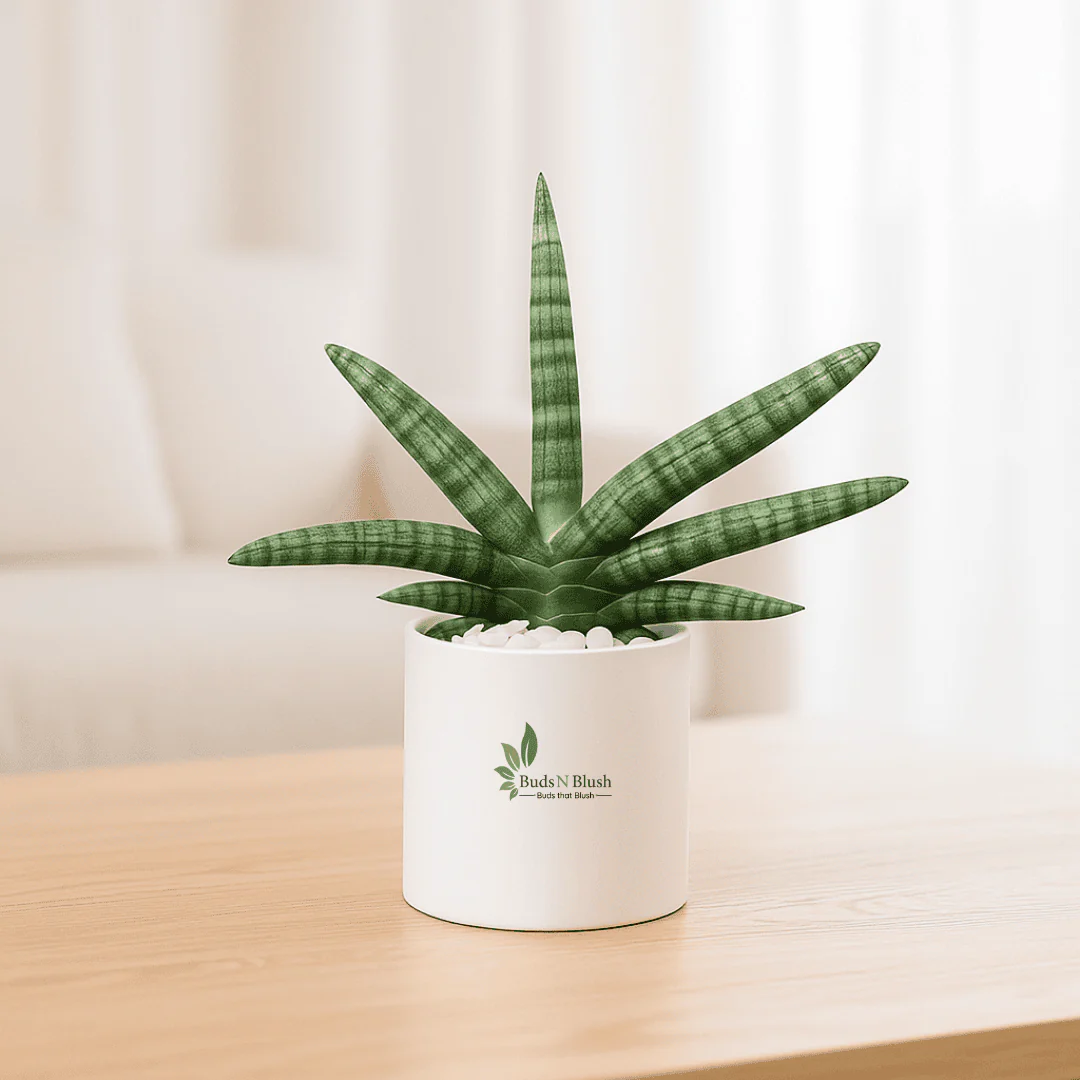
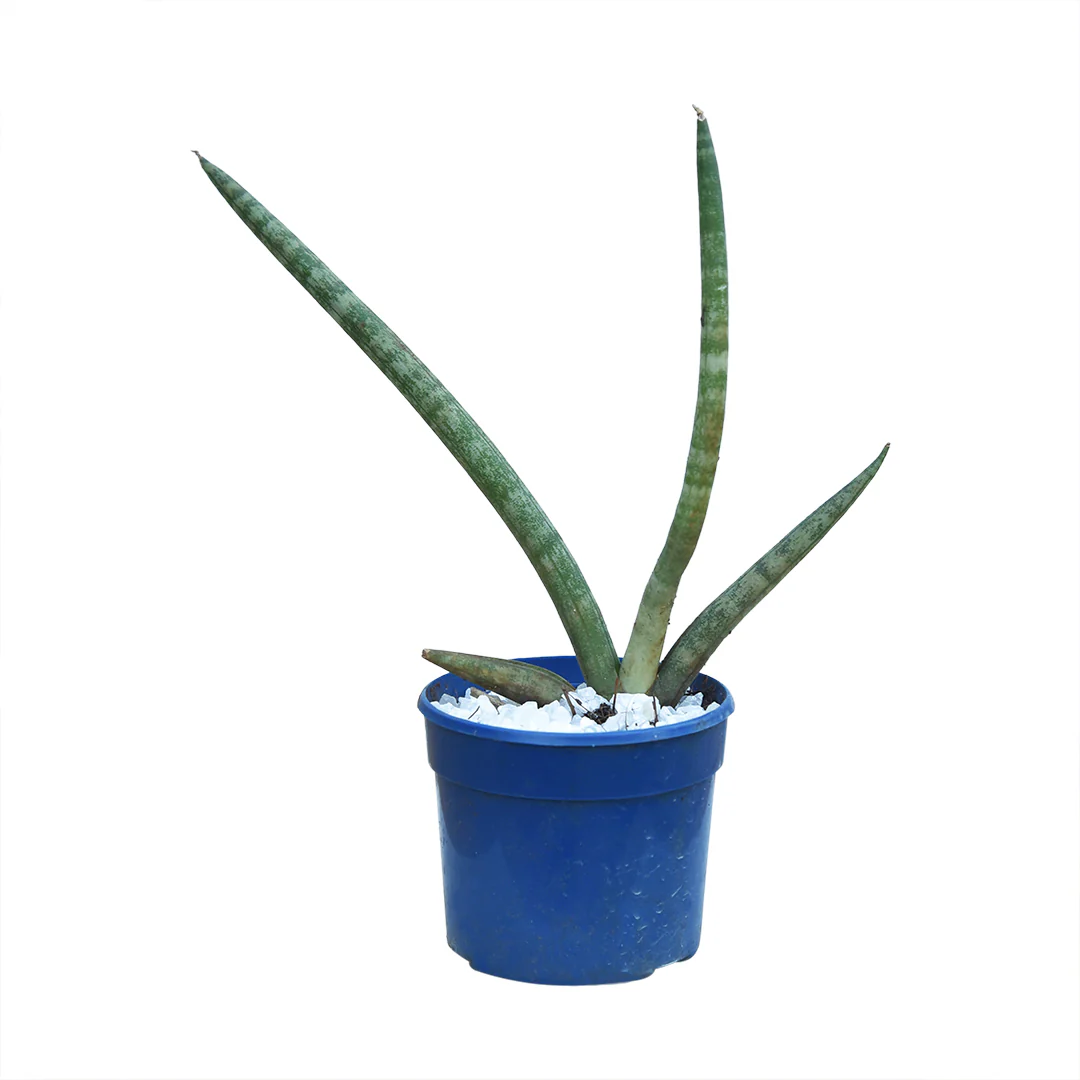
Sansevieria cylindrica, also known as African Spear Plant, is a distinctive succulent admired for its upright, cylindrical leaves that grow in striking fan shapes or braided arrangements. With its modern, architectural look and remarkable drought tolerance, it brings both style and durability to homes, offices, and outdoor spaces.
✅ Origin and Natural Habitat
-
Native to Angola in Southern Africa
-
Grows in arid, rocky soils with intense sunlight and minimal rainfall
-
Adapted to survive in extreme drought and poor soil conditions
-
Thrives in open, sunny environments and tolerates partial shade
✅ Perfect Placement for a Stunning Home or Office Statement
-
As a floor or tabletop plant in modern, minimalist interiors
-
In bright corners to accentuate its sculptural growth
-
In offices where low-maintenance greenery is preferred
-
Outdoors in warm climates, as a focal point in succulent gardens
-
As a unique decorative piece in contemporary spaces
✅ Care Guide – From Nurturing to Flourishing
-
Prefers bright, indirect light but tolerates direct sunlight and low light
-
Water sparingly; allow the soil to dry completely between waterings
-
Use a gritty, well-draining succulent or cactus mix
-
Extremely drought-tolerant; ideal for infrequent watering schedules
-
Fertilize once every 2–3 months during the growing season with a mild succulent fertilizer
-
Dust or wipe leaves occasionally to maintain a clean, polished look
✅ Benefits of Growing Sansevieria cylindrica
-
Striking, spear-like leaves create a bold, modern aesthetic
-
Extremely low-maintenance and resilient
-
Naturally cleans and improves indoor air quality
-
Thrives in various light conditions and climates
-
Long-lasting and resistant to most pests and diseases
✅ Common Problems and How to Prevent Them
-
Root rot – caused by overwatering; ensure proper drainage
-
Leaf wrinkling – a sign of prolonged underwatering; provide a deep soak
-
Pale or weak growth – move to a brighter location
-
Cold damage – protect from frost and temperatures below 10°C (50°F)
Product Information
Product Information
Shipping & Returns
Shipping & Returns
Sansevieria Cylindrica
Sansevieria Cylindrica
✅ Sansevieria cylindrica – Sculptural Elegance in a Hardy Form
Sansevieria cylindrica, also known as African Spear Plant, is a distinctive succulent admired for its upright, cylindrical leaves that grow in striking fan shapes or braided arrangements. With its modern, architectural look and remarkable drought tolerance, it brings both style and durability to homes, offices, and outdoor spaces.
✅ Origin and Natural Habitat
-
Native to Angola in Southern Africa
-
Grows in arid, rocky soils with intense sunlight and minimal rainfall
-
Adapted to survive in extreme drought and poor soil conditions
-
Thrives in open, sunny environments and tolerates partial shade
✅ Perfect Placement for a Stunning Home or Office Statement
-
As a floor or tabletop plant in modern, minimalist interiors
-
In bright corners to accentuate its sculptural growth
-
In offices where low-maintenance greenery is preferred
-
Outdoors in warm climates, as a focal point in succulent gardens
-
As a unique decorative piece in contemporary spaces
✅ Care Guide – From Nurturing to Flourishing
-
Prefers bright, indirect light but tolerates direct sunlight and low light
-
Water sparingly; allow the soil to dry completely between waterings
-
Use a gritty, well-draining succulent or cactus mix
-
Extremely drought-tolerant; ideal for infrequent watering schedules
-
Fertilize once every 2–3 months during the growing season with a mild succulent fertilizer
-
Dust or wipe leaves occasionally to maintain a clean, polished look
✅ Benefits of Growing Sansevieria cylindrica
-
Striking, spear-like leaves create a bold, modern aesthetic
-
Extremely low-maintenance and resilient
-
Naturally cleans and improves indoor air quality
-
Thrives in various light conditions and climates
-
Long-lasting and resistant to most pests and diseases
✅ Common Problems and How to Prevent Them
-
Root rot – caused by overwatering; ensure proper drainage
-
Leaf wrinkling – a sign of prolonged underwatering; provide a deep soak
-
Pale or weak growth – move to a brighter location
-
Cold damage – protect from frost and temperatures below 10°C (50°F)
Product Information
Product Information
Shipping & Returns
Shipping & Returns
Description
✅ Sansevieria cylindrica – Sculptural Elegance in a Hardy Form
Sansevieria cylindrica, also known as African Spear Plant, is a distinctive succulent admired for its upright, cylindrical leaves that grow in striking fan shapes or braided arrangements. With its modern, architectural look and remarkable drought tolerance, it brings both style and durability to homes, offices, and outdoor spaces.
✅ Origin and Natural Habitat
-
Native to Angola in Southern Africa
-
Grows in arid, rocky soils with intense sunlight and minimal rainfall
-
Adapted to survive in extreme drought and poor soil conditions
-
Thrives in open, sunny environments and tolerates partial shade
✅ Perfect Placement for a Stunning Home or Office Statement
-
As a floor or tabletop plant in modern, minimalist interiors
-
In bright corners to accentuate its sculptural growth
-
In offices where low-maintenance greenery is preferred
-
Outdoors in warm climates, as a focal point in succulent gardens
-
As a unique decorative piece in contemporary spaces
✅ Care Guide – From Nurturing to Flourishing
-
Prefers bright, indirect light but tolerates direct sunlight and low light
-
Water sparingly; allow the soil to dry completely between waterings
-
Use a gritty, well-draining succulent or cactus mix
-
Extremely drought-tolerant; ideal for infrequent watering schedules
-
Fertilize once every 2–3 months during the growing season with a mild succulent fertilizer
-
Dust or wipe leaves occasionally to maintain a clean, polished look
✅ Benefits of Growing Sansevieria cylindrica
-
Striking, spear-like leaves create a bold, modern aesthetic
-
Extremely low-maintenance and resilient
-
Naturally cleans and improves indoor air quality
-
Thrives in various light conditions and climates
-
Long-lasting and resistant to most pests and diseases
✅ Common Problems and How to Prevent Them
-
Root rot – caused by overwatering; ensure proper drainage
-
Leaf wrinkling – a sign of prolonged underwatering; provide a deep soak
-
Pale or weak growth – move to a brighter location
-
Cold damage – protect from frost and temperatures below 10°C (50°F)