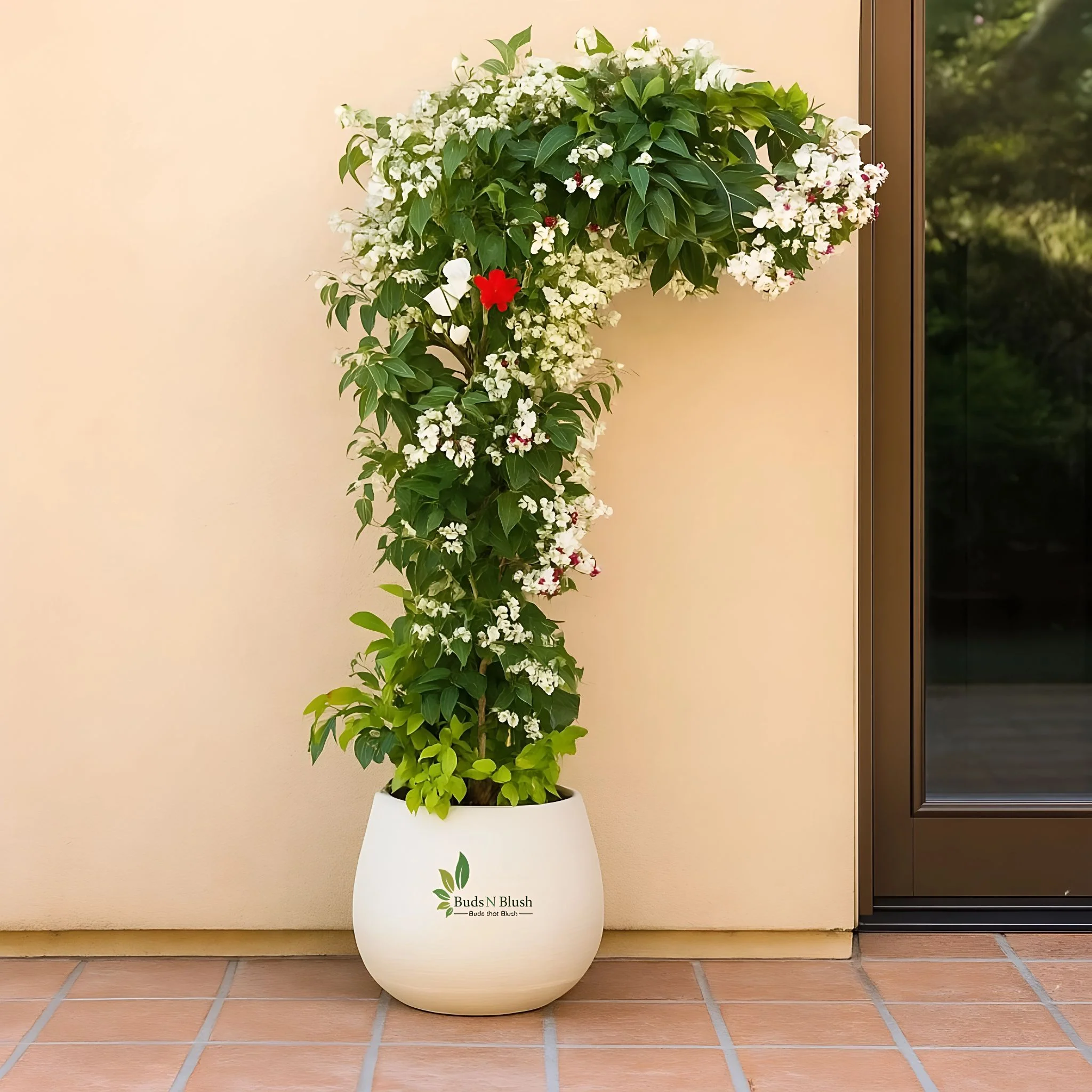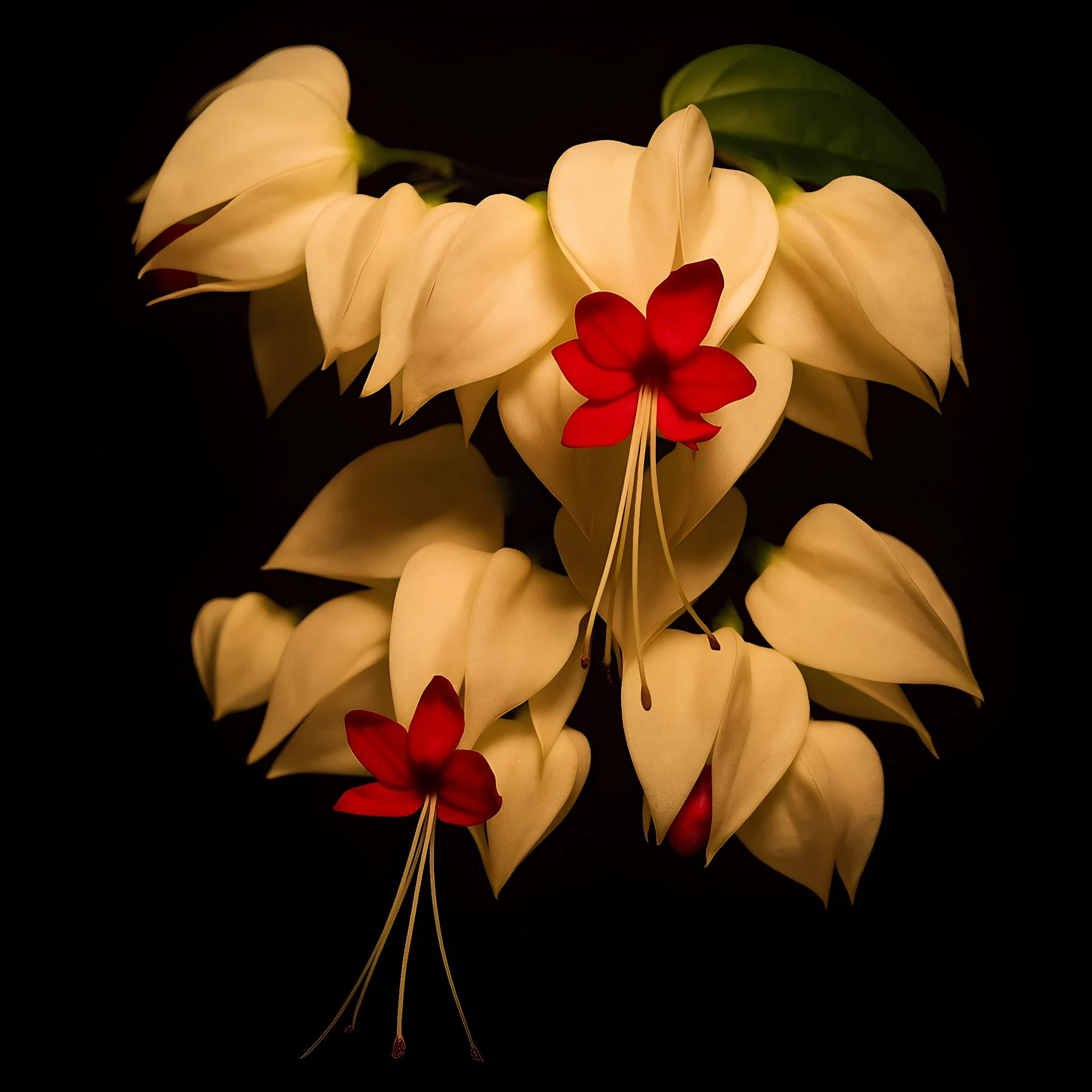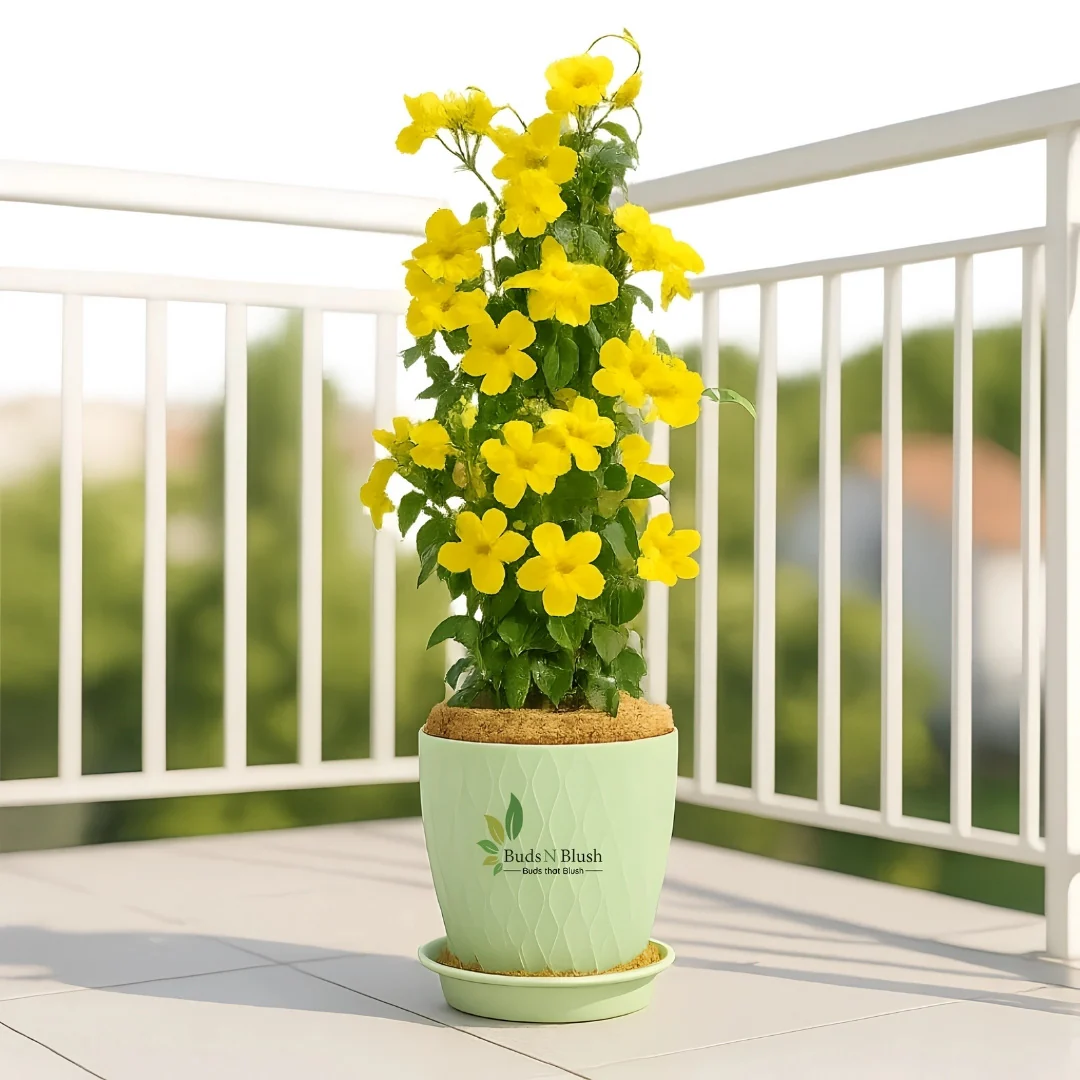
Harsingar Plant
✅ Harsingar (Parijat) – The Divine Night-Flowering Jasmine
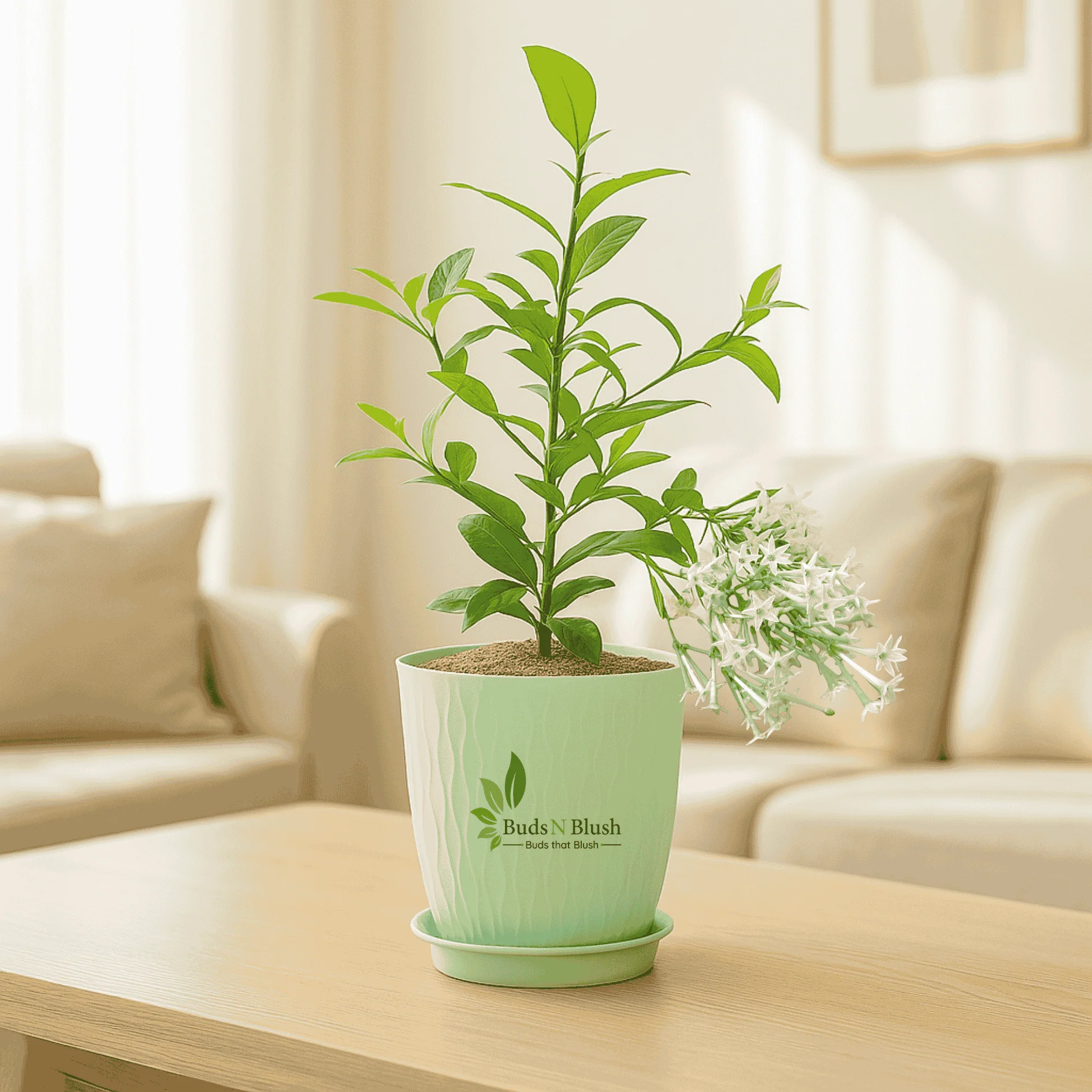
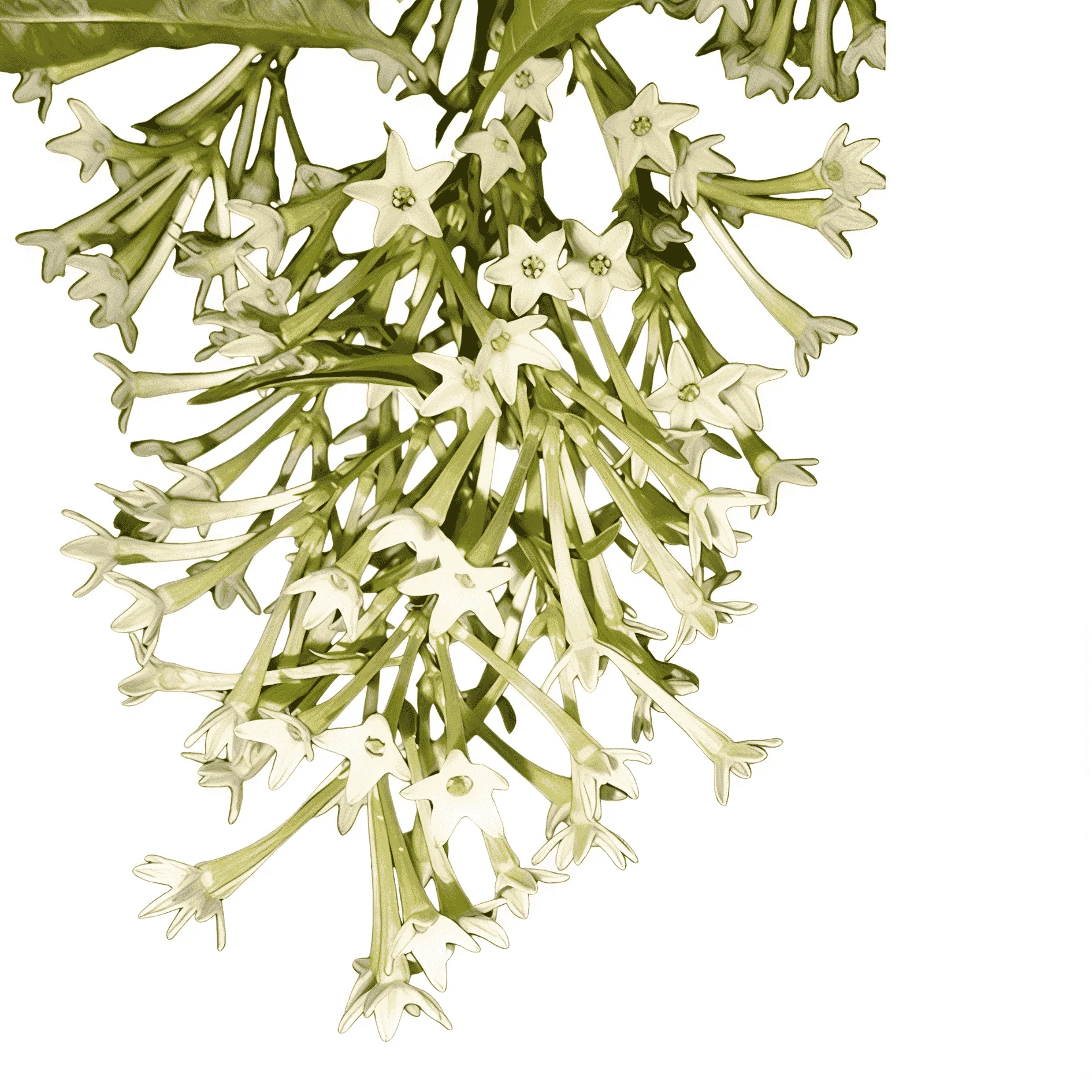
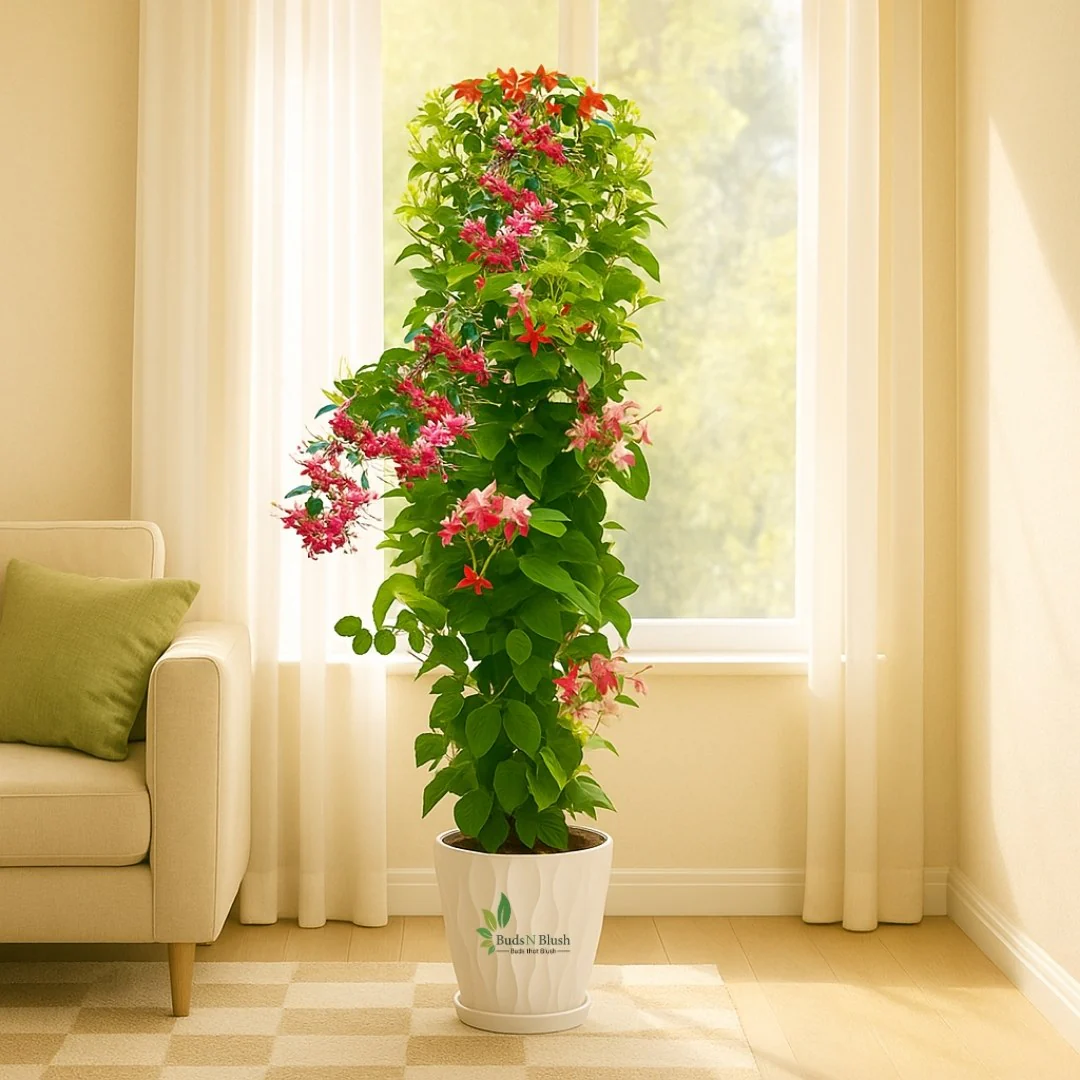
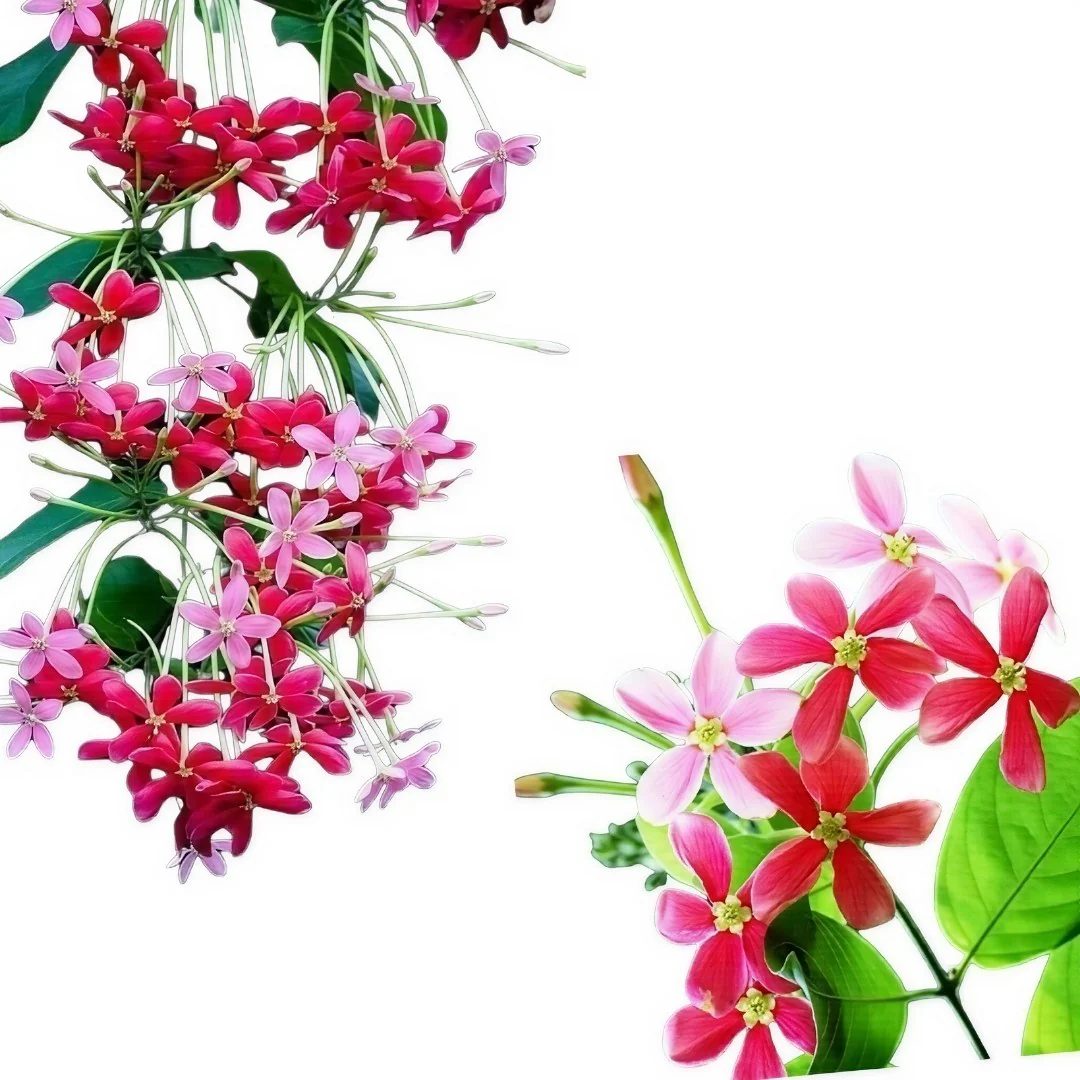
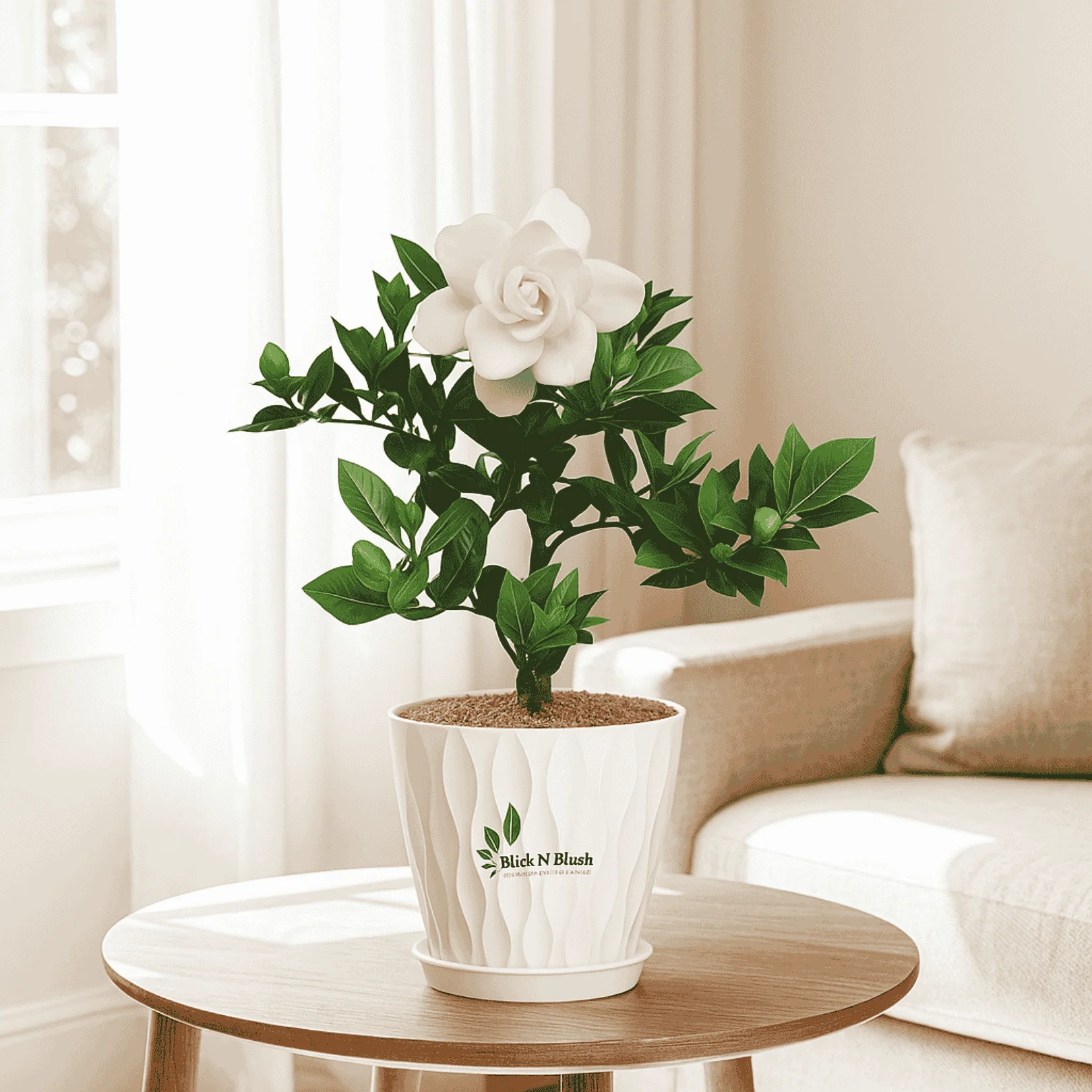
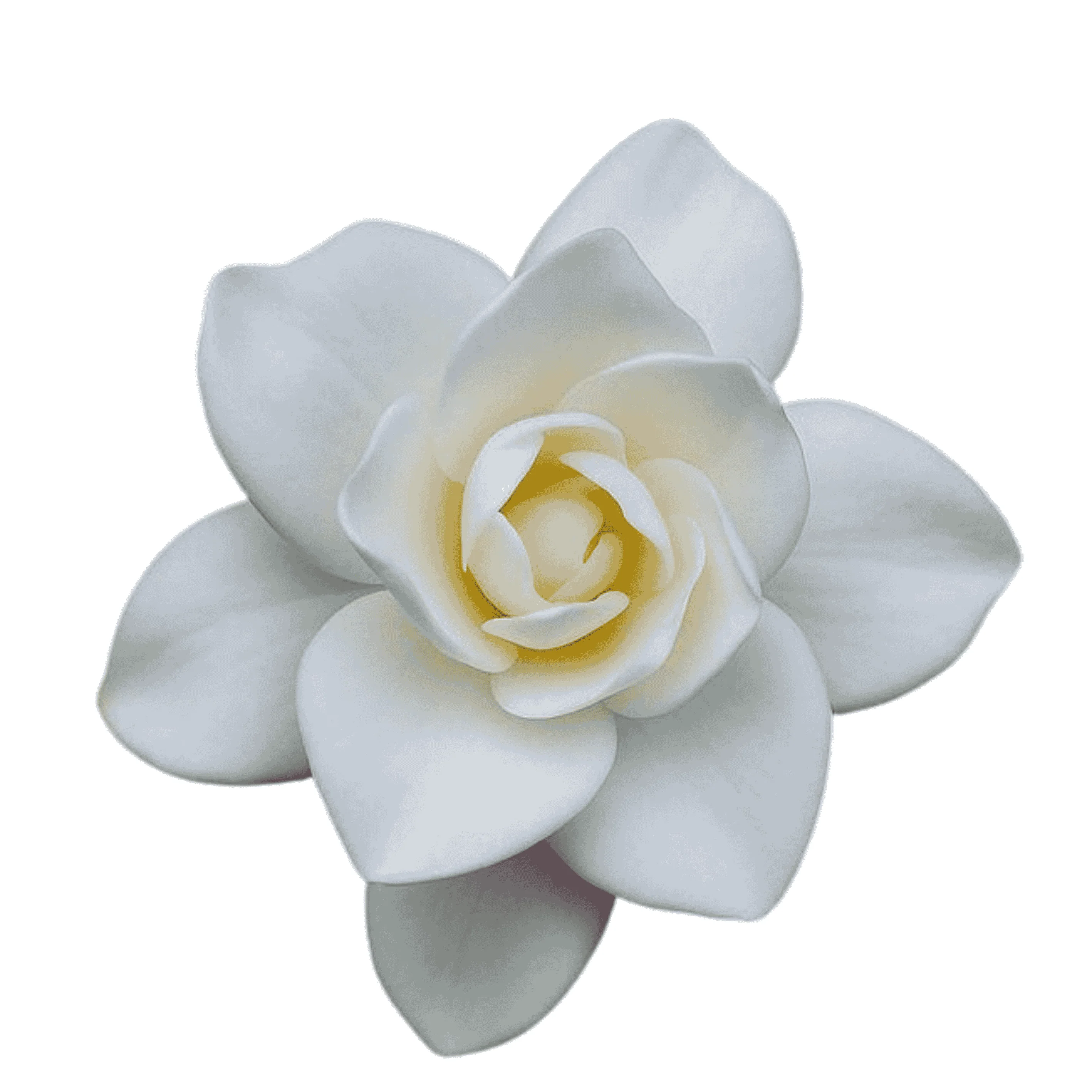
Harsingar, also known as Parijat or Night-Flowering Jasmine (Nyctanthes arbor-tristis), is a revered ornamental and medicinal plant famous for its enchanting white flowers with deep orange centers. These blooms release a soothing fragrance at night and fall gracefully in the morning, creating a carpet of beauty beneath the tree.
✅ Origin and Natural Habitat
-
Native to South Asia and Southeast Asia
-
Thrives in warm, tropical, and subtropical climates
-
Found naturally in forest edges, gardens, and temple courtyards
-
Culturally significant in Indian mythology and traditional medicine
✅ Perfect Placement for a Stunning Home or Garden Statement
-
As a centerpiece in gardens for its beauty and fragrance
-
Along pathways or near patios to enjoy evening blooms
-
In temple gardens for spiritual and cultural relevance
-
In large pots for patios and terraces in smaller spaces
-
Near seating areas to enjoy its night-blooming charm
✅ Care Guide – From Nurturing to Flourishing
-
Requires full sunlight to partial shade for healthy flowering
-
Water regularly during the growing season but avoid waterlogging
-
Prefers well-draining, fertile soil with organic compost
-
Prune after flowering to maintain shape and encourage fresh growth
-
Fertilize every 4–6 weeks during active growth with a balanced fertilizer
-
Protect from frost in cooler climates or grow in containers for mobility
✅ Benefits of Growing Harsingar
-
Produces beautiful, fragrant flowers at night
-
Flowers are used in religious offerings and Ayurvedic remedies
-
Known for anti-inflammatory, analgesic, and immunity-boosting properties
-
Attracts pollinators like moths during the night
-
Brings cultural and aesthetic value to gardens
✅ Common Problems and How to Prevent Them
-
Leaf yellowing – often due to poor drainage or nutrient deficiency
-
Pest attacks like aphids or scale insects – treat with neem oil spray
-
Poor flowering – ensure adequate sunlight and seasonal pruning
-
Root rot – avoid overwatering and use well-draining soil
Product Information
Product Information
Shipping & Returns
Shipping & Returns
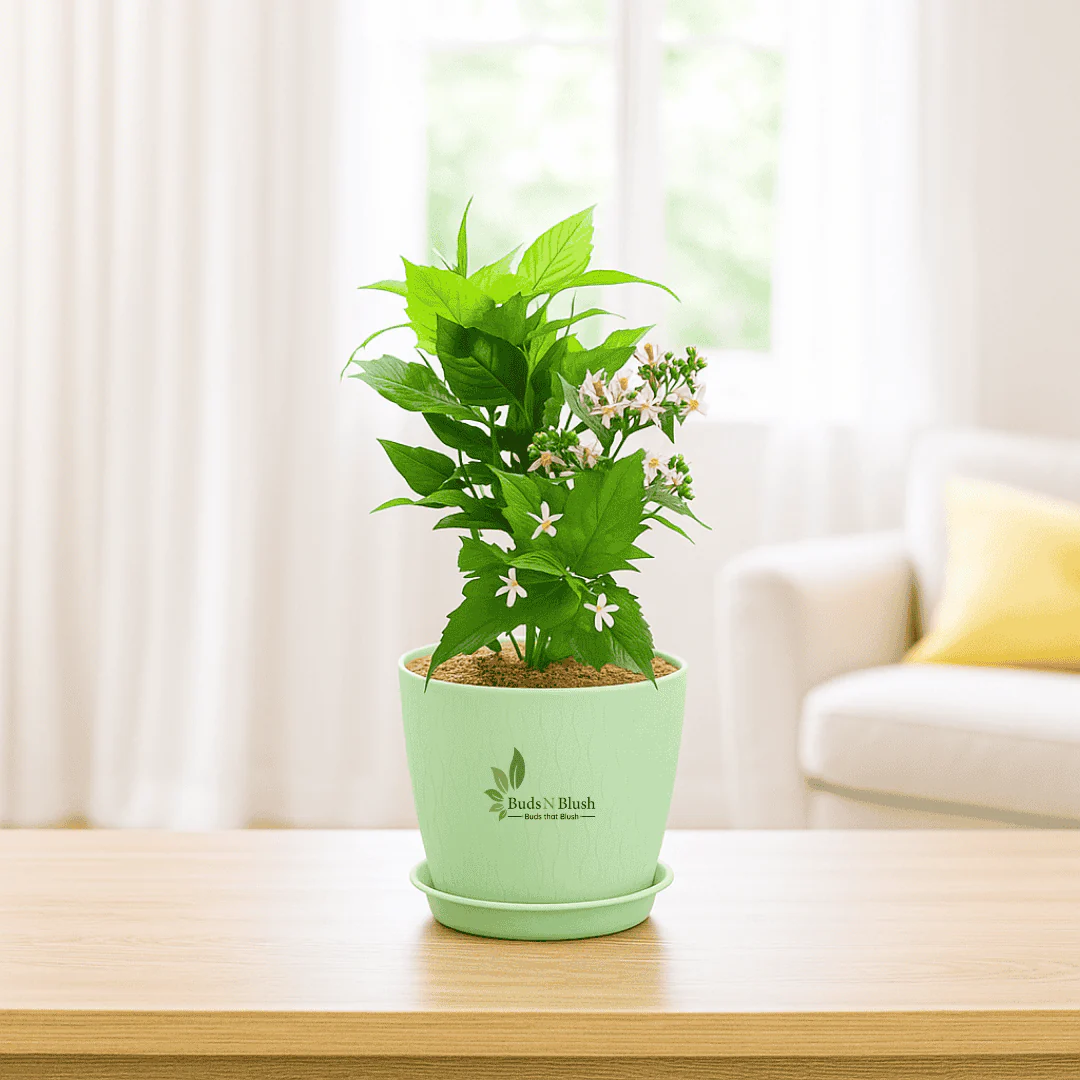
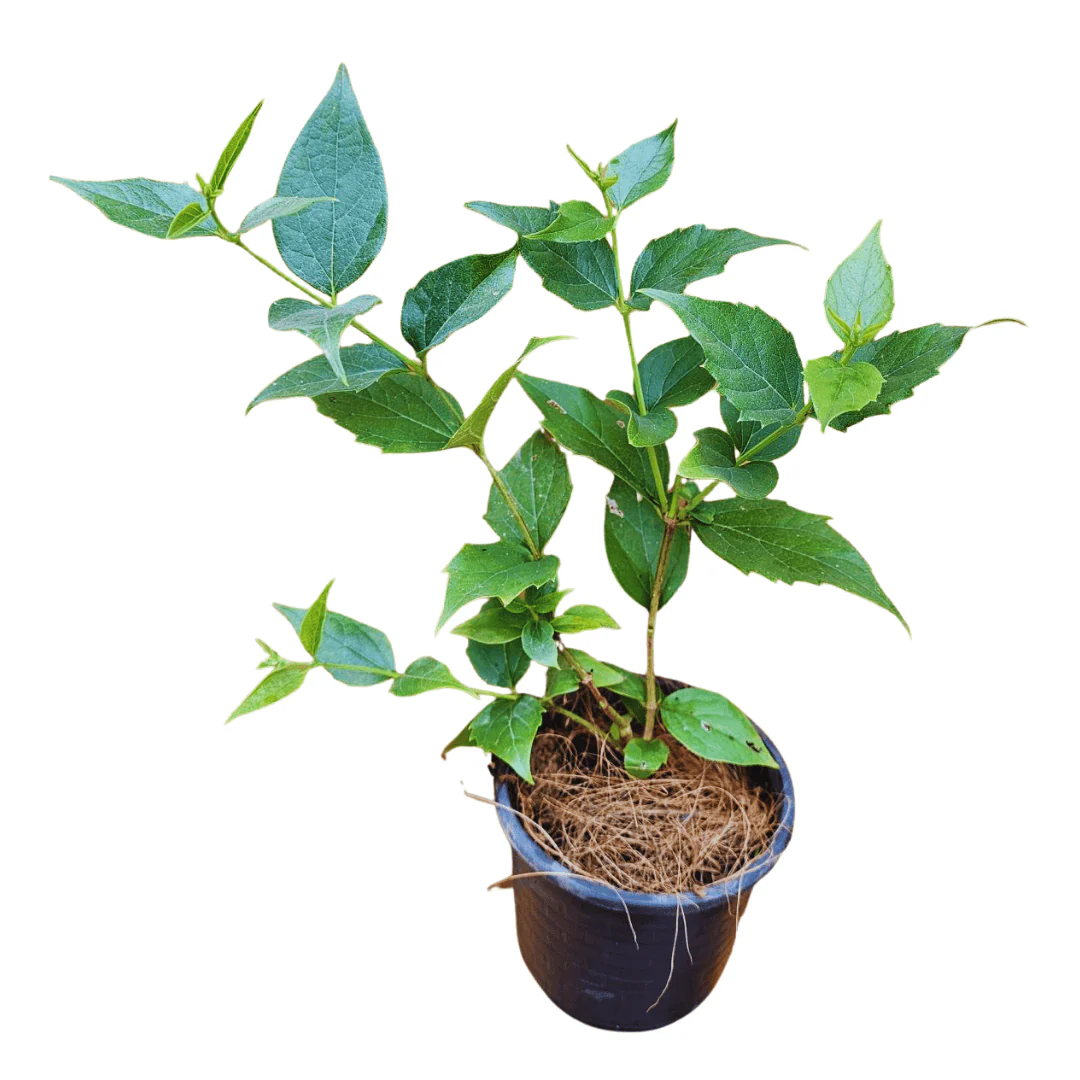
Harsingar Plant
Harsingar Plant
✅ Harsingar (Parijat) – The Divine Night-Flowering Jasmine
Harsingar, also known as Parijat or Night-Flowering Jasmine (Nyctanthes arbor-tristis), is a revered ornamental and medicinal plant famous for its enchanting white flowers with deep orange centers. These blooms release a soothing fragrance at night and fall gracefully in the morning, creating a carpet of beauty beneath the tree.
✅ Origin and Natural Habitat
-
Native to South Asia and Southeast Asia
-
Thrives in warm, tropical, and subtropical climates
-
Found naturally in forest edges, gardens, and temple courtyards
-
Culturally significant in Indian mythology and traditional medicine
✅ Perfect Placement for a Stunning Home or Garden Statement
-
As a centerpiece in gardens for its beauty and fragrance
-
Along pathways or near patios to enjoy evening blooms
-
In temple gardens for spiritual and cultural relevance
-
In large pots for patios and terraces in smaller spaces
-
Near seating areas to enjoy its night-blooming charm
✅ Care Guide – From Nurturing to Flourishing
-
Requires full sunlight to partial shade for healthy flowering
-
Water regularly during the growing season but avoid waterlogging
-
Prefers well-draining, fertile soil with organic compost
-
Prune after flowering to maintain shape and encourage fresh growth
-
Fertilize every 4–6 weeks during active growth with a balanced fertilizer
-
Protect from frost in cooler climates or grow in containers for mobility
✅ Benefits of Growing Harsingar
-
Produces beautiful, fragrant flowers at night
-
Flowers are used in religious offerings and Ayurvedic remedies
-
Known for anti-inflammatory, analgesic, and immunity-boosting properties
-
Attracts pollinators like moths during the night
-
Brings cultural and aesthetic value to gardens
✅ Common Problems and How to Prevent Them
-
Leaf yellowing – often due to poor drainage or nutrient deficiency
-
Pest attacks like aphids or scale insects – treat with neem oil spray
-
Poor flowering – ensure adequate sunlight and seasonal pruning
-
Root rot – avoid overwatering and use well-draining soil
Product Information
Product Information
Shipping & Returns
Shipping & Returns
Description
✅ Harsingar (Parijat) – The Divine Night-Flowering Jasmine
Harsingar, also known as Parijat or Night-Flowering Jasmine (Nyctanthes arbor-tristis), is a revered ornamental and medicinal plant famous for its enchanting white flowers with deep orange centers. These blooms release a soothing fragrance at night and fall gracefully in the morning, creating a carpet of beauty beneath the tree.
✅ Origin and Natural Habitat
-
Native to South Asia and Southeast Asia
-
Thrives in warm, tropical, and subtropical climates
-
Found naturally in forest edges, gardens, and temple courtyards
-
Culturally significant in Indian mythology and traditional medicine
✅ Perfect Placement for a Stunning Home or Garden Statement
-
As a centerpiece in gardens for its beauty and fragrance
-
Along pathways or near patios to enjoy evening blooms
-
In temple gardens for spiritual and cultural relevance
-
In large pots for patios and terraces in smaller spaces
-
Near seating areas to enjoy its night-blooming charm
✅ Care Guide – From Nurturing to Flourishing
-
Requires full sunlight to partial shade for healthy flowering
-
Water regularly during the growing season but avoid waterlogging
-
Prefers well-draining, fertile soil with organic compost
-
Prune after flowering to maintain shape and encourage fresh growth
-
Fertilize every 4–6 weeks during active growth with a balanced fertilizer
-
Protect from frost in cooler climates or grow in containers for mobility
✅ Benefits of Growing Harsingar
-
Produces beautiful, fragrant flowers at night
-
Flowers are used in religious offerings and Ayurvedic remedies
-
Known for anti-inflammatory, analgesic, and immunity-boosting properties
-
Attracts pollinators like moths during the night
-
Brings cultural and aesthetic value to gardens
✅ Common Problems and How to Prevent Them
-
Leaf yellowing – often due to poor drainage or nutrient deficiency
-
Pest attacks like aphids or scale insects – treat with neem oil spray
-
Poor flowering – ensure adequate sunlight and seasonal pruning
-
Root rot – avoid overwatering and use well-draining soil