Rare Red Dragon Fruit
✅ Red Dragon Fruit – The Exotic Jewel of the Tropics
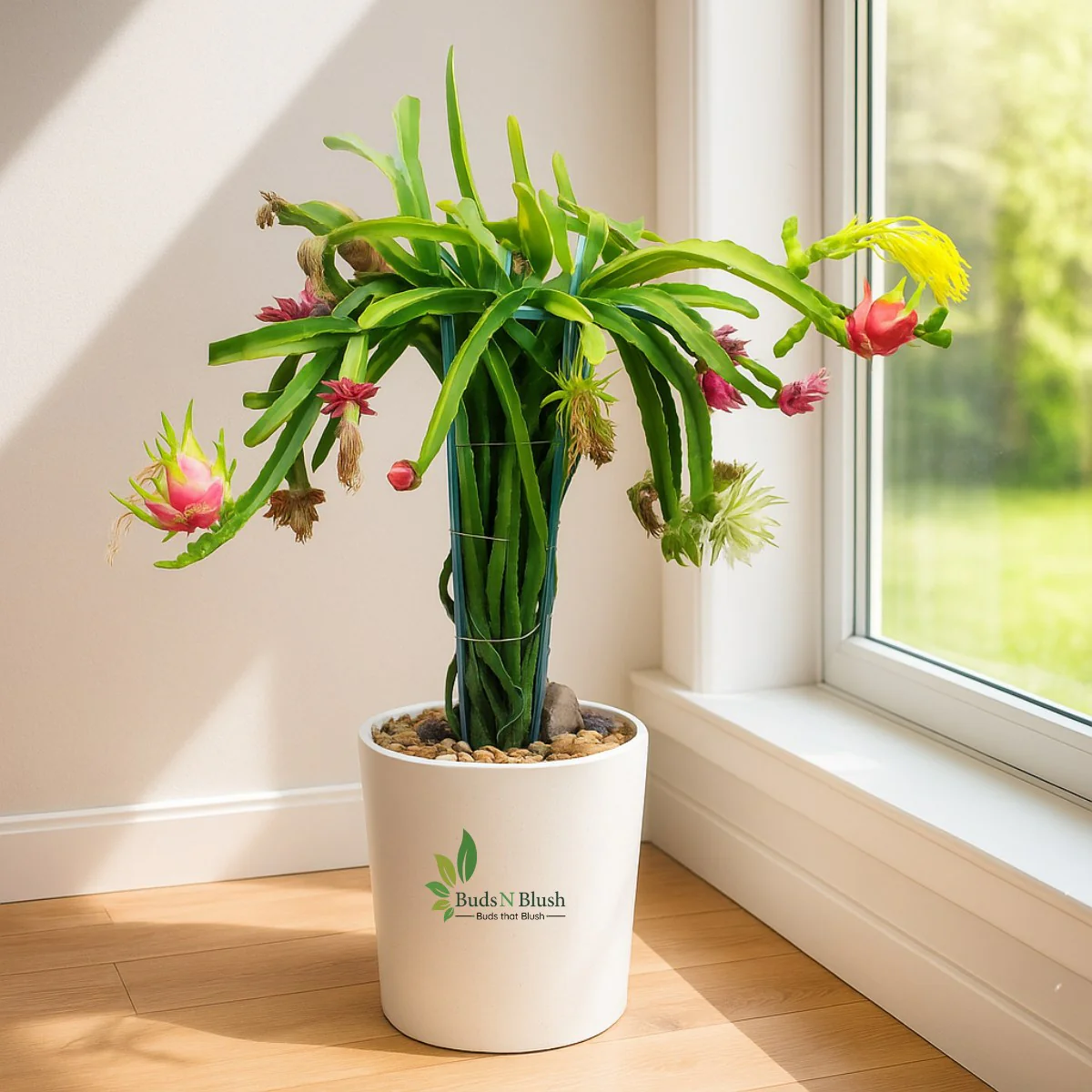
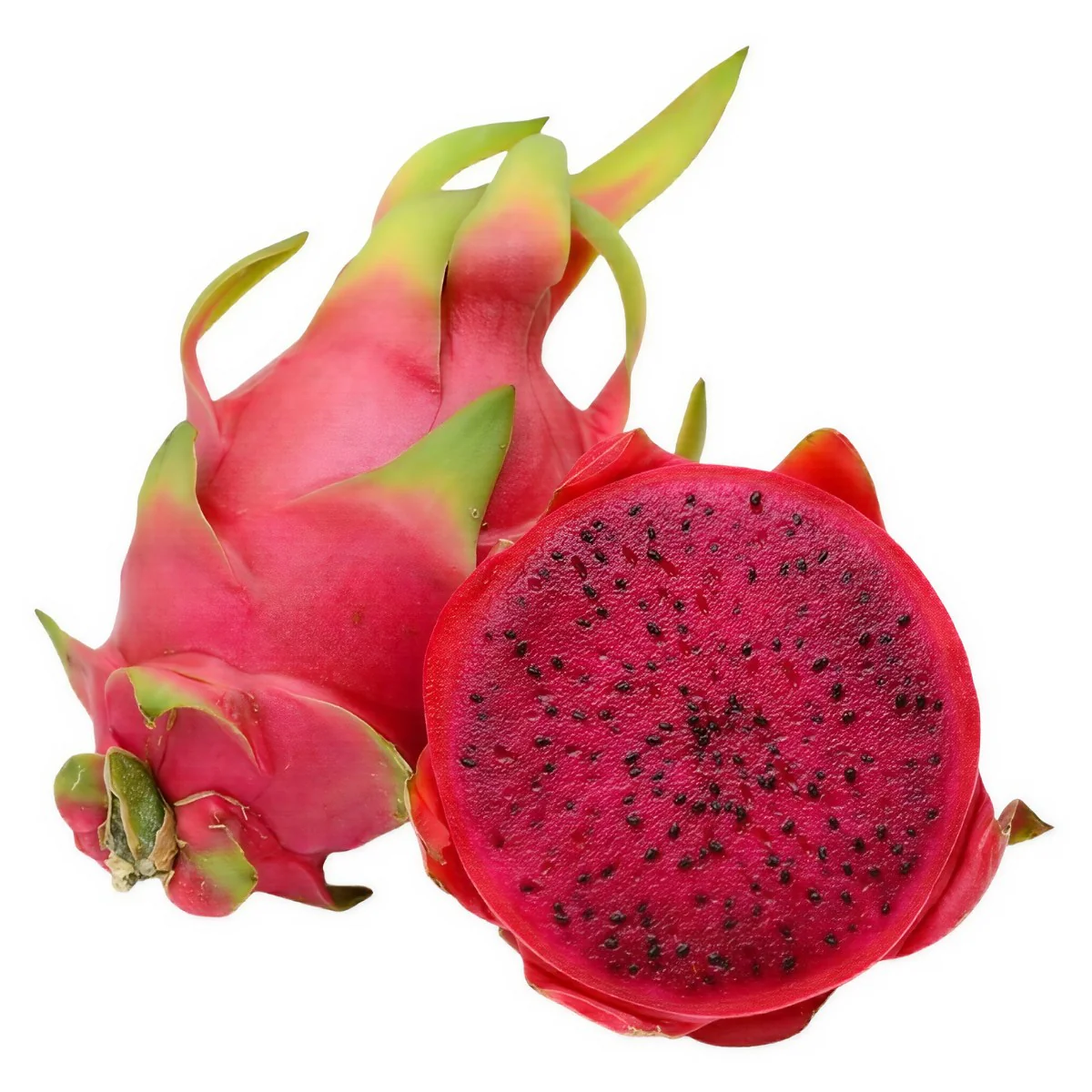
The Hylocereus costaricensis, commonly known as Red Dragon Fruit or Pitaya Roja, is a tropical climbing cactus native to the warm, sunlit regions of Central America. Thriving in volcanic soils and bathed in abundant sunlight, it produces large, stunningly vivid pink-red fruits with a vibrant magenta flesh speckled with tiny edible seeds. Renowned for its sweet, subtly tangy flavor and high nutritional value, this fruit is a perfect harmony of beauty, taste, and wellness. Its striking night-blooming flowers add an extra layer of wonder to its tropical allure.
✅ Origin and Natural Habitat
-
Native to tropical and subtropical regions of Central America.
-
Naturally grows in well-drained, sandy or volcanic soils.
-
Climbs and sprawls across rocks, trees, and trellises in its natural environment.
-
Adapted to high humidity, warm temperatures, and seasonal rainfall.
✅ Perfect Placement for a Stunning Home Aesthetic
-
Ideal for sunny balconies, patios, and rooftop gardens.
-
Can be trained along trellises, pergolas, or vertical garden structures for a lush tropical effect.
-
Suitable for large planters indoors near bright, south-facing windows.
-
Creates a dramatic statement in courtyards or near poolside seating areas.
-
Pairs beautifully with other tropical fruiting plants for an exotic garden theme.
✅ Care Guide – From Nurturing to Fruiting
-
Requires 6–8 hours of bright sunlight daily for strong growth and fruiting.
-
Plant in well-drained, nutrient-rich soil—mix sandy loam with compost for optimal results.
-
Water deeply but allow the soil to partially dry before watering again; avoid waterlogging.
-
Fertilize every 4–6 weeks during the growing season with a balanced fertilizer leaning toward higher potassium and phosphorus (NPK 10-10-20 or 5-10-10) to promote flowering and fruit development.
-
Organic options include composted manure, worm castings, and liquid seaweed extract.
-
Train and support with stakes or trellises to encourage upright growth.
-
For flowering and fruiting, ensure nighttime temperatures stay above 15°C and pollinate blooms if natural pollinators are scarce.
✅ Benefits of Growing Red Dragon Fruit
-
Produces vibrant, antioxidant-rich fruits packed with vitamin C, fiber, and magnesium.
-
Unique climbing cactus doubles as an ornamental and edible plant.
-
Attracts pollinators like moths and bees with its large night-blooming flowers.
-
Low-maintenance once established and highly rewarding with seasonal harvests.
-
A showpiece plant for both gardeners and health enthusiasts.
✅ Common Problems and How to Avoid Them
-
Overwatering can cause root rot—always ensure proper drainage.
-
Lack of sunlight reduces flowering and fruit yield.
-
Occasional pests like aphids or scale insects can be treated with organic insecticidal soap.
-
Fungal issues may occur in overly humid, stagnant air—ensure good airflow around the plant.
Product Information
Product Information
Shipping & Returns
Shipping & Returns
Rare Red Dragon Fruit
Rare Red Dragon Fruit
✅ Red Dragon Fruit – The Exotic Jewel of the Tropics
The Hylocereus costaricensis, commonly known as Red Dragon Fruit or Pitaya Roja, is a tropical climbing cactus native to the warm, sunlit regions of Central America. Thriving in volcanic soils and bathed in abundant sunlight, it produces large, stunningly vivid pink-red fruits with a vibrant magenta flesh speckled with tiny edible seeds. Renowned for its sweet, subtly tangy flavor and high nutritional value, this fruit is a perfect harmony of beauty, taste, and wellness. Its striking night-blooming flowers add an extra layer of wonder to its tropical allure.
✅ Origin and Natural Habitat
-
Native to tropical and subtropical regions of Central America.
-
Naturally grows in well-drained, sandy or volcanic soils.
-
Climbs and sprawls across rocks, trees, and trellises in its natural environment.
-
Adapted to high humidity, warm temperatures, and seasonal rainfall.
✅ Perfect Placement for a Stunning Home Aesthetic
-
Ideal for sunny balconies, patios, and rooftop gardens.
-
Can be trained along trellises, pergolas, or vertical garden structures for a lush tropical effect.
-
Suitable for large planters indoors near bright, south-facing windows.
-
Creates a dramatic statement in courtyards or near poolside seating areas.
-
Pairs beautifully with other tropical fruiting plants for an exotic garden theme.
✅ Care Guide – From Nurturing to Fruiting
-
Requires 6–8 hours of bright sunlight daily for strong growth and fruiting.
-
Plant in well-drained, nutrient-rich soil—mix sandy loam with compost for optimal results.
-
Water deeply but allow the soil to partially dry before watering again; avoid waterlogging.
-
Fertilize every 4–6 weeks during the growing season with a balanced fertilizer leaning toward higher potassium and phosphorus (NPK 10-10-20 or 5-10-10) to promote flowering and fruit development.
-
Organic options include composted manure, worm castings, and liquid seaweed extract.
-
Train and support with stakes or trellises to encourage upright growth.
-
For flowering and fruiting, ensure nighttime temperatures stay above 15°C and pollinate blooms if natural pollinators are scarce.
✅ Benefits of Growing Red Dragon Fruit
-
Produces vibrant, antioxidant-rich fruits packed with vitamin C, fiber, and magnesium.
-
Unique climbing cactus doubles as an ornamental and edible plant.
-
Attracts pollinators like moths and bees with its large night-blooming flowers.
-
Low-maintenance once established and highly rewarding with seasonal harvests.
-
A showpiece plant for both gardeners and health enthusiasts.
✅ Common Problems and How to Avoid Them
-
Overwatering can cause root rot—always ensure proper drainage.
-
Lack of sunlight reduces flowering and fruit yield.
-
Occasional pests like aphids or scale insects can be treated with organic insecticidal soap.
-
Fungal issues may occur in overly humid, stagnant air—ensure good airflow around the plant.
Original: $2.31
-70%$2.31
$0.69Product Information
Product Information
Shipping & Returns
Shipping & Returns
Description
✅ Red Dragon Fruit – The Exotic Jewel of the Tropics
The Hylocereus costaricensis, commonly known as Red Dragon Fruit or Pitaya Roja, is a tropical climbing cactus native to the warm, sunlit regions of Central America. Thriving in volcanic soils and bathed in abundant sunlight, it produces large, stunningly vivid pink-red fruits with a vibrant magenta flesh speckled with tiny edible seeds. Renowned for its sweet, subtly tangy flavor and high nutritional value, this fruit is a perfect harmony of beauty, taste, and wellness. Its striking night-blooming flowers add an extra layer of wonder to its tropical allure.
✅ Origin and Natural Habitat
-
Native to tropical and subtropical regions of Central America.
-
Naturally grows in well-drained, sandy or volcanic soils.
-
Climbs and sprawls across rocks, trees, and trellises in its natural environment.
-
Adapted to high humidity, warm temperatures, and seasonal rainfall.
✅ Perfect Placement for a Stunning Home Aesthetic
-
Ideal for sunny balconies, patios, and rooftop gardens.
-
Can be trained along trellises, pergolas, or vertical garden structures for a lush tropical effect.
-
Suitable for large planters indoors near bright, south-facing windows.
-
Creates a dramatic statement in courtyards or near poolside seating areas.
-
Pairs beautifully with other tropical fruiting plants for an exotic garden theme.
✅ Care Guide – From Nurturing to Fruiting
-
Requires 6–8 hours of bright sunlight daily for strong growth and fruiting.
-
Plant in well-drained, nutrient-rich soil—mix sandy loam with compost for optimal results.
-
Water deeply but allow the soil to partially dry before watering again; avoid waterlogging.
-
Fertilize every 4–6 weeks during the growing season with a balanced fertilizer leaning toward higher potassium and phosphorus (NPK 10-10-20 or 5-10-10) to promote flowering and fruit development.
-
Organic options include composted manure, worm castings, and liquid seaweed extract.
-
Train and support with stakes or trellises to encourage upright growth.
-
For flowering and fruiting, ensure nighttime temperatures stay above 15°C and pollinate blooms if natural pollinators are scarce.
✅ Benefits of Growing Red Dragon Fruit
-
Produces vibrant, antioxidant-rich fruits packed with vitamin C, fiber, and magnesium.
-
Unique climbing cactus doubles as an ornamental and edible plant.
-
Attracts pollinators like moths and bees with its large night-blooming flowers.
-
Low-maintenance once established and highly rewarding with seasonal harvests.
-
A showpiece plant for both gardeners and health enthusiasts.
✅ Common Problems and How to Avoid Them
-
Overwatering can cause root rot—always ensure proper drainage.
-
Lack of sunlight reduces flowering and fruit yield.
-
Occasional pests like aphids or scale insects can be treated with organic insecticidal soap.
-
Fungal issues may occur in overly humid, stagnant air—ensure good airflow around the plant.