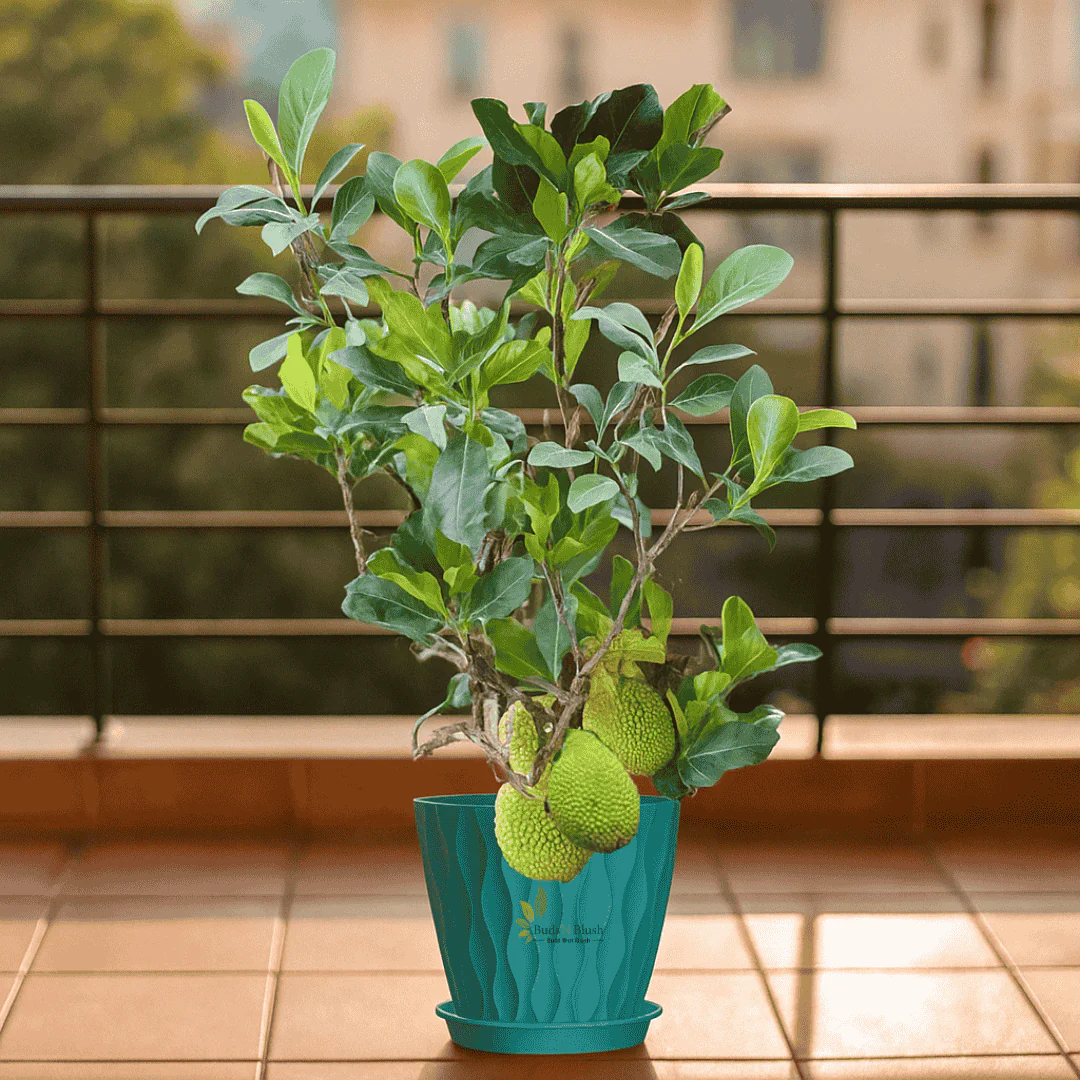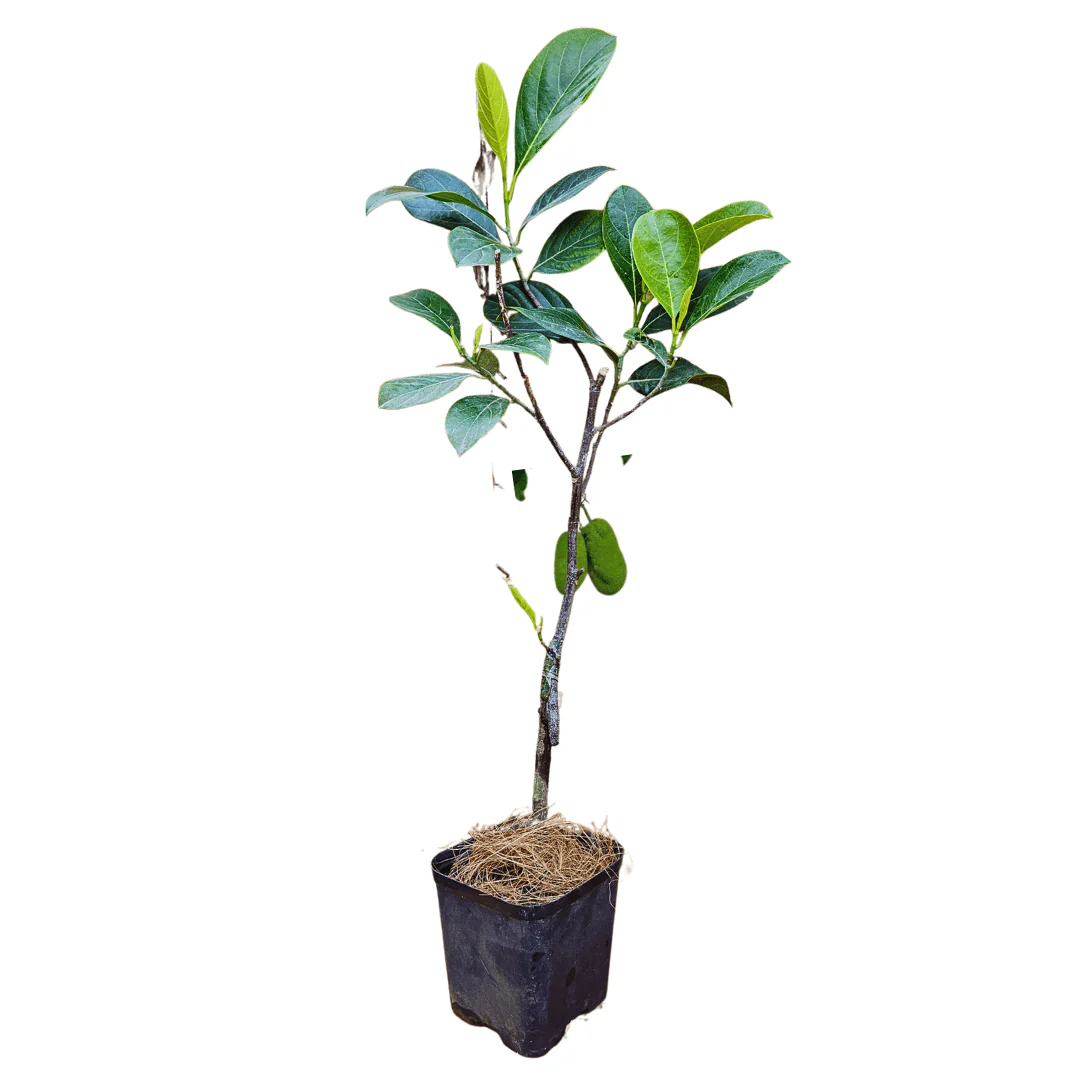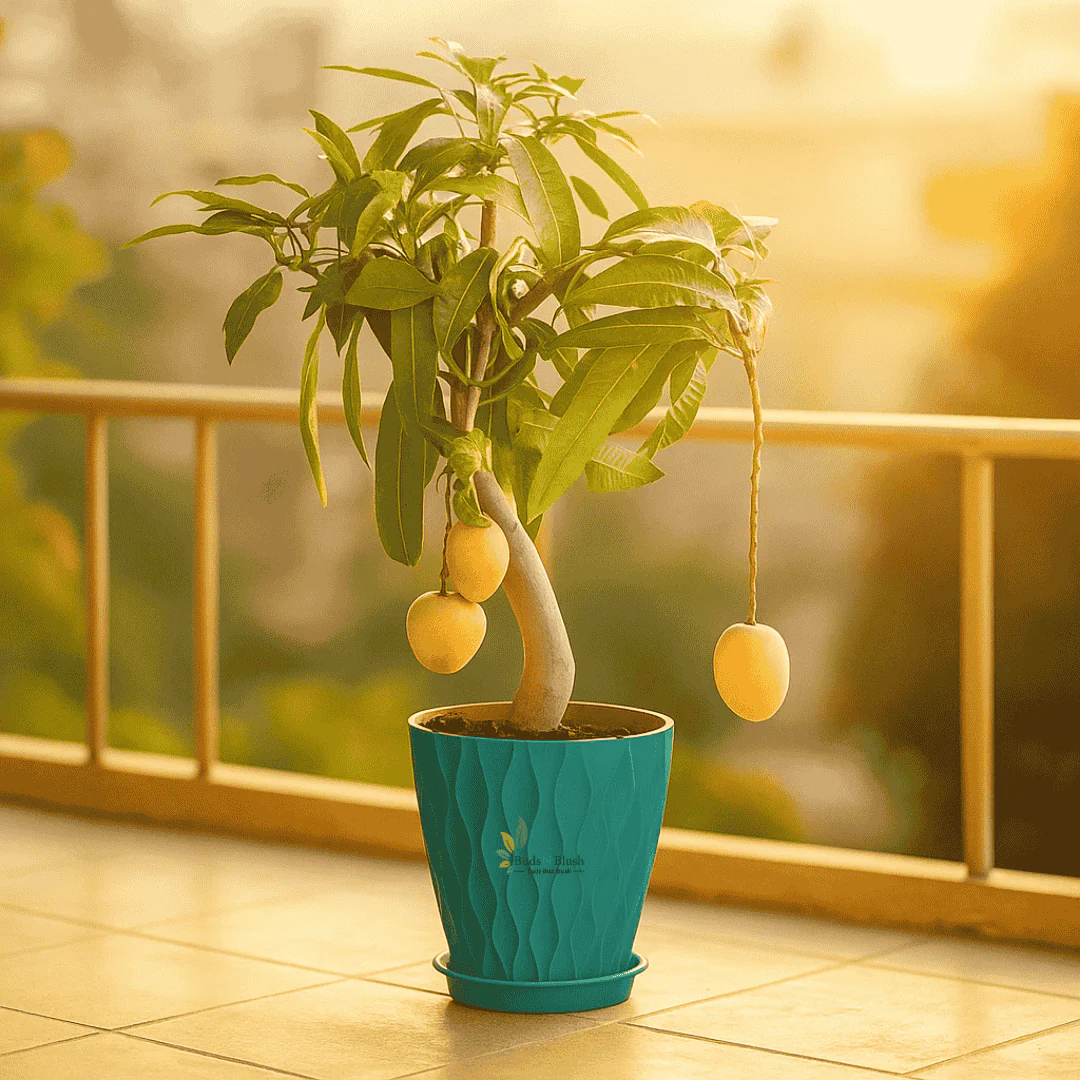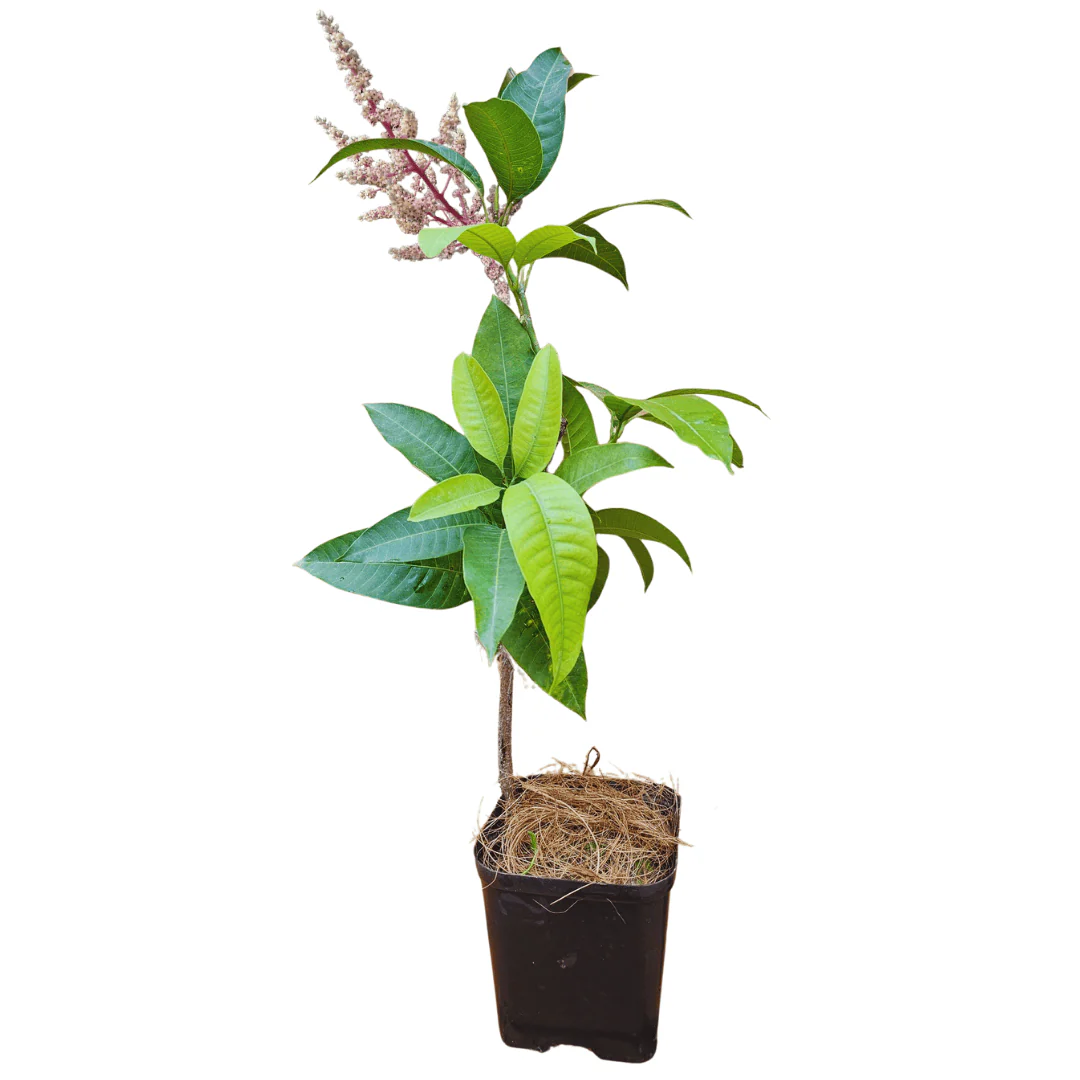
Taiwan Pink Guava
✅ Taiwan Pink Guava – Tropical Sweetness with Exotic Charm
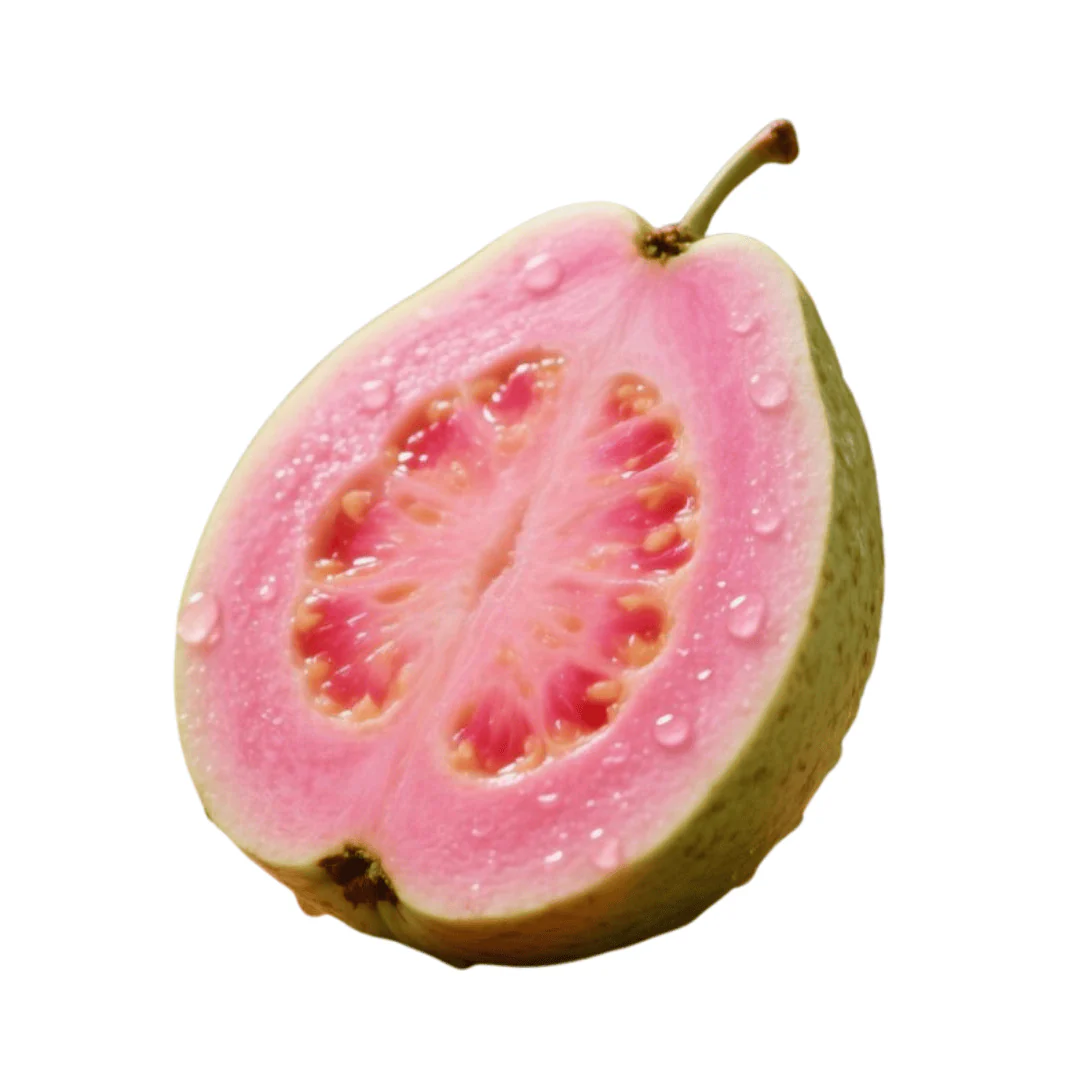
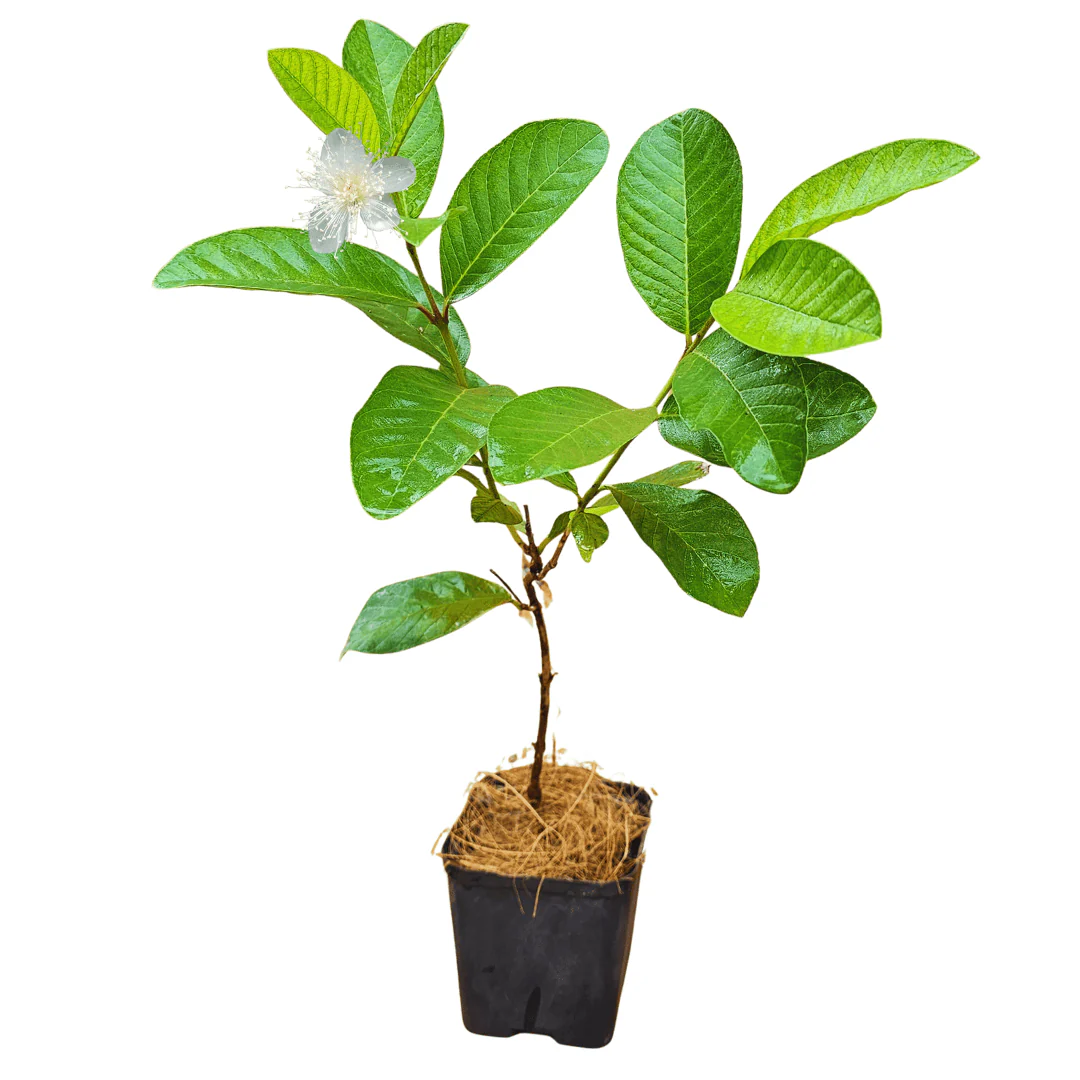
Taiwan Pink Guava (Psidium guajava) is a tropical fruit plant known for its vibrant pink flesh, sweet aroma, and rich flavor. Packed with nutrients, this guava variety is prized for both fresh consumption and juicing, making it a delightful addition to home orchards and gardens.
✅ Origin and Natural Habitat
-
Native to tropical America but cultivated extensively in Taiwan and Southeast Asia
-
Thrives in warm, sunny climates with moderate rainfall
-
Grows naturally in open fields, orchards, and home gardens
-
Highly adaptable to tropical and subtropical regions
✅ Perfect Placement for a Stunning Home or Garden Statement
-
In home orchards for fresh, organic fruit supply
-
Along garden borders as a productive and ornamental tree
-
In large containers on sunny patios for urban gardeners
-
In mixed fruit gardens with other tropical species
-
Near seating areas for shade and seasonal fruit enjoyment
✅ Care Guide – From Nurturing to Flourishing
-
Requires full sunlight for maximum fruit sweetness and yield
-
Water moderately; avoid waterlogging to prevent root diseases
-
Prefers well-draining, fertile soil enriched with organic compost
-
Prune regularly to maintain shape and stimulate fruiting branches
-
Fertilize every 4–6 weeks during active growth with a balanced NPK fertilizer
-
Protect young plants from frost in colder climates
✅ Benefits of Growing Taiwan Pink Guava
-
Produces juicy, sweet, and fragrant pink-fleshed fruits
-
Rich in Vitamin C, antioxidants, and dietary fiber
-
Excellent for fresh eating, juices, smoothies, and desserts
-
Low-maintenance and fast-growing fruit tree
-
Adds ornamental beauty with glossy leaves and seasonal blooms
✅ Common Problems and How to Prevent Them
-
Fruit fly infestation – use traps or protective fruit bags
-
Leaf yellowing – check for nutrient deficiencies or poor drainage
-
Fungal leaf spots – improve air circulation and avoid overhead watering
-
Poor fruiting – ensure proper pruning and full sunlight exposure
Product Information
Product Information
Shipping & Returns
Shipping & Returns
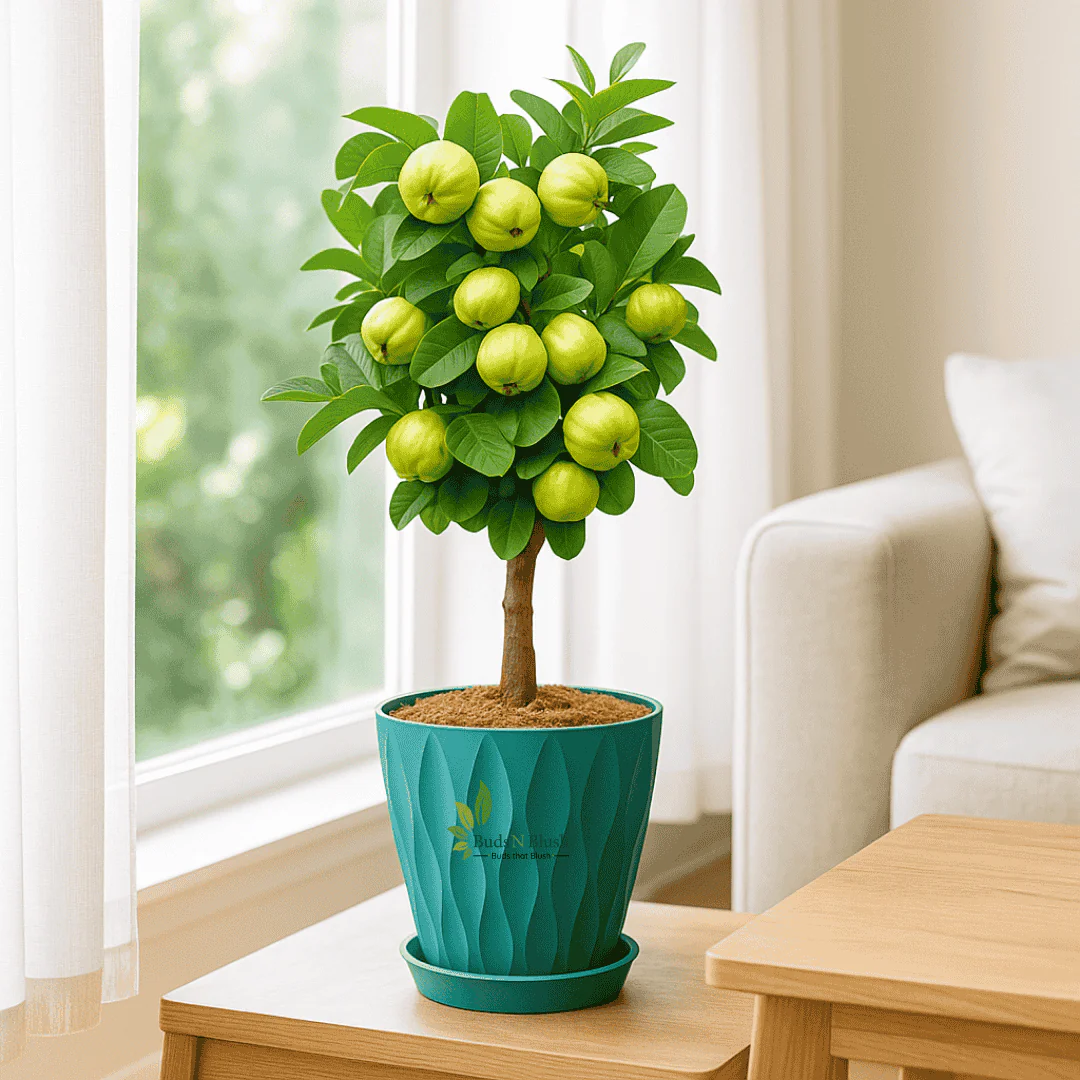
Taiwan Pink Guava
Taiwan Pink Guava
✅ Taiwan Pink Guava – Tropical Sweetness with Exotic Charm
Taiwan Pink Guava (Psidium guajava) is a tropical fruit plant known for its vibrant pink flesh, sweet aroma, and rich flavor. Packed with nutrients, this guava variety is prized for both fresh consumption and juicing, making it a delightful addition to home orchards and gardens.
✅ Origin and Natural Habitat
-
Native to tropical America but cultivated extensively in Taiwan and Southeast Asia
-
Thrives in warm, sunny climates with moderate rainfall
-
Grows naturally in open fields, orchards, and home gardens
-
Highly adaptable to tropical and subtropical regions
✅ Perfect Placement for a Stunning Home or Garden Statement
-
In home orchards for fresh, organic fruit supply
-
Along garden borders as a productive and ornamental tree
-
In large containers on sunny patios for urban gardeners
-
In mixed fruit gardens with other tropical species
-
Near seating areas for shade and seasonal fruit enjoyment
✅ Care Guide – From Nurturing to Flourishing
-
Requires full sunlight for maximum fruit sweetness and yield
-
Water moderately; avoid waterlogging to prevent root diseases
-
Prefers well-draining, fertile soil enriched with organic compost
-
Prune regularly to maintain shape and stimulate fruiting branches
-
Fertilize every 4–6 weeks during active growth with a balanced NPK fertilizer
-
Protect young plants from frost in colder climates
✅ Benefits of Growing Taiwan Pink Guava
-
Produces juicy, sweet, and fragrant pink-fleshed fruits
-
Rich in Vitamin C, antioxidants, and dietary fiber
-
Excellent for fresh eating, juices, smoothies, and desserts
-
Low-maintenance and fast-growing fruit tree
-
Adds ornamental beauty with glossy leaves and seasonal blooms
✅ Common Problems and How to Prevent Them
-
Fruit fly infestation – use traps or protective fruit bags
-
Leaf yellowing – check for nutrient deficiencies or poor drainage
-
Fungal leaf spots – improve air circulation and avoid overhead watering
-
Poor fruiting – ensure proper pruning and full sunlight exposure
Product Information
Product Information
Shipping & Returns
Shipping & Returns
Description
✅ Taiwan Pink Guava – Tropical Sweetness with Exotic Charm
Taiwan Pink Guava (Psidium guajava) is a tropical fruit plant known for its vibrant pink flesh, sweet aroma, and rich flavor. Packed with nutrients, this guava variety is prized for both fresh consumption and juicing, making it a delightful addition to home orchards and gardens.
✅ Origin and Natural Habitat
-
Native to tropical America but cultivated extensively in Taiwan and Southeast Asia
-
Thrives in warm, sunny climates with moderate rainfall
-
Grows naturally in open fields, orchards, and home gardens
-
Highly adaptable to tropical and subtropical regions
✅ Perfect Placement for a Stunning Home or Garden Statement
-
In home orchards for fresh, organic fruit supply
-
Along garden borders as a productive and ornamental tree
-
In large containers on sunny patios for urban gardeners
-
In mixed fruit gardens with other tropical species
-
Near seating areas for shade and seasonal fruit enjoyment
✅ Care Guide – From Nurturing to Flourishing
-
Requires full sunlight for maximum fruit sweetness and yield
-
Water moderately; avoid waterlogging to prevent root diseases
-
Prefers well-draining, fertile soil enriched with organic compost
-
Prune regularly to maintain shape and stimulate fruiting branches
-
Fertilize every 4–6 weeks during active growth with a balanced NPK fertilizer
-
Protect young plants from frost in colder climates
✅ Benefits of Growing Taiwan Pink Guava
-
Produces juicy, sweet, and fragrant pink-fleshed fruits
-
Rich in Vitamin C, antioxidants, and dietary fiber
-
Excellent for fresh eating, juices, smoothies, and desserts
-
Low-maintenance and fast-growing fruit tree
-
Adds ornamental beauty with glossy leaves and seasonal blooms
✅ Common Problems and How to Prevent Them
-
Fruit fly infestation – use traps or protective fruit bags
-
Leaf yellowing – check for nutrient deficiencies or poor drainage
-
Fungal leaf spots – improve air circulation and avoid overhead watering
-
Poor fruiting – ensure proper pruning and full sunlight exposure