Pumpkin Seeds
Growing Pumpkin In Container or Grow Bags:
Growing Pumpkin or Kaddu from seeds is a straightforward process the only trick needed is hybrid seeds. With local seeds putting effort in kitchen garden is simply tiring and frustrating. With the right conditions, you can enjoy a bountiful harvest of this nutritious and versatile vegetable in your home it does not matter if you have a backyard or simple pot just follow our instructions here's a step-by-step guide on how to grow okra from seeds in container:
-
Selecting Seeds: Budsnblush F1 hybrid seeds are high-quality seeds. They get mature quickly and give early harvest. This variety is best suited for container kitchen gardening.
-
Selecting a Container: Choose a large container with a minimum size of 10-15 gallons. Pumpkins have deep roots, so ensure the container is deep enough. Make sure the container has drainage holes to prevent waterlogging.
-
Choosing the Right Soil: Use a well-draining potting mix rich in organic matter. Bottle Gourd prefer slightly acidic to neutral soil with a pH level between 6.0 and 7.0.
-
Planting Seeds: Plant pumpkin seeds about 1-2 inches deep in the soil. Place 2-3 seeds per container. Once the seedlings emerge, thin them to leave the healthiest plant in each group.
- Sunlight Requirements: Pumpkins require full sunlight to thrive. Place the container in a location where the plants can receive at least 6-8 hours of direct sunlight daily.
-
Watering: Keep the soil consistently moist, especially during the germination and flowering stages. Water the plants when the top inch of the soil feels dry. Avoid overwatering to prevent root diseases.
-
Support: Provide support such as trellises or stakes. This helps save space and encourages upward growth.
-
Fertilization: Use a balanced, water-soluble fertilizer or a slow-release granular fertilizer suitable for vegetables. Apply fertilizer according to the recommended dosage on the package, typically every 4-6 weeks.
-
Pruning: While pumpkins don't typically require heavy pruning, you can remove excess foliage to improve air circulation and sunlight penetration. This can help prevent diseases.
-
Pest and Disease Management: Keep an eye out for common pests such as aphids and cucumber beetles. Use natural remedies or insecticidal soap to control pests. Container gardening can minimize the risk of soil-borne diseases, but proper hygiene is still essential.
-
Harvesting: Harvest pumpkins when they reach the desired size and color. Use a sharp knife or scissors to cut the pumpkins from the plant. Leave a few inches of stem attached to each pumpkin for better storage.
By following these steps, you can successfully grow pumpkin from seeds and enjoy a continuous harvest of this delicious and nutritious vegetable throughout the growing season from your own kitchen garden.
Why Budsnblush Seeds : Budsnblush vegetable seeds stand out as exceptional in the market for several compelling reasons. Primarily, these seeds boast robust disease tolerance F1 hybrid , ensuring that your crops are resilient against common ailments that can plague traditional varieties. This not only accelerates the growth process but also guarantees a faster yield, providing urban gardeners with a quicker result.
Product Information
Product Information
Shipping & Returns
Shipping & Returns
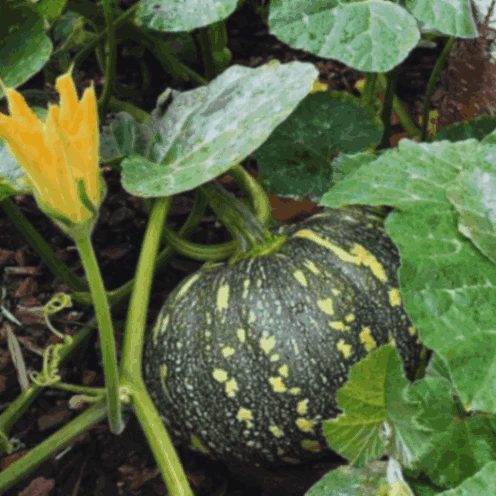
Pumpkin Seeds
Pumpkin Seeds
Growing Pumpkin In Container or Grow Bags:
Growing Pumpkin or Kaddu from seeds is a straightforward process the only trick needed is hybrid seeds. With local seeds putting effort in kitchen garden is simply tiring and frustrating. With the right conditions, you can enjoy a bountiful harvest of this nutritious and versatile vegetable in your home it does not matter if you have a backyard or simple pot just follow our instructions here's a step-by-step guide on how to grow okra from seeds in container:
-
Selecting Seeds: Budsnblush F1 hybrid seeds are high-quality seeds. They get mature quickly and give early harvest. This variety is best suited for container kitchen gardening.
-
Selecting a Container: Choose a large container with a minimum size of 10-15 gallons. Pumpkins have deep roots, so ensure the container is deep enough. Make sure the container has drainage holes to prevent waterlogging.
-
Choosing the Right Soil: Use a well-draining potting mix rich in organic matter. Bottle Gourd prefer slightly acidic to neutral soil with a pH level between 6.0 and 7.0.
-
Planting Seeds: Plant pumpkin seeds about 1-2 inches deep in the soil. Place 2-3 seeds per container. Once the seedlings emerge, thin them to leave the healthiest plant in each group.
- Sunlight Requirements: Pumpkins require full sunlight to thrive. Place the container in a location where the plants can receive at least 6-8 hours of direct sunlight daily.
-
Watering: Keep the soil consistently moist, especially during the germination and flowering stages. Water the plants when the top inch of the soil feels dry. Avoid overwatering to prevent root diseases.
-
Support: Provide support such as trellises or stakes. This helps save space and encourages upward growth.
-
Fertilization: Use a balanced, water-soluble fertilizer or a slow-release granular fertilizer suitable for vegetables. Apply fertilizer according to the recommended dosage on the package, typically every 4-6 weeks.
-
Pruning: While pumpkins don't typically require heavy pruning, you can remove excess foliage to improve air circulation and sunlight penetration. This can help prevent diseases.
-
Pest and Disease Management: Keep an eye out for common pests such as aphids and cucumber beetles. Use natural remedies or insecticidal soap to control pests. Container gardening can minimize the risk of soil-borne diseases, but proper hygiene is still essential.
-
Harvesting: Harvest pumpkins when they reach the desired size and color. Use a sharp knife or scissors to cut the pumpkins from the plant. Leave a few inches of stem attached to each pumpkin for better storage.
By following these steps, you can successfully grow pumpkin from seeds and enjoy a continuous harvest of this delicious and nutritious vegetable throughout the growing season from your own kitchen garden.
Why Budsnblush Seeds : Budsnblush vegetable seeds stand out as exceptional in the market for several compelling reasons. Primarily, these seeds boast robust disease tolerance F1 hybrid , ensuring that your crops are resilient against common ailments that can plague traditional varieties. This not only accelerates the growth process but also guarantees a faster yield, providing urban gardeners with a quicker result.
Original: $0.53
-70%$0.53
$0.16Product Information
Product Information
Shipping & Returns
Shipping & Returns
Description
Growing Pumpkin In Container or Grow Bags:
Growing Pumpkin or Kaddu from seeds is a straightforward process the only trick needed is hybrid seeds. With local seeds putting effort in kitchen garden is simply tiring and frustrating. With the right conditions, you can enjoy a bountiful harvest of this nutritious and versatile vegetable in your home it does not matter if you have a backyard or simple pot just follow our instructions here's a step-by-step guide on how to grow okra from seeds in container:
-
Selecting Seeds: Budsnblush F1 hybrid seeds are high-quality seeds. They get mature quickly and give early harvest. This variety is best suited for container kitchen gardening.
-
Selecting a Container: Choose a large container with a minimum size of 10-15 gallons. Pumpkins have deep roots, so ensure the container is deep enough. Make sure the container has drainage holes to prevent waterlogging.
-
Choosing the Right Soil: Use a well-draining potting mix rich in organic matter. Bottle Gourd prefer slightly acidic to neutral soil with a pH level between 6.0 and 7.0.
-
Planting Seeds: Plant pumpkin seeds about 1-2 inches deep in the soil. Place 2-3 seeds per container. Once the seedlings emerge, thin them to leave the healthiest plant in each group.
- Sunlight Requirements: Pumpkins require full sunlight to thrive. Place the container in a location where the plants can receive at least 6-8 hours of direct sunlight daily.
-
Watering: Keep the soil consistently moist, especially during the germination and flowering stages. Water the plants when the top inch of the soil feels dry. Avoid overwatering to prevent root diseases.
-
Support: Provide support such as trellises or stakes. This helps save space and encourages upward growth.
-
Fertilization: Use a balanced, water-soluble fertilizer or a slow-release granular fertilizer suitable for vegetables. Apply fertilizer according to the recommended dosage on the package, typically every 4-6 weeks.
-
Pruning: While pumpkins don't typically require heavy pruning, you can remove excess foliage to improve air circulation and sunlight penetration. This can help prevent diseases.
-
Pest and Disease Management: Keep an eye out for common pests such as aphids and cucumber beetles. Use natural remedies or insecticidal soap to control pests. Container gardening can minimize the risk of soil-borne diseases, but proper hygiene is still essential.
-
Harvesting: Harvest pumpkins when they reach the desired size and color. Use a sharp knife or scissors to cut the pumpkins from the plant. Leave a few inches of stem attached to each pumpkin for better storage.
By following these steps, you can successfully grow pumpkin from seeds and enjoy a continuous harvest of this delicious and nutritious vegetable throughout the growing season from your own kitchen garden.
Why Budsnblush Seeds : Budsnblush vegetable seeds stand out as exceptional in the market for several compelling reasons. Primarily, these seeds boast robust disease tolerance F1 hybrid , ensuring that your crops are resilient against common ailments that can plague traditional varieties. This not only accelerates the growth process but also guarantees a faster yield, providing urban gardeners with a quicker result.