Mammilaria Elongata
✅ Mammillaria elongata – The Golden Lady of the Desert
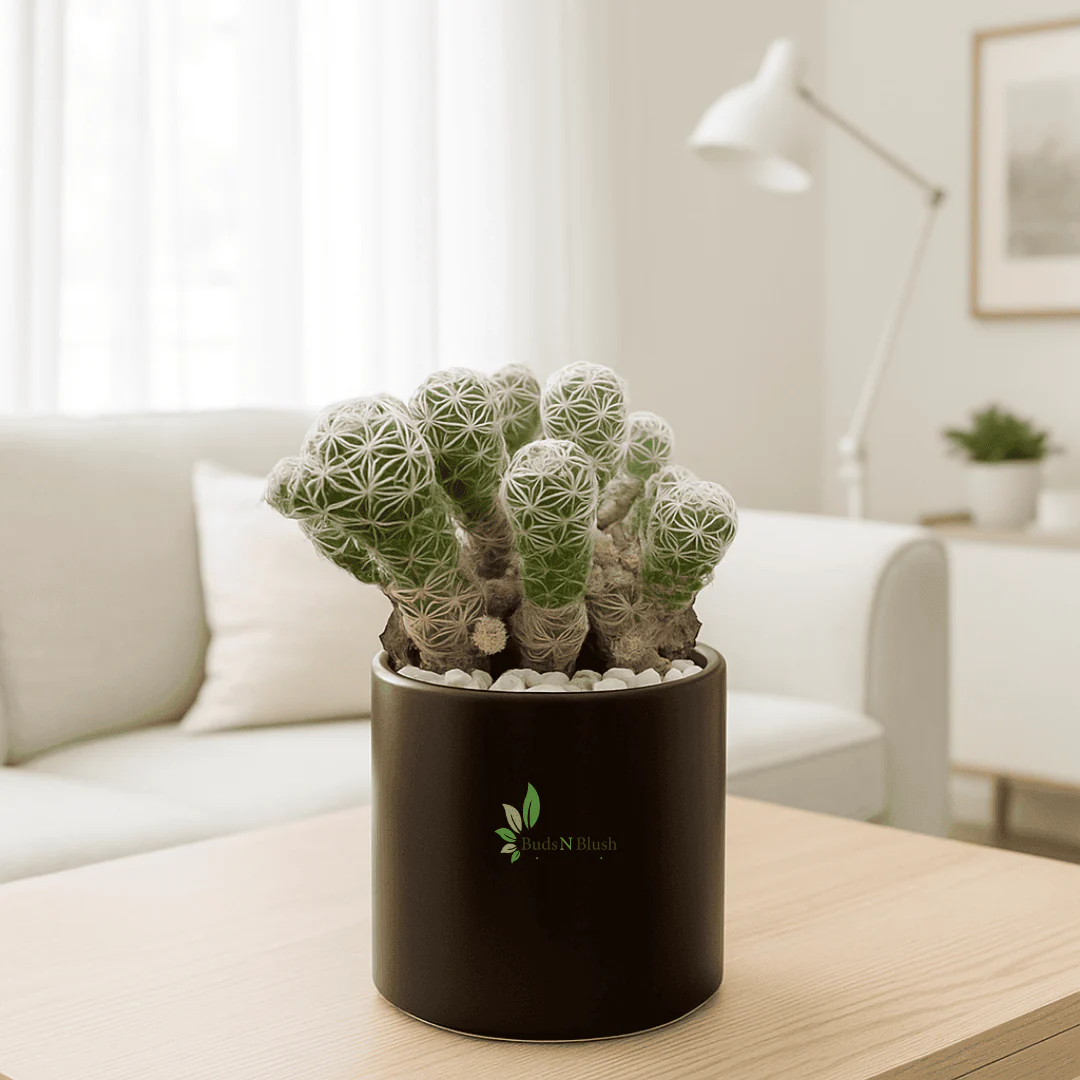
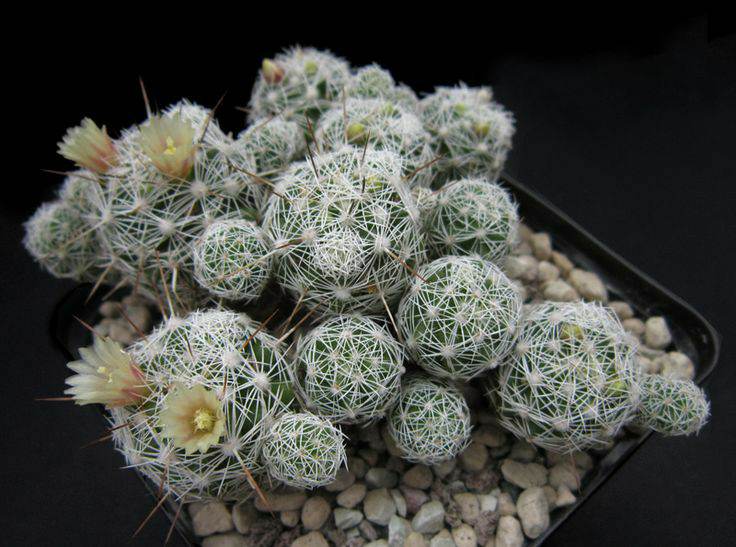
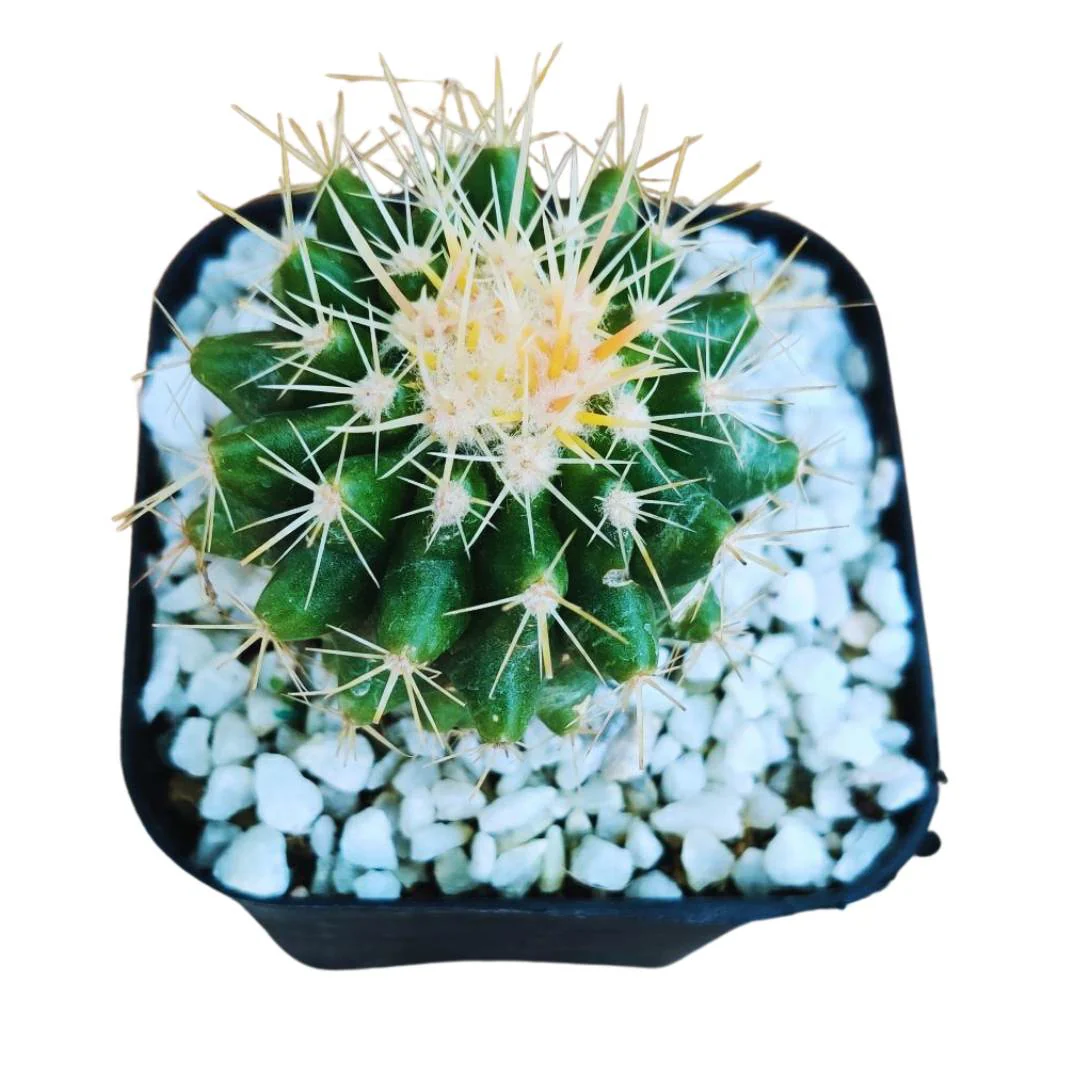
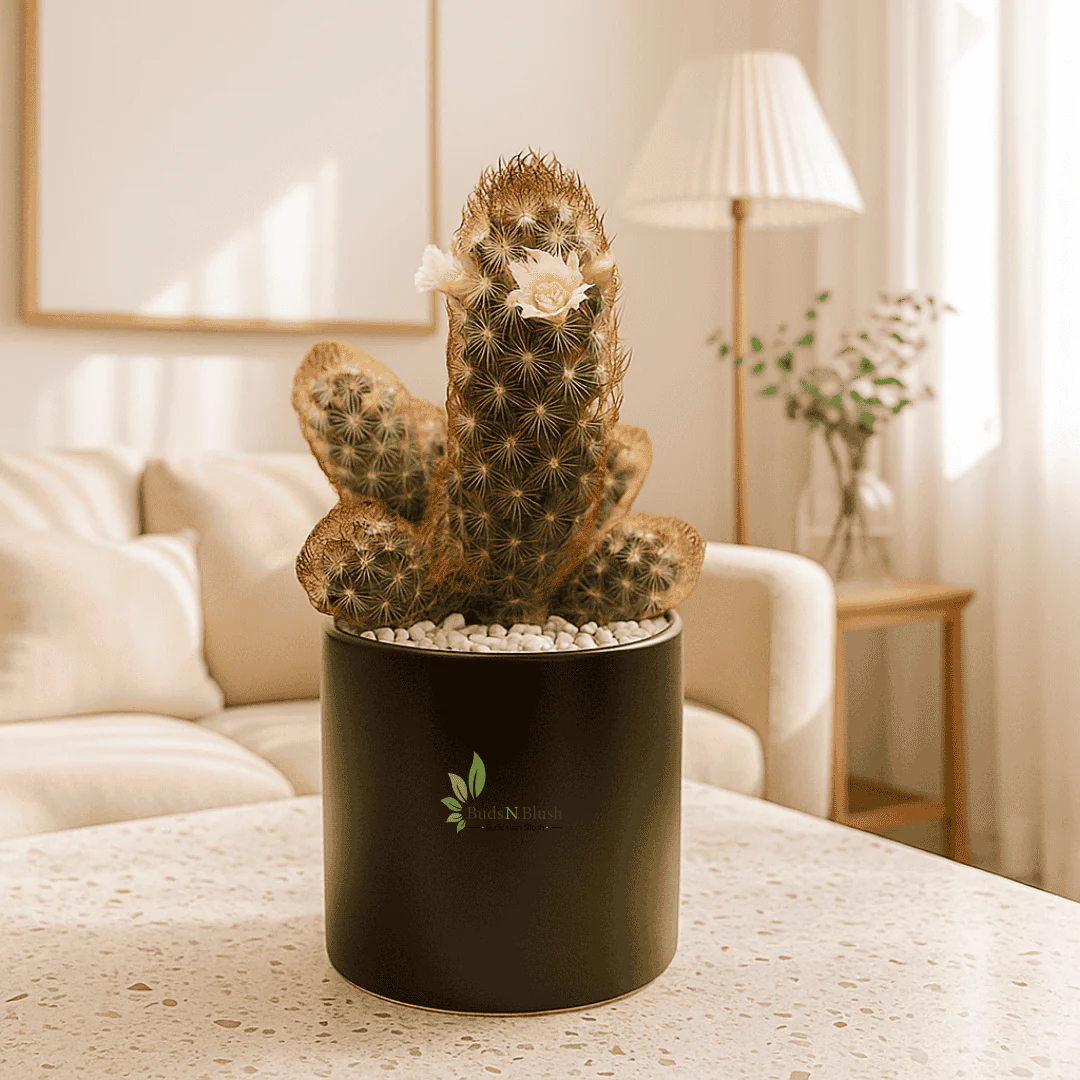
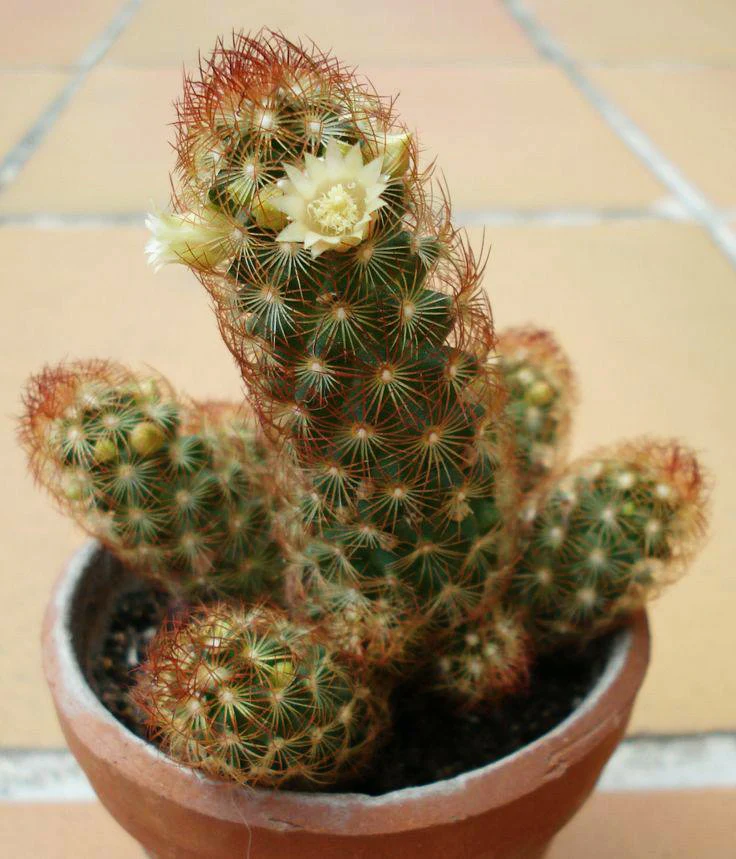
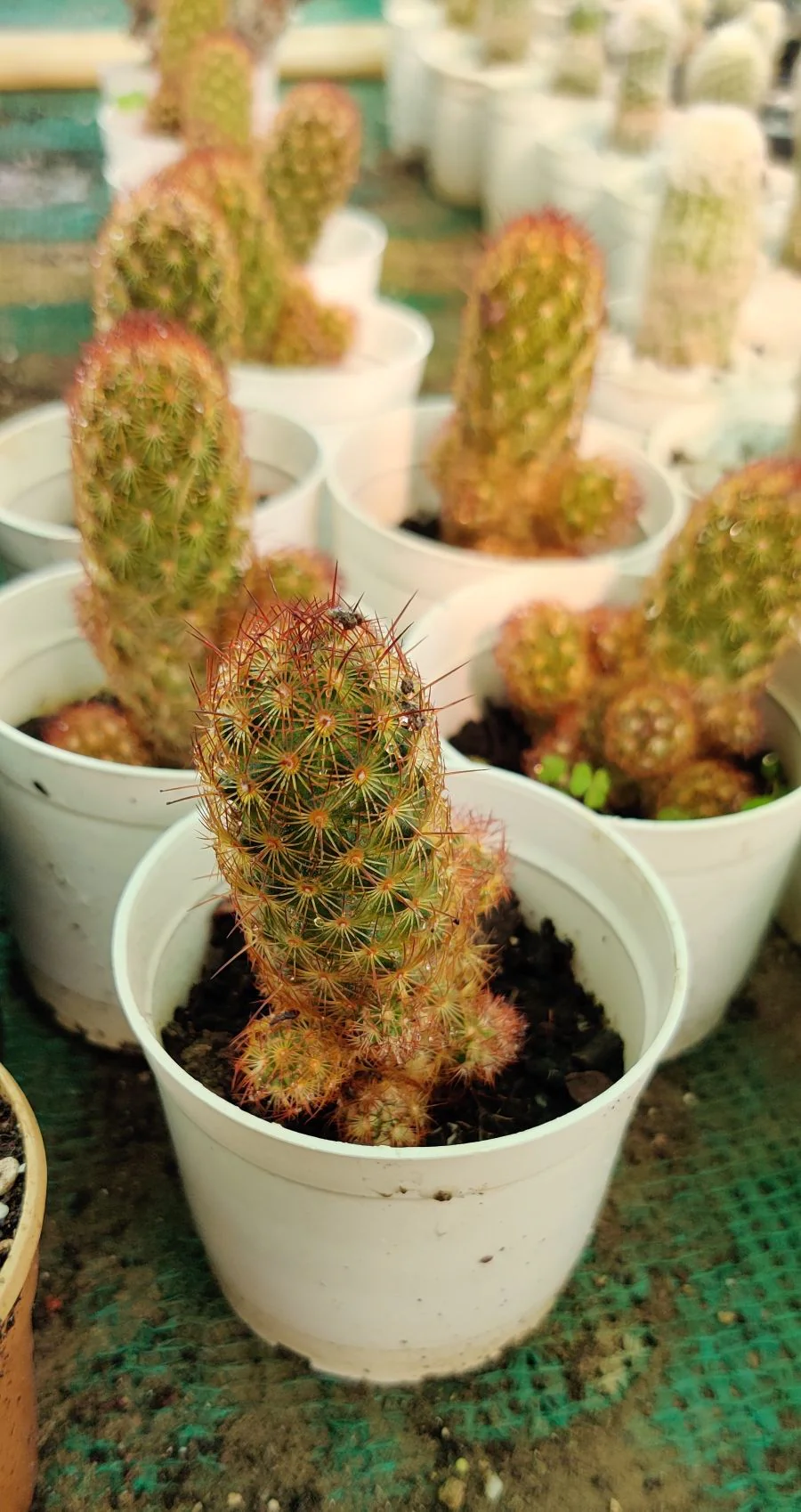
The Mammillaria elongata, often called the Ladyfinger Cactus, is an elegant clustering cactus with elongated, finger-like stems draped in a dense pattern of golden to coppery spines. Native to the rocky highlands of central Mexico, it thrives in intense sunlight, dry air, and sharp-draining soils. Over time, it forms intricate clusters that resemble shimmering desert coral, making it a captivating centerpiece for modern, rustic, or bohemian-inspired interiors. In spring, it rewards with delicate white to pale yellow flowers, adding a refined seasonal charm.
✅ Origin and Natural Habitat
-
Native to central Mexico, particularly Hidalgo and Guanajuato.
-
Found growing in rocky outcrops and well-drained volcanic slopes.
-
Adapted to full sun, low humidity, and seasonal droughts.
-
Spines protect against sunburn and conserve moisture.
✅ Perfect Placement for a Stunning Home Aesthetic
-
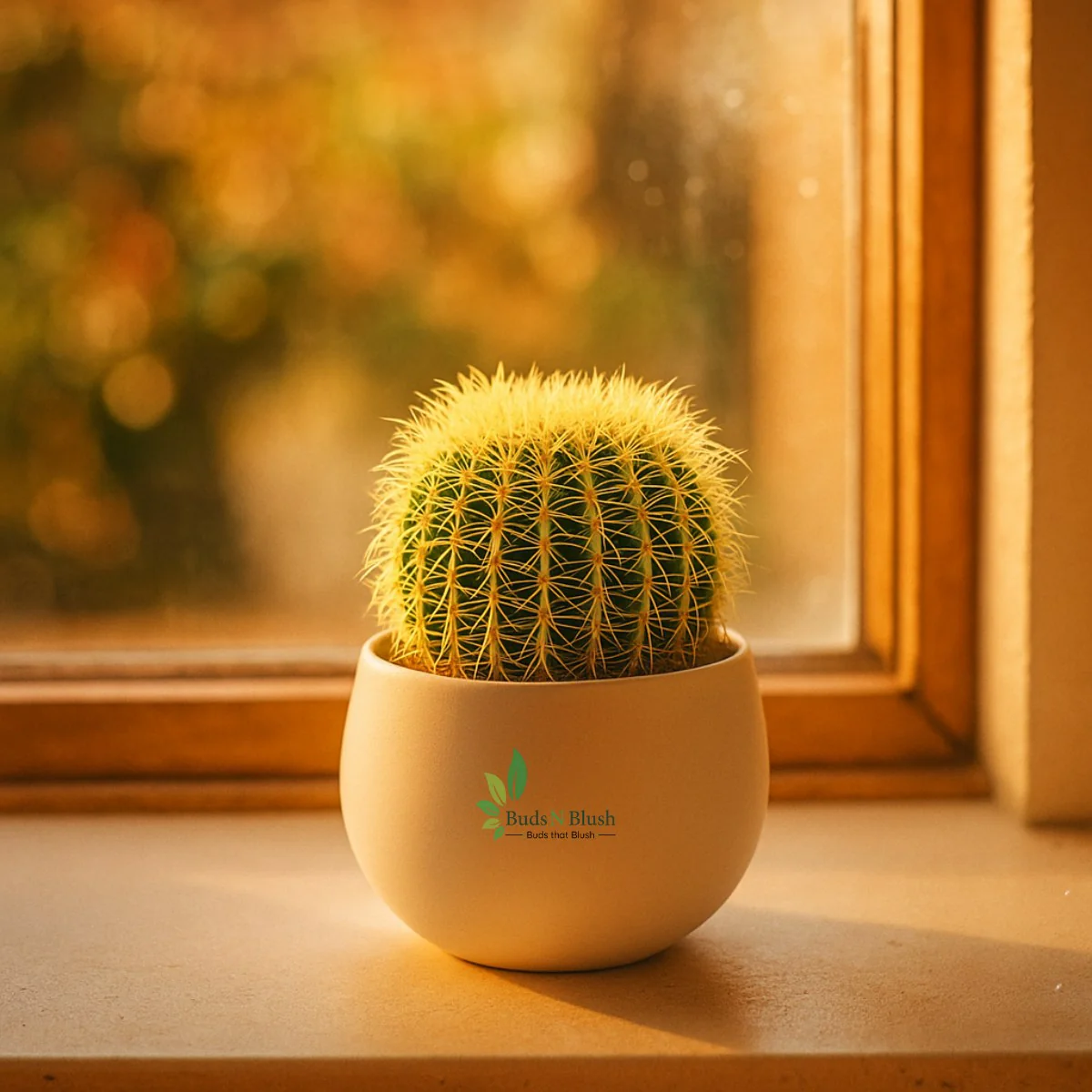
Excellent for bright windowsills, especially south- or west-facing.
-
Perfect for decorative bowls or dish gardens as a focal point.
-
Looks stunning on coffee tables, floating shelves, or office desks.
-
Complements earthy interiors with terracotta or raw ceramic planters.
-
Striking when paired with trailing succulents in mixed displays.
✅ Care Guide – From Nurturing to Blooming
-
Provide 5–6 hours of bright, direct sunlight daily; use a grow light if indoors.
-
Plant in gritty, free-draining cactus mix with added coarse sand or pumice.
-
Water using the soak-and-dry method during the active growing season (spring to early autumn); reduce drastically in winter.
-
Fertilize every 4–6 weeks in the growing season with a low-nitrogen, high-potassium cactus fertilizer (NPK 5-10-10) to promote blooms and healthy growth.
-
Organic supplements like diluted kelp extract or worm cast tea can enhance root and flower development.
-
Avoid pruning—remove only damaged stems or excess offsets for propagation.
-
To encourage flowering, provide a cool, dry rest in winter.
✅ Benefits of Growing Mammillaria elongata
-
Elegant golden spines add warmth and texture to any setting.
-
Naturally forms intricate, coral-like clusters over time.
-
Extremely drought-tolerant and easy to care for.
-
Seasonal blooms add a touch of delicacy to its bold form.
-
Ideal for collectors and interior decorators alike.
✅ Common Problems and How to Avoid Them
-
Overwatering can cause stem rot—ensure fast-draining soil.
-
Low light may result in stretched, weakened growth.
-
Mealybugs can occasionally hide between stems—treat promptly.
-
Protect from prolonged frost or excess humidity.
Product Information
Product Information
Shipping & Returns
Shipping & Returns
Mammilaria Elongata
Mammilaria Elongata
✅ Mammillaria elongata – The Golden Lady of the Desert
The Mammillaria elongata, often called the Ladyfinger Cactus, is an elegant clustering cactus with elongated, finger-like stems draped in a dense pattern of golden to coppery spines. Native to the rocky highlands of central Mexico, it thrives in intense sunlight, dry air, and sharp-draining soils. Over time, it forms intricate clusters that resemble shimmering desert coral, making it a captivating centerpiece for modern, rustic, or bohemian-inspired interiors. In spring, it rewards with delicate white to pale yellow flowers, adding a refined seasonal charm.
✅ Origin and Natural Habitat
-
Native to central Mexico, particularly Hidalgo and Guanajuato.
-
Found growing in rocky outcrops and well-drained volcanic slopes.
-
Adapted to full sun, low humidity, and seasonal droughts.
-
Spines protect against sunburn and conserve moisture.
✅ Perfect Placement for a Stunning Home Aesthetic
-
Excellent for bright windowsills, especially south- or west-facing.
-
Perfect for decorative bowls or dish gardens as a focal point.
-
Looks stunning on coffee tables, floating shelves, or office desks.
-
Complements earthy interiors with terracotta or raw ceramic planters.
-
Striking when paired with trailing succulents in mixed displays.
✅ Care Guide – From Nurturing to Blooming
-
Provide 5–6 hours of bright, direct sunlight daily; use a grow light if indoors.
-
Plant in gritty, free-draining cactus mix with added coarse sand or pumice.
-
Water using the soak-and-dry method during the active growing season (spring to early autumn); reduce drastically in winter.
-
Fertilize every 4–6 weeks in the growing season with a low-nitrogen, high-potassium cactus fertilizer (NPK 5-10-10) to promote blooms and healthy growth.
-
Organic supplements like diluted kelp extract or worm cast tea can enhance root and flower development.
-
Avoid pruning—remove only damaged stems or excess offsets for propagation.
-
To encourage flowering, provide a cool, dry rest in winter.
✅ Benefits of Growing Mammillaria elongata
-
Elegant golden spines add warmth and texture to any setting.
-
Naturally forms intricate, coral-like clusters over time.
-
Extremely drought-tolerant and easy to care for.
-
Seasonal blooms add a touch of delicacy to its bold form.
-
Ideal for collectors and interior decorators alike.
✅ Common Problems and How to Avoid Them
-
Overwatering can cause stem rot—ensure fast-draining soil.
-
Low light may result in stretched, weakened growth.
-
Mealybugs can occasionally hide between stems—treat promptly.
-
Protect from prolonged frost or excess humidity.
Original: $1.93
-70%$1.93
$0.58Product Information
Product Information
Shipping & Returns
Shipping & Returns
Description
✅ Mammillaria elongata – The Golden Lady of the Desert
The Mammillaria elongata, often called the Ladyfinger Cactus, is an elegant clustering cactus with elongated, finger-like stems draped in a dense pattern of golden to coppery spines. Native to the rocky highlands of central Mexico, it thrives in intense sunlight, dry air, and sharp-draining soils. Over time, it forms intricate clusters that resemble shimmering desert coral, making it a captivating centerpiece for modern, rustic, or bohemian-inspired interiors. In spring, it rewards with delicate white to pale yellow flowers, adding a refined seasonal charm.
✅ Origin and Natural Habitat
-
Native to central Mexico, particularly Hidalgo and Guanajuato.
-
Found growing in rocky outcrops and well-drained volcanic slopes.
-
Adapted to full sun, low humidity, and seasonal droughts.
-
Spines protect against sunburn and conserve moisture.
✅ Perfect Placement for a Stunning Home Aesthetic
-
Excellent for bright windowsills, especially south- or west-facing.
-
Perfect for decorative bowls or dish gardens as a focal point.
-
Looks stunning on coffee tables, floating shelves, or office desks.
-
Complements earthy interiors with terracotta or raw ceramic planters.
-
Striking when paired with trailing succulents in mixed displays.
✅ Care Guide – From Nurturing to Blooming
-
Provide 5–6 hours of bright, direct sunlight daily; use a grow light if indoors.
-
Plant in gritty, free-draining cactus mix with added coarse sand or pumice.
-
Water using the soak-and-dry method during the active growing season (spring to early autumn); reduce drastically in winter.
-
Fertilize every 4–6 weeks in the growing season with a low-nitrogen, high-potassium cactus fertilizer (NPK 5-10-10) to promote blooms and healthy growth.
-
Organic supplements like diluted kelp extract or worm cast tea can enhance root and flower development.
-
Avoid pruning—remove only damaged stems or excess offsets for propagation.
-
To encourage flowering, provide a cool, dry rest in winter.
✅ Benefits of Growing Mammillaria elongata
-
Elegant golden spines add warmth and texture to any setting.
-
Naturally forms intricate, coral-like clusters over time.
-
Extremely drought-tolerant and easy to care for.
-
Seasonal blooms add a touch of delicacy to its bold form.
-
Ideal for collectors and interior decorators alike.
✅ Common Problems and How to Avoid Them
-
Overwatering can cause stem rot—ensure fast-draining soil.
-
Low light may result in stretched, weakened growth.
-
Mealybugs can occasionally hide between stems—treat promptly.
-
Protect from prolonged frost or excess humidity.