Opuntia Bunny Ear
✅ Orange Opuntia Bunny Ear – The Sunset Glow of the Desert
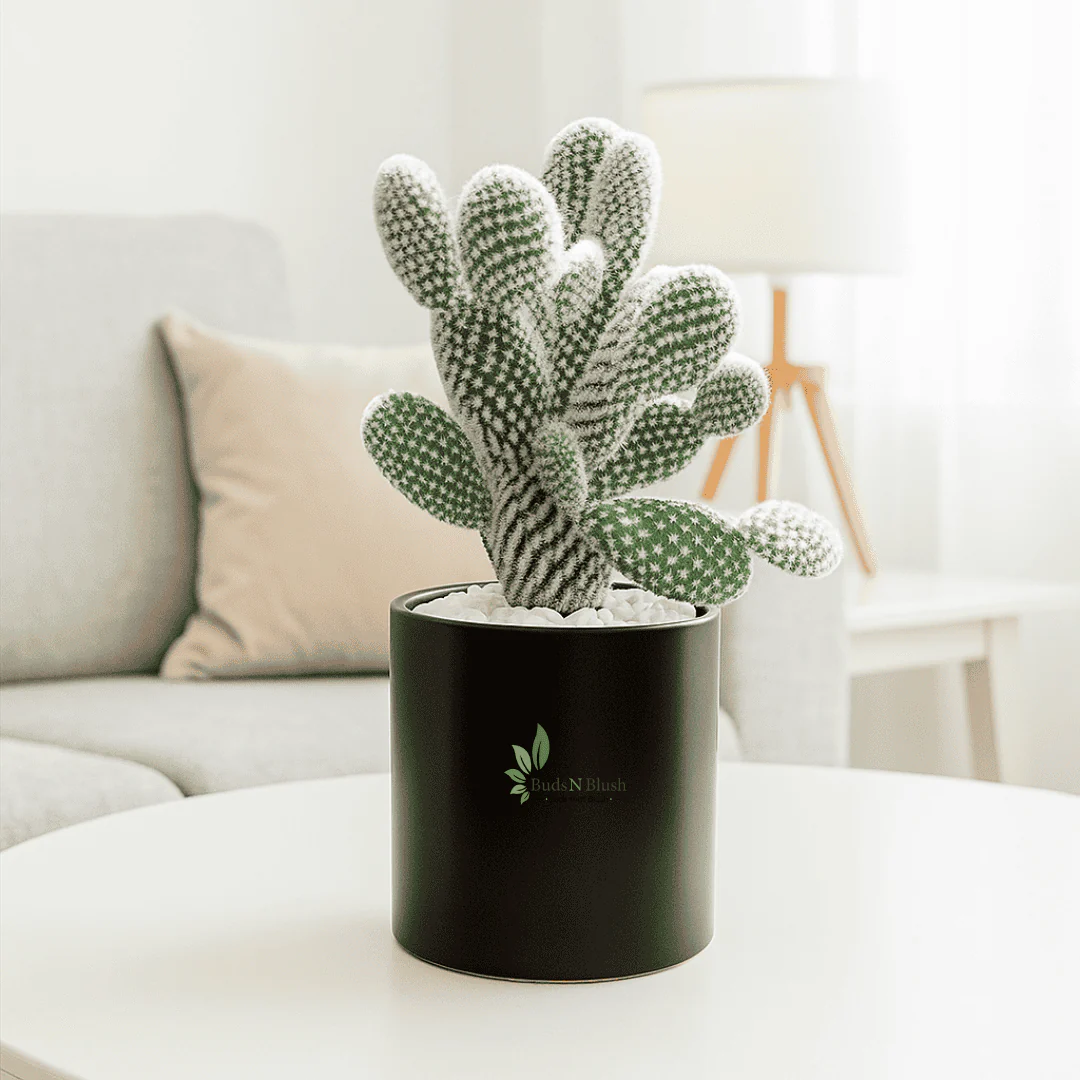
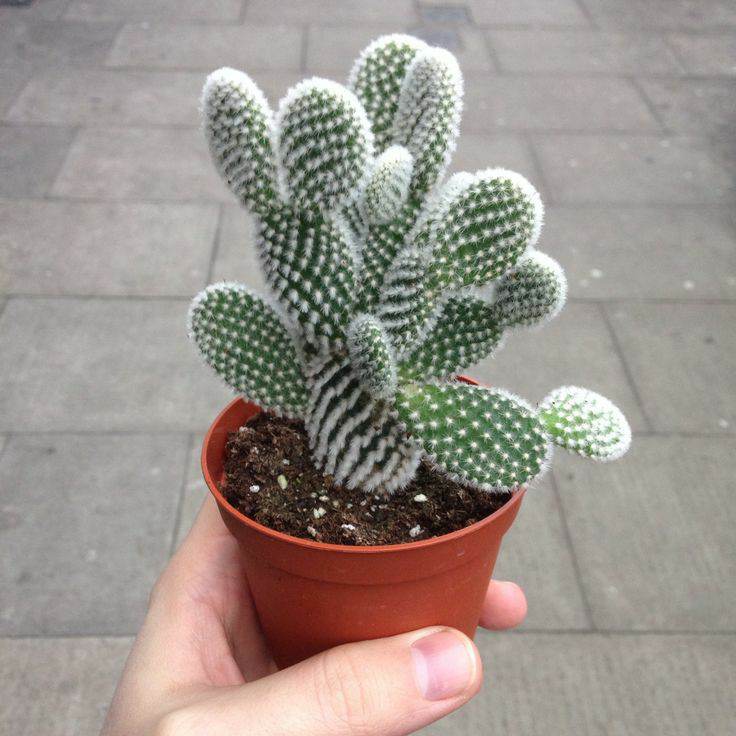
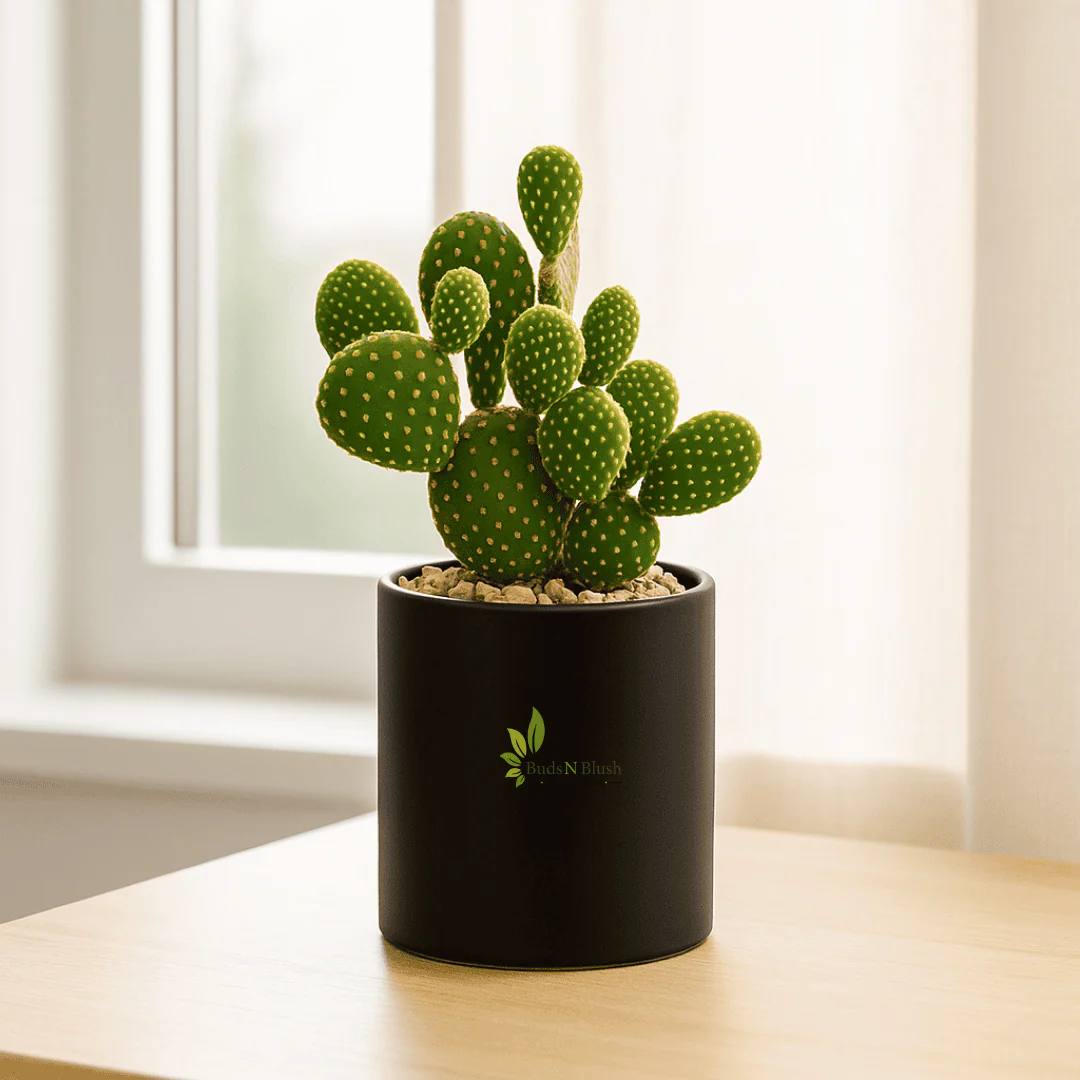
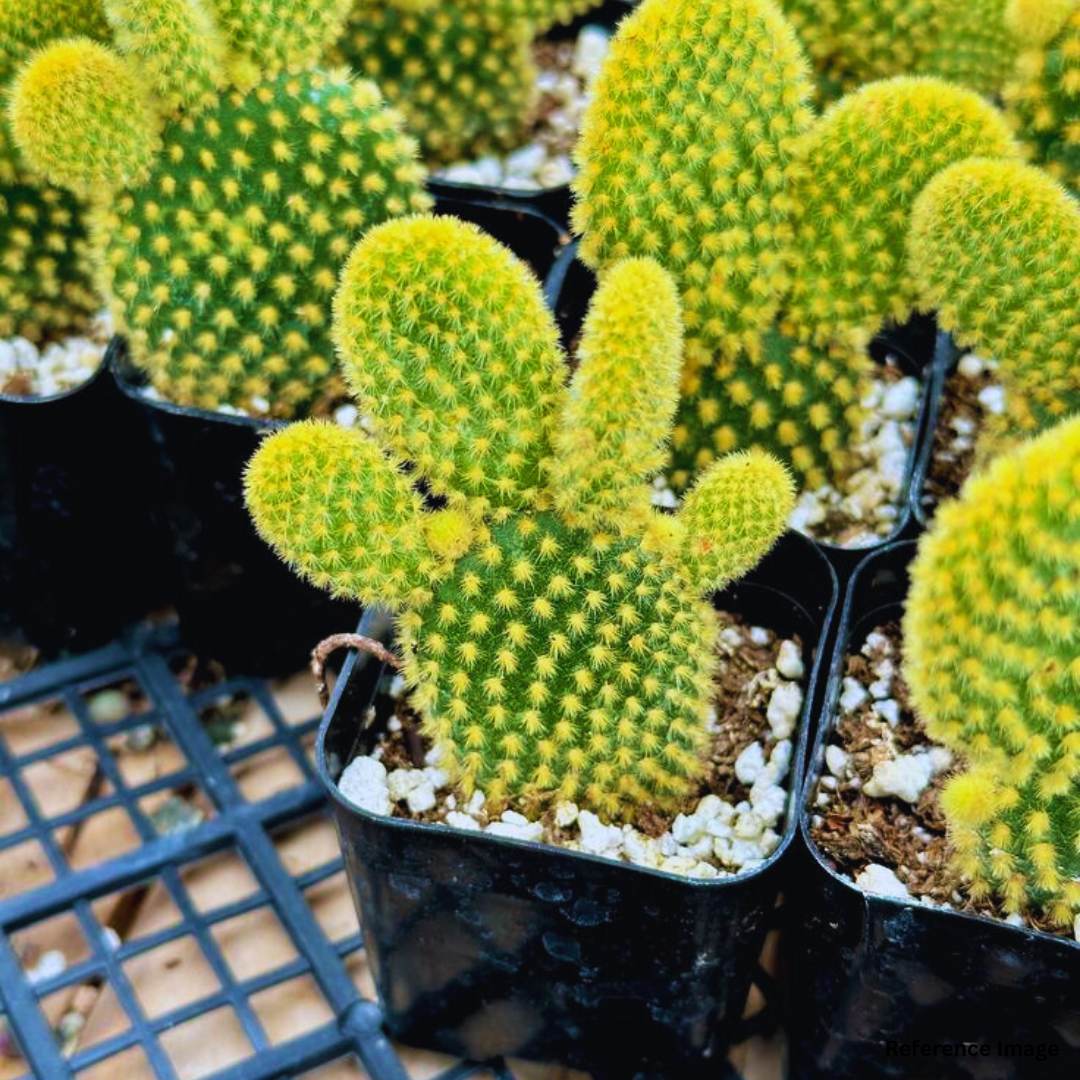
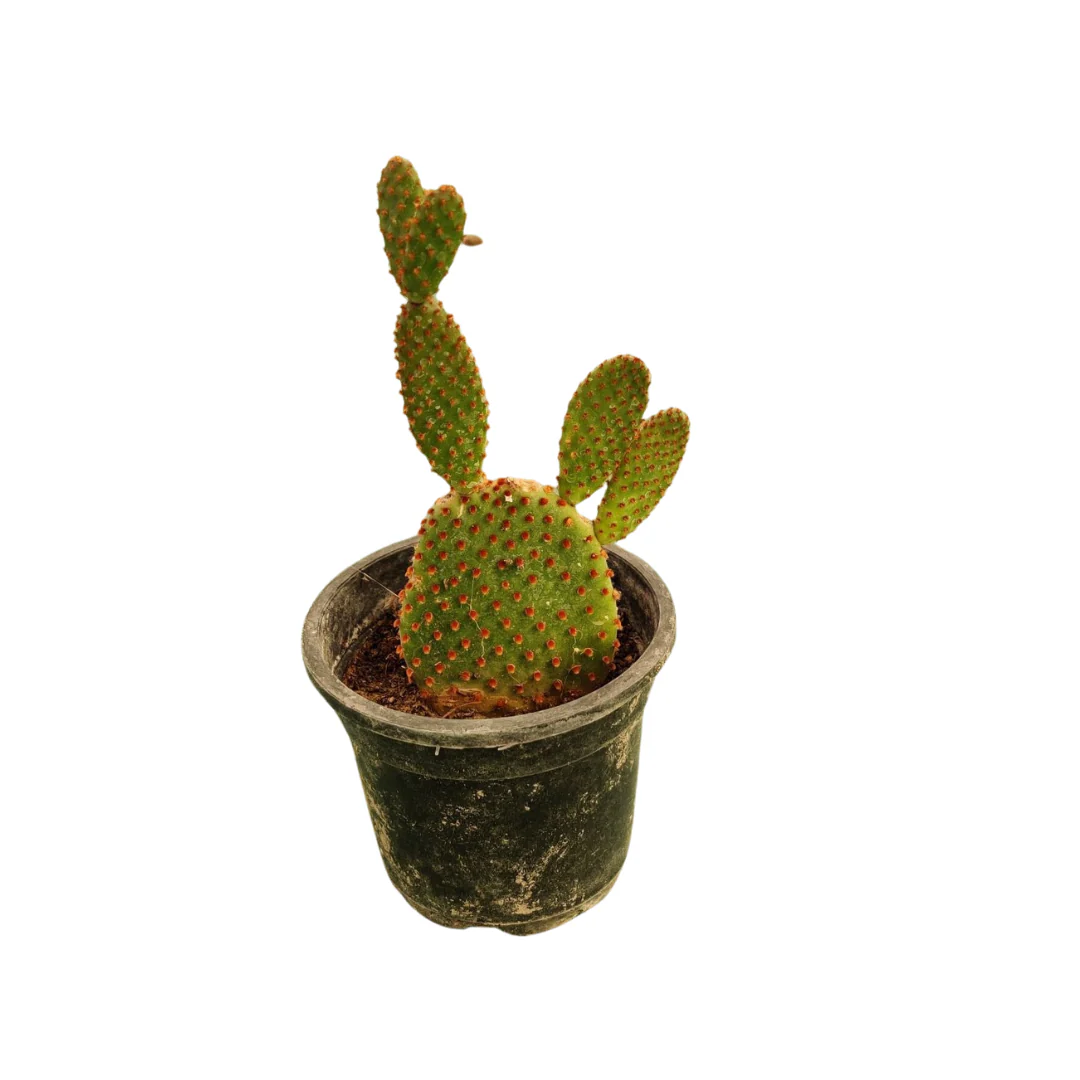
The Orange Opuntia Bunny Ear is a radiant and playful cactus variety that turns any space into a warm desert vignette. Belonging to the Opuntia microdasys family, this cultivar stands out for its vibrant, sunset-orange pads that resemble the soft ears of a rabbit. Native to the arid landscapes of northern Mexico, it thrives in sun-drenched, rocky soils where the air is dry and the skies are clear. Its cheerful hue and sculptural form make it as much a conversation piece as a plant, adding an uplifting splash of color to any interior or garden.
✅ Origin and Natural Habitat
-
Native to the dry, open regions of northern Mexico.
-
Found in sandy and rocky desert soils with excellent drainage.
-
Survives long dry spells and intense sunlight with ease.
-
Adapts naturally to high temperatures and low humidity.
✅ Perfect Placement for a Stunning Home Aesthetic
-
A statement piece for sunny windowsills, kitchen counters, or plant shelves.
-
Ideal for bright entryways or minimalist interiors that need a pop of warm color.
-
Looks striking in terracotta pots, stone planters, or low-profile bowls.
-
Perfect for sunrooms or balconies to bring a modern desert vibe.
-
Can be grouped with other colorful cacti for a vibrant focal display.
✅ Care Guide – From Nurturing to Blooming
-
Requires 5–6 hours of direct sunlight daily to maintain rich orange tones.
-
Plant in a cactus and succulent mix with added pumice or coarse sand.
-
Water deeply but infrequently, allowing the soil to dry fully between waterings; reduce drastically in winter.
-
Fertilize every 4–6 weeks in the growing season with a low-nitrogen cactus fertilizer (NPK 5-10-10 or 10-15-10) to encourage healthy pads and potential blooms.
-
Organic supplements such as diluted liquid seaweed can be used sparingly.
-
Minimal pruning needed—remove only damaged or discolored pads with clean shears.
-
Protect from excessive humidity, which can dull the pad color.
-
In frost-prone areas, keep indoors during winter.
✅ Benefits of Growing Orange Opuntia Bunny Ear
-
Unique orange coloration adds instant warmth and visual interest.
-
Compact and sculptural, perfect for small spaces.
-
Extremely low maintenance once established.
-
Long-living and drought-tolerant, ideal for busy lifestyles.
-
Brings a lively, cheerful desert aesthetic indoors or outdoors.
✅ Common Problems and How to Avoid Them
-
Overwatering leads to pad rot—always ensure proper drainage.
-
Low light causes color fading and elongated growth.
-
Pads may attract mealybugs—treat early with natural insecticidal solutions.
-
Handle with care; the glochids (tiny barbed hairs) can irritate skin.
Product Information
Product Information
Shipping & Returns
Shipping & Returns
Opuntia Bunny Ear
Opuntia Bunny Ear
✅ Orange Opuntia Bunny Ear – The Sunset Glow of the Desert
The Orange Opuntia Bunny Ear is a radiant and playful cactus variety that turns any space into a warm desert vignette. Belonging to the Opuntia microdasys family, this cultivar stands out for its vibrant, sunset-orange pads that resemble the soft ears of a rabbit. Native to the arid landscapes of northern Mexico, it thrives in sun-drenched, rocky soils where the air is dry and the skies are clear. Its cheerful hue and sculptural form make it as much a conversation piece as a plant, adding an uplifting splash of color to any interior or garden.
✅ Origin and Natural Habitat
-
Native to the dry, open regions of northern Mexico.
-
Found in sandy and rocky desert soils with excellent drainage.
-
Survives long dry spells and intense sunlight with ease.
-
Adapts naturally to high temperatures and low humidity.
✅ Perfect Placement for a Stunning Home Aesthetic
-
A statement piece for sunny windowsills, kitchen counters, or plant shelves.
-
Ideal for bright entryways or minimalist interiors that need a pop of warm color.
-
Looks striking in terracotta pots, stone planters, or low-profile bowls.
-
Perfect for sunrooms or balconies to bring a modern desert vibe.
-
Can be grouped with other colorful cacti for a vibrant focal display.
✅ Care Guide – From Nurturing to Blooming
-
Requires 5–6 hours of direct sunlight daily to maintain rich orange tones.
-
Plant in a cactus and succulent mix with added pumice or coarse sand.
-
Water deeply but infrequently, allowing the soil to dry fully between waterings; reduce drastically in winter.
-
Fertilize every 4–6 weeks in the growing season with a low-nitrogen cactus fertilizer (NPK 5-10-10 or 10-15-10) to encourage healthy pads and potential blooms.
-
Organic supplements such as diluted liquid seaweed can be used sparingly.
-
Minimal pruning needed—remove only damaged or discolored pads with clean shears.
-
Protect from excessive humidity, which can dull the pad color.
-
In frost-prone areas, keep indoors during winter.
✅ Benefits of Growing Orange Opuntia Bunny Ear
-
Unique orange coloration adds instant warmth and visual interest.
-
Compact and sculptural, perfect for small spaces.
-
Extremely low maintenance once established.
-
Long-living and drought-tolerant, ideal for busy lifestyles.
-
Brings a lively, cheerful desert aesthetic indoors or outdoors.
✅ Common Problems and How to Avoid Them
-
Overwatering leads to pad rot—always ensure proper drainage.
-
Low light causes color fading and elongated growth.
-
Pads may attract mealybugs—treat early with natural insecticidal solutions.
-
Handle with care; the glochids (tiny barbed hairs) can irritate skin.
Original: $1.88
-70%$1.88
$0.56Product Information
Product Information
Shipping & Returns
Shipping & Returns
Description
✅ Orange Opuntia Bunny Ear – The Sunset Glow of the Desert
The Orange Opuntia Bunny Ear is a radiant and playful cactus variety that turns any space into a warm desert vignette. Belonging to the Opuntia microdasys family, this cultivar stands out for its vibrant, sunset-orange pads that resemble the soft ears of a rabbit. Native to the arid landscapes of northern Mexico, it thrives in sun-drenched, rocky soils where the air is dry and the skies are clear. Its cheerful hue and sculptural form make it as much a conversation piece as a plant, adding an uplifting splash of color to any interior or garden.
✅ Origin and Natural Habitat
-
Native to the dry, open regions of northern Mexico.
-
Found in sandy and rocky desert soils with excellent drainage.
-
Survives long dry spells and intense sunlight with ease.
-
Adapts naturally to high temperatures and low humidity.
✅ Perfect Placement for a Stunning Home Aesthetic
-
A statement piece for sunny windowsills, kitchen counters, or plant shelves.
-
Ideal for bright entryways or minimalist interiors that need a pop of warm color.
-
Looks striking in terracotta pots, stone planters, or low-profile bowls.
-
Perfect for sunrooms or balconies to bring a modern desert vibe.
-
Can be grouped with other colorful cacti for a vibrant focal display.
✅ Care Guide – From Nurturing to Blooming
-
Requires 5–6 hours of direct sunlight daily to maintain rich orange tones.
-
Plant in a cactus and succulent mix with added pumice or coarse sand.
-
Water deeply but infrequently, allowing the soil to dry fully between waterings; reduce drastically in winter.
-
Fertilize every 4–6 weeks in the growing season with a low-nitrogen cactus fertilizer (NPK 5-10-10 or 10-15-10) to encourage healthy pads and potential blooms.
-
Organic supplements such as diluted liquid seaweed can be used sparingly.
-
Minimal pruning needed—remove only damaged or discolored pads with clean shears.
-
Protect from excessive humidity, which can dull the pad color.
-
In frost-prone areas, keep indoors during winter.
✅ Benefits of Growing Orange Opuntia Bunny Ear
-
Unique orange coloration adds instant warmth and visual interest.
-
Compact and sculptural, perfect for small spaces.
-
Extremely low maintenance once established.
-
Long-living and drought-tolerant, ideal for busy lifestyles.
-
Brings a lively, cheerful desert aesthetic indoors or outdoors.
✅ Common Problems and How to Avoid Them
-
Overwatering leads to pad rot—always ensure proper drainage.
-
Low light causes color fading and elongated growth.
-
Pads may attract mealybugs—treat early with natural insecticidal solutions.
-
Handle with care; the glochids (tiny barbed hairs) can irritate skin.