Red Cabbage
Growing Red Cabbage In Container or Grow Bags:
Growing red cabbage from seeds is a straightforward process the only trick needed is hybrid seeds. With local seeds putting effort in kitchen garden is simply tiring and frustrating. With the right conditions, you can enjoy a bountiful harvest of this nutritious and versatile vegetable in your home it does not matter if you have a backyard or simple pot just follow our instructions here's a step-by-step guide on how to grow okra from seeds in container:
-
Selecting Seeds: Budsnblush F1 hybrid seeds are high-quality seeds. They get mature quickly and give early harvest. This variety is best suited for container kitchen gardening.
-
Choose the Right Container: Select a container that is at least 5 gallons in size and has drainage holes to prevent waterlogging. Larger containers can accommodate multiple red cabbage plants
-
Select Potting Mix: Use a well-draining potting mix suitable for container gardening. A mix designed for vegetables or herbs is ideal.
-
Planting red cabbage Seeds: Plant red cabbage seeds about 1/4 to 1/2 inch deep in the soil. Place 2-3 seeds per container. Once the seedlings emerge, thin them to leave the healthiest plant in each group.
-
Watering: Keep the soil consistently moist during the germination and early growth stages. Use a watering can or a gentle spray bottle to avoid displacing the seeds. Once the seedlings are established, water the red cabbage plants when the top inch of the soil feels dry.
-
Sunlight: red cabbage thrive in full sunlight. Place the container in a location where the plants can receive at least 6-8 hours of direct sunlight daily.
-
Thinning Seedlings: Once the red cabbage seedlings have several leaves and are a few inches tall, thin them to leave the healthiest and strongest plants. You can transplant or discard the excess seedlings.
-
Fertilization (Optional): Red cabbage benefit from regular feeding. Use a balanced, water-soluble fertilizer at half strength every 2-4 weeks during the growing season. Follow the package instructions for application.
-
Pest and Disease Management: Keep an eye out for common pests such as aphids and spider mites. Use natural remedies or insecticidal soap to control pests. Container gardening can minimize the risk of soil-borne diseases, but proper hygiene is still essential.
-
Harvesting: Harvest Red cabbage when they reach the desired size and color. Use a sharp knife or scissors to cut the head from the plant. Regular harvesting encourages continuous production.
Why Budsnblush Seeds : Budsnblush vegetable seeds stand out as exceptional in the market for several compelling reasons. Primarily, these seeds boast robust disease tolerance F1 hybrid , ensuring that your crops are resilient against common ailments that can plague traditional varieties. This not only accelerates the growth process but also guarantees a faster yield, providing urban gardeners with a quicker result.
Product Information
Product Information
Shipping & Returns
Shipping & Returns
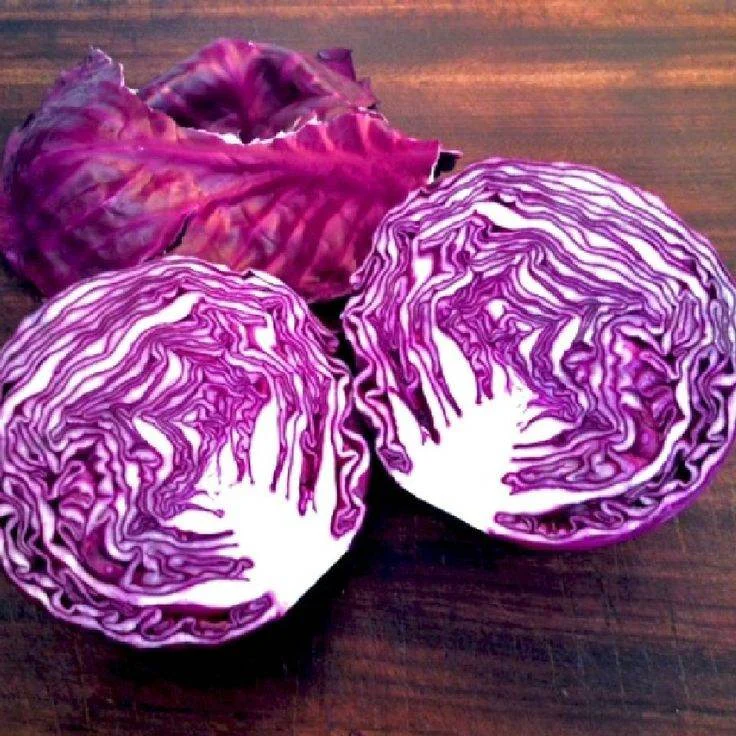
Red Cabbage
Red Cabbage
Growing Red Cabbage In Container or Grow Bags:
Growing red cabbage from seeds is a straightforward process the only trick needed is hybrid seeds. With local seeds putting effort in kitchen garden is simply tiring and frustrating. With the right conditions, you can enjoy a bountiful harvest of this nutritious and versatile vegetable in your home it does not matter if you have a backyard or simple pot just follow our instructions here's a step-by-step guide on how to grow okra from seeds in container:
-
Selecting Seeds: Budsnblush F1 hybrid seeds are high-quality seeds. They get mature quickly and give early harvest. This variety is best suited for container kitchen gardening.
-
Choose the Right Container: Select a container that is at least 5 gallons in size and has drainage holes to prevent waterlogging. Larger containers can accommodate multiple red cabbage plants
-
Select Potting Mix: Use a well-draining potting mix suitable for container gardening. A mix designed for vegetables or herbs is ideal.
-
Planting red cabbage Seeds: Plant red cabbage seeds about 1/4 to 1/2 inch deep in the soil. Place 2-3 seeds per container. Once the seedlings emerge, thin them to leave the healthiest plant in each group.
-
Watering: Keep the soil consistently moist during the germination and early growth stages. Use a watering can or a gentle spray bottle to avoid displacing the seeds. Once the seedlings are established, water the red cabbage plants when the top inch of the soil feels dry.
-
Sunlight: red cabbage thrive in full sunlight. Place the container in a location where the plants can receive at least 6-8 hours of direct sunlight daily.
-
Thinning Seedlings: Once the red cabbage seedlings have several leaves and are a few inches tall, thin them to leave the healthiest and strongest plants. You can transplant or discard the excess seedlings.
-
Fertilization (Optional): Red cabbage benefit from regular feeding. Use a balanced, water-soluble fertilizer at half strength every 2-4 weeks during the growing season. Follow the package instructions for application.
-
Pest and Disease Management: Keep an eye out for common pests such as aphids and spider mites. Use natural remedies or insecticidal soap to control pests. Container gardening can minimize the risk of soil-borne diseases, but proper hygiene is still essential.
-
Harvesting: Harvest Red cabbage when they reach the desired size and color. Use a sharp knife or scissors to cut the head from the plant. Regular harvesting encourages continuous production.
Why Budsnblush Seeds : Budsnblush vegetable seeds stand out as exceptional in the market for several compelling reasons. Primarily, these seeds boast robust disease tolerance F1 hybrid , ensuring that your crops are resilient against common ailments that can plague traditional varieties. This not only accelerates the growth process but also guarantees a faster yield, providing urban gardeners with a quicker result.
Original: $0.63
-70%$0.63
$0.19Product Information
Product Information
Shipping & Returns
Shipping & Returns
Description
Growing Red Cabbage In Container or Grow Bags:
Growing red cabbage from seeds is a straightforward process the only trick needed is hybrid seeds. With local seeds putting effort in kitchen garden is simply tiring and frustrating. With the right conditions, you can enjoy a bountiful harvest of this nutritious and versatile vegetable in your home it does not matter if you have a backyard or simple pot just follow our instructions here's a step-by-step guide on how to grow okra from seeds in container:
-
Selecting Seeds: Budsnblush F1 hybrid seeds are high-quality seeds. They get mature quickly and give early harvest. This variety is best suited for container kitchen gardening.
-
Choose the Right Container: Select a container that is at least 5 gallons in size and has drainage holes to prevent waterlogging. Larger containers can accommodate multiple red cabbage plants
-
Select Potting Mix: Use a well-draining potting mix suitable for container gardening. A mix designed for vegetables or herbs is ideal.
-
Planting red cabbage Seeds: Plant red cabbage seeds about 1/4 to 1/2 inch deep in the soil. Place 2-3 seeds per container. Once the seedlings emerge, thin them to leave the healthiest plant in each group.
-
Watering: Keep the soil consistently moist during the germination and early growth stages. Use a watering can or a gentle spray bottle to avoid displacing the seeds. Once the seedlings are established, water the red cabbage plants when the top inch of the soil feels dry.
-
Sunlight: red cabbage thrive in full sunlight. Place the container in a location where the plants can receive at least 6-8 hours of direct sunlight daily.
-
Thinning Seedlings: Once the red cabbage seedlings have several leaves and are a few inches tall, thin them to leave the healthiest and strongest plants. You can transplant or discard the excess seedlings.
-
Fertilization (Optional): Red cabbage benefit from regular feeding. Use a balanced, water-soluble fertilizer at half strength every 2-4 weeks during the growing season. Follow the package instructions for application.
-
Pest and Disease Management: Keep an eye out for common pests such as aphids and spider mites. Use natural remedies or insecticidal soap to control pests. Container gardening can minimize the risk of soil-borne diseases, but proper hygiene is still essential.
-
Harvesting: Harvest Red cabbage when they reach the desired size and color. Use a sharp knife or scissors to cut the head from the plant. Regular harvesting encourages continuous production.
Why Budsnblush Seeds : Budsnblush vegetable seeds stand out as exceptional in the market for several compelling reasons. Primarily, these seeds boast robust disease tolerance F1 hybrid , ensuring that your crops are resilient against common ailments that can plague traditional varieties. This not only accelerates the growth process but also guarantees a faster yield, providing urban gardeners with a quicker result.